New Build vs Existing Home Decision Calculator
Enter your specific details below to see which option aligns best with your budget and priorities. This tool estimates total Year 1 outlay and weighs lifestyle factors.
Financial Comparison (Year 1 Outlay)
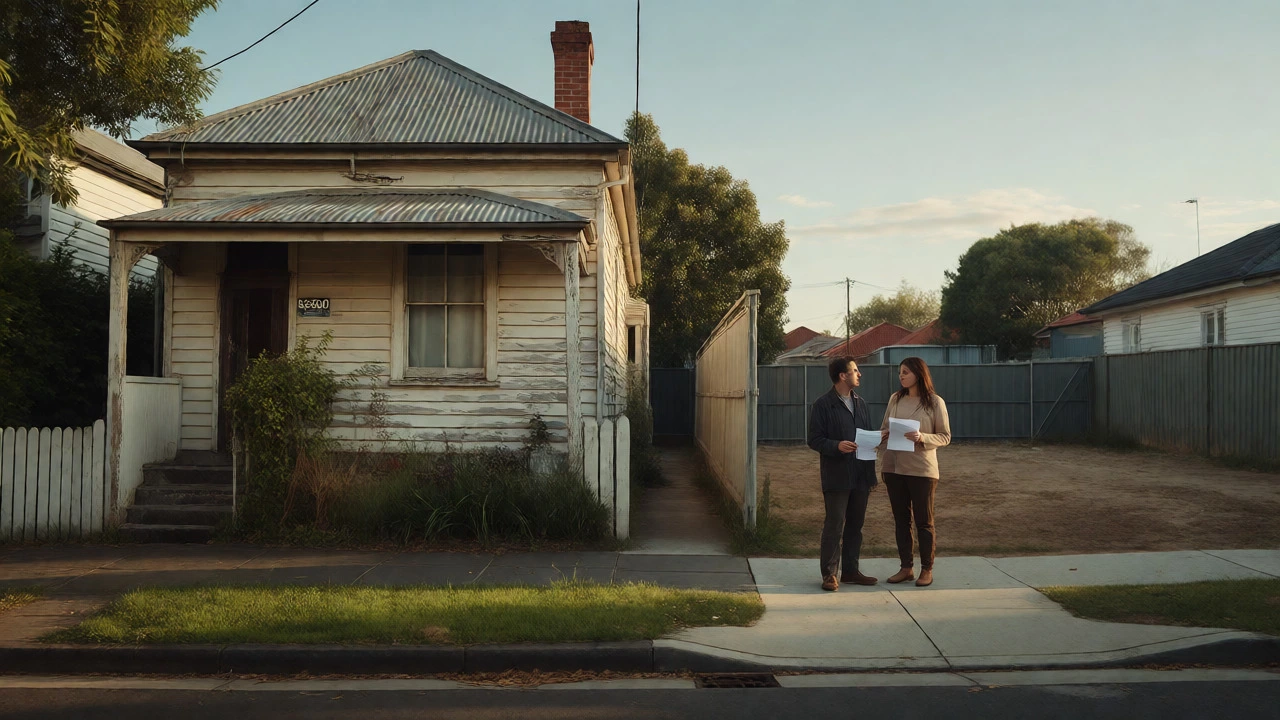
Imagine this: you have your heart set on a specific block of land in Melbourne’s inner suburbs. You find an old weatherboard cottage there for $850,000. Then, you look at the vacant lot next door, listed for $600,000, and realize you could build a modern, energy-efficient home for $450,000. On paper, the new build seems like the clear winner. But is it? The reality is far messier than a simple math equation. Deciding whether to build a new house or buy an existing one isn’t just about price tags; it’s about risk tolerance, time horizon, and what you actually value in a living space.
Most people approach this decision with a spreadsheet, trying to balance the higher upfront cost of land plus construction against the lower entry price of an older home. But spreadsheets don’t account for the stress of dealing with contractors, the hidden headaches of old plumbing, or the joy of walking into a brand-new kitchen that smells like fresh timber. To help you navigate this, we need to break down the real-world implications of both paths, specifically looking at costs, risks, and long-term value.
The True Cost Breakdown: It’s Not Just Price Per Square Meter
Let’s start with the numbers because they are where most dreams go to die-or get revised. When you buy an existing home, the sticker price is usually close to what you pay, aside from stamp duty and legal fees. When you build, the advertised "build price" is rarely the final number. In Australia, the Australian Bureau of Statistics reports that building approvals often lag behind actual starts, meaning supply chain issues can inflate material costs by 10-15% between signing a contract and pouring concrete.
| Cost Factor | Existing Home (1970s Era) | New Build (Turnkey) |
|---|---|---|
| Purchase/Contract Price | $850,000 | $600,000 (Land) + $450,000 (Build) = $1,050,000 |
| Stamp Duty | ~$35,000 | ~$42,000 (often calculated on total value) |
| Immediate Repairs/Renovations | $50,000 - $100,000 (roof, wiring, insulation) | $0 - $5,000 (minor landscaping/paint touch-ups) |
| Energy Efficiency Upgrades | $20,000 (if not done previously) | Included (NABERS/Star ratings standard) |
| Total Year 1 Outlay | ~$935,000 - $985,000 | ~$1,097,000 |
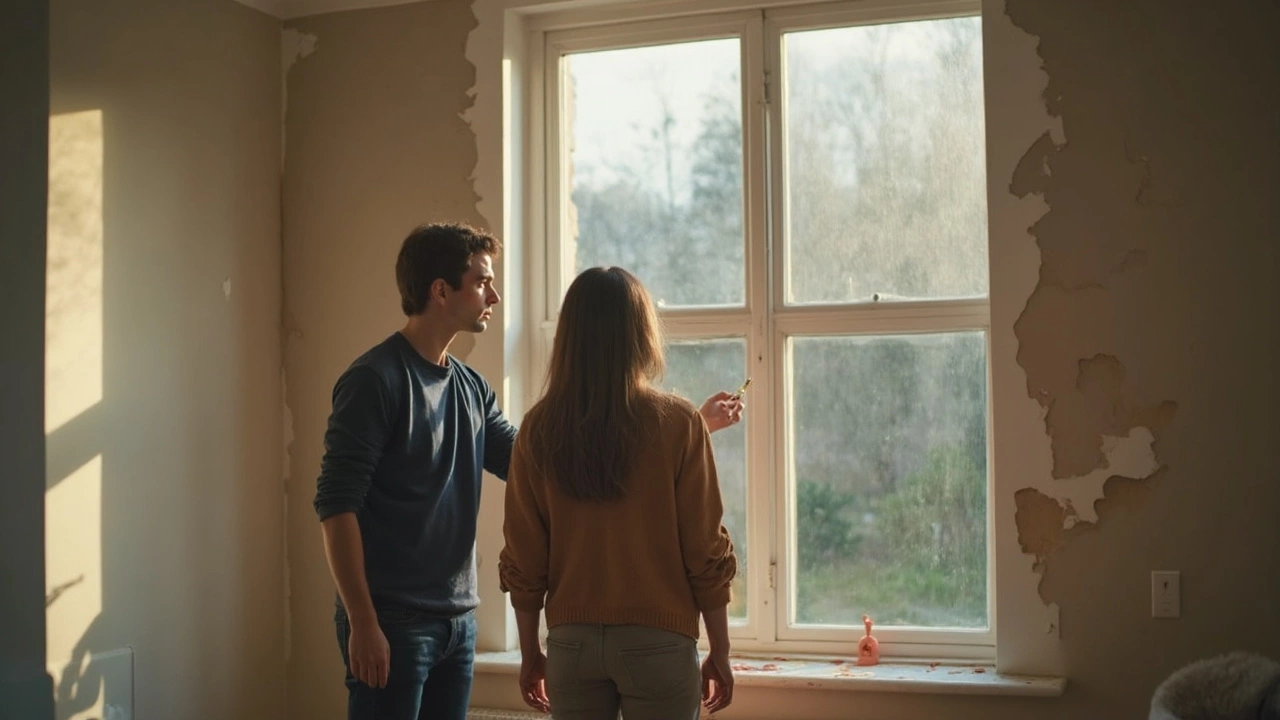
As you can see, the new build often requires more cash upfront. However, that $1,097,000 buys you a home with zero maintenance backlog. With the existing home, you are essentially buying a project. If you’re handy, that’s fine. If you’re not, those "minor repairs" can quickly spiral into six-figure renovation bills. A common pitfall is underestimating the cost of bringing an old house up to current standards. For instance, upgrading electrical wiring in a 1960s home to handle modern appliances and solar inverters can easily cost $15,000 alone.
Risk Management: Hidden Problems vs Construction Delays
Every homeowner has a horror story. For buyers of existing homes, the fear is the "hidden defect." You might discover asbestos in the walls, termite damage in the subfloor, or a leaking sewer line after settlement. These are known unknowns. You can mitigate them with thorough inspections, but inspectors aren’t perfect. They can’t see inside wall cavities without cutting holes, and they can’t predict how well a 40-year-old roof will hold up during the next big storm.
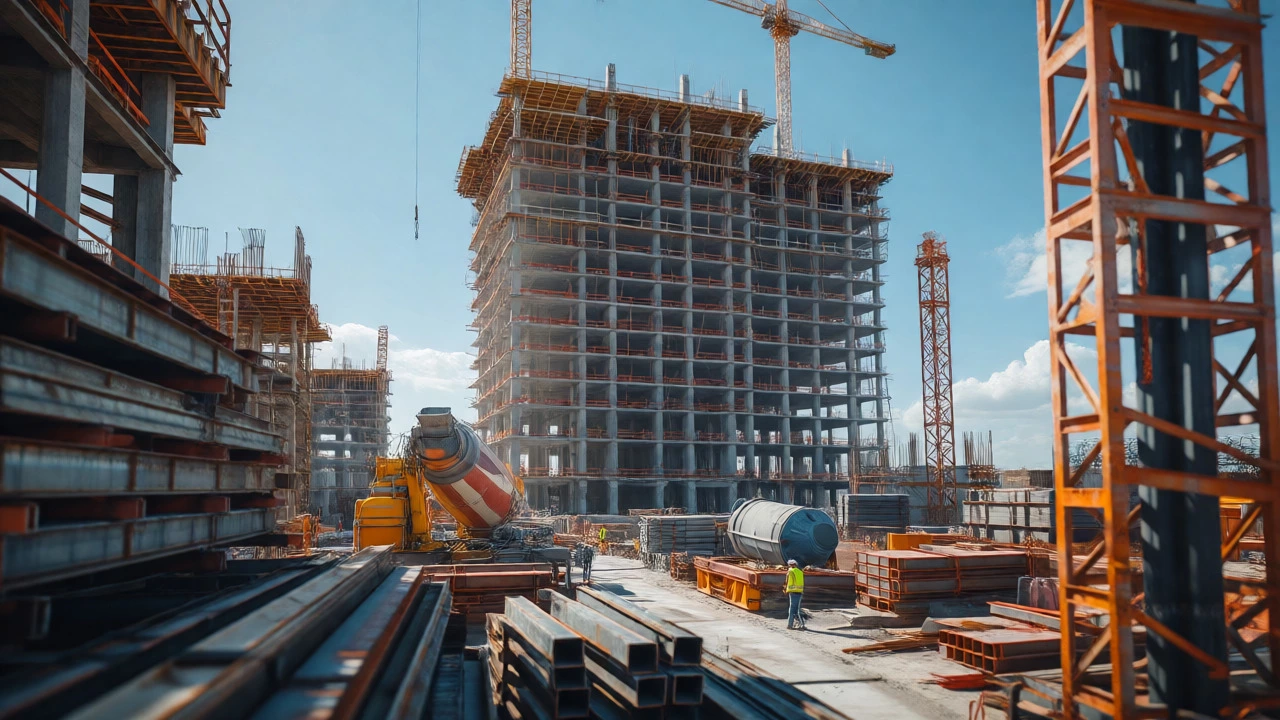
On the flip side, building a new house introduces the risk of the "construction chaos." This includes delays due to bad weather, labor shortages, or supplier bankruptcies. In 2023 and 2024, many Australian builders faced significant insolvency waves. If your builder goes bust halfway through your frame stage, you’re left with a skeleton and a mortgage. While major builders offer fixed-price contracts, these often come with strict caveats. Any change you make-like moving a power outlet or upgrading tapware-can trigger massive variation costs. One client I spoke with in Brunswick paid $8,000 extra just to move two internal doors.
- Existing Home Risk: High uncertainty regarding condition. Requires budget contingency of 10-20% for surprises.
- New Build Risk: High uncertainty regarding timeline and final cost. Requires strict contract management and patience.
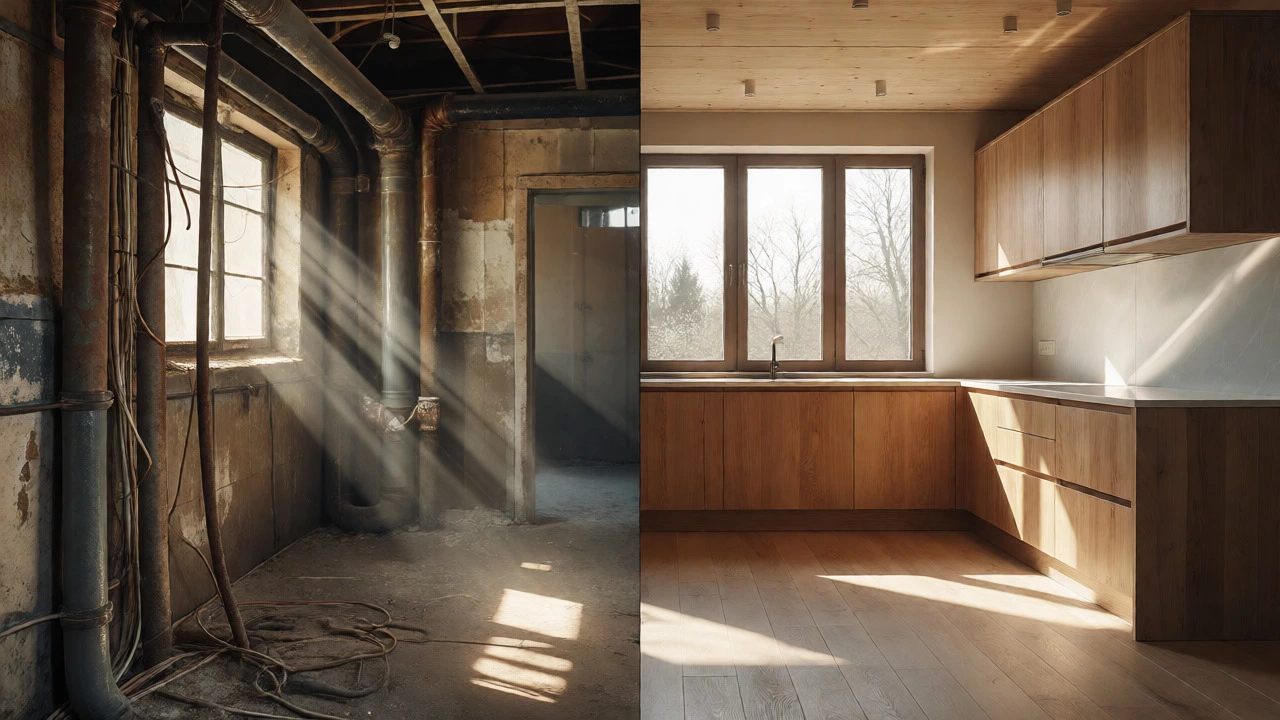
Lifestyle and Design: Customization vs Character
This is where the emotional side of the decision kicks in. Do you want a blank canvas, or do you want personality?
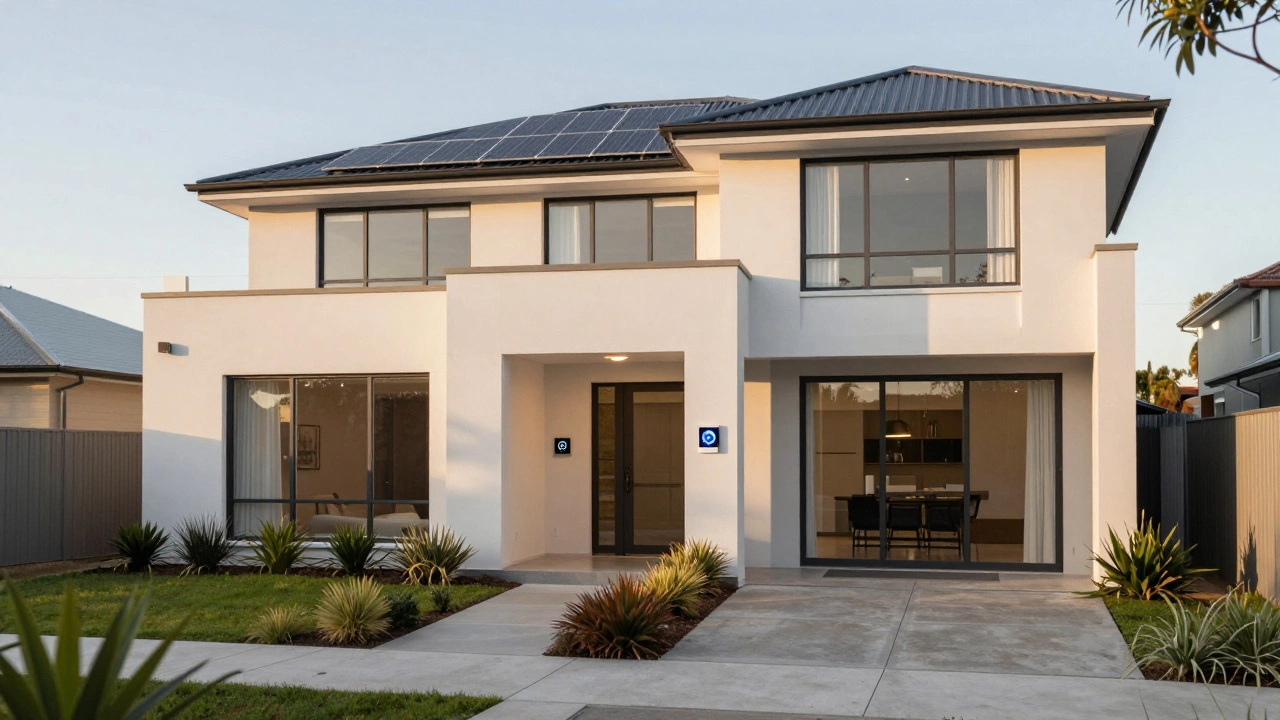
Building a new home gives you control over every detail. You decide the ceiling height, the orientation of the windows for passive heating, and the layout of the open-plan living area. Modern designs prioritize flow and light. You won’t have awkward hallways or tiny, dark kitchens unless you choose them. Plus, new builds come with warranties. In Victoria, the Domestic Building Contracts Act provides statutory warranties, including six years for structural defects. That peace of mind is tangible.
Existing homes, particularly those built before 1980, offer something new builds struggle to replicate: character. Original hardwood floors, high ceilings, decorative cornices, and established gardens create a sense of warmth and history. Many people feel a deeper connection to a home that has lived-in charm. Furthermore, existing homes are often located in more mature neighborhoods with larger trees and better-established community networks. New estates, while clean and efficient, can sometimes feel sterile until the trees grow in ten years’ time.
Long-Term Value and Resale Potential
Will you make money? That’s the big question for investors and owner-occupiers alike. Generally, land appreciates faster than buildings. Since you own the land in both scenarios, the appreciation potential is similar over a 10-20 year period. However, the trajectory differs.
A new build depreciates immediately upon completion. As soon as you move in, it’s no longer "new," and its value settles into the local market average. However, because it requires little maintenance, it’s an easy sell to busy professionals who don’t want to deal with renovations. An existing home, if well-maintained or recently renovated, can hold its value well. But if it’s dated, you’ll be competing with newer stock on the market. Buyers today are increasingly savvy about energy efficiency. A drafty 1970s brick veneer home will struggle to compete with a new double-brick or insulated timber-frame home that has a 7-star energy rating. Lower utility bills are a major selling point now that electricity prices in Victoria have surged.
The Environmental Angle: Embodied Carbon vs Operational Energy
If sustainability matters to you, the choice gets nuanced. Building a new house generates significant "embodied carbon"-the emissions created by manufacturing materials, transporting them, and constructing the house. Demolishing an existing home also creates waste. Some argue that renovating and retaining an existing structure is greener because it saves the embodied energy already spent on the original build.
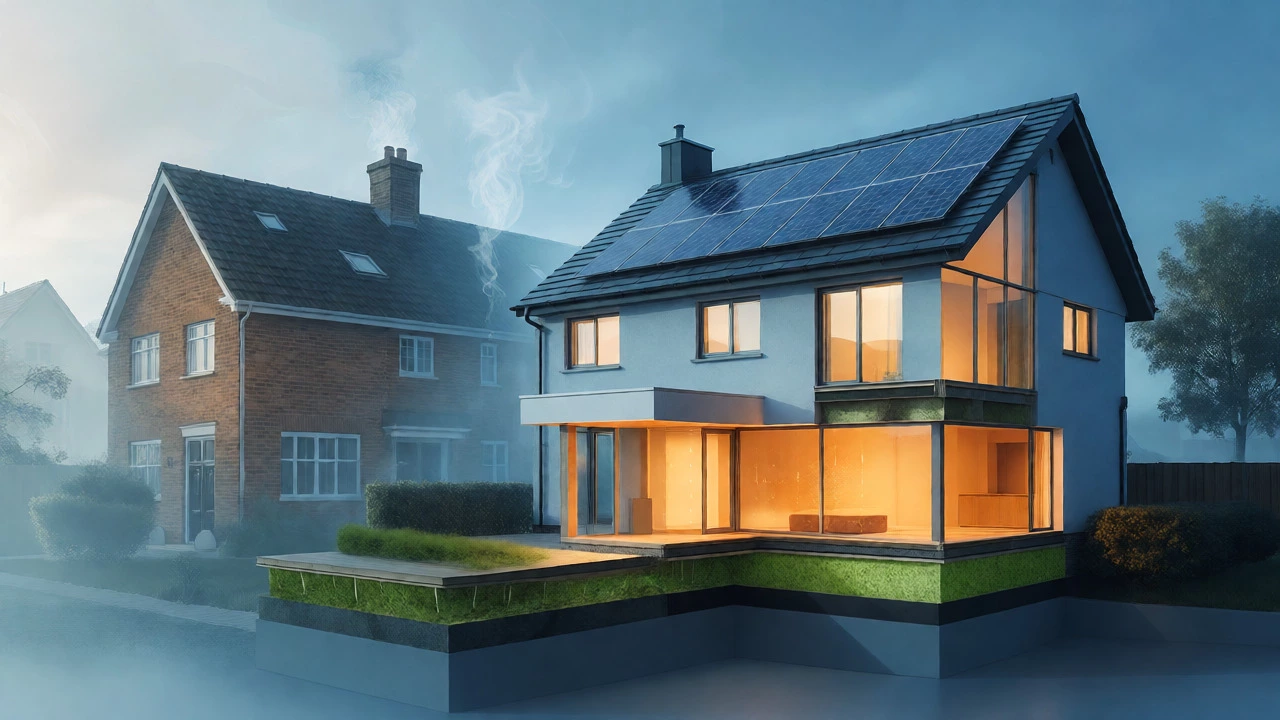
However, new builds are vastly superior in "operational energy"-the energy used to heat, cool, and light the home daily. Modern Australian building codes require higher insulation levels, double-glazed windows (in some cases), and efficient HVAC systems. Over a 20-year period, the energy savings of a new build often outweigh the initial carbon footprint of construction. If you plan to stay in the home for decades, the new build wins on environmental impact. If you plan to sell in five years, the embodied carbon argument might sway you toward keeping an existing shell and improving its efficiency.
Making the Decision: A Checklist for Your Situation
So, which path is right for you? Use this quick heuristic to guide your choice:
- Choose New Build if:
- You hate surprises and prefer a predictable, low-maintenance lifestyle.
- You have a specific family layout need (e.g., multigenerational living, accessibility features).
- You are willing to wait 12-18 months for completion.
- You have access to sufficient cash reserves to cover variations and holding costs (rent/mortgage overlap).
- Choose Existing Home if:
- You love character and architectural details that cost too much to replicate.
- You want to move in immediately.
- You enjoy DIY projects or have a trusted network of tradespeople.
- Your budget is tight, and you can’t afford the premium of a turnkey solution.
Remember, neither option is objectively "better." It depends entirely on your risk appetite and lifestyle preferences. The best advice? Talk to a quantity surveyor before signing anything. They can give you a realistic estimate of renovation costs for existing homes or potential variations for new builds. Don’t let the sales pitch blind you to the practical realities of homeownership.
Is it cheaper to buy or build a house in Australia?
Generally, buying an existing home has a lower upfront purchase price. However, when you factor in immediate repairs, upgrades, and higher ongoing maintenance costs, the total first-year outlay can sometimes rival or exceed that of a modest new build. New builds have higher initial costs but lower immediate repair needs.
Do new houses hold their value better than old ones?
Both rely heavily on location. New houses may depreciate slightly in value once constructed but attract buyers seeking low maintenance and modern efficiency. Older homes can appreciate significantly if well-maintained or renovated, but they may suffer from 'functional obsolescence' if layouts or energy ratings are poor compared to newer stock.
What are the biggest risks of building a new home?
The primary risks include construction delays, cost blowouts due to variations or material price increases, and builder insolvency. Additionally, new estates may lack established landscaping and community infrastructure initially, affecting livability in the short term.
Can I live in my existing home while renovating instead of building?
Yes, but it can be disruptive and stressful. Major renovations involving structural changes, plumbing, or electrical work often require temporary relocation. Living in a construction zone can pose safety hazards and health risks from dust and noise, potentially impacting mental well-being and productivity.
How does energy efficiency affect the choice between new and old homes?
New homes built to current National Construction Code (NCC) standards are significantly more energy-efficient due to better insulation, sealing, and window technology. This results in lower heating and cooling costs. Older homes often require expensive retrofits to achieve similar efficiency levels, making new builds more attractive for those prioritizing low running costs.