New Build Cost Comparison Calculator
Compare Your Options
Over , the new build saves you compared to an older home. This represents a cost reduction.
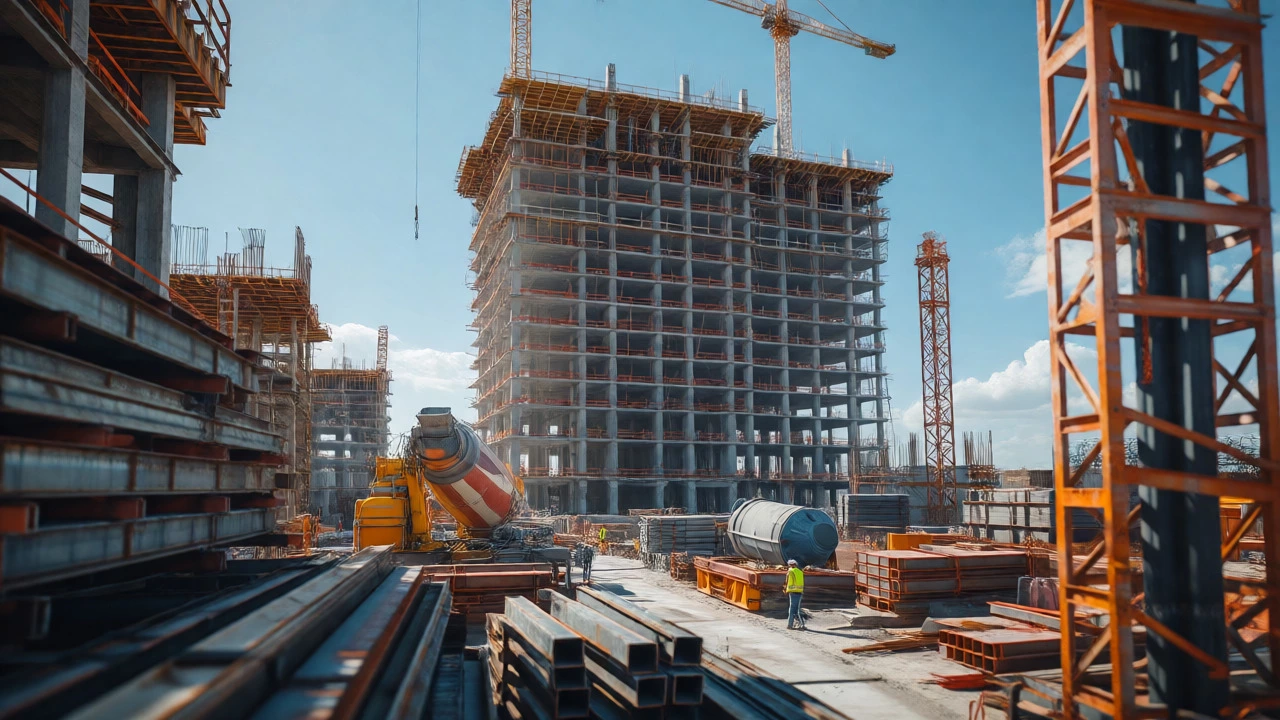
When someone says new build, they’re not just talking about a house that’s recently been painted. A new build is a home built from the ground up-no previous owners, no worn-out pipes, no outdated wiring. It’s a fresh start, designed and constructed under today’s standards, often with energy-efficient materials and modern layouts. But what does that really mean for you if you’re thinking about buying one?
What Exactly Is a New Build?
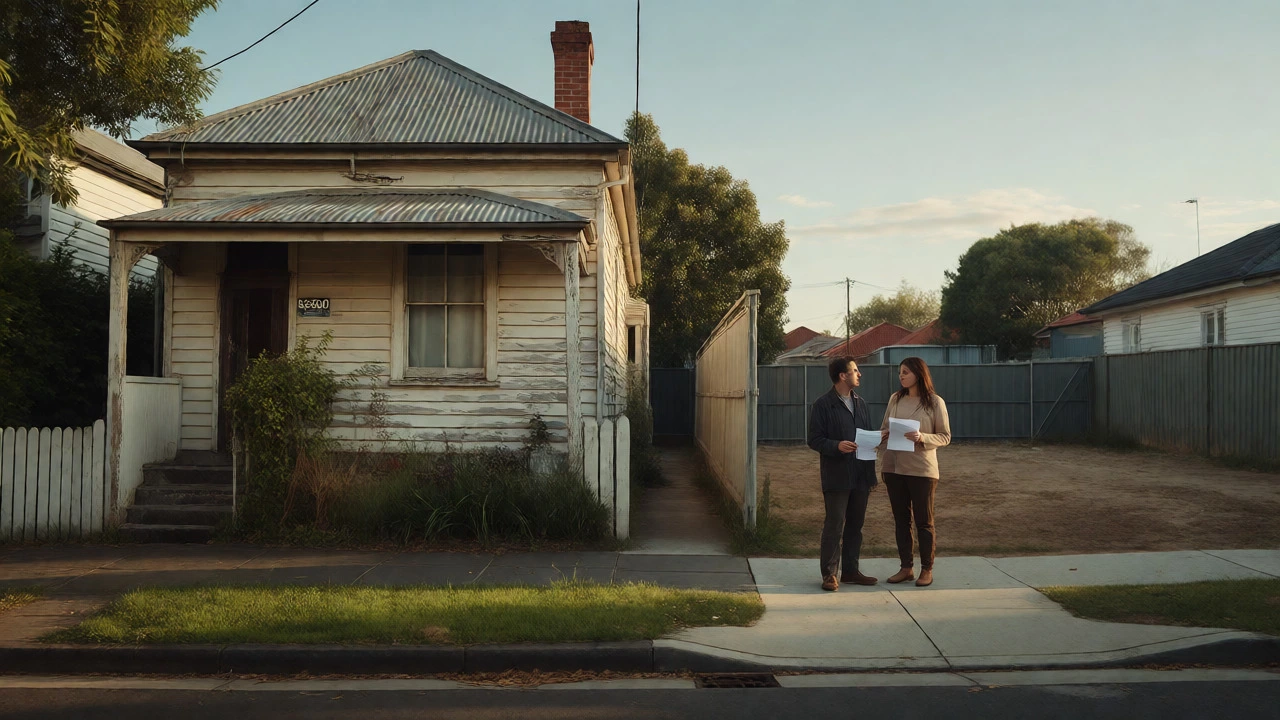
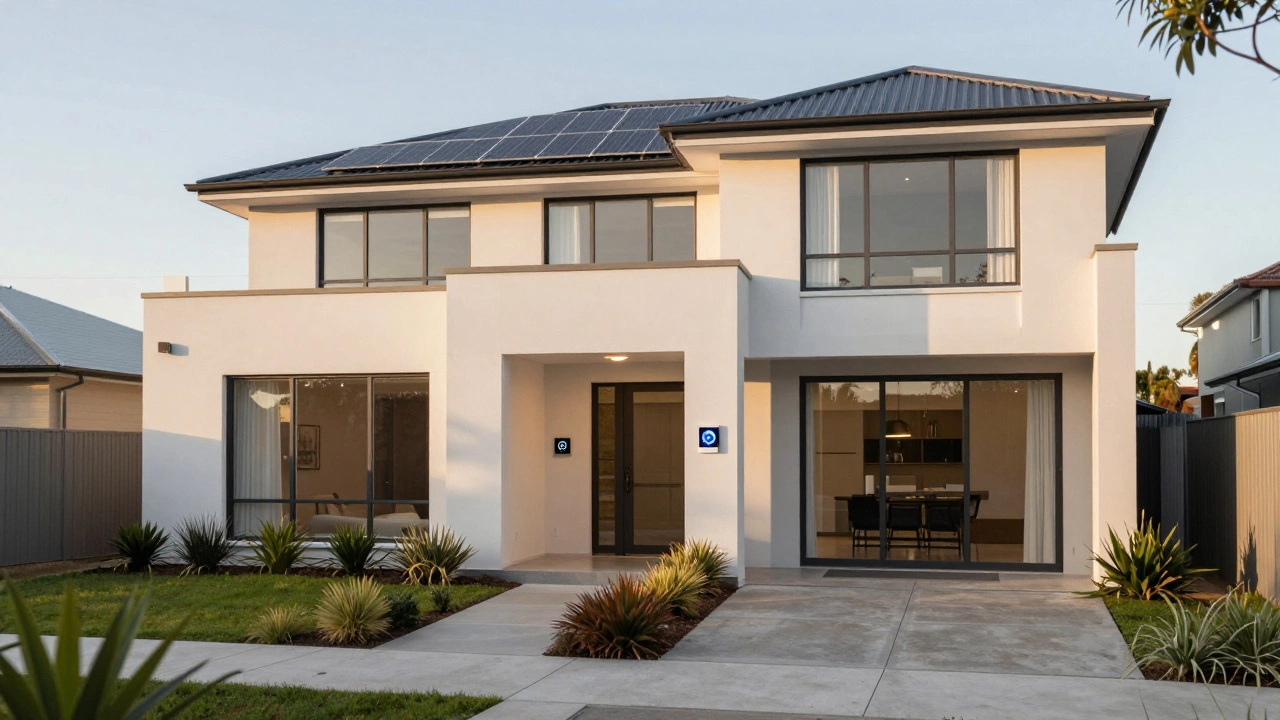
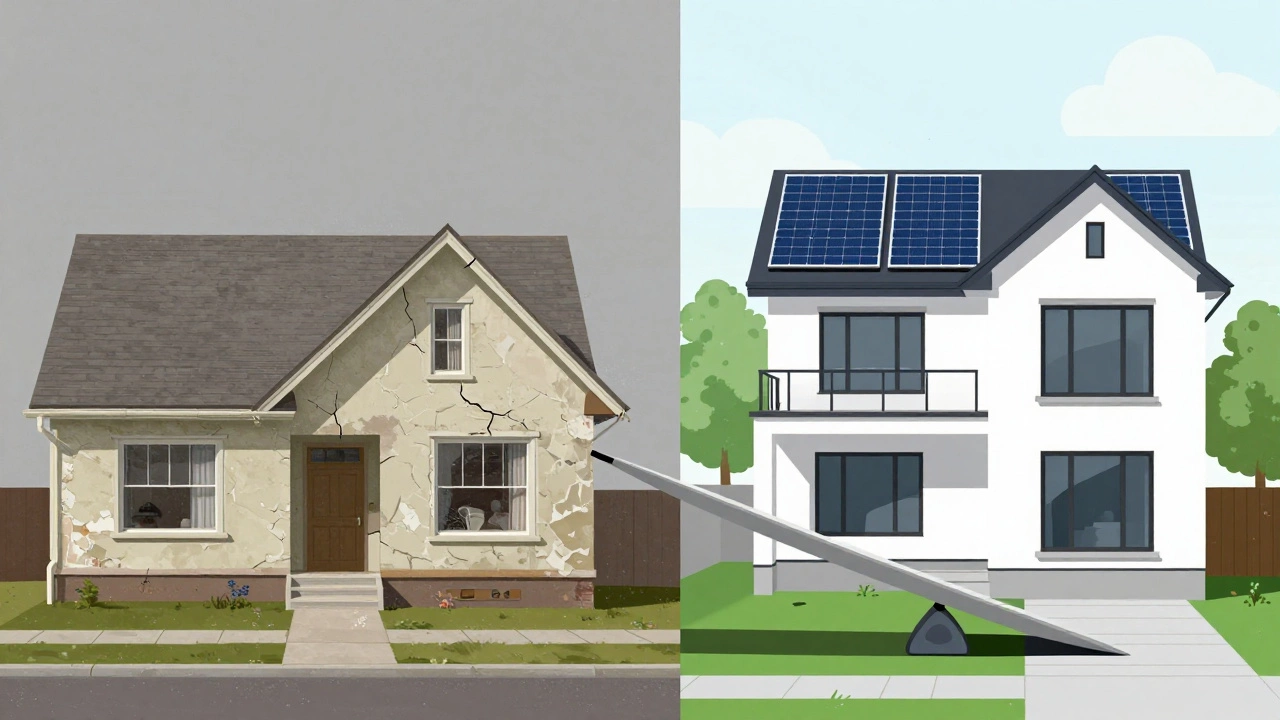
A new build is a residential property constructed on land that either had no prior structure or had an old one completely removed. These homes are typically built by developers or builders under a master plan, often in estates or housing developments. Unlike renovations or older homes, new builds come with warranties, standardized materials, and designs that reflect current building codes and lifestyle trends.
In Australia, new builds have become the go-to option for first-time buyers and growing families. Why? Because they offer predictability. You know exactly what you’re getting: the number of bedrooms, the type of flooring, the brand of appliances. No surprises from hidden mold or a 1970s bathroom.
How Is a New Build Different From an Older Home?
Let’s cut through the noise. A new build isn’t just "new." It’s built differently. Here’s how it stacks up against older homes:
- Energy efficiency: New builds must meet the National Construction Code’s 7-star energy rating (as of 2024). That means better insulation, double-glazed windows, and solar-ready roofs. Older homes? Often 3-4 stars.
- Warranties: In Victoria, new builds come with a 6-year structural warranty and 2-year defect warranty under the Domestic Building Contracts Act. Older homes? No automatic protection.
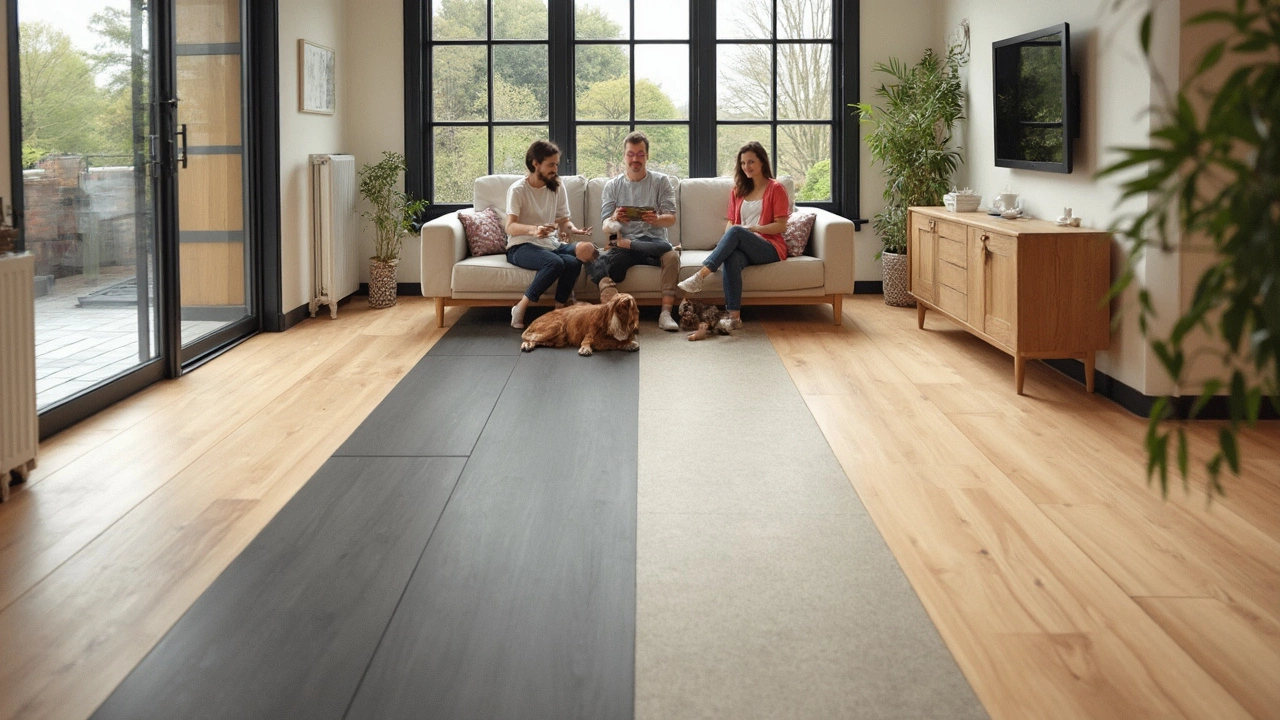
- Design: Open-plan living, walk-in robes, smart home pre-wiring-these aren’t add-ons in new builds. They’re standard.
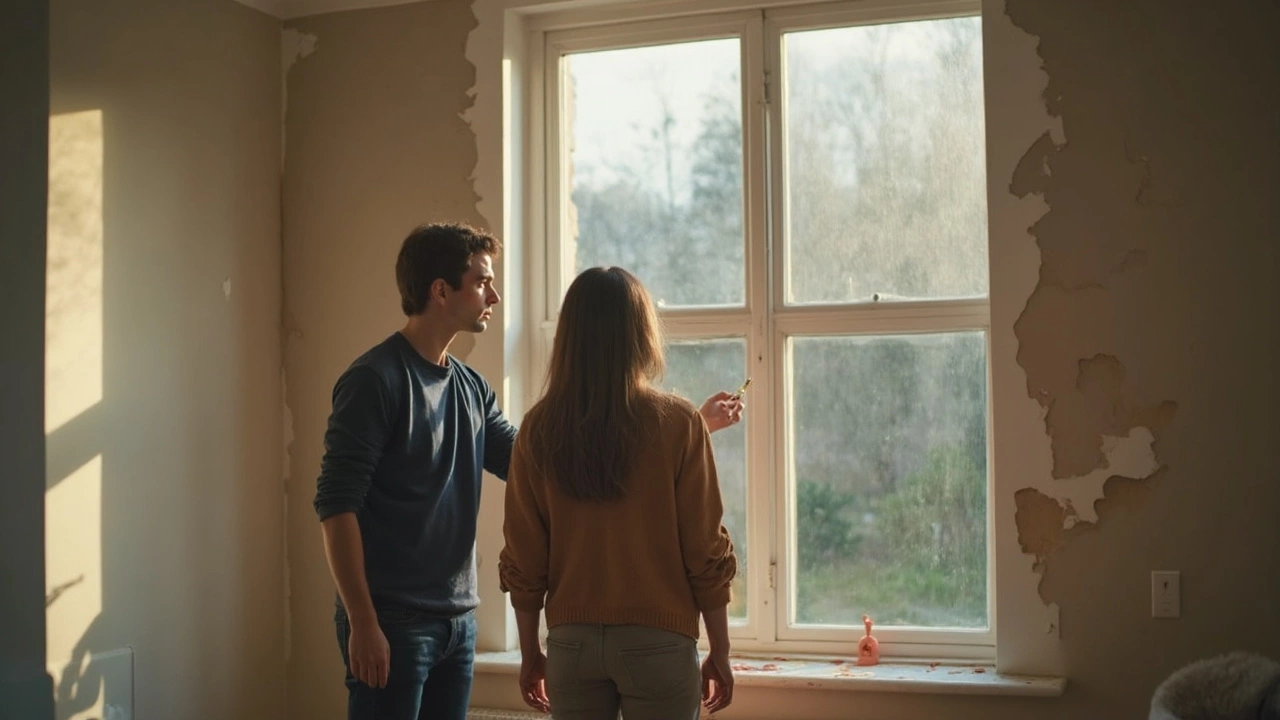
- Maintenance: New builds don’t have cracked foundations, termite damage, or leaky gutters… yet. You’ll likely avoid major repairs for the first 5-10 years.
That doesn’t mean older homes are bad. But if you’re looking for low hassle, high efficiency, and modern comfort, a new build checks those boxes without compromise.
Types of New Builds You’ll Encounter
Not all new builds are the same. Here are the three most common types you’ll see on the market:
- Off-the-plan: You buy before construction starts. You pick finishes, layout tweaks, and sometimes even the land. These often come with upfront discounts but carry risks-delays, design changes, or cost overruns.
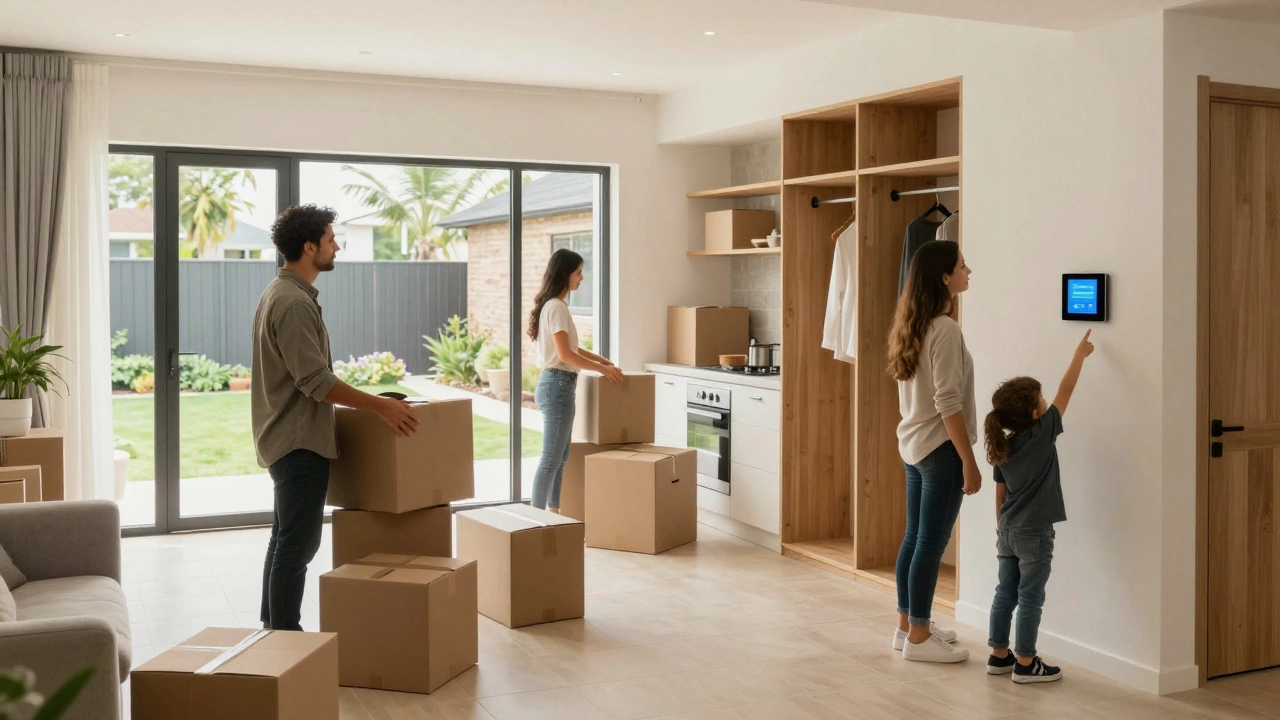
- Turnkey: The house is fully built and ready to move into. Everything’s done: landscaping, curtains, appliances. You just need to bring your toothbrush. These are ideal if you want instant occupancy without stress.
- Custom build: You own the land and hire a builder to construct your exact design. This gives you full control but takes longer, costs more, and requires more involvement.
Most buyers in Melbourne go for turnkey or off-the-plan. Custom builds are usually for people with specific needs-like wheelchair accessibility, multi-generational living, or unique architectural styles.
Why Are New Builds So Popular Right Now?
Since 2022, demand for new builds in Australia has jumped 37%, according to the Australian Bureau of Statistics. Why? Three big reasons:
- Government incentives: First Home Owner Grant (FHOG) and stamp duty exemptions are still active in most states, including Victoria, for homes under $1 million.
- Supply chain improvements: After pandemic delays, building materials are more reliable. Timber, steel, and tiles are back in stock, and builders can give accurate timelines.
- Cost of living pressure: Older homes often need $20,000-$50,000 in repairs just to make them safe. New builds eliminate that upfront cost.
It’s not just about saving money-it’s about peace of mind. You’re not just buying a house. You’re buying a future with fewer emergencies.
What Should You Watch Out For?
Yes, new builds are great-but they’re not perfect. Here are the top three pitfalls buyers miss:
- Hidden extras: The advertised price might not include fencing, driveways, or landscaping. Ask for a full inclusions list. Many developers list "starter package" options that cost $15,000 extra.
- Builder reputation: Not all builders are equal. Check the builder’s record on the Victorian Building Authority (VBA) website. Look for complaints about delays or poor workmanship.
- Strata fees: If it’s a townhouse or unit, you’ll pay strata fees. These can range from $1,200 to $4,000 a year. Always ask for a copy of the strata report before signing.
One buyer in Clayton bought a new build in 2023 and didn’t realize the driveway wasn’t included. They ended up paying $18,000 out of pocket. Always read the fine print.
Who Benefits Most From a New Build?
New builds suit certain lifestyles better than others:
- First-home buyers: Easier to qualify for loans, lower maintenance, and government help make these ideal.
- Families: Modern layouts mean more space, safer designs (rounded corners, non-slip tiles), and room for future growth.
- Downsizers: Many new builds now offer single-level homes with wide doorways and easy-access bathrooms-perfect for aging in place.
- Investors: New builds have higher rental yields (often 4-5%) because tenants prefer modern, low-maintenance properties.
If you’re planning to live in the home for at least 5 years, a new build is one of the smartest property moves you can make.
How to Choose the Right New Build
Here’s a simple checklist to follow:
- Confirm the builder is licensed with the VBA or equivalent in your state.
- Get a written inclusions list-not just a brochure.
- Ask for a copy of the energy rating certificate (must be 7-star minimum).
- Check if the land is titled (freehold) or part of a strata plan.
- Compare at least three developments. Don’t just pick the first one you see.
- Read recent reviews on Google and BuilderRating.com.au.
And never sign a contract without a solicitor or conveyancer reviewing it. Even if the builder says it’s "standard."
What Happens After You Buy?
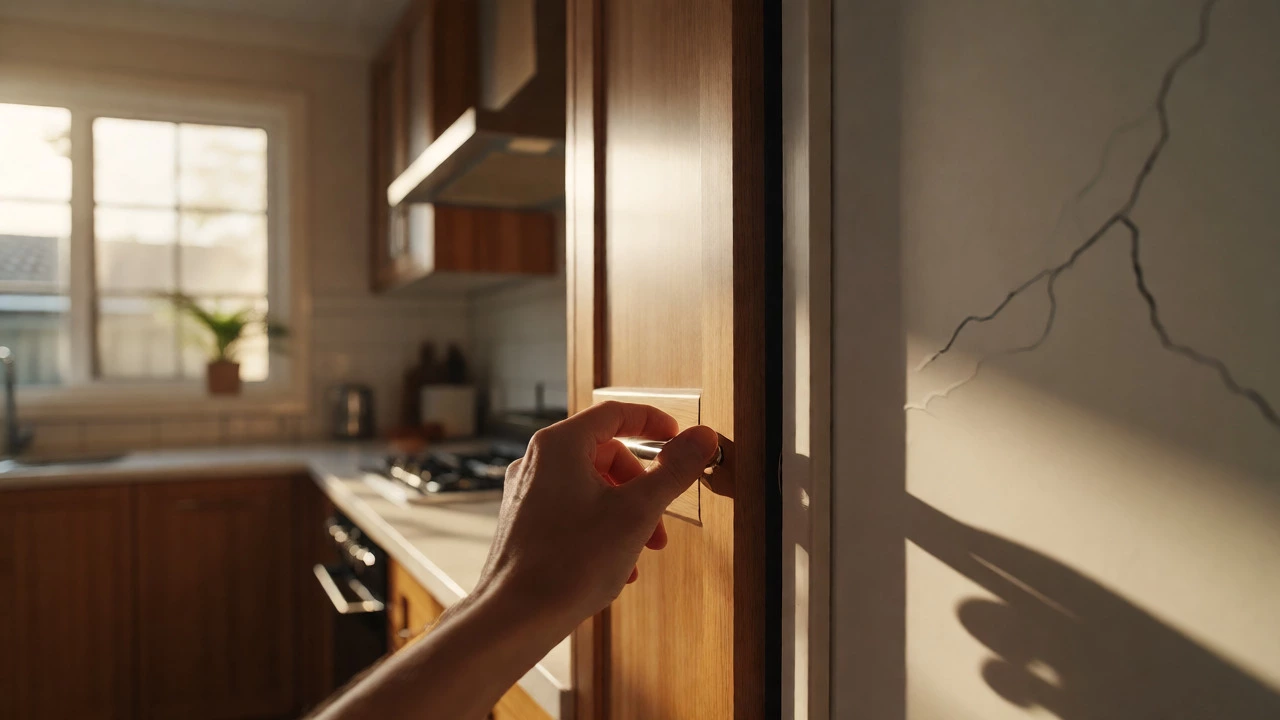
Once you move in, you’ll get a defects liability period-usually 12 months. During this time, the builder is legally required to fix any issues that arise: cracked tiles, leaking taps, faulty switches. Keep a log of everything. Take photos. Submit claims in writing.
After the warranty expires, routine maintenance is still minimal. You’ll likely only need to replace HVAC filters, clean gutters, and repaint every 5-7 years. Compare that to a 1990s house, where you’re replacing the hot water system, rewiring the kitchen, and fixing a sagging roof by year 8.
Final Thought: It’s Not Just a House. It’s a Foundation.
A new build isn’t just bricks and mortar. It’s a foundation for your life. Less stress. More space. Better energy bills. Fewer surprises. For most people, especially in today’s market, it’s the clearest path to owning a home that works as well as it looks.
Is a new build more expensive than an older home?
At first glance, yes-new builds often have a higher sticker price. But when you factor in repair costs, energy bills, and maintenance over five years, they usually cost less. A 2023 study by the University of Melbourne found new builds saved owners an average of $4,200 per year in utilities and repairs.
Can I negotiate the price of a new build?
You can, but not like you would with a resale home. Builders rarely drop the base price. But they often offer incentives: free upgrades (like floor tiles or lighting), waived legal fees, or even cashback on appliances. Always ask what’s negotiable.
Are new builds built to last?
Yes. Modern building standards are stricter than ever. New builds use treated timber, reinforced concrete, and wind-rated roofing. In Victoria, they must pass inspections at slab, frame, and final stages. A well-built new home can easily last 60-80 years with basic care.
Do new builds appreciate in value faster?
Generally, yes. New builds in established suburbs appreciate 1-2% faster than older homes in the same area, according to CoreLogic data from 2025. Buyers prefer modern features, and banks are more willing to lend on newer properties.
Can I get a home loan for a new build?
Absolutely. Most lenders treat new builds as low-risk assets. You can often get up to 95% LVR (loan-to-value ratio) with no mortgage insurance if you qualify for the First Home Loan Deposit Scheme. Some banks even offer construction loans with interest-only periods during building.