Roofing Cost & Value Calculator
Step 1: Enter Details
Step 2: Choose Material
Asphalt Shingles
Lowest Upfront$80 - $120 / m² • 15-20 Years
Best for tight budgets and complex roof shapes.Corrugated Steel
Balanced$90 - $140 / m² • 30-50 Years
Durable against Australian weather.Colorbond® Steel
Best Value$120 - $180 / m² • 40-70 Years
Long lifespan with low maintenance.Terracotta Tiles
Premium$150 - $250+ / m² • 50+ Years
Traditional look with natural insulation.Slate
Luxury$250 - $400+ / m² • 100+ Years
Heritage homes and extreme longevity.Estimated Total Cost
Based on -
Long-Term Value Analysis
If you replace this roof every time it reaches the end of its life over a 60-year period:
Calculating...
How It Compares to Others
There is no magic bullet for roofing that saves you money without risking your home. The least expensive way to roof a house depends entirely on the current condition of your existing structure. If your roof is sound but leaking, repair is cheaper than replacement. If you must replace it, asphalt shingles remain the lowest upfront cost option in Australia, followed closely by corrugated steel. However, "cheapest" can be a trap if it leads to higher maintenance or energy bills later.
The Real Cost of Roofing: Upfront vs. Long-Term
When people ask for the cheapest roof, they usually mean the lowest invoice from a contractor today. But roofing is a long-term investment. A cheap roof that lasts five years costs more per year than a moderate one that lasts twenty. In Melbourne, where we face hot summers and occasional hail storms, durability matters.
To find the true least expensive option, you need to look at three factors:
- Material Cost: What you pay for the sheets or shingles.
- Labour Cost: How hard is it to install? Complex shapes cost more.
- Lifespan: How often will you replace it?
If your budget is tight, asphalt shingles are the winner for low initial outlay. They are lightweight, easy to install, and widely available. However, in our climate, they may degrade faster due to UV exposure compared to metal options.
Cheapest Material Options in Australia
Let’s break down the most common materials used in Australian homes, ranked by typical installed cost.
| Material | Approx. Installed Cost (AUD/m²) | Lifespan | Best For |
|---|---|---|---|
| Asphalt Shingles | $80 - $120 | 15-20 years | Budget builds, complex roofs |
| Corrugated Steel | $90 - $140 | 30-50 years | Australian weather, durability |
| Colorbond® Steel | $120 - $180 | 40-70 years | Long-term value, aesthetics |
| Terracotta Tiles | $150 - $250+ | 50+ years | Traditional looks, insulation |
| Slate | $250 - $400+ | 100+ years | Heritage homes, luxury |
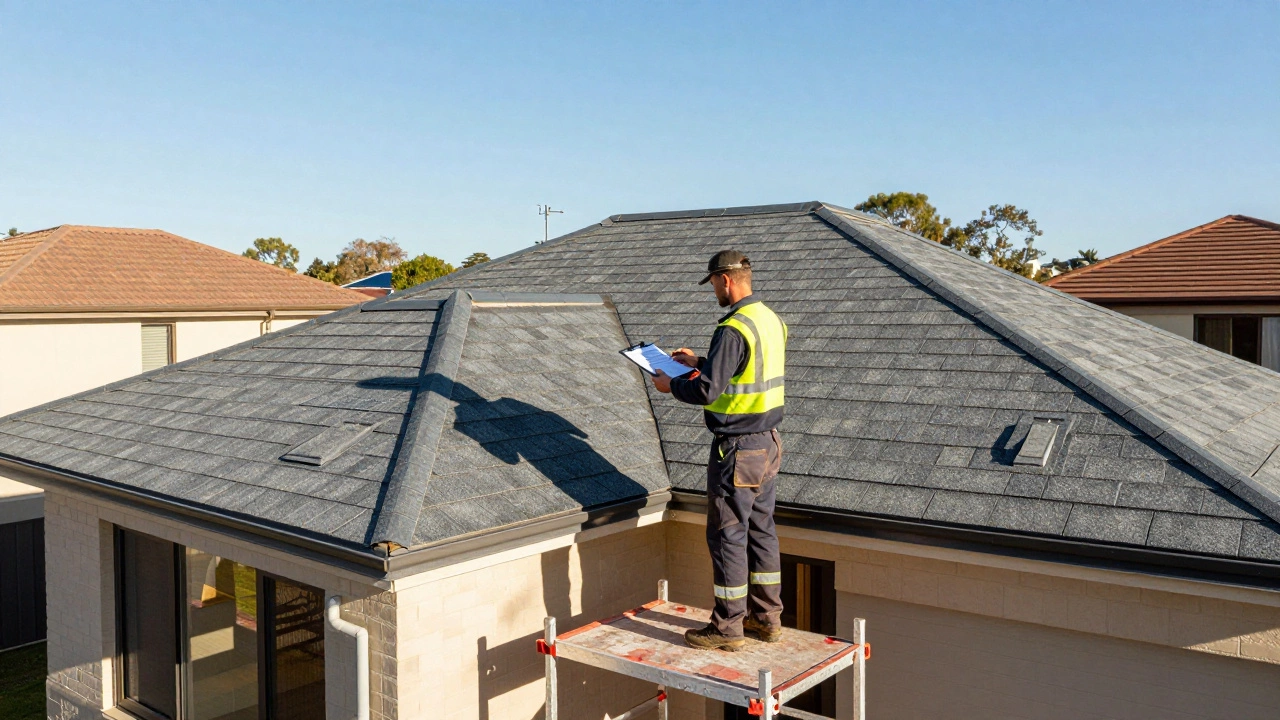
Note that these prices vary based on roof pitch, accessibility, and location. A simple gable roof is cheaper to cover than a hip roof with multiple valleys.
Repair vs. Replace: The Ultimate Money-Saver
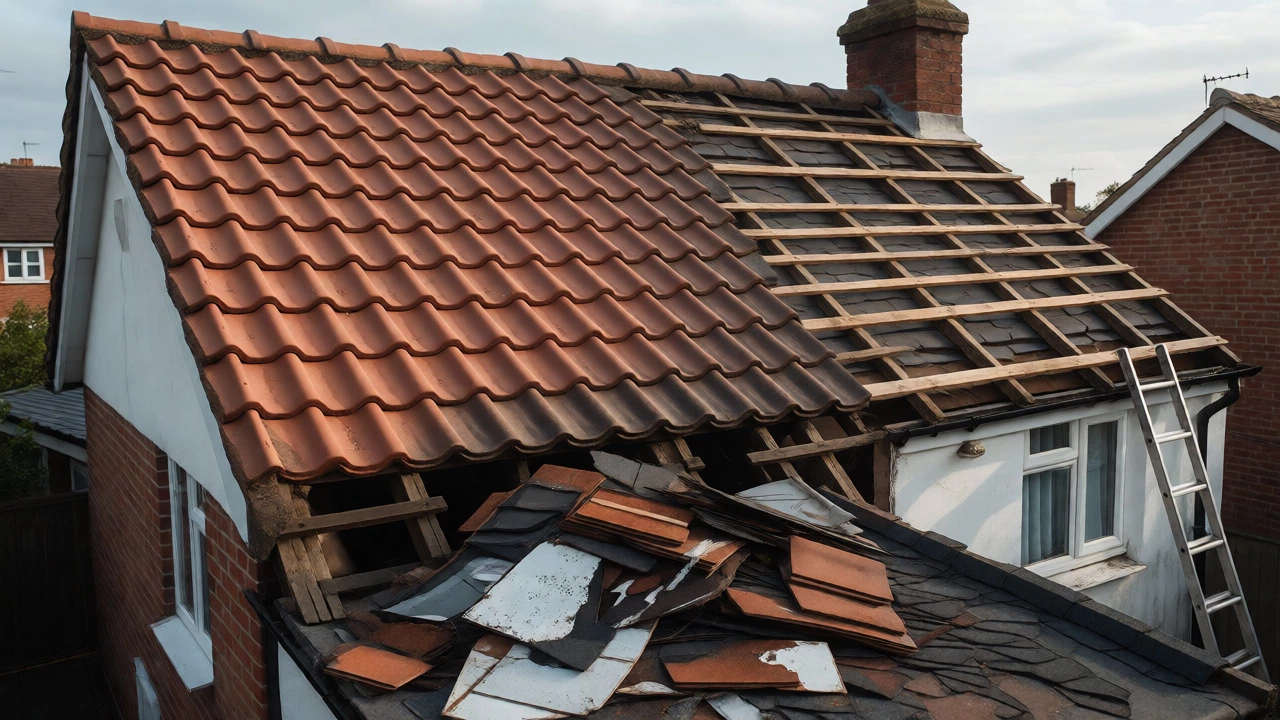
The absolute least expensive way to roof a house is often to not roof it at all-just fix what’s broken. If your roof has less than 50% of its life left, replacing it is wasteful. Instead, consider:
- Re-sealing: For flat roofs or older bitumen roofs, re-coating can extend life by 10-15 years for a fraction of replacement cost.
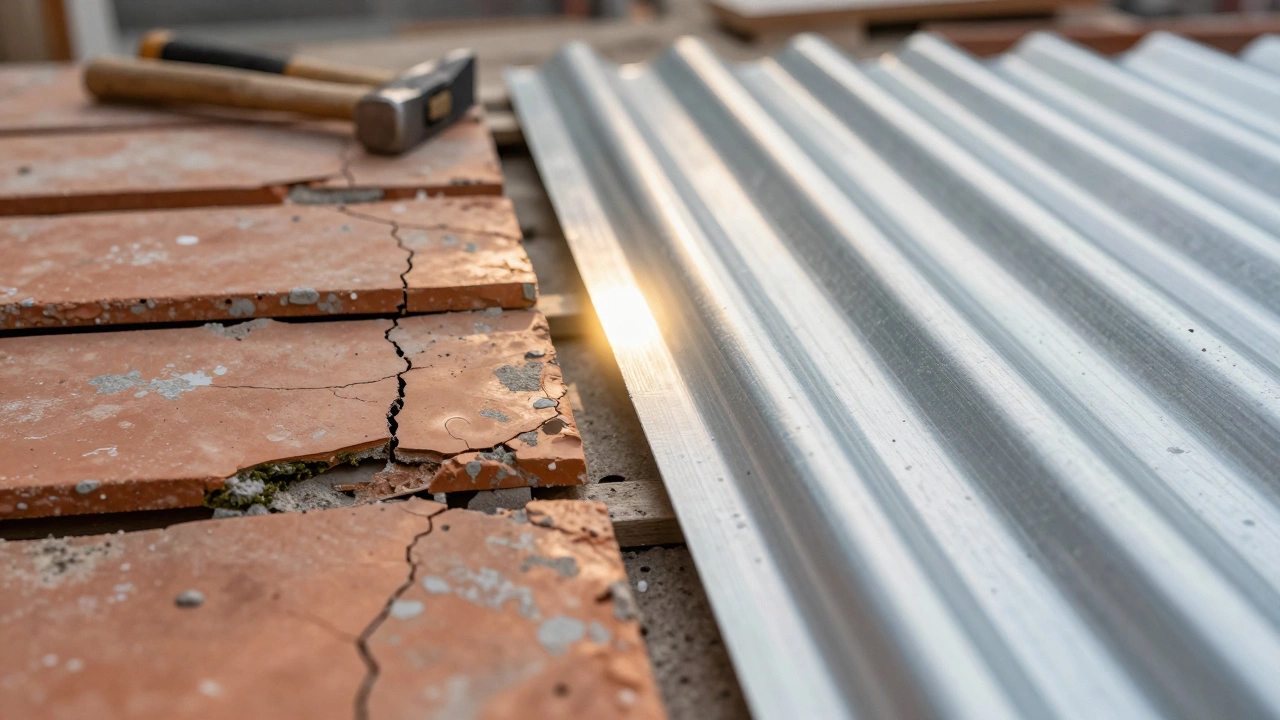
- Spot Repairs: Replacing only damaged tiles or flashing around chimneys and vents.
- Gutter Cleaning: Prevents water backup which damages roof edges.
If your roof is structurally sound, spending $2,000-$5,000 on repairs is far cheaper than $15,000+ for a full tear-off and new installation.
DIY Roofing: Is It Actually Cheaper?
You might think doing it yourself saves labour costs, which make up 60-70% of the total price. But roofing is dangerous and technically demanding. One mistake can lead to leaks, structural damage, or injury.
In Australia, strict safety regulations apply to working at heights. Most insurance policies void coverage if unlicensed workers perform major roof work. For small projects like replacing a few tiles, DIY is feasible. For a full roof, the risk outweighs the savings. Hiring a licensed roofer ensures warranty coverage and compliance with building codes.
Hidden Costs That Blow Your Budget
Even the cheapest material can become expensive if hidden issues arise. Watch out for:
- Decking Replacement: If the wooden underlayment is rotted, you must replace it before installing new shingles or metal. This adds 20-30% to the cost.
- Permits: Local councils require permits for structural changes. Fines for skipping this are steep.
- Disposal Fees: Removing old roofing materials costs money for landfill tipping fees.
- Access Equipment: Steep roofs require scaffolding or cranes, increasing labour time.
Always get a detailed quote that includes tear-off, disposal, and permit fees-not just material costs.
Smart Strategies to Reduce Roofing Costs
If you must replace your roof, here are practical ways to keep costs down without sacrificing quality:
- Choose Standard Colors: Custom colors for metal roofs cost extra. Stick to standard shades like Monument White or Surfmist.
- Simplify Design: Avoid complex roof lines with many hips and valleys. Simple gable designs use fewer materials and less labour.
- Buy Off-Season: Roofers are busier in spring and summer. Booking in autumn or winter may yield discounts.
- Get Multiple Quotes: Always get at least three quotes from licensed contractors. Compare line items, not just totals.
- Consider Metal Over Shingles: While slightly higher upfront, metal lasts twice as long. Over 30 years, it’s cheaper because you won’t replace it again.
Financing Your Roof: Options to Consider
If cash flow is an issue, explore financing options. Some roofers offer payment plans. Government grants or rebates may be available for energy-efficient upgrades, such as reflective coatings or insulated panels. Check with your local council for any sustainability incentives.
Remember, a cheap roof that fails early is not a bargain. Invest in quality materials and professional installation to protect your home’s value and safety.
What is the cheapest roofing material in Australia?
Asphalt shingles are typically the cheapest material upfront, costing between $80-$120 per square metre installed. Corrugated steel is a close second and offers better longevity.
Is DIY roofing cheaper than hiring a pro?
Not necessarily. While you save on labour, DIY risks errors that cause leaks or void insurance. Safety regulations also make professional installation safer and more compliant.
How much does a full roof replacement cost in Melbourne?
For an average-sized home, expect to pay $15,000-$30,000 depending on material choice, roof complexity, and whether decking needs replacement.
Can I put a new roof over my old one?
Yes, but only if the existing roof is structurally sound and local codes allow it. This saves tear-off costs but may reduce lifespan and hide underlying issues.
What roofing lasts the longest for the money?
Metal roofing, especially Colorbond®, offers the best balance of cost and lifespan, lasting 40-70 years with minimal maintenance.