Grass Cloth Suitability Checker
How Well Does Grass Cloth Work for Your Space?
Answer these 4 questions to find out if grass cloth wallpaper is the right choice for your room.
Result
Alternative Suggestions
Why This Matters
The article explains that grass cloth wallpaper works best in low-moisture, low-traffic spaces where its natural texture can shine. It's not recommended for kitchens, bathrooms, or high-traffic areas where it's vulnerable to moisture damage and wear.
Grass cloth wallpaper isn’t just a passing fad-it’s still holding strong in 2024, but not because it’s trendy. It’s because it works. Unlike glossy vinyl or repeating floral prints, grass cloth adds something no digital print can replicate: depth, texture, and a quiet sense of calm. If you’ve seen it in a high-end hotel lobby or a boutique hotel in Byron Bay, you know what I mean. It doesn’t shout. It breathes.
What Actually Is Grass Cloth Wallpaper?
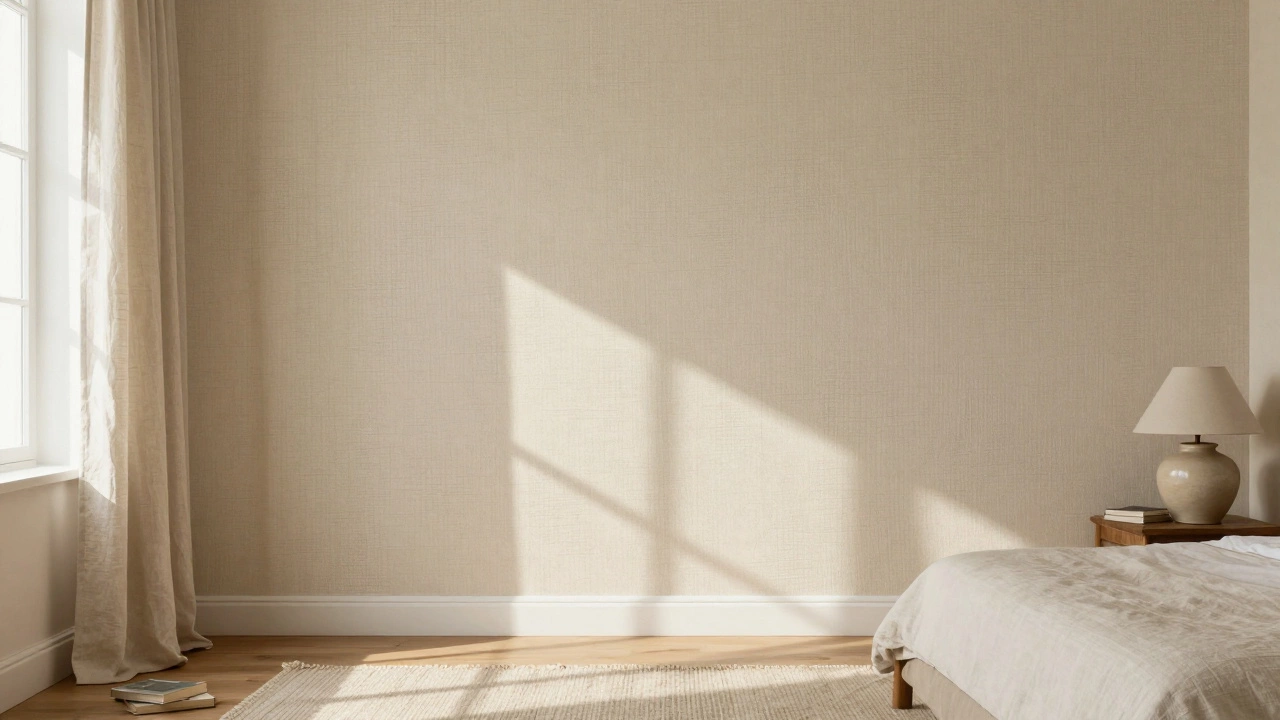
Grass cloth wallpaper is made from natural fibers like hemp, jute, bamboo, or sisal. These fibers are handwoven into thin sheets, then mounted onto a paper backing. The result? A surface that looks like it was stitched by hand centuries ago, with subtle variations in color and weave that make every roll unique. No two panels are identical. That’s not a defect-it’s the point.
Unlike mass-produced wallpapers that look flat under artificial light, grass cloth catches the sun differently throughout the day. In the morning, it glows softly. At dusk, it deepens into rich shadows. It doesn’t just cover a wall-it transforms how space feels.
Why It’s Still Popular in 2024
People are tired of sterile, all-white interiors. After years of minimalist trends that prioritized clean lines over comfort, homeowners are pulling back toward warmth and tactility. Grass cloth fits perfectly into this shift. It’s organic, earthy, and quietly luxurious.
In Melbourne, where weather shifts from crisp autumn to humid summer, grass cloth performs better than you’d expect. It’s breathable, so it doesn’t trap moisture like vinyl. It doesn’t peel at the edges when humidity rises. And unlike paint, which can look dull after a few years, grass cloth only gets more interesting with time.
Designers in Sydney and Brisbane are using it in bedrooms, powder rooms, and even home offices-not as an accent, but as the main feature. One client in Fitzroy replaced her entire living room wall with a soft beige grass cloth. She said it made the space feel like a retreat, not a room. That’s the magic.
How It Compares to Other Textured Wallpapers
There are plenty of textured wallpapers on the market now: linen-look vinyl, embossed paper, cork panels, even 3D foam tiles. But none of them feel like grass cloth.
Here’s how it stacks up:
| Material | Texture | Durability | Cost (per roll) | Installation Difficulty |
|---|---|---|---|---|
| Grass cloth | Natural, handwoven, uneven | Moderate-can tear if snagged | $80-$150 | High-requires professional hanging |
| Linen-look vinyl | Simulated, uniform | High-waterproof and scrubbable | $30-$70 | Low-peel-and-stick options available |
| Cork panels | Soft, bumpy, insulating | Moderate-prone to dents | $60-$120 | Medium-requires adhesive and cutting |
| Embossed paper | Flat, repetitive patterns | Low-easily damaged | $20-$50 | Low |
Grass cloth is the most expensive and hardest to install, but it’s also the only one that ages gracefully. Vinyl looks dated after five years. Grass cloth looks like it’s been there forever-and in a good way.
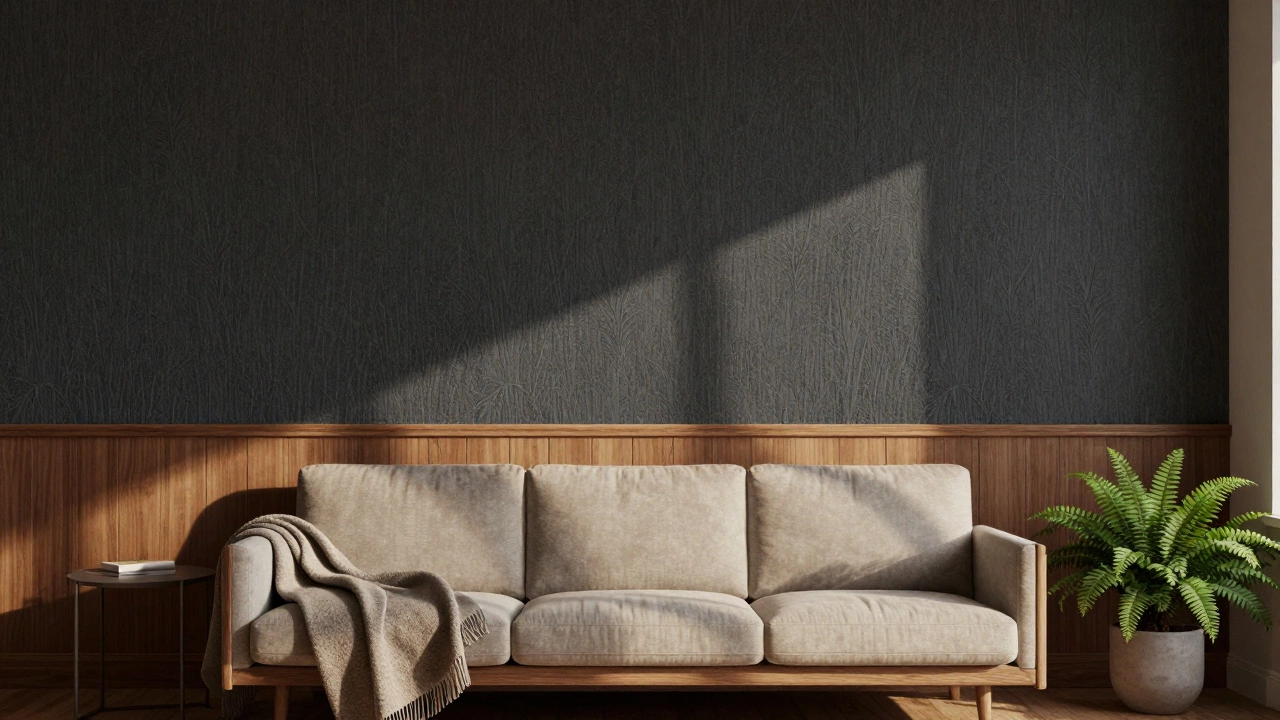
Where It Works Best (and Where It Doesn’t)
Not every room is a good fit. Grass cloth is beautiful, but it’s not indestructible.
- Best for: Bedrooms, living rooms, studies, dining rooms, entryways. Any space where you want to slow down and feel grounded.
- Avoid in: Bathrooms with heavy steam, kitchens with grease splatter, or high-traffic hallways where kids and pets are constantly brushing against it.
One homeowner in Carlton tried installing it in her ensuite bathroom. Within six months, the humidity caused the fibers to soften and lose their shape. She replaced it with a waterproof matte ceramic tile. Lesson learned: moisture is grass cloth’s enemy.
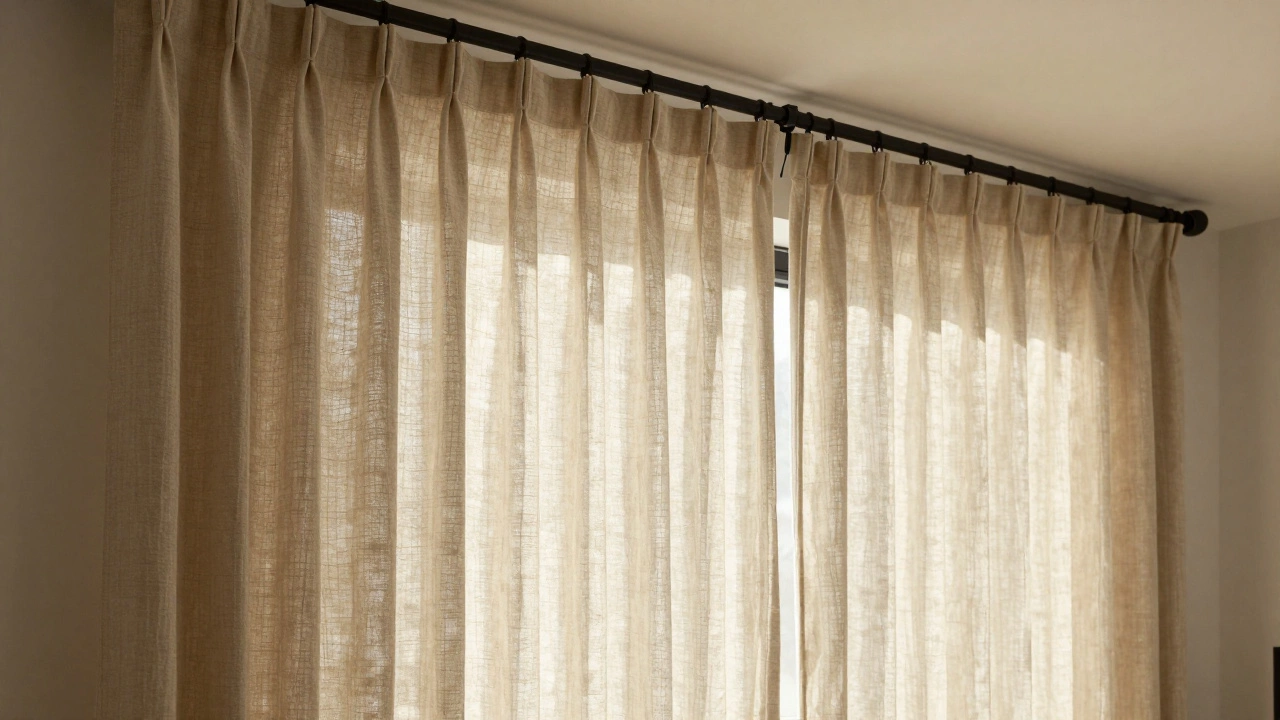
But in a quiet bedroom with good ventilation? It’s perfect. Pair it with linen curtains, a wool rug, and warm wood tones, and you’ve got a space that feels like a sanctuary.
Color and Pattern Trends in 2024
Grass cloth doesn’t come in bright colors. That’s not its job. The beauty is in its subtlety.
This year, the most popular tones are:
- Soft oatmeal and beige
- Warm greys with green undertones
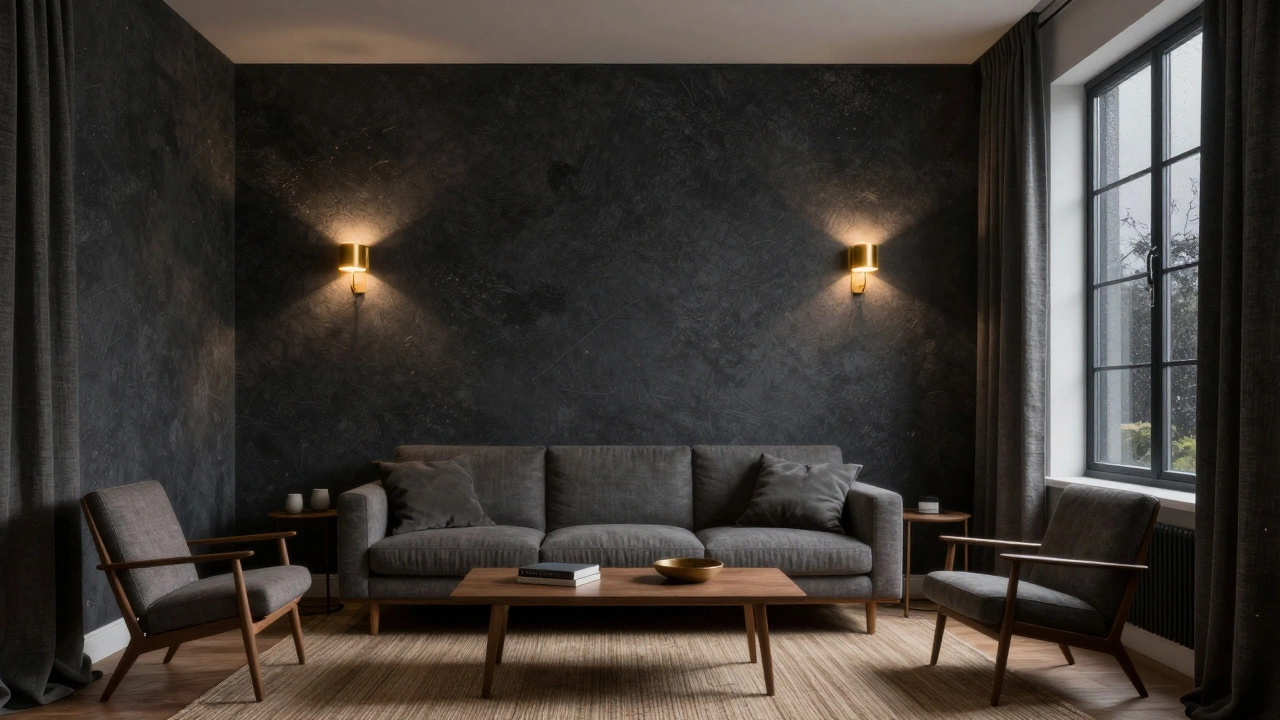
- Deep charcoal with natural fiber highlights
- Light cream with a hint of rust
Brands like Phillip Jeffries, de Gournay, and Farrow & Ball lead the market in natural tones. You won’t find neon green or electric blue grass cloth-because it doesn’t exist, and it shouldn’t. The trend isn’t about boldness. It’s about restraint.
Pattern-wise, the focus is on weave density. Tight weaves feel more refined. Looser weaves feel more rustic. Some designers mix two types on adjacent walls to create subtle contrast without clashing.
Installation Tips That Actually Matter
Installing grass cloth isn’t like hanging a poster. It’s delicate. Mistakes are expensive.
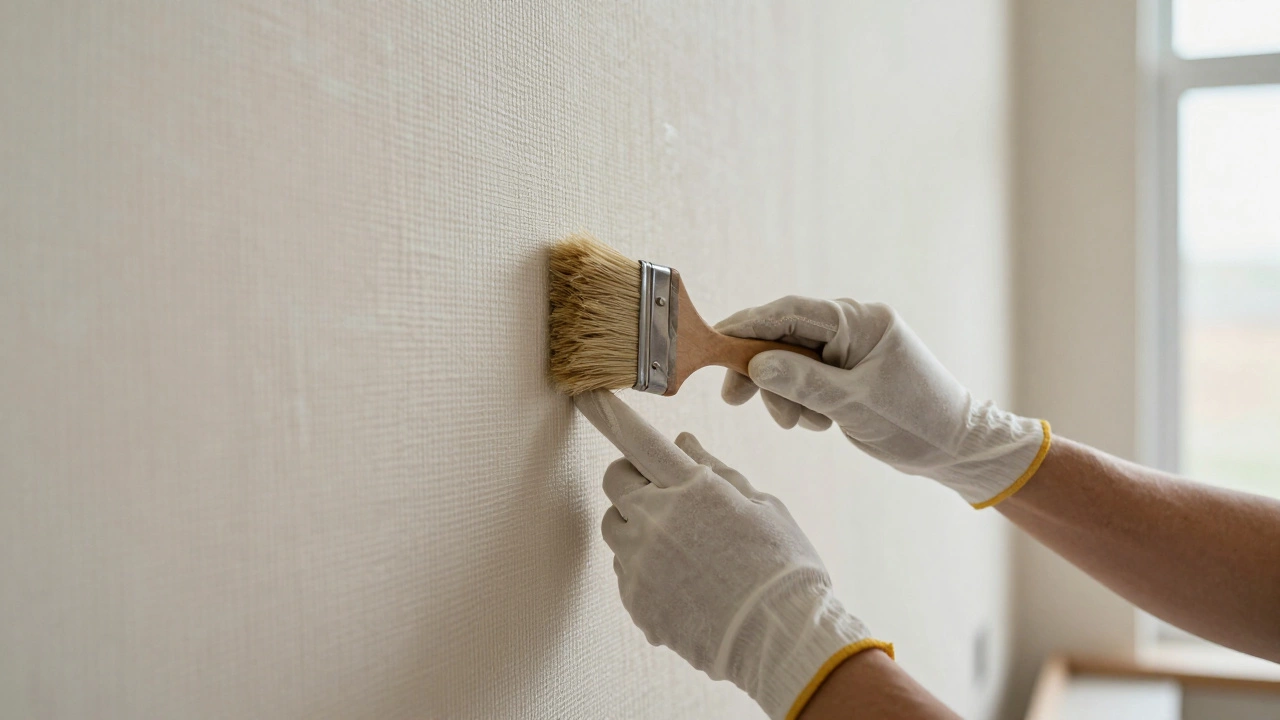
- Use professional installers. Most manufacturers won’t honor warranties unless it’s done by a certified installer. DIY videos look easy. They’re not.
- Prepare the wall perfectly. Any bump, crack, or imperfection will show through. Sand, prime, and seal with a high-quality wallpaper primer.
- Don’t use standard wallpaper paste. Use a specialized adhesive designed for natural fibers. Regular paste can stain or warp the material.
- Work in low humidity. Install on dry days. High moisture makes fibers swell and shrink unevenly.
- Overlap seams slightly. Unlike vinyl, grass cloth needs a small overlap (1/8 inch) to hide the edge. Trim after drying.
One Melbourne installer told me he’s turned down three jobs this year because the walls weren’t ready. He said, “If you’re not willing to do it right, don’t do it at all.”
Cost and Value
Yes, grass cloth is expensive. A single roll can cost as much as $150. A whole living room might run $1,200-$2,500 including labor.
But here’s what most people don’t realize: it lasts. Unlike paint that needs repainting every 5-7 years, or vinyl that peels and yellows, grass cloth holds its integrity for 15-20 years if cared for. It doesn’t fade. It doesn’t crack. It just gets richer.
Think of it like buying a wool suit instead of polyester. You pay more upfront, but you wear it longer. And it looks better every time you put it on.
Alternatives If Grass Cloth Isn’t Right for You
If the cost or maintenance feels too high, here are three realistic alternatives that capture the same vibe:
- Linen-look vinyl: Mimics the texture of natural fiber but is washable and cheaper. Brands like Brewster and Graham & Brown offer convincing versions.
- Hand-painted murals with organic textures: Artists can replicate the feel of grass cloth with paint and sponges. More expensive than wallpaper, but completely custom.
- Wood veneer panels: Thin slices of reclaimed timber mounted on the wall. Adds warmth and grain without the fiber fragility.
None of these have the soul of real grass cloth. But they’re smart compromises.
Final Verdict: Still In Style?
Yes. Grass cloth wallpaper isn’t trending because it’s flashy. It’s enduring because it’s honest. It doesn’t pretend to be something it’s not. It’s raw, quiet, and deeply human.
If you’re looking for a wall that feels alive-not just decorated-then grass cloth is still one of the best choices in 2024. Just be ready to invest in the installation, care for it gently, and accept that it won’t look perfect. And that’s exactly why it’s perfect.
Is grass cloth wallpaper hard to clean?
Grass cloth isn’t meant to be cleaned like vinyl or paint. You can lightly dust it with a soft brush or vacuum using the upholstery attachment. Never use water, wipes, or cleaning sprays. Spots are usually permanent, so it’s best suited for low-traffic, low-mess areas.
Can grass cloth wallpaper be used in a rental property?
It’s not ideal. Most landlords won’t allow permanent wall treatments, and removing grass cloth can damage drywall. If you’re renting, consider removable linen-look vinyl instead. It gives the same texture without the commitment.
Does grass cloth wallpaper fade in sunlight?
Yes, over time. Natural fibers are sensitive to UV light. If your room gets direct sun, choose darker tones like charcoal or deep beige-they hold color better than light cream. Curtains or blinds help protect it.
How long does grass cloth wallpaper last?
With proper installation and care, grass cloth can last 15 to 20 years. It doesn’t peel or crack like vinyl. It may soften slightly with age, but that adds character rather than damage. Many homes from the 1990s still have original grass cloth walls today.
Is grass cloth wallpaper eco-friendly?
Yes, compared to synthetic wallpapers. It’s made from renewable plant fibers, uses minimal chemicals in production, and is biodegradable. Look for brands that use water-based dyes and FSC-certified backing for the most sustainable option.