Foundation Repair Cost & DIY Feasibility Estimator
Select the type of foundation work you're considering to see estimated costs (AUD) and whether it's safe to attempt yourself.
Select a task on the left to view details.
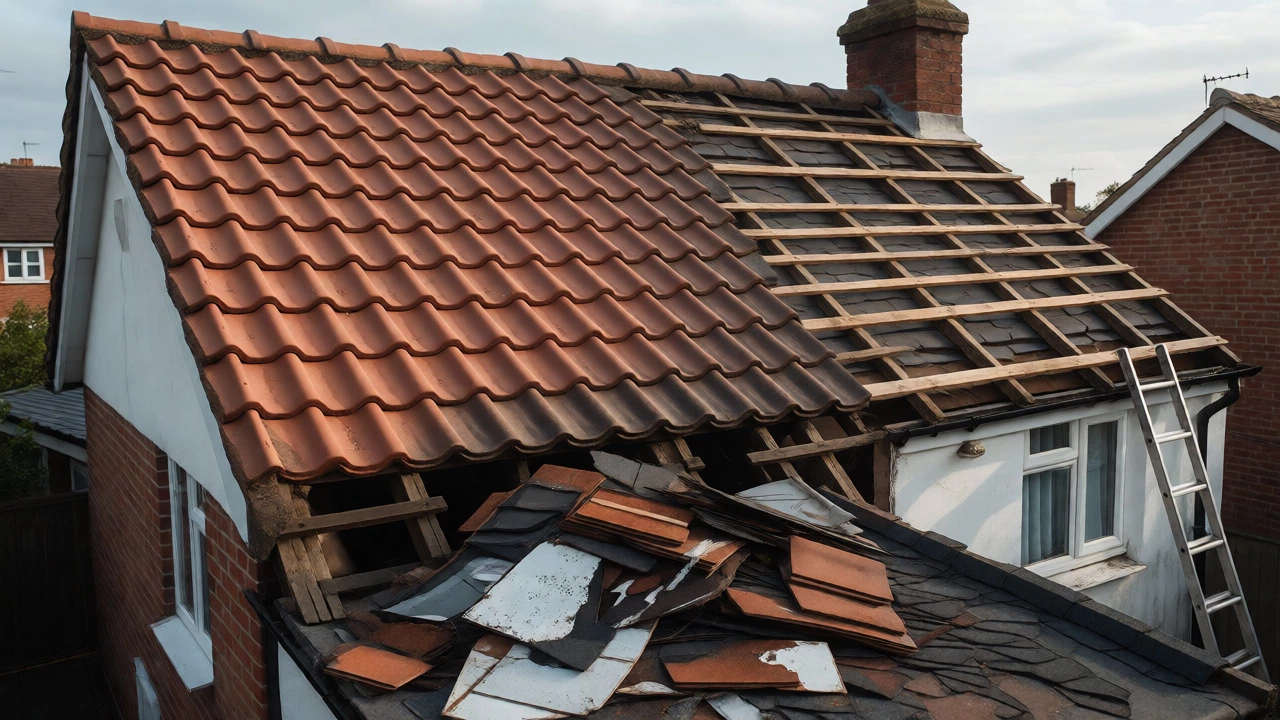
Walking across your living room floor and feeling a distinct dip underfoot is unsettling. It’s the kind of sensation that makes you wonder if the house is sinking into the earth. Before you panic or immediately call a contractor for a six-figure quote, you might be asking: can I repair foundation myself? The short answer is yes, but only for specific, limited problems. For major structural shifts, it’s a dangerous gamble. Understanding where the line lies between a weekend DIY project and a professional job is the key to saving money without destroying your home.
The Reality of DIY Foundation Work
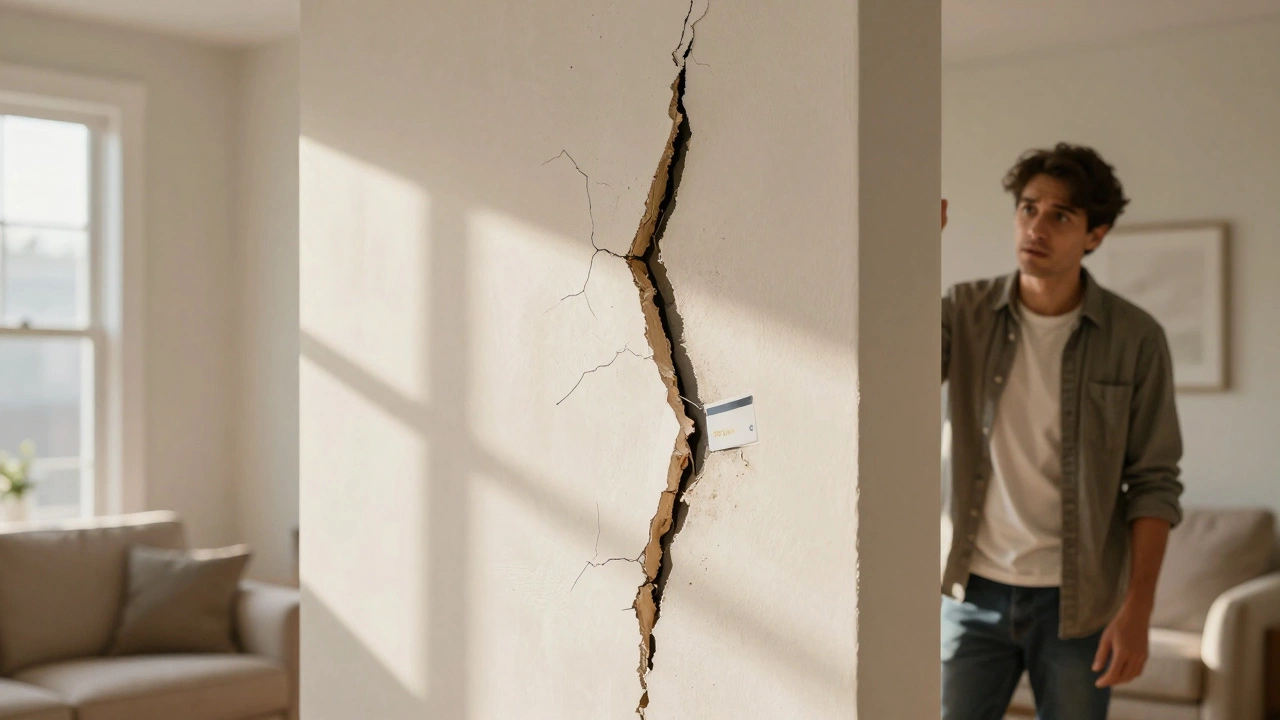
Most homeowners confuse cosmetic cracks with structural failure. A hairline crack in a drywall ceiling or a small gap at the baseboard is usually caused by seasonal settling or minor moisture changes. These are perfect candidates for DIY fixes. However, when we talk about actual foundation repair is the process of stabilizing or raising a building's base to prevent further movement or water intrusion. This involves heavy machinery, precise measurement, and an understanding of soil mechanics.
In Melbourne, our clay soils are notorious for expanding when wet and shrinking when dry. This cycle puts immense pressure on foundations. If you’ve noticed doors sticking, windows not closing properly, or visible steps between rooms, the issue has likely moved beyond simple patching. You need to assess whether the problem is surface-level or deep-rooted.
What You Can Fix Yourself
There are three main areas where DIY intervention is safe and effective:
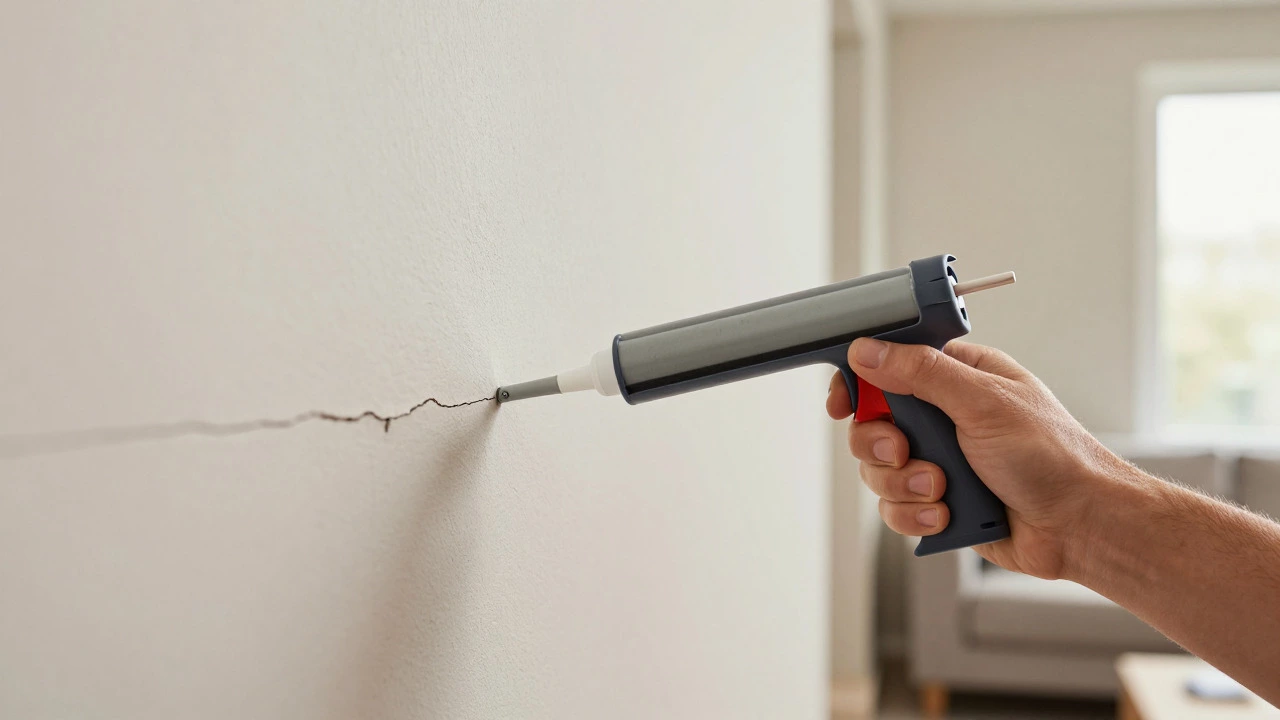
- Cosmetic Crack Filling: Small cracks (less than 1/8 inch wide) in interior walls or slabs can be filled with polyurethane or epoxy sealant. This stops air and minor moisture leaks but doesn’t fix structural movement.
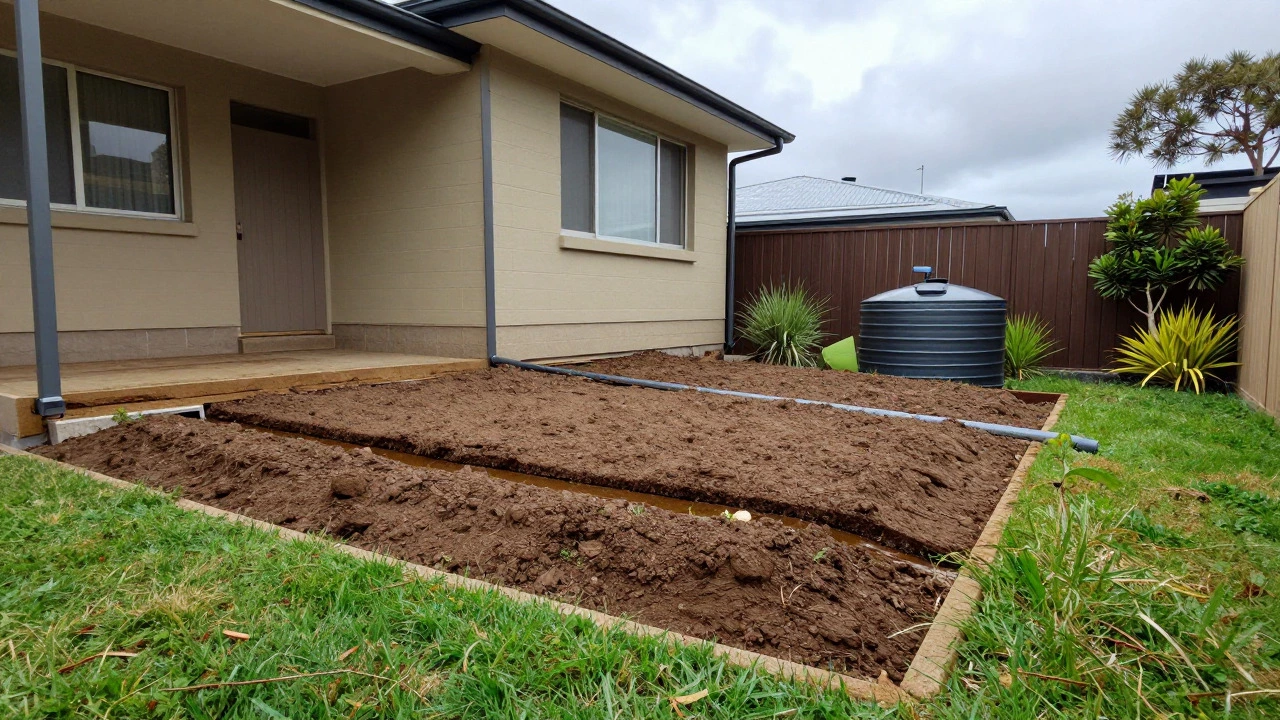
- Drainage Improvement: Many foundation issues start with poor water management. Installing or cleaning gutters, extending downspouts away from the house, and grading the yard to slope away from the foundation are low-cost, high-impact DIY tasks.
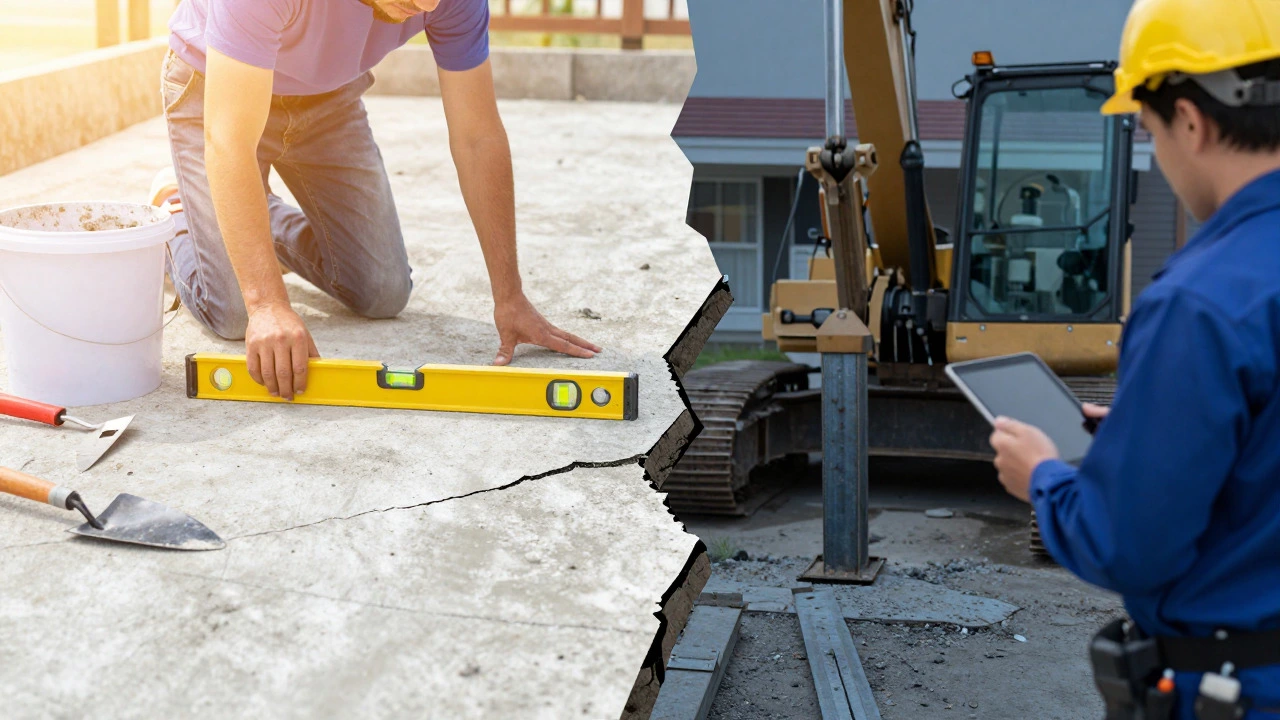
- Patching Surface Concrete: If a section of your driveway or patio attached to the foundation has spalled or crumbled, you can chisel out the loose material and pour new concrete. This requires basic masonry skills but no heavy equipment.
These tasks address symptoms, not causes. They are maintenance, not true foundation repair. But they are essential first steps before considering more invasive options.
When DIY Becomes Dangerous
Attempting to level a sunken slab or brace a bowed basement wall without professional guidance is where things go wrong. Slab jacking, also known as mudjacking or polyjacking, involves pumping grout or polyurethane foam under a concrete slab to lift it back to grade. While some companies offer “do-it-yourself” kits, the risk is significant.
If you don’t know the exact depth of the void beneath the slab, you could over-inject material, causing the slab to pop up unevenly or even crack further. In Melbourne’s variable climate, incorrect injection can trap moisture against the concrete, leading to mold growth inside your home. Professional contractors use ground-penetrating radar to map voids accurately. Doing this blind is a recipe for disaster.
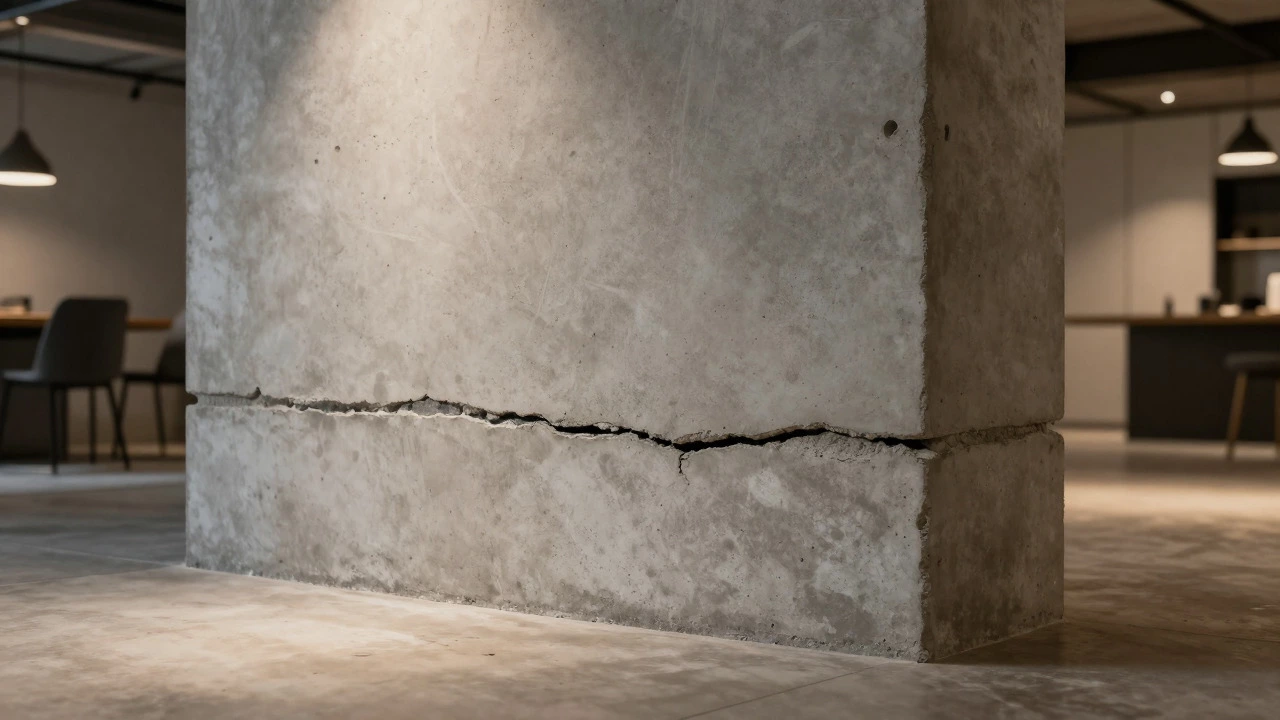
Similarly, repairing a cracked foundation wall often requires carbon fiber straps or steel beams. Installing these correctly requires drilling into reinforced concrete and ensuring the adhesive cures under proper tension. One missed bolt or poorly drilled hole can compromise the entire support system. This is not a task for someone who hasn’t worked with structural engineering principles.
Cost Comparison: DIY vs. Professional
Let’s look at the numbers. A typical DIY polyurethane injection kit costs around $500-$800 AUD for materials. Labor is your time, which could take a full weekend. However, if you make a mistake, the cost to fix it professionally will far exceed the initial savings.
Professional foundation repair in Melbourne varies widely. Minor crack sealing might cost $300-$600 per linear meter. Slab jacking ranges from $500 to $1,500 per point depending on access and soil conditions. Full piering systems, where steel piers are driven into stable soil, can range from $3,000 to $10,000+ for a single zone.
| Task | DIY Feasibility | Estimated Cost (AUD) | Risk Level |
|---|---|---|---|
| Interior crack filling | High | $50 - $150 | Low |
| Exterior drainage grading | Medium | $200 - $500 | Low |
| Slab jacking (small area) | Low | $500 - $800 (materials) | High |
| Wall bracing | Very Low | $1,500+ (materials) | Very High |
| Full piering system | None | $3,000 - $10,000+ | N/A (Pro Only) |
Signs You Need a Professional
Don’t wait until the roof sags. Look for these red flags that indicate professional intervention is necessary:
- Horizontal Cracks: Vertical cracks are common; horizontal ones suggest lateral pressure from soil pushing against the wall.
- Stair-step Cracks in Brickwork: These follow mortar lines and indicate differential settlement between different parts of the structure.
- Gaps Around Windows and Doors: If frames are distorted, the surrounding structure is moving.
- Water Intrusion: Persistent dampness in basements or crawl spaces points to hydrostatic pressure issues that require drainage solutions like French drains or sump pumps.
In these cases, hiring a licensed structural engineer to assess the damage is worth every dollar. They can tell you if the movement is active or has stabilized. Active movement means you need immediate stabilization; stabilized movement might only require monitoring and cosmetic repairs.
Local Considerations for Melbourne Homeowners
Melbourne’s unique geology plays a huge role in foundation health. The city sits on a mix of sandstone, limestone, and expansive clays. Homes built on clay are particularly vulnerable during droughts and wet seasons. If you live in an area like the western suburbs or outer northern regions, check your local council’s planning permit requirements. Some major foundation repairs may require permits, especially if you’re altering load-bearing elements or installing external drainage systems that affect neighboring properties.
Also, consider the age of your home. Older Victorian-era homes have different foundation types than modern builds. They often rely on timber piles rather than concrete slabs, which change the repair approach entirely. A DIY solution that works for a 1990s brick veneer home might fail completely on a 1900s weatherboard house.
Frequently Asked Questions
Is it safe to fill foundation cracks with caulk?
Yes, for hairline cracks less than 1/8 inch wide. Use a flexible polyurethane sealant designed for concrete. Avoid rigid cement-based fillers for active cracks, as they will crack again when the foundation moves. Caulking is a temporary fix for cosmetic issues, not a structural solution.
How much does it cost to level a concrete slab in Australia?
Professional slab jacking typically costs between $500 and $1,500 per injection point. The total cost depends on the size of the area, accessibility, and the type of material used (polyurethane foam is more expensive than cement grout but lasts longer). Always get multiple quotes from licensed contractors.
Do I need a permit to repair my foundation in Melbourne?
It depends on the scope of work. Simple crack sealing or drainage improvements usually don’t require a permit. However, adding new piers, underpinning, or significantly altering the structural load path may require a building permit from your local council. Check with your local municipality before starting major work.
Can foundation repair increase home value?
Yes, stabilizing a foundation can protect or even increase property value. Buyers are wary of houses with known structural issues. A completed repair with documentation from a structural engineer provides peace of mind and can justify a higher sale price compared to a similar home with unresolved foundation concerns.
What is the difference between mudjacking and polyjacking?
Mudjacking uses a mixture of water, soil, and cement pumped under the slab. It’s cheaper but heavier and can add weight to the soil. Polyjacking uses expanding polyurethane foam, which is lighter, dries faster, and resists moisture better. Polyjacking is generally preferred for modern applications due to its precision and long-term stability.