Find Your Perfect Interior Designer Match
Select the options that best describe your ideal space or project below to see which industry leader matches your vision.
There’s no single scoreboard for creativity. If you search for "who is the no 1 interior designer in the world," you won’t find a definitive winner because design isn’t a sport with clear metrics like goals or points. It’s subjective. However, if we look at influence, brand value, and impact on global luxury standards, a few names consistently rise to the top. You might expect Kelly Wearstler or Peter Marino to be the sole answer, but the reality is more nuanced. The "number one" title often shifts depending on whether you value commercial dominance, artistic innovation, or residential prestige.
This article breaks down who currently holds the crown in various categories of luxury interiors. We’ll look at the designers shaping our homes today, not just those from history books. You’ll learn why certain firms dominate headlines, how they define their styles, and what makes them stand out in a crowded market. Whether you’re looking for inspiration for your Melbourne apartment or just curious about industry giants, this guide cuts through the noise.
The Problem with Ranking Creativity
Why is there no official number one? Because interior design splits into distinct sectors that don’t compete directly. A hotel lobby designer doesn’t necessarily excel at designing cozy family homes. When people ask for the top designer, they usually mean one of three things:
- Commercial Influence: Who designs the most recognizable hotels and stores?
- Residential Prestige: Whose private clients pay the highest fees for exclusivity?
- Cultural Impact: Who changes how we think about space and materials?
Peter Marino, for example, dominates the retail sector. His work for Louis Vuitton and Chanel defines luxury shopping experiences globally. But if you asked him to design a rustic farmhouse in Tuscany, he might not be your first choice. That role belongs to someone like Axel Vervoordt, known for his wabi-sabi aesthetic. Understanding these distinctions helps you identify which "top" designer actually aligns with your needs.
Peter Marino: The King of Retail Luxury
Peter Marino is widely considered the most influential interior architect in the world. He is an American interior architect and designer known for creating immersive retail environments and private residences. Since founding his firm in 1986, Marino has designed flagship stores for nearly every major luxury brand, including Apple, Dior, and Tiffany & Co.
What makes Marino number one in commercial design? It’s his ability to blend art with architecture. He doesn’t just decorate spaces; he curates experiences. His projects often feature custom artworks by contemporary artists, integrated lighting systems, and bespoke materials that feel expensive without being flashy. For instance, his recent renovation of the New York Times Building atrium showcases his mastery of scale and light. If you walk into a high-end boutique today, there’s a good chance you’re standing in a space influenced by his philosophy.
Marino’s approach teaches us that luxury isn’t about gold leaf everywhere. It’s about precision. Every seam, every shadow, and every material choice serves a purpose. This level of detail commands premium fees, making him one of the highest-paid designers in the industry. His work proves that consistency across global locations creates brand identity.
Axel Vervoordt: The Master of Timeless Residential Spaces
Axel Vervoordt represents the pinnacle of residential luxury. He is a Belgian interior designer, antiques dealer, and author renowned for his minimalist, wabi-sabi-inspired interiors. Based in Antwerp, Vervoordt has been shaping high-end homes for over four decades.
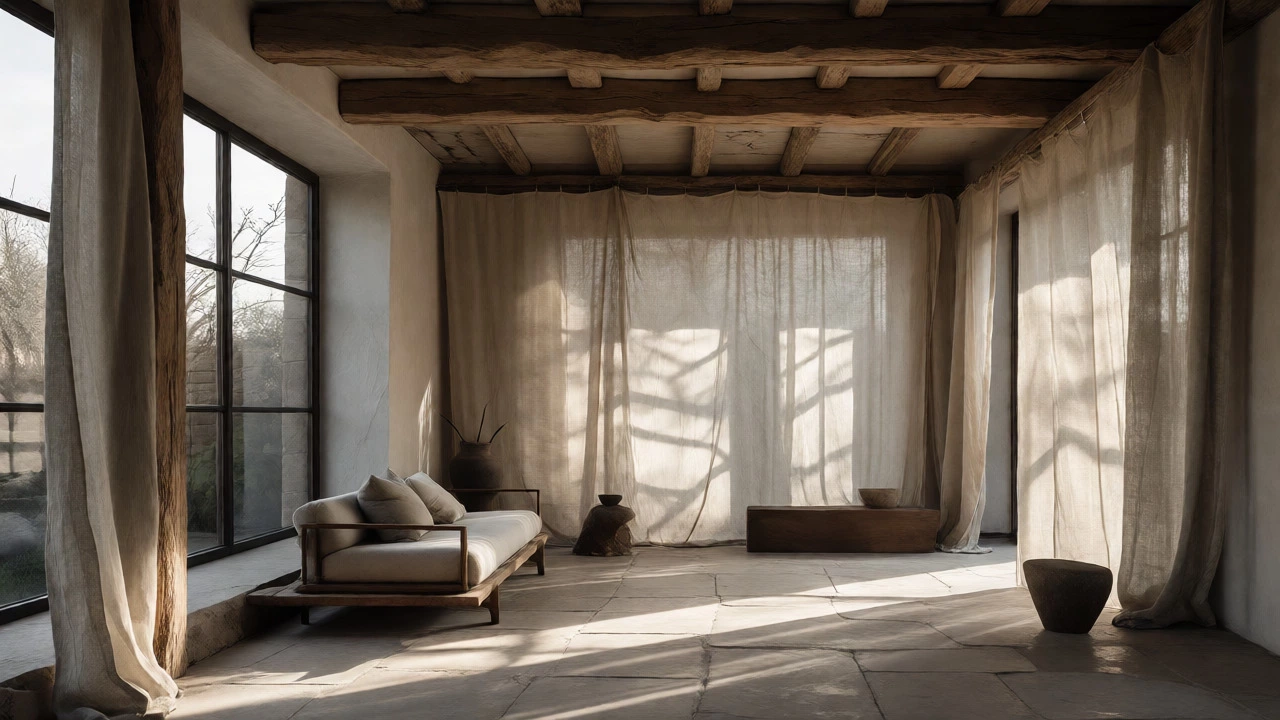
While Marino rules retail, Vervoordt owns the conversation around serene, soulful living. His style avoids trends. Instead, it focuses on natural materials, imperfect textures, and a sense of calm. Think raw wood, linen, stone, and earth tones. His book, Tao, became a bible for designers seeking balance. Celebrities like Kanye West and Jay-Z have hired him to create sanctuaries away from city chaos.
Vervoordt’s influence extends beyond individual homes. He popularized the idea that empty space is as valuable as filled space. In an era of clutter, his advocacy for minimalism resonates deeply. If you want a home that feels like a retreat rather than a showroom, Vervoordt is arguably your number one choice. His work demonstrates that true luxury is quiet.
Kelly Wearstler: The Bold Face of Modern Luxury
Kelly Wearstler is perhaps the most visible name in modern interior design. She is an American interior designer and entrepreneur known for her eclectic, bold, and luxurious style. Her firm, Kelly Wearstler Interior Design (KWID), operates globally, handling everything from boutique hotels to private estates.
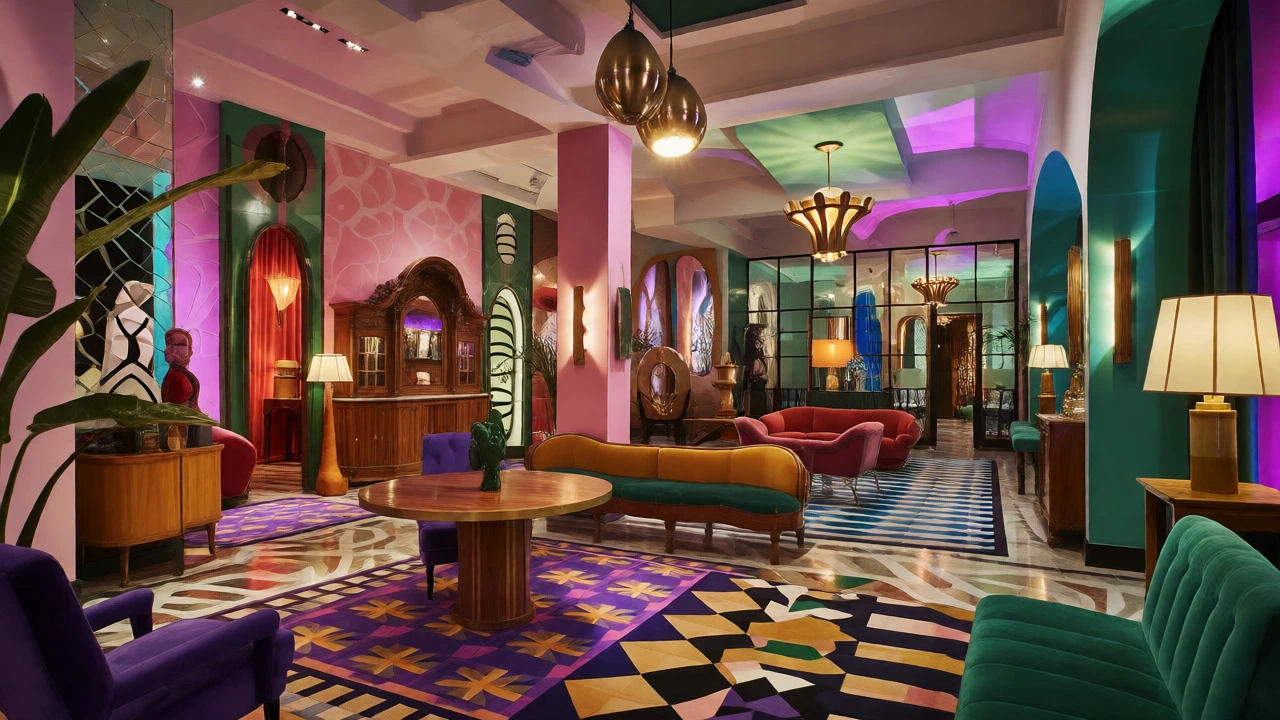
Wearstler differs from Vervoordt’s subtlety. Her style is loud, colorful, and unapologetic. She mixes vintage finds with contemporary art, metallic finishes with organic shapes. Projects like the Viceroy Santa Monica and the Proper Hotel in Los Angeles put her on the map. She understands branding better than most designers, turning her personal aesthetic into a lifestyle empire.
Is she the number one? In terms of media presence and commercial viability, yes. She bridges the gap between high art and accessible luxury. Her collaborations with brands like Crate & Barrel bring her aesthetic to mass markets. For homeowners wanting drama and personality, Wearstler offers a blueprint for confident decorating. She shows that rules are meant to be broken if the result feels cohesive.
Yabu Pushelberg: The Architects of Experience
Yabu Pushelberg is a Toronto-based design studio founded by George Yabu and Glenn Pushelberg. They are internationally recognized architects and designers specializing in hospitality, residential, and retail spaces.
Yabu Pushelberg occupies a unique niche. They blur the lines between architecture and interior design. Their work on the Four Seasons hotels worldwide sets the standard for hospitality design. They focus on flow, light, and human interaction within spaces. Unlike some designers who impose a heavy signature, Yabu Pushelberg adapts to the context while maintaining a refined elegance.
Their strength lies in storytelling. Each project tells a narrative through materials and layout. For example, their work on the Aman Tokyo uses traditional Japanese elements interpreted through a modern lens. This cultural sensitivity makes them favorites for global brands entering new markets. If you value spatial harmony and understated sophistication, they rank highly among the elite.
How to Choose Your "Number One" Designer
Since there’s no objective winner, you need criteria to evaluate who fits your vision. Use this table to compare the top contenders based on key attributes.
| Designer/Firm | Primary Focus | Signature Style | Best For |
|---|---|---|---|
| Peter Marino | Retail & Commercial | Art-integrated, precise, monumental | Flagship stores, corporate HQs |
| Axel Vervoordt | Residential & Heritage | Wabi-sabi, minimalist, natural | Private villas, spiritual retreats |
| Kelly Wearstler | Hospitality & Lifestyle | Bold, eclectic, glamorous | Boutique hotels, statement homes |
| Yabu Pushelberg | Hospitality & Architecture | Serene, contextual, fluid | Luxury resorts, urban condos |
| India Mahdavi | Hospitality & Color | Monochromatic, vibrant, playful | Restaurants, creative offices |
Notice how each entity serves a different job-to-be-done. If you own a fashion brand, Marino is your logical partner. If you’re building a zen garden home, Vervoordt leads. Wearstler suits those who want social media-worthy spaces. Yabu Pushelberg works best when architecture and interiors must merge seamlessly.
Emerging Forces Challenging the Status Quo
The landscape is shifting. While the names above hold historical weight, newer players are gaining traction. India Mahdavi, for instance, has become synonymous with color blocking. Her pastel hues and curved forms define many modern Instagram-friendly cafes and hotels. She challenges the notion that luxury must be neutral.
Another rising star is Studio McGee, led by Shea McGee. Though less "high-art" than Vervoordt, her influence on mainstream American home decor is massive. She democratizes design principles, making them accessible to middle-income buyers. This shift indicates that the "number one" spot may soon depend on digital reach and relatability, not just exclusive commissions.
In Australia, local talent like Simone Haag and David Hicks (UK-based but influential here) shape regional tastes. While they may not headline global lists like Fortune 500 companies do, their impact on local property values and client satisfaction is profound. Don’t overlook regional leaders; they often understand local climate and culture better than global giants.
What Makes a Designer Truly Elite?
It’s not just about pretty rooms. The top tier shares common traits:
- Material Mastery: They know stone, wood, and fabric properties inside out. They can specify a marble slab that won’t stain or a textile that withstands sunlight.
- Project Management: Large-scale projects involve hundreds of vendors. Elite designers coordinate logistics flawlessly.
- Art Curation: They source original artwork, adding intellectual depth to spaces.
- Client Psychology: They listen more than they talk. They translate vague desires into concrete realities.
These skills justify their fees. You’re paying for risk mitigation and expertise. A bad design decision can cost thousands in rework. A great designer saves money by getting it right the first time.
Frequently Asked Questions
Is there an official ranking for interior designers?
No, there is no single official governing body that ranks interior designers numerically. Rankings vary by publication (like Architectural Digest, Elle Decor, or Business of Fashion) and depend on criteria such as revenue, awards, or press coverage. Most lists are editorial opinions rather than factual standings.
Who is the richest interior designer in the world?
Determining exact net worth is difficult due to private holdings, but Peter Marino and Kelly Wearstler are often cited among the wealthiest. Their wealth comes from diversified portfolios including product lines, real estate developments, and high-value commercial contracts, not just hourly design fees.
Do I need a famous designer for my home?
Not necessarily. Famous designers command premium fees and long lead times. Many talented local designers offer personalized service and deep knowledge of local suppliers. Choose a designer whose portfolio matches your aesthetic and budget, regardless of fame.
What is the difference between an interior designer and an interior decorator?
An interior designer typically has formal education and training in spatial planning, building codes, and structural changes. An interior decorator focuses on aesthetics, furnishings, and accessories. Top-tier professionals like Peter Marino often perform both roles, integrating architectural modifications with decorative finishes.
Which designer is best for small apartments?
For small spaces, designers who specialize in multifunctional layouts and light manipulation are ideal. Yabu Pushelberg’s approach to spatial flow and Axel Vervoordt’s use of negative space can inspire small-home strategies. Look for designers with a strong portfolio of compact urban projects.
Next Steps for Your Project
If you’re inspired by these global icons, start by defining your own "number one" criteria. Do you crave the drama of Wearstler or the peace of Vervoordt? Collect images that resonate with you. Then, interview local designers who demonstrate similar sensibilities. Ask them how they handle material sourcing and timeline management. The best designer for you is the one who listens, adapts, and delivers within your constraints. Fame fades, but a well-designed home endures.