Luxury Interior Style Evaluator
Discover if your space embodies the pillars of true luxury. Answer these questions to receive a personalized assessment and actionable tips to elevate your environment without breaking the bank.
Fill out the form and click "Evaluate My Space" to see your results.
You walk into a room and immediately feel the weight of it. Not in a heavy, oppressive way, but in a sense of presence. The air feels stiller. The light hits surfaces differently. You know instantly that this isn't just "nice"-it's luxury interior style. But what actually makes a space feel luxurious? Is it the price tag on the sofa? The marble floors? Or something more subtle?
Here’s the truth: luxury isn’t about throwing money at a problem. It’s about intentionality. It’s about quality over quantity, craftsmanship over trends, and comfort over showiness. If you’ve ever wondered how designers create those breathtaking spaces in magazines or five-star hotels, you’re asking the right question. Let’s break down what luxury interior style really means, how to spot it, and how to bring a touch of it into your own home without needing a millionaire’s budget.
Defining Luxury Beyond the Price Tag
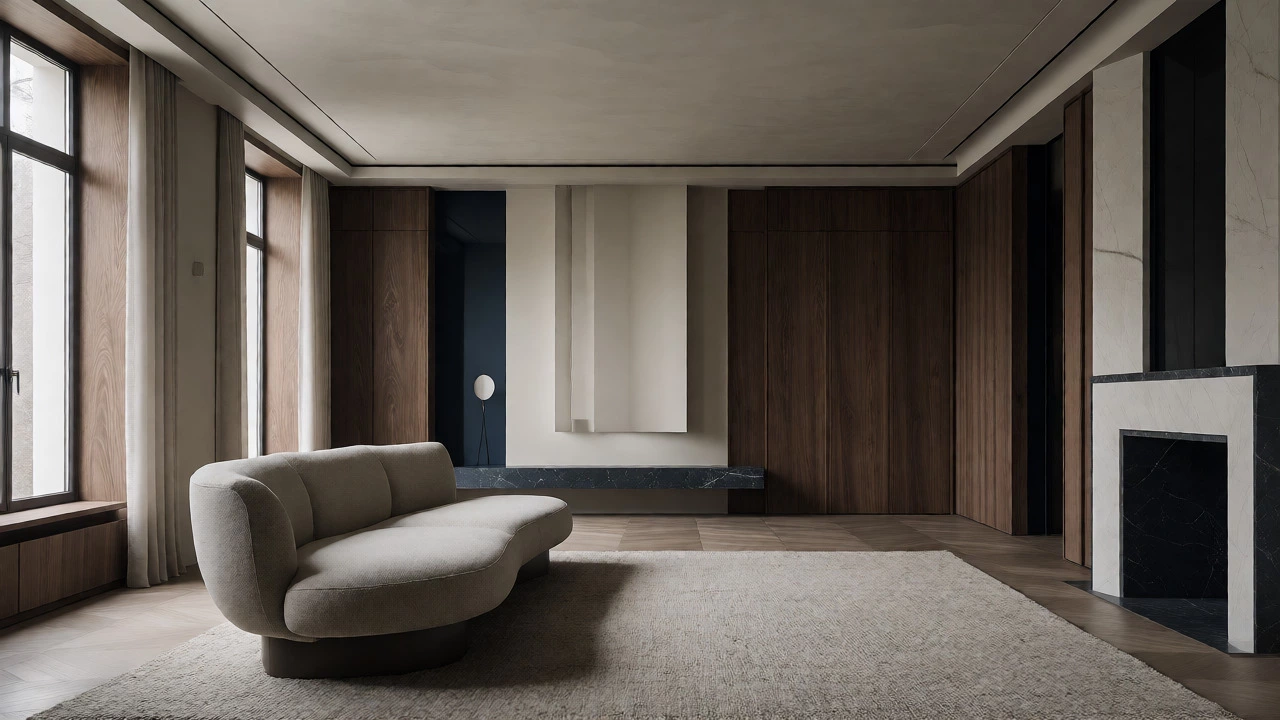
Luxury interior style is a design philosophy that prioritizes exceptional quality, timeless aesthetics, and personalized comfort. Unlike minimalism, which strips things back, or maximalism, which layers them up, luxury sits in a unique lane. It’s curated. Every object in a luxury space has earned its place. There’s no clutter, but there’s also no sterility.
Think about the difference between a fast-fashion jacket and a bespoke suit. Both keep you warm. One falls apart after two seasons; the other lasts decades and gets better with age. Luxury interiors work the same way. They rely on materials that age gracefully and designs that don’t scream for attention. This approach often draws from Art Deco, Neoclassical, and modern contemporary styles, blending them into something cohesive.
A key marker of luxury is silence. Not literal silence, but visual quietness. In a poorly designed room, everything shouts. Bright colors clash. Patterns compete. Furniture looks mismatched. In a luxury space, there’s harmony. The eye moves smoothly across the room because nothing is fighting for dominance. This balance is achieved through careful planning, not luck.
The Pillars of High-End Design
To understand luxury, you need to look at its building blocks. These aren’t just decorative choices; they are fundamental principles that separate high-end design from standard decorating.
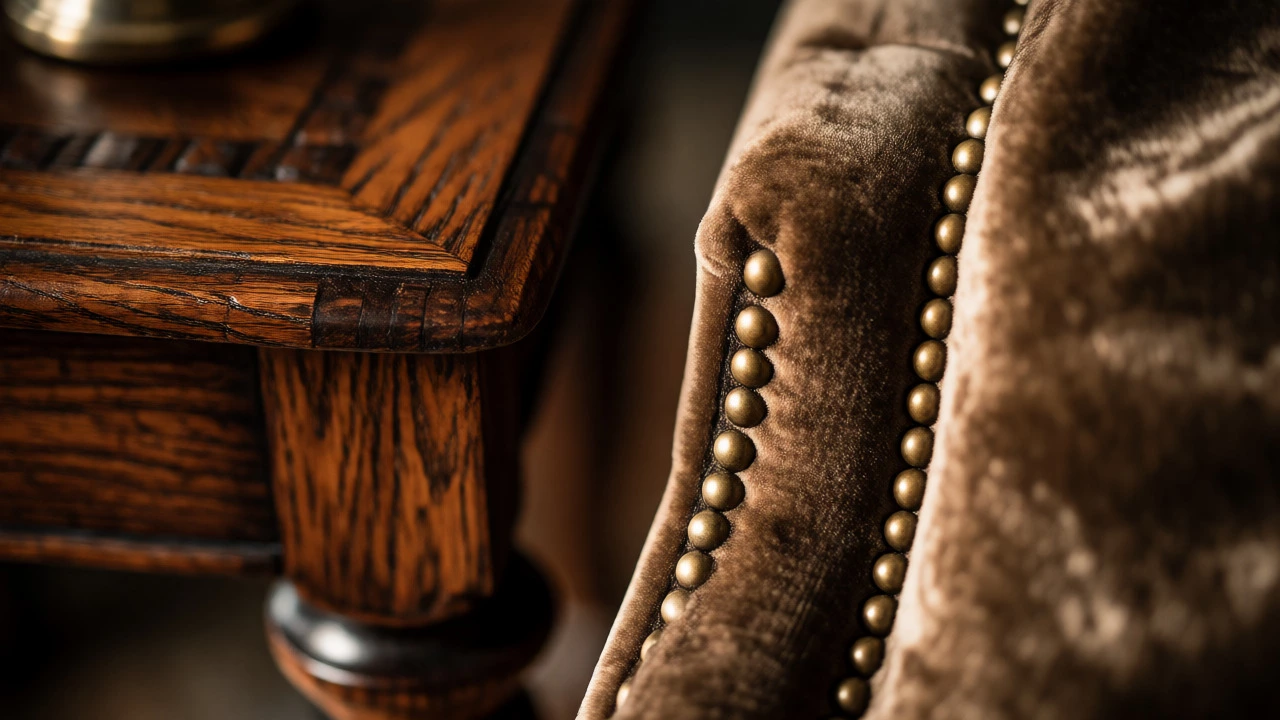
- Material Integrity: Real wood, genuine stone, solid brass, silk, wool, and leather. Luxury avoids veneers and plastics unless they are indistinguishable from the real thing. If it’s marble, it’s natural stone with unique veining, not a printed tile.
- Craftsmanship: How is the piece made? Hand-stitched upholstery, dovetailed joinery in cabinets, and hand-painted tiles all signal care. Mass-produced items lack these nuances.
- Proportion and Scale: Luxury spaces respect architecture. Furniture is sized correctly for the room. Too small, and it looks cheap; too big, and it feels cramped. Proper scale creates a sense of ease.
- Lighting Layers: Overhead lighting alone is rarely enough. Luxury interiors use ambient, task, and accent lighting to create mood. Dimmers are standard, allowing the atmosphere to shift throughout the day.
Notice that none of these pillars mention brand names. You can buy a $50,000 chair that looks cheap if it’s poorly proportioned. Conversely, a well-made, mid-range piece can look luxurious if it fits the space perfectly. This is where expertise comes in. Knowing what to look for matters more than knowing what to spend.
Common Misconceptions About Luxury Interiors
Many people confuse luxury with opulence. Opulence is flashy. Think gold leaf everywhere, crystal chandeliers dripping from every ceiling, and bold patterns clashing for effect. While opulence can be part of luxury, true luxury is often understated. It’s the difference between wearing a logo-covered t-shirt and a perfectly cut cashmere sweater with no visible branding.
| Feature | Luxury Style | Opulent Style |
|---|---|---|
| Focus | Quality and longevity | Visual impact and status |
| Materials | Natural, tactile, durable | Shiny, decorative, sometimes synthetic |
| Color Palette | Neutral, muted, sophisticated | Bold, metallic, high contrast |
| Lifespan | Timeless (10+ years) | Trend-dependent (3-5 years) |
Another myth is that luxury requires a large home. Small apartments can absolutely embody luxury interior style. In fact, smaller spaces often make luxury easier to achieve because you can focus on detail. A compact bathroom with heated floors, a rain shower, and high-quality fixtures feels far more luxurious than a sprawling mansion with builder-grade finishes.
How to Spot Authentic Quality
If you’re shopping for furniture or planning a renovation, how do you tell if something is truly high-end? Start by touching it. Luxury invites interaction. Run your hand along the edge of a table. Is it smooth? Are the joints tight? Press into the cushion of a sofa. Does it spring back slowly and firmly, or does it collapse?
Look at the details. Check the underside of tables and chairs. Cheap furniture often hides rough edges and exposed staples underneath. High-end pieces are finished beautifully even where you don’t see them. Why? Because the maker takes pride in the entire object, not just the display side.
Pay attention to textiles. In luxury interiors, fabrics are chosen for texture as much as color. Velvet, bouclé, linen, and wool add depth. Synthetic blends might look similar in photos, but they lack the drape and warmth of natural fibers. When you sit on a velvet chair, it should feel rich against your skin, not sticky or static-prone.
Creating Luxury on a Budget
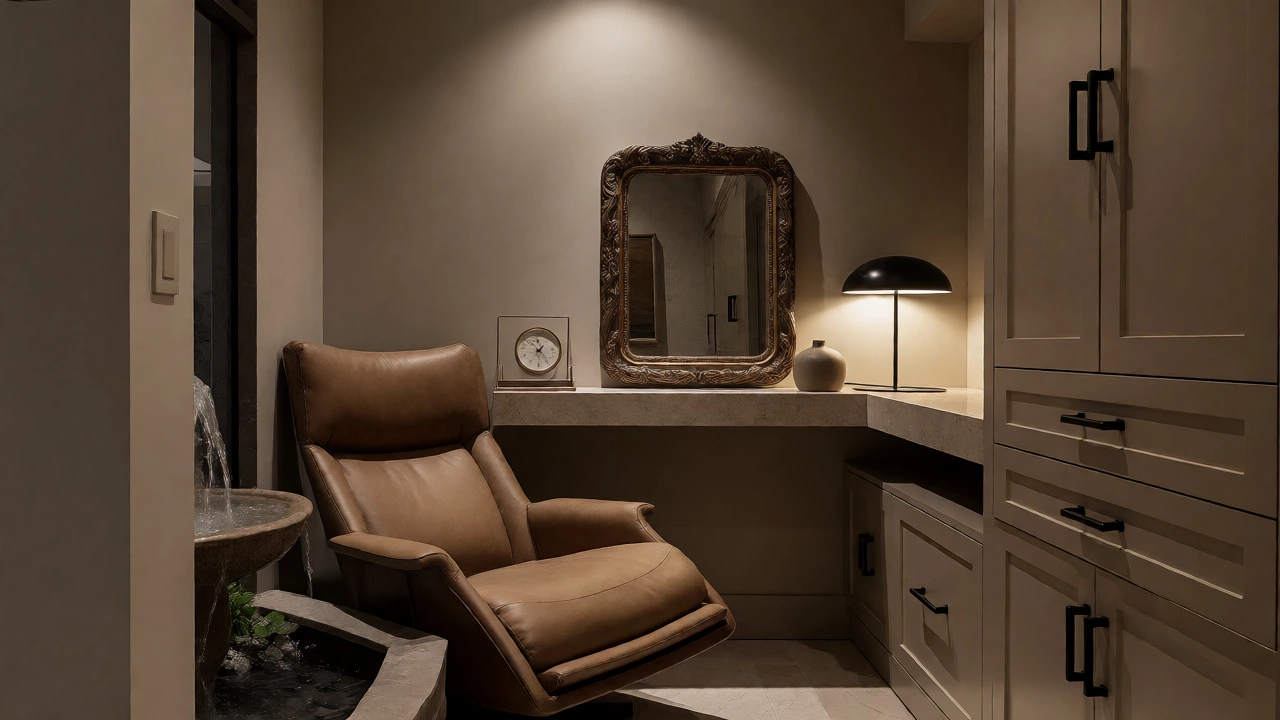
You don’t need to renovate your entire house to introduce luxury elements. Start with the senses. Smell is powerful. A subtle scent from a high-quality candle or diffuser can elevate a room instantly. Sound matters too. Soft background music or the sound of water from a small indoor fountain adds layers of experience.
Invest in one statement piece. Instead of buying ten mediocre items, save for one exceptional one. A single antique mirror, a hand-knotted rug, or a designer lamp can anchor a room. These pieces become focal points and draw attention away from less expensive surroundings.
Declutter aggressively. Luxury hates chaos. Remove anything that doesn’t serve a purpose or bring joy. Then, organize what remains. Hidden storage is key. Visual noise kills luxury vibes. If you have open shelves, style them carefully. Don’t fill every gap. Leave breathing room around objects so they can shine.
Finally, upgrade your hardware. Swapping out basic cabinet knobs and door handles for solid brass or matte black alternatives is a low-cost, high-impact change. It’s like wearing a nice watch-it’s a small detail, but it signals care and refinement.
The Role of Personalization
True luxury is personal. It reflects who lives there. A showroom looks perfect, but it lacks soul. Your home should tell your story. Maybe that means displaying family heirlooms alongside modern art. Perhaps it involves a custom-built reading nook tailored to your favorite posture.
This customization extends to functionality. Luxury isn’t just about looking good; it’s about living well. Smart home integration, ergonomic seating, and acoustic paneling are all forms of luxury because they enhance daily life. If a design looks great but is inconvenient to use, it fails the luxury test. Comfort is non-negotiable.
Is luxury interior style only for large homes?
No. Luxury is about quality and curation, not square footage. Small apartments can achieve a luxurious feel through high-quality materials, smart storage solutions, and careful lighting design. In fact, smaller spaces allow for greater attention to detail, which is a hallmark of luxury design.
What are the most common materials used in luxury interiors?
Natural materials dominate luxury design. Look for solid woods like walnut or oak, natural stones such as marble or travertine, metals like brass or bronze, and textiles including silk, wool, velvet, and leather. These materials age well and offer tactile richness that synthetics cannot replicate.
Can I mix vintage and modern pieces in a luxury style?
Absolutely. Mixing eras is a sign of sophistication. A modern sofa paired with an antique coffee table creates depth and character. The key is cohesion-ensure the pieces share a common element, such as color, material, or line shape, so they feel intentional rather than random.
Does luxury interior style require a specific color palette?
While neutral tones like beige, gray, white, and navy are common because they highlight textures and shapes, luxury isn’t restricted to neutrals. Deep jewel tones like emerald green or sapphire blue can be luxurious if balanced properly. The goal is harmony, not adherence to a strict rule.
How important is lighting in creating a luxury atmosphere?
Crucial. Lighting defines the mood. Luxury interiors use layered lighting-ambient, task, and accent-to create flexibility. Dimmers are essential for adjusting intensity. Poor lighting can make expensive furniture look flat, while excellent lighting can make simple spaces feel elegant.