Bathroom Renovation ROI Estimator
Select the upgrades you are planning to install in your bathroom. This tool estimates the total cost and the potential increase in resale value based on current Australian market trends.
Estimated Impact
This is the difference between added value and installation cost.
Here is a hard truth about bathroom renovations: most homeowners waste money on things they like, not things that sell. You might love your freestanding tub, but if it blocks the path to the shower and makes the room feel cramped, you are hurting your resale price. In the Australian market, specifically here in Melbourne where older homes often have tiny, dark bathrooms, the goal isn't just aesthetics. It is functionality, light, and perceived space.
If you are planning a refurbishment, you need to think like a buyer. What adds the most value? It is rarely the most expensive item on the invoice. It is usually the changes that make the room feel larger, cleaner, and easier to maintain. Let’s break down what actually moves the needle on your property’s valuation and what is just pretty decoration.
The Power of Light and Space Perception
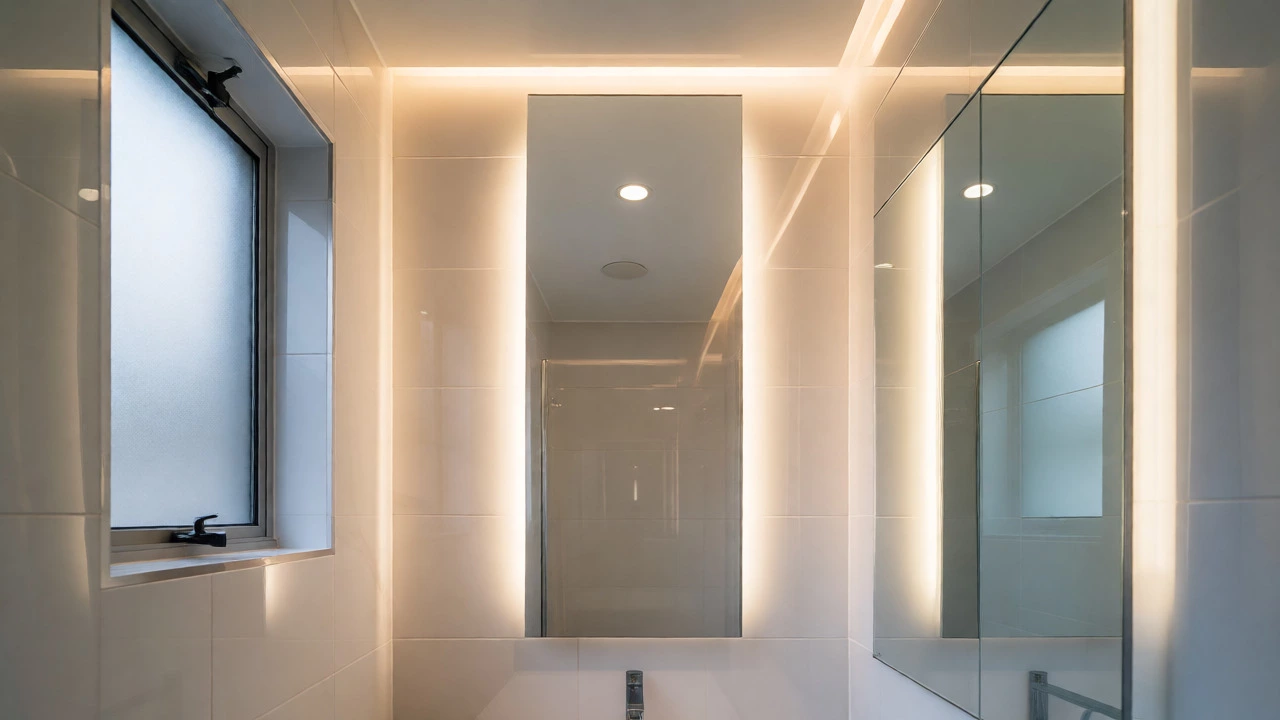
Before you buy a single tile, look at your lighting. This is the highest ROI upgrade because it costs the least and transforms the mood instantly. A dark bathroom feels smaller and dirtier, even if it is spotless. Buyers walk in, see shadows in the corners, and their brain registers "maintenance issues."
You want layered lighting. Start with bright, neutral-white overhead LEDs (4000K color temperature is the sweet spot). Then add vertical lighting around mirrors. Backlit LED mirrors are fantastic because they eliminate facial shadows, which helps buyers visualize themselves getting ready there. If you can, introduce natural light. If you cannot move walls, install a frosted glass window or a skylight. Even a small increase in lux levels makes a tiny ensuite feel breathable rather than claustrophobic.
Smart Storage Solutions That Disappear
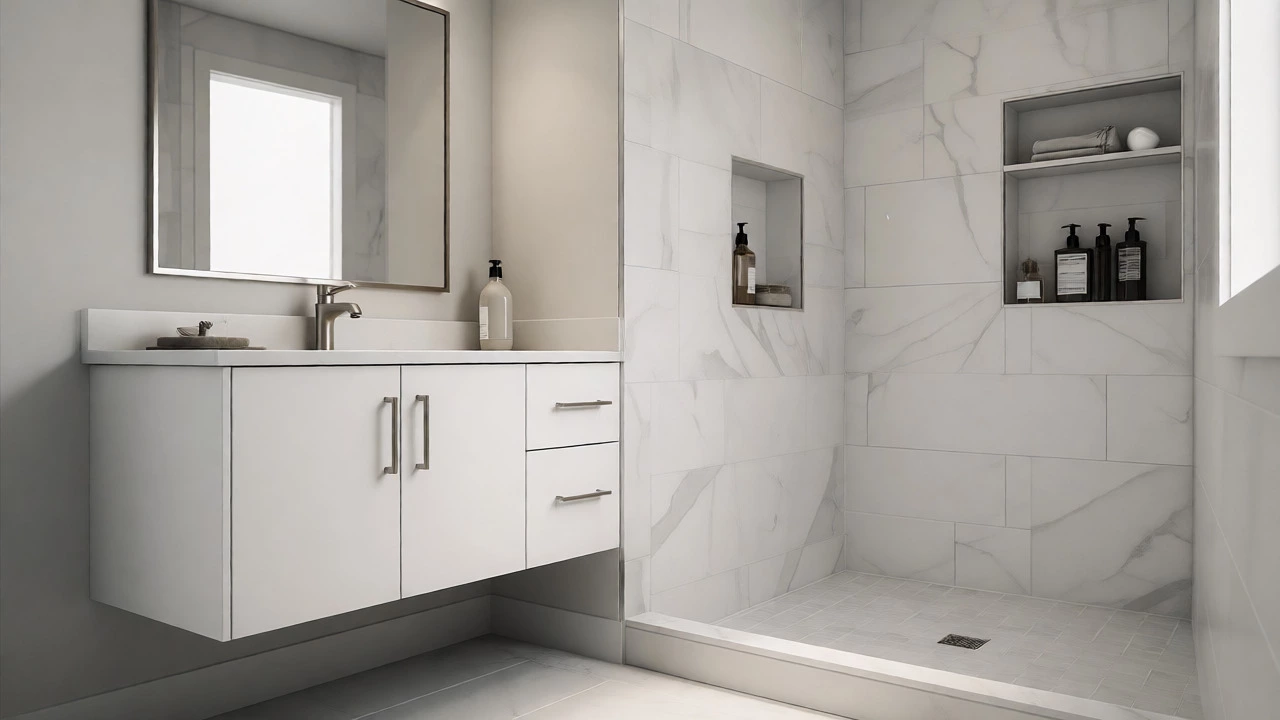
Clutter kills value. A bathroom full of shampoo bottles, toothbrushes, and towels looks chaotic. But adding bulky cabinets makes the room feel smaller. The trick is integrated storage. Recessed niches in shower walls are a game-changer. They hold products without protruding into the wet area. Under-basin drawers beat open shelves every time because they hide the mess.
In Melbourne’s older housing stock, we often see awkward nooks. Use them. Custom joinery that fits flush against the wall adds square footage perception. Floating vanities are another winner. By lifting the cabinet off the floor, you expose more floor area, which tricks the eye into seeing a bigger room. This simple design choice signals modernity and cleanliness to potential buyers.
Water-Efficient Fixtures and Sustainability
Australian buyers are increasingly eco-conscious. They check water ratings. Installing WELS-rated (Water Efficiency Labelling and Standards) fixtures is not just good for the planet; it lowers utility bills, which is a tangible selling point. A dual-flush toilet with a high-efficiency rating is standard now. If you still have an old single-flush model, replace it immediately.
Consider touchless taps or sensor-activated faucets. They reduce water waste and feel hygienic. While they cost more upfront, they signal a tech-savvy, low-maintenance home. Pair these with thermostatic mixer showers. These prevent sudden temperature spikes, which is a safety feature families with children care about deeply. Safety features equal broader market appeal.
Tile Choice: Durability Over Trends
Tiles are permanent. Choose poorly, and you will live with it-or worse, lose money when a buyer hates them. Avoid trendy patterns that will look dated in five years. Stick to large-format porcelain tiles. Why? Fewer grout lines mean less cleaning and a sleeker look. Grout is the enemy of hygiene perceptions. If a buyer sees stained grout, they assume the bathroom was neglected.
Use light-colored, matte-finish tiles for floors and walls. They reflect light and hide dust better than high-gloss finishes. For feature areas, use subtle textures rather than loud colors. If you must use color, keep it in accessories you can swap out later. Neutral tones allow buyers to project their own style onto the space, making them more likely to fall in love with it.
Quality Waterproofing and Ventilation
This is the unglamorous stuff that saves your bank account. In Australia, mold and moisture damage are top concerns during building inspections. If your bathroom smells damp or has peeling paint, buyers will negotiate hard. Proper ventilation is non-negotiable. Install a high-quality exhaust fan that vents directly outside, not just into the ceiling cavity. Look for fans with humidity sensors that turn on automatically.
Ensure your waterproofing meets AS 3740 standards. Do not skip this step to save $500. A failed waterproof job can cost $10,000+ to fix later. Visible signs of good waterproofing include sealed joints and proper drainage slopes toward the drain. When a buyer sees a dry, well-ventilated room, they trust the construction quality. Trust translates to value.
Hardware Finishes: The Jewelry of the Room
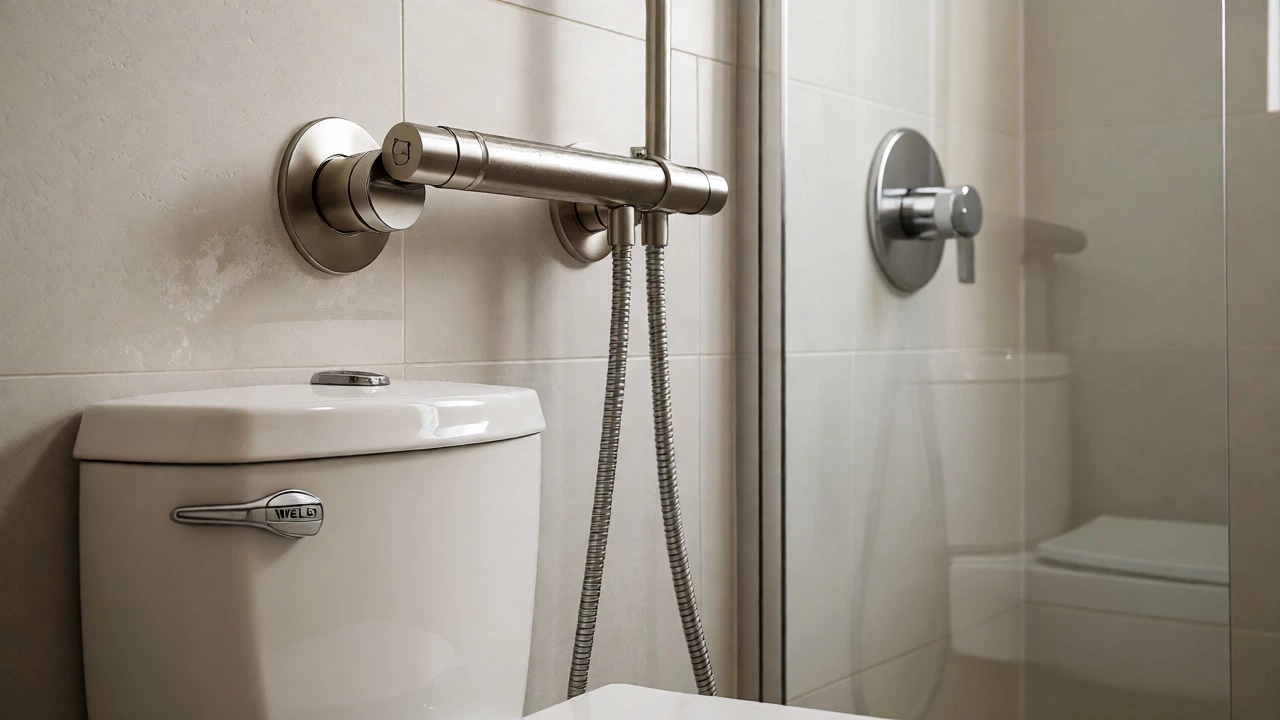
Tapware and handles are the jewelry of the bathroom. They are easy to change but set the tone. Brushed nickel or matte black finishes are currently popular and durable. Chrome is classic but shows water spots. Whatever you choose, ensure it matches throughout the room. Mixed metals can look intentional if done well, but risky if not.
Buyers judge the quality of a build by the weight of the taps. Cheap plastic-feel fittings feel flimsy. Solid brass hardware feels substantial. Replace cheap plastic knobs on cabinets with solid metal pulls. It is a minor expense that significantly elevates the perceived luxury level. Think of it as upgrading from fast fashion to tailored clothing.
| Upgrade Type | Cost Estimate (AUD) | ROI Potential | Buyer Appeal |
|---|---|---|---|
| LED Lighting & Mirrors | $300 - $800 | High | Immediate visual impact |
| Floating Vanity | $800 - $2,500 | Medium-High | Perceived space increase |
| WELS Fixtures | $200 - $600 | Medium | Eco-friendly appeal |
| Full Tile Replacement | $3,000 - $8,000 | Low-Medium | Clean slate impression |
| Freestanding Tub | $1,500 - $5,000+ | Variable | Luxury lifestyle signal |
What Not to Overinvest In
Do not overspend on a spa bath unless you are targeting a specific luxury demographic. In many suburban homes, a bathtub is a liability if it takes up too much floor space. Buyers under 40 often prefer a large, walk-in shower over a tub they will never use. If you have space, keep the tub. If you do not, convert it to a spacious shower with a frameless glass screen. Frameless glass looks premium and keeps the room open.
Avoid custom-built furniture that cannot be moved. If you renovate for yourself, fine. But if you plan to sell, stick to standard sizes. Buyers want to know they can replace a vanity easily. Also, skip complex mosaic tiles on all four walls. They are expensive to install and hard to clean. Save mosaics for a small accent strip.
Final Touches That Seal the Deal
Once the big items are done, focus on details. Heated towel rails are a modest cost but add comfort and drying capability. Smart toilets with bidet functions are gaining traction in Australia, moving beyond novelty to expected amenity. Ensure your door swings outward or is sliding to save space. Check the seals on your shower screen; yellowed silicone caulk screams age. Replace it with fresh, clear silicone.
Paint matters. Use a high-quality, moisture-resistant bathroom paint. A fresh coat of white or light grey covers imperfections and brightens the room. It is the cheapest way to reset the space. Finally, declutter completely. Remove everything except the essentials. An empty, clean bathroom allows buyers to imagine their own life in it. That emotional connection is where the value truly lies.
Does replacing a bathtub with a shower always add value?
Not always. If the bathroom is the only one in the house, keep a tub because families with young children need it. However, in an ensuite or a second bathroom, converting a small, unused tub into a large walk-in shower often increases appeal and perceived space, especially for younger buyers who prioritize efficiency over bathing rituals.
What is the best color scheme for maximum resale value?
Neutral palettes are safest and most effective. Whites, creams, light greys, and soft beiges reflect light and make spaces feel larger. They also serve as a blank canvas, allowing potential buyers to envision their own decor. Bold colors can limit the buyer pool unless executed perfectly in a high-end context.
How important is lighting in a bathroom renovation?
Lighting is critical. Poor lighting makes a clean bathroom look dirty and small. Invest in layered lighting: bright overhead LEDs for general illumination, vertical mirror lights for grooming, and dimmable options for ambiance. Good lighting highlights the quality of your finishes and creates a welcoming atmosphere.
Are smart toilets worth the investment?
They are becoming more common but are not yet mandatory for value. A smart toilet adds a 'wow' factor and appeals to tech-savvy buyers. However, ensure it is reliable and easy to repair. If it breaks, it can be a hassle. A high-quality standard toilet with good flushing performance is often a safer bet for broad appeal.
Should I hire a professional for waterproofing?
Absolutely. Waterproofing failures are among the most costly repairs in Australian homes. DIY mistakes here can lead to structural damage and mold. Hiring a licensed professional ensures compliance with Australian Standards (AS 3740), giving buyers peace of mind and protecting your investment.