Home Builder Matcher
Not sure which giant of the US housing market fits your goals? Answer a few questions to find your ideal match.
Best Match: Loading...
Quick Takeaways for Home Buyers
- Volume King: D.R. Horton generally leads in the total number of homes built annually.
- Market Reach: Lennar and PulteGroup are the closest competitors, often swapping ranks based on regional demand.
- Strategy: Big builders win by owning the land and using standardized floor plans to speed up construction.
- Trade-off: You get a faster move-in date and a lower price, but less customization than a custom build.
The Heavy Hitters of the US Housing Market
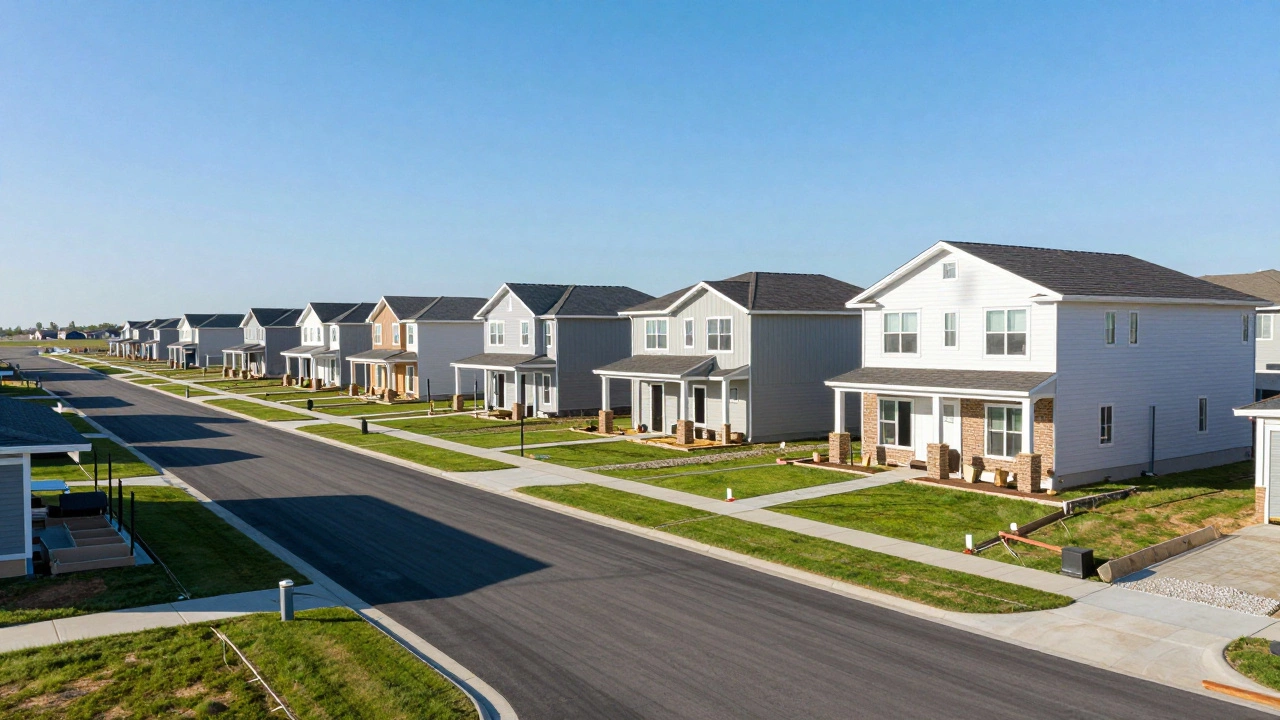
When we talk about the "number one" builder, we have to look at the Big Three. These companies operate more like logistics firms than traditional carpentry shops. They manage thousands of subcontractors and buy land in massive tracts to create entire communities from scratch.First, there is Lennar, which is a leading US home construction company known for its "Everything's Included" approach. While they often trail D.R. Horton in pure unit count, they frequently compete on total revenue. Their strategy is to bake the upgrades-like smart home tech and upgraded flooring-directly into the base price, so you aren't surprised by a long list of add-ons at the end of the process.
Then you have PulteGroup, which focuses heavily on the "move-up" buyer. These are people who already own a starter home and want something larger and more luxurious. They operate under several brands, including Pulte Homes and New Home Living, allowing them to target different demographics without diluting their main brand.
The difference between these giants is mostly about who they are targeting. D.R. Horton is the go-to for first-time buyers. Lennar targets the tech-savvy middle class. PulteGroup aims for the established family. Because they all use different strategies, the "#1" spot shifts depending on whether the economy is favoring first-time buyers or luxury upgrades.
How the Giants Actually Build
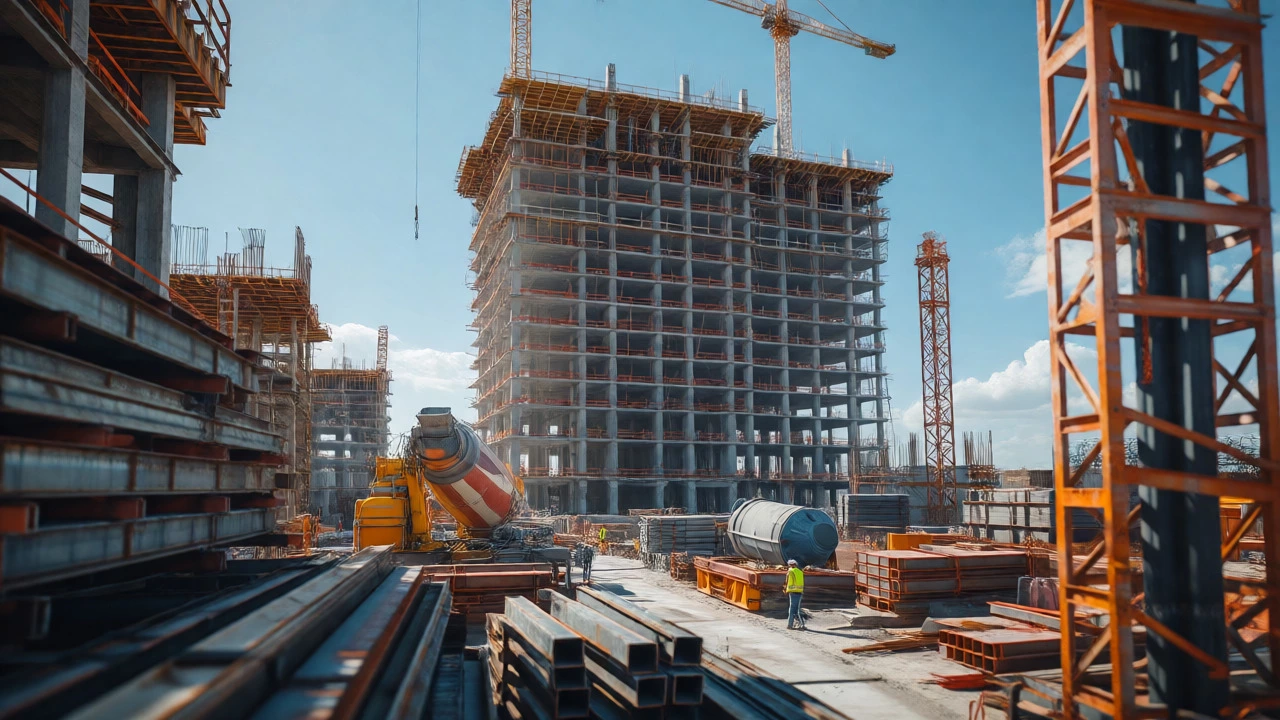
If you've ever wondered why a corporate builder can put up a house in a fraction of the time it takes a custom builder, it's because of vertical integration and standardization. They don't design a house for you; they design a house for a thousand people, and you pick from five versions of it.These companies use Prefabricated Components to speed things up. While they aren't building "prefabs" in the 1950s sense, they use pre-cut trusses and engineered flooring systems that arrive on-site ready to be bolted together. This reduces waste and eliminates the need for high-priced master carpenters to spend weeks measuring and cutting on-site.
They also leverage Economies of Scale. Imagine buying 10,000 refrigerators for a thousand houses instead of one refrigerator for one house. The builders get a massive discount from appliance brands, which allows them to offer "luxury" packages that would cost a private owner 20% more.
| Builder | Primary Target | Key Value Proposition | Customization Level |
|---|---|---|---|
| D.R. Horton | First-Time Buyers | Affordability & Volume | Low |
| Lennar | Middle-Class / Tech-Savvy | Everything's Included | Medium |
| PulteGroup | Move-Up Buyers | Life-stage Specific Designs | Medium-High |
The Cost of Being Number One
Choosing the biggest builder isn't always the best move. When a company builds tens of thousands of homes a year, quality control becomes a game of statistics. They know a certain percentage of homes will have a missing piece of flashing or a poorly sealed window, and they budget for those repairs in their warranty.In a custom build, you have one project and the builder's reputation depends on that one house. In a volume build, the project manager is overseeing 50 sites at once. This can lead to the "assembly line effect," where speed is prioritized over precision. If you're looking for a home where every joint is perfect and the layout is unique to your needs, the #1 builder in the USA is probably not the right choice.
However, the benefit is the Home Warranty. Big builders have formalized warranty processes. If your HVAC fails in year two, you aren't chasing a contractor who stopped answering his phone; you're filing a claim with a corporate entity that has a legal obligation to fix it to avoid a class-action lawsuit.
What to Look for When Choosing a Giant
If you decide to go with a top-tier builder, you need to change how you shop. You aren't shopping for a house; you're shopping for a community and a floor plan. The land is the most valuable part of the equation. A home by D.R. Horton in a prime location will appreciate faster than a custom home in the middle of nowhere.- Check the Site Manager: The person running the actual construction site matters more than the corporate brand. Ask how long they've been with the company and how many houses they are currently managing.
- Visit a "Completed" Home: Don't just look at the model home. Model homes are built to a higher standard to sell the dream. Visit a home that was finished six months ago to see how the materials are holding up.
- Read the Fine Print on "Upgrades": In a volume build, the "base price" is often stripped down. If you want a walk-in shower instead of a tub-shower combo, be prepared for the cost to jump significantly.
The Future of US Home Building
The industry is shifting. We are seeing more Built-to-Rent (BTR) communities. The top builders are no longer just selling homes to individuals; they are building entire neighborhoods and selling them to institutional investors who then rent them out. This changes the incentive structure. When the builder is also the landlord, they care more about long-term durability than a quick sale.We're also seeing a push toward Sustainable Architecture. While the giants were slow to adopt solar and high-efficiency insulation, they are now integrating these features because it helps them meet new state regulations and attracts younger, eco-conscious buyers.
Does the biggest builder always have the cheapest houses?
Not necessarily. While D.R. Horton focuses on affordability, the final price depends on the land value and the options you choose. However, their ability to buy materials in bulk usually makes their base price lower than a local custom builder.
Can I customize a floor plan with a top-10 builder?
Very rarely. Most volume builders offer a set list of floor plans. You can usually choose your finishes (paint, flooring, counters), but changing a wall or adding a room is typically not allowed because it breaks their standardized construction timeline.
How do I know if a builder is reputable?
Check the Better Business Bureau (BBB) and look for local building permits. For large builders, look at the consistency of reviews across different subdivisions. If every neighborhood they build has the same complaint about roofing, it's a systemic issue.
What is the difference between a production builder and a custom builder?
A production builder (like Lennar) uses a few pre-set designs and builds them on land they already own. A custom builder works with you to design a unique house on a piece of land you usually provide, offering total control over the architecture.
Are new builds better than existing homes?
New builds offer better energy efficiency, modern codes, and warranties. Existing homes often have more character, more mature landscaping, and are located in established neighborhoods rather than the outskirts of town.