Living Room Decor Style Estimator
Answer these questions to discover your ideal starting point for decorating your living room. No prior style knowledge required!
Your Personalized Decor Strategy
Recommended Vibe
Priority Action
Color Palette Suggestion
Key Tip
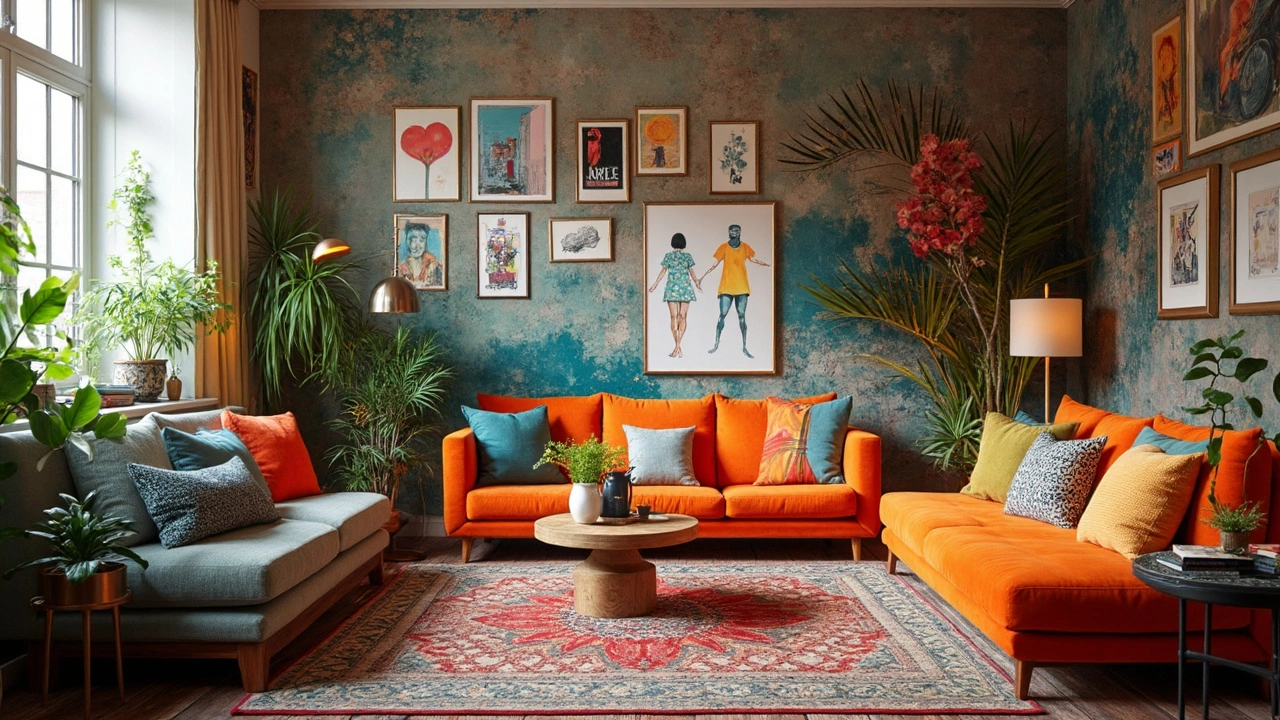
Staring at an empty living room can feel like standing in front of a blank canvas with no paint. You know you want it to look good, but the term "style" feels vague and intimidating. Do you go modern? Rustic? Boho? The truth is, most people don't have a predefined style; they just have preferences for comfort, color, and function. If you feel paralyzed by choices or afraid of making a mistake, you aren't alone. Decorating isn't about fitting into a magazine category. It's about creating a space that makes sense for how you actually live.
Living room decor is the practice of arranging furniture, lighting, textiles, and accessories within a primary social space to enhance aesthetics and functionality. Unlike bedrooms, which are private sanctuaries, your living room is the public face of your home. It’s where guests sit, where you relax after work, and often where family gathers. Because this room serves multiple purposes, getting the layout right matters more than picking the perfect throw pillow pattern.
Start With Function, Not Fashion
Before you buy a single item, ask yourself what happens in this room. Do you watch TV every night? Do you host dinner parties? Do you have pets or kids who need durable fabrics? Your lifestyle dictates your decor far more than any trend report. If you love reading, prioritize comfortable seating and good lamps over a massive sectional sofa. If you entertain often, ensure there’s enough seating flow so people aren’t shouting across the room.
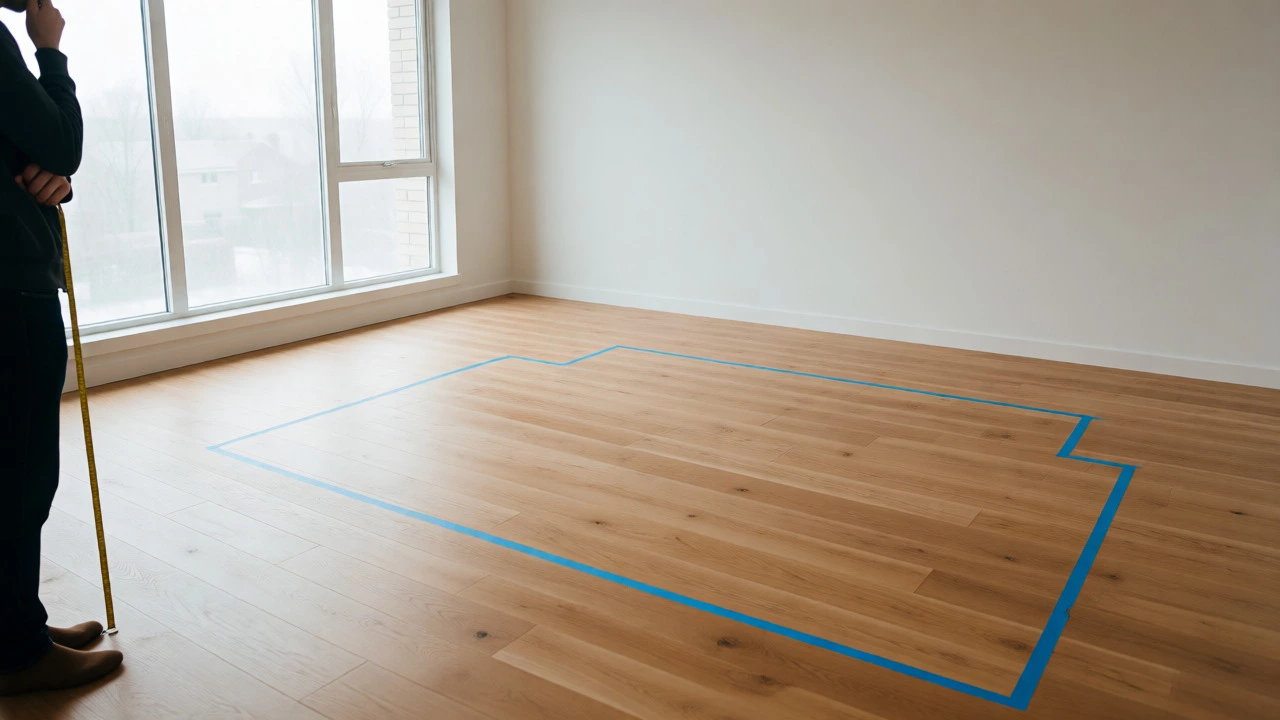
A common mistake is buying furniture because it looks good in a showroom, not because it fits your life. Measure your space first. Use painter's tape to mark out footprints on the floor before committing to a purchase. This simple step saves hundreds of dollars and prevents the "too big for the room" disaster. Think about traffic patterns. Can you walk from the door to the couch without squeezing sideways? If not, rearrange or downsize.
The Power of Neutral Foundations
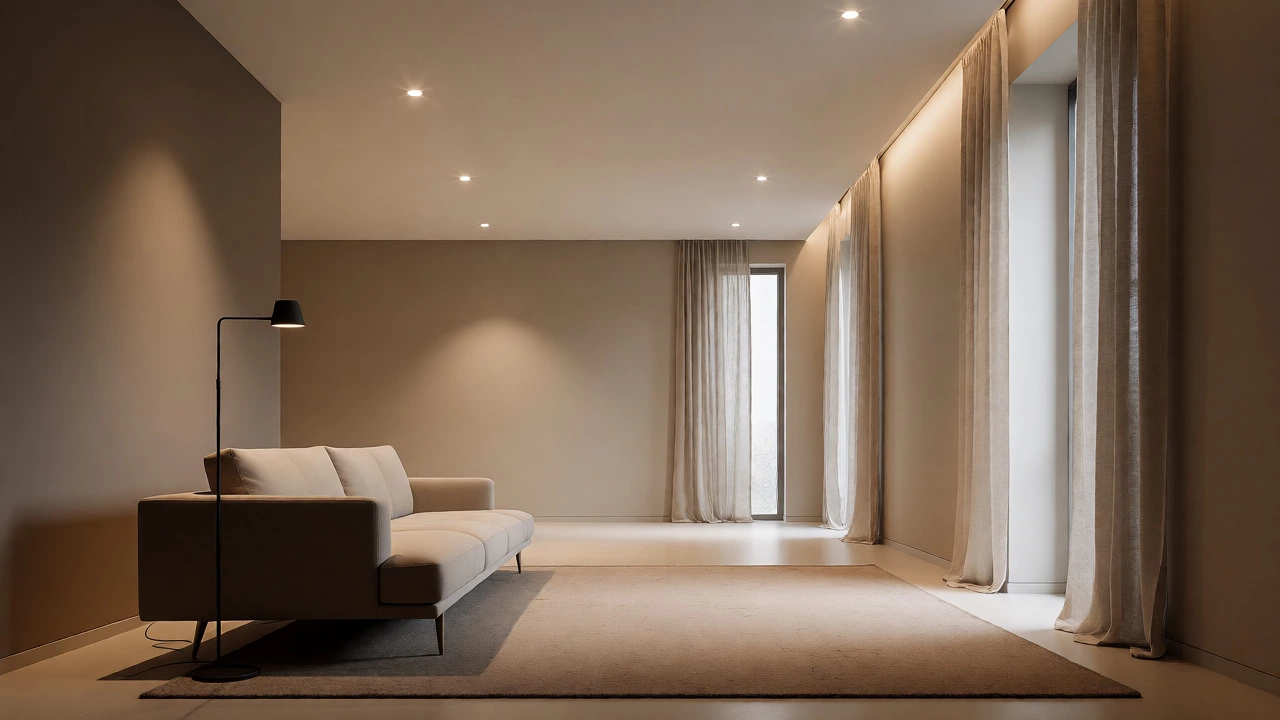
If you think you have "no style," start neutral. This doesn't mean boring beige walls and grey carpets (though those are options). It means choosing large, permanent items-sofas, rugs, curtains-in colors that won't clash. Why? Because neutrals act as a backdrop. They allow you to change smaller accents easily and cheaply later.
Consider a neutral palette consisting of white, cream, grey, taupe, or navy blue. These colors reflect light well and make small rooms feel larger. Once your foundation is set, you can experiment with personality through cushions, art, and plants. If you get tired of mustard yellow cushions, swapping them for teal costs $50. Replacing a mustard yellow velvet sofa costs $1,500. Start small.
Lighting Sets the Mood
Bad lighting ruins even the most expensive decor. Overhead ceiling lights often cast harsh shadows and flatten a room. To fix this, use layered lighting. This concept involves three types of light sources working together:
- Ambient Lighting: General illumination, usually from overhead fixtures or recessed lights.
- Task Lighting: Focused light for activities like reading or working, such as desk lamps or under-cabinet lights.
- Accent Lighting: Decorative light that highlights features like artwork or architectural details, like picture lights or LED strips.
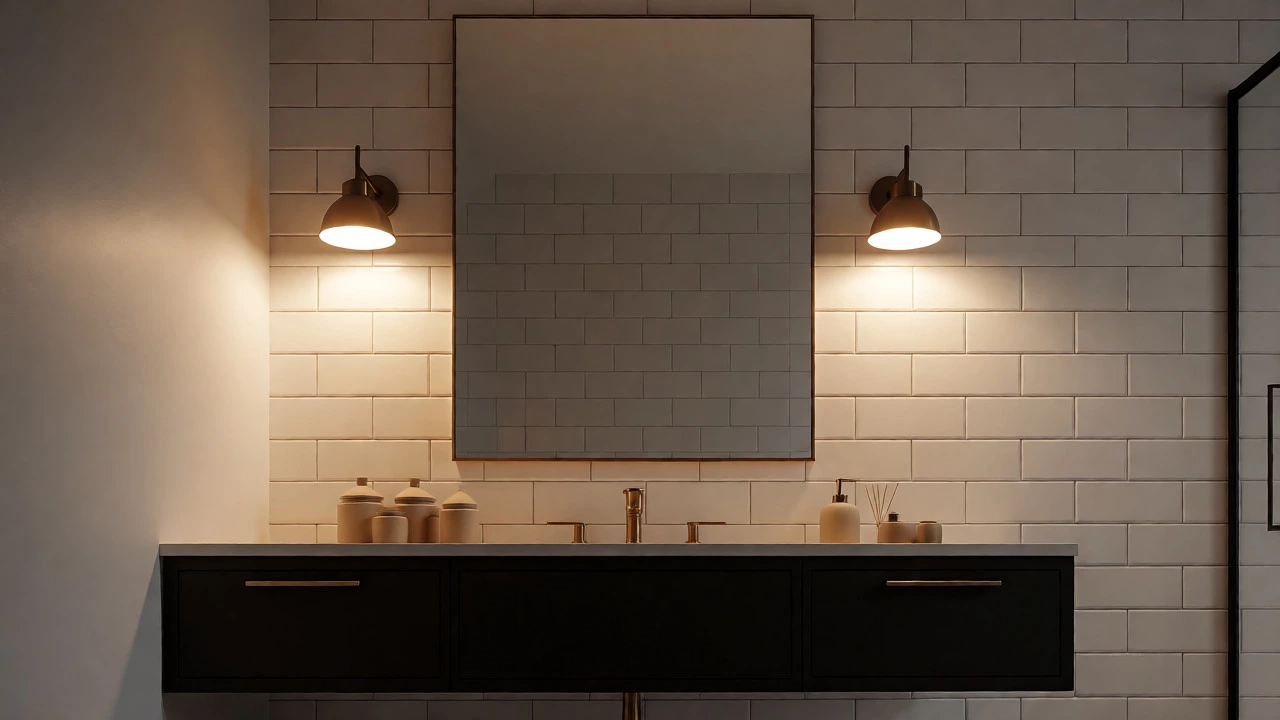
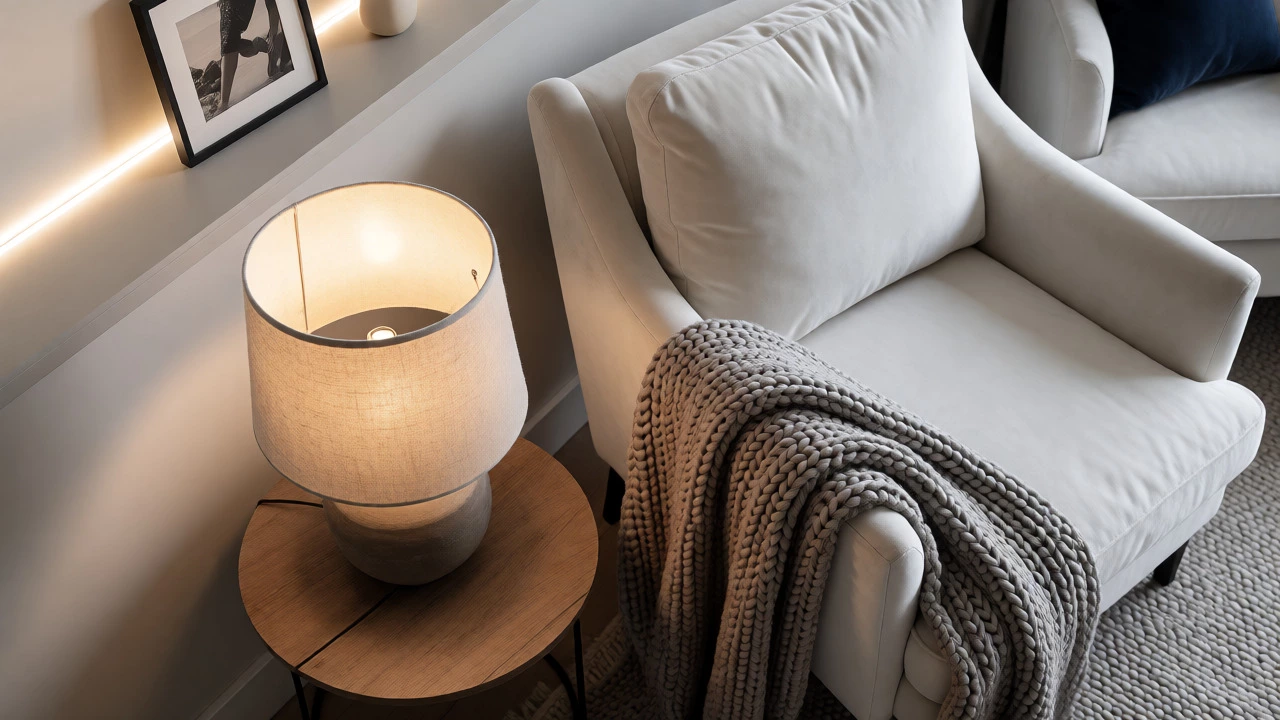
You don't need all three in every corner, but aim for at least two layers in your living room. Floor lamps and table lamps are your best friends here. Place them at varying heights to create visual interest. Warm white bulbs (2700K-3000K) generally make spaces feel cozier and more inviting than cool daylight bulbs.
Texture Adds Depth Without Color Clutter
When you stick to a neutral color scheme, texture becomes crucial. A room full of smooth surfaces can feel cold and sterile. Mixing materials adds warmth and depth. Think about combining different tactile elements:
| Material Type | Examples | Effect on Space |
|---|---|---|
| Soft Textiles | Wool throws, linen cushions, velvet pillows | Adds coziness and softness |
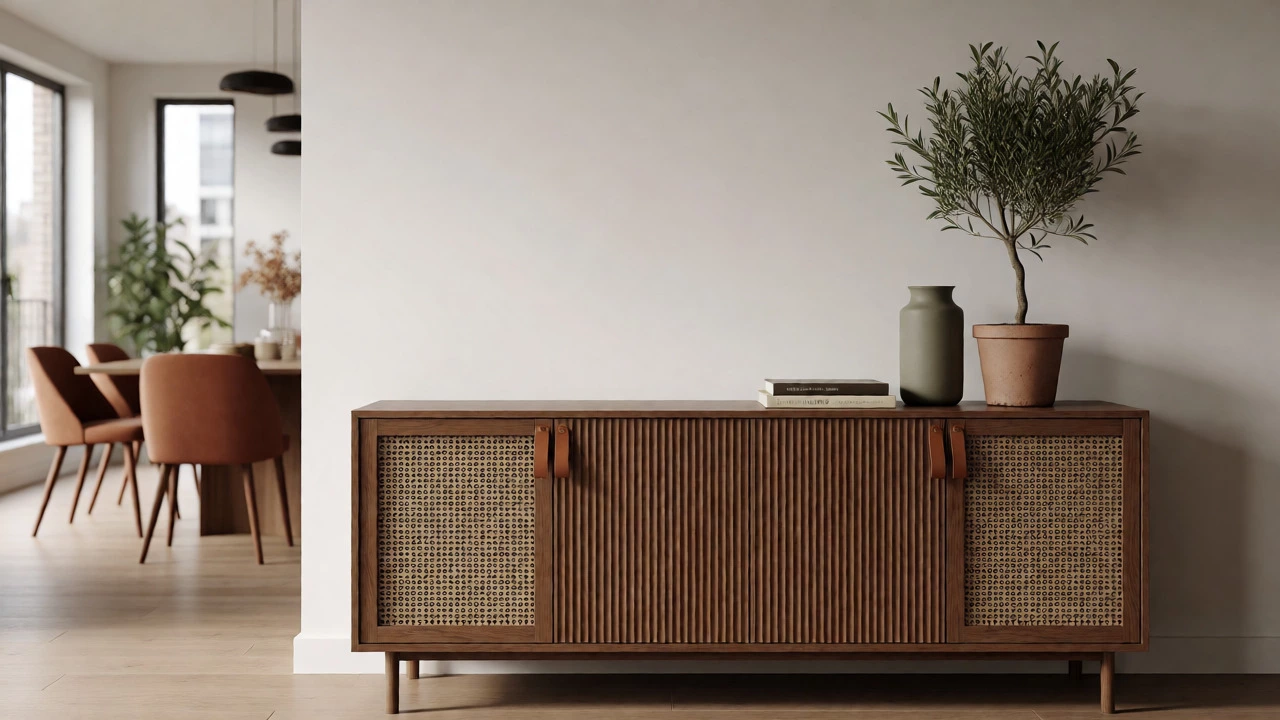
| Natural Elements | Wood tables, rattan chairs, stone vases | Brings organic warmth and grounding |
| Metallic Accents | Brass lamp bases, steel frames, copper trays | Adds shine and modern edge |
| Glass & Mirrors | Glass coffee tables, wall mirrors | Reflects light and creates illusion of space |
Try pairing a sleek leather sofa with a chunky knit blanket. Or place a rough-hewn wooden coffee table against a smooth plaster wall. These contrasts keep the eye engaged without overwhelming the senses with too many colors.
Art and Personal Touches
You don't need to be an art collector to decorate with art. In fact, generic prints can sometimes make a home feel impersonal. Instead, hang pieces that mean something to you. Family photos, travel souvenirs, or sketches you've collected over the years add character. Frame them consistently if possible-matching black or wood frames unify disparate images.
If you're unsure where to hang art, follow the rule of thirds. Hang pieces at eye level, typically around 57 inches from the floor to the center of the artwork. For groupings, arrange frames on the floor first to test spacing before drilling holes. Using command strips allows for easy adjustments if you change your mind later.
Plants Bring Life
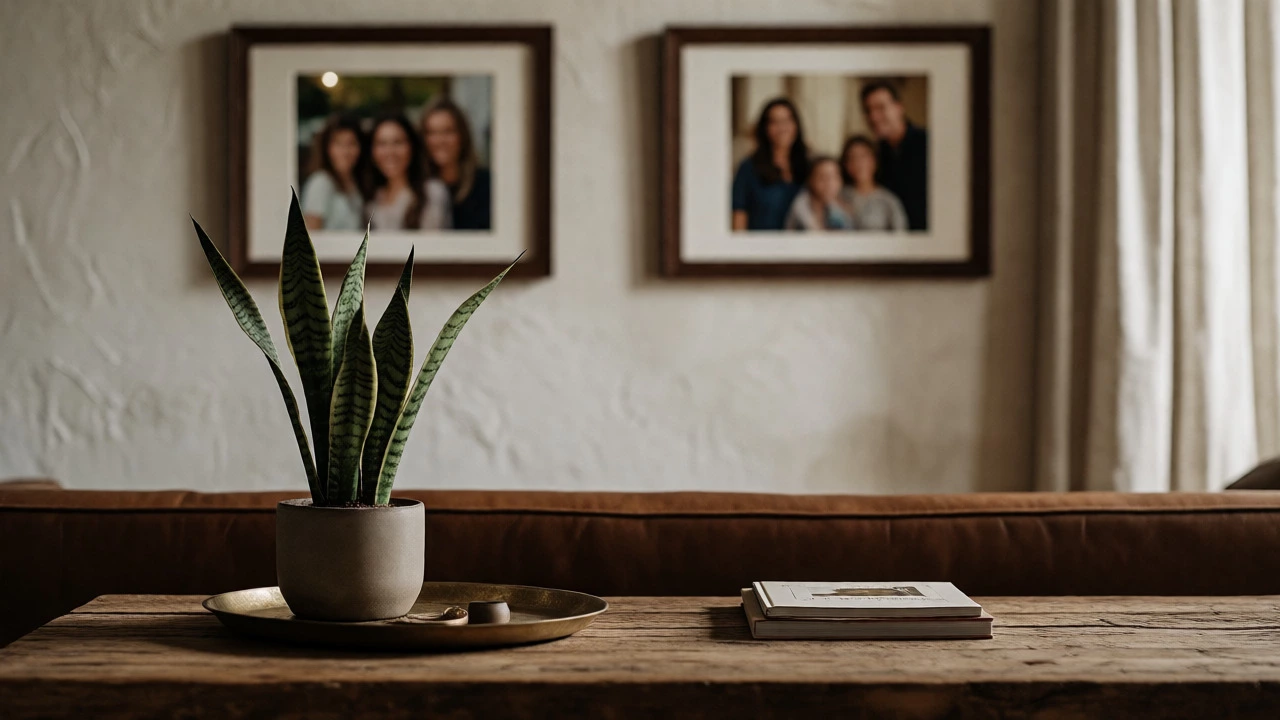
Nothing lifts a room faster than greenery. Plants improve air quality and add organic shapes that contrast with straight lines of furniture. If you kill succulents, start with hardy varieties like Snake Plants, Pothos, or ZZ Plants. They tolerate low light and irregular watering. Place them on shelves, in corners, or on side tables. Even fake high-quality plants can add volume and color if real ones aren't feasible.
Editing Is Part of Decorating
Decorating isn't just about adding things; it's about removing clutter. Empty surfaces allow your key pieces to breathe. If your coffee table is covered in magazines, remote controls, and random trinkets, it looks messy regardless of how nice the table is. Use baskets or trays to corral small items. Keep only what you use regularly or love deeply. Regular editing helps maintain a calm environment.
Remember, your style will evolve. That's normal. The goal isn't perfection; it's progress. Start with one corner or one piece of furniture. Build from there. Trust your instincts-if it makes you feel good, it belongs in your home.
What if I hate my current furniture?
You don't need to replace everything at once. Start by hiding what you dislike with slipcovers, throws, or strategic placement behind plants. Focus your budget on one high-impact item, like a new rug or lighting fixture, which can transform the room's vibe instantly. Gradually swap out pieces as your budget allows.
How do I choose colors if I'm afraid of mistakes?
Stick to the 60-30-10 rule. Choose a dominant color for 60% of the room (walls/large furniture), a secondary color for 30% (curtains/rugs), and an accent color for 10% (cushions/art). Start with neutral dominant and secondary colors, then pick one bold accent you love. This limits risk while allowing personality.
Do I need matching furniture sets?
No. Matching sets can look dated and staged. Mix styles instead. Pair a modern sofa with a vintage wooden coffee table. Combine metal and wood finishes. As long as the pieces share a common element-like similar leg heights, complementary tones, or shared textures-they will harmonize beautifully.
How much should I spend on living room decor?
There's no fixed amount. Prioritize spending on items you touch daily, like sofas and mattresses. Save on decorative items like vases, frames, and cushions. Thrift stores and online marketplaces offer great deals on unique pieces. Set a realistic budget and shop sales strategically rather than buying everything at once.
What is the biggest mistake beginners make?
Pushing all furniture against the walls. This creates a "dance floor" effect in the middle and makes conversation difficult. Pull furniture inward to create intimate seating groups. Anchor arrangements with a rug to define the zone and make the space feel cohesive and intentional.