Building Lifespan & Maintenance Estimator
Input Property Details
Lifecycle Analysis Report
Enter details to see how long your building should last and when maintenance is critical.
The Hard Truth About Building Lifespan
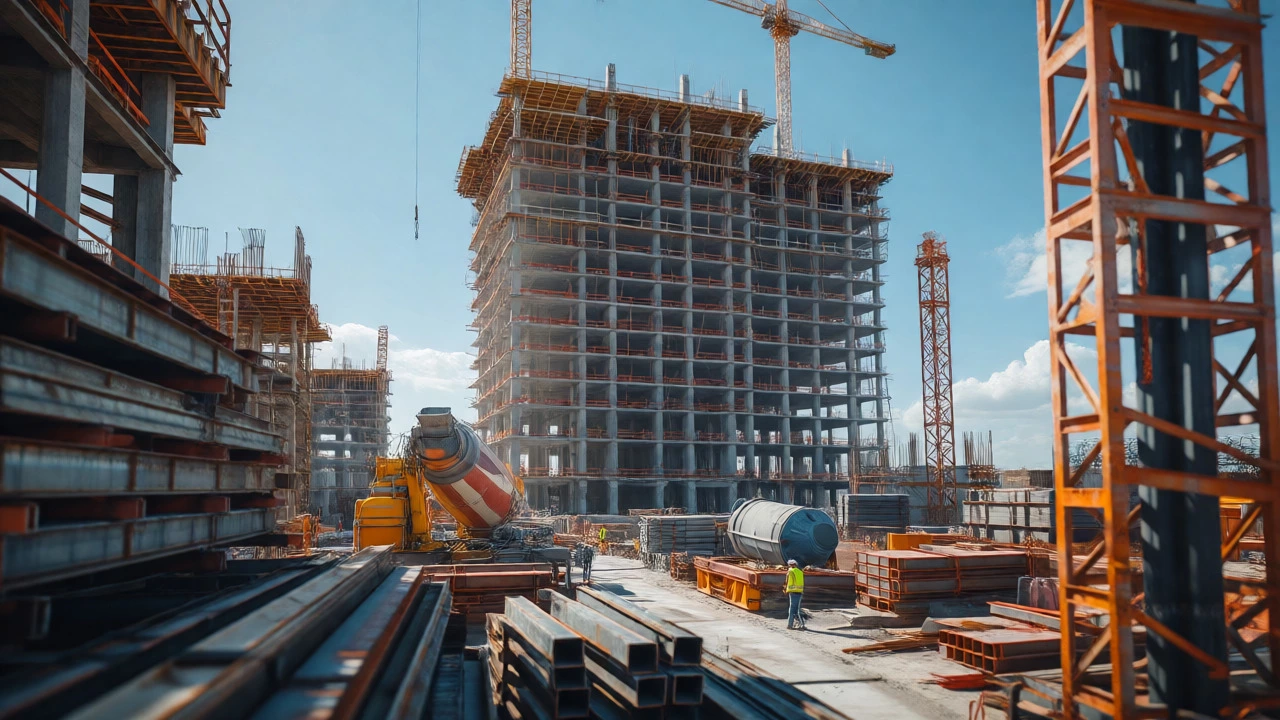
People often buy a home thinking it will outlive them by generations. We imagine our houses standing strong while our great-grandchildren walk the halls. But that isn't always how things work. A New Building is a newly constructed residential or commercial structure designed to meet modern standards. While you might want forever, engineering standards usually plan for something shorter.
In Melbourne, where we deal with intense heat in summer and heavy rain in winter, the environment plays a big role. You need to understand the difference between physical decay and functional obsolescence. Does the roof leak after thirty years? That's a physical issue. Does the layout feel useless because open-plan living has become old-fashioned? That's functional. Both matter when calculating how long your asset should last.
Material Science Defines the Clock
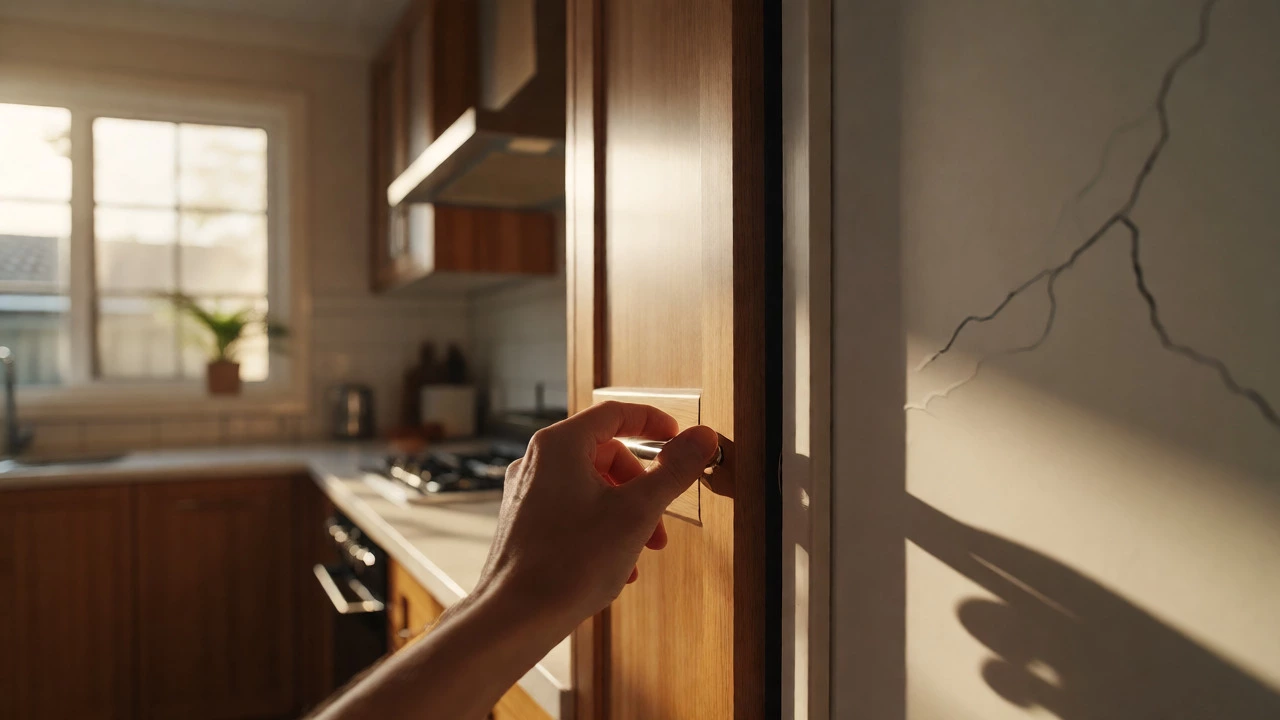
You cannot separate time from the materials used to build the structure. Every component has a distinct service life expectancy based on its composition. If you ignore this, cracks appear earlier than expected.
| Material | Typical Service Life | Failure Mode |
|---|---|---|
| Reinforced Concrete | 50-100+ Years | Carbonation, Rebar corrosion |
| Timber Framing | 30-60 Years | Borer attack, Moisture rot |
| Roofing Tiles | 40-60 Years | Cracking, Moss growth |
| Copper Flashing | 50+ Years | Gradual oxidation |
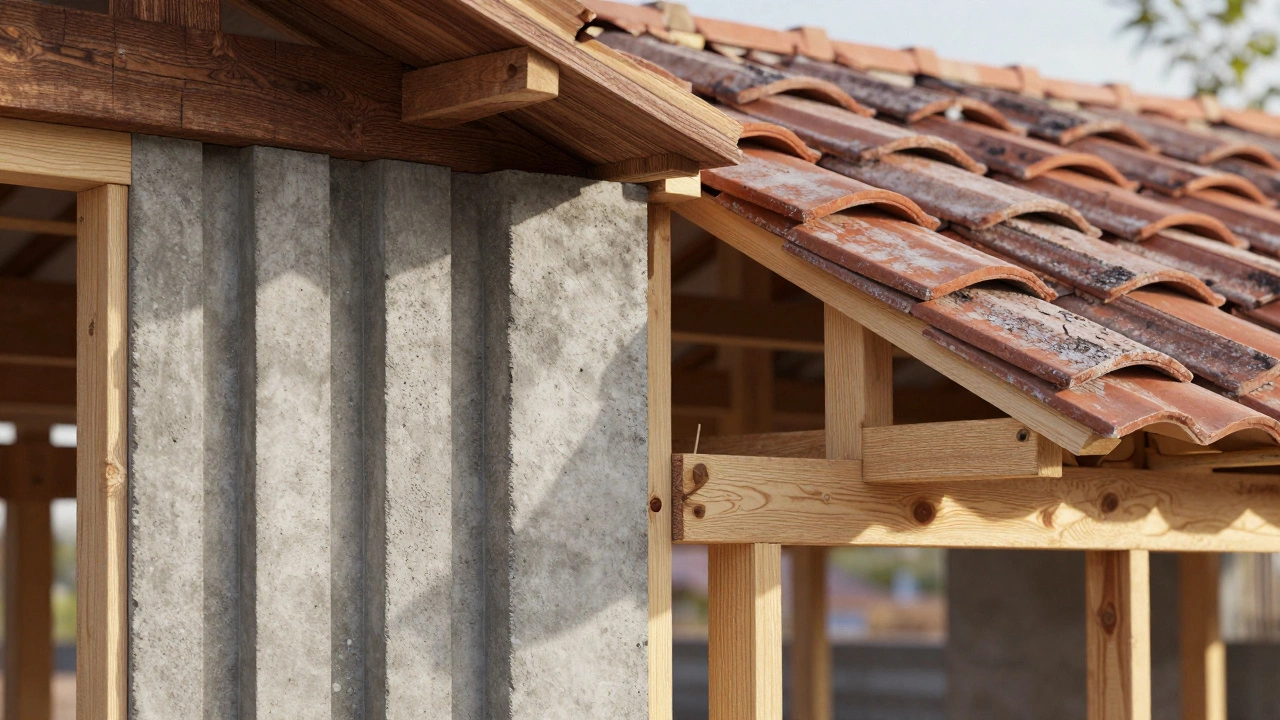
Notice how concrete beats timber in raw numbers. Yet, most Australian suburban homes rely heavily on timber framing. This creates a vulnerability point. When moisture infiltrates the wall cavity, timber degrades rapidly. A house built in 2026 with proper detailing should see its timber frame last at least fifty years, provided ventilation remains adequate.
Steel reinforcement inside concrete changes the math significantly. However, if the cover depth is too shallow, salt air or chloride ingress rusts the steel. Rust expands. It cracks the concrete from the inside out. Once that happens, the structural integrity suffers. This is why the National Construction Code (NCC) sets minimum cover depths. These regulations exist specifically to extend the lifespan of critical structural elements.
Maintenance Is Not Optional
A common myth suggests a "build and forget" approach works for modern homes. That attitude guarantees failure. Think of maintenance as the oil change for your car engine. Without it, parts seize up.
Your new build comes with a Defects Liability Period. In Victoria, this typically covers six years for major structural defects. During this window, builders must fix faults arising from poor workmanship. After year six, responsibility shifts entirely to you. Many owners stop paying attention until the water stains appear on the ceiling. By then, the damage is already done.
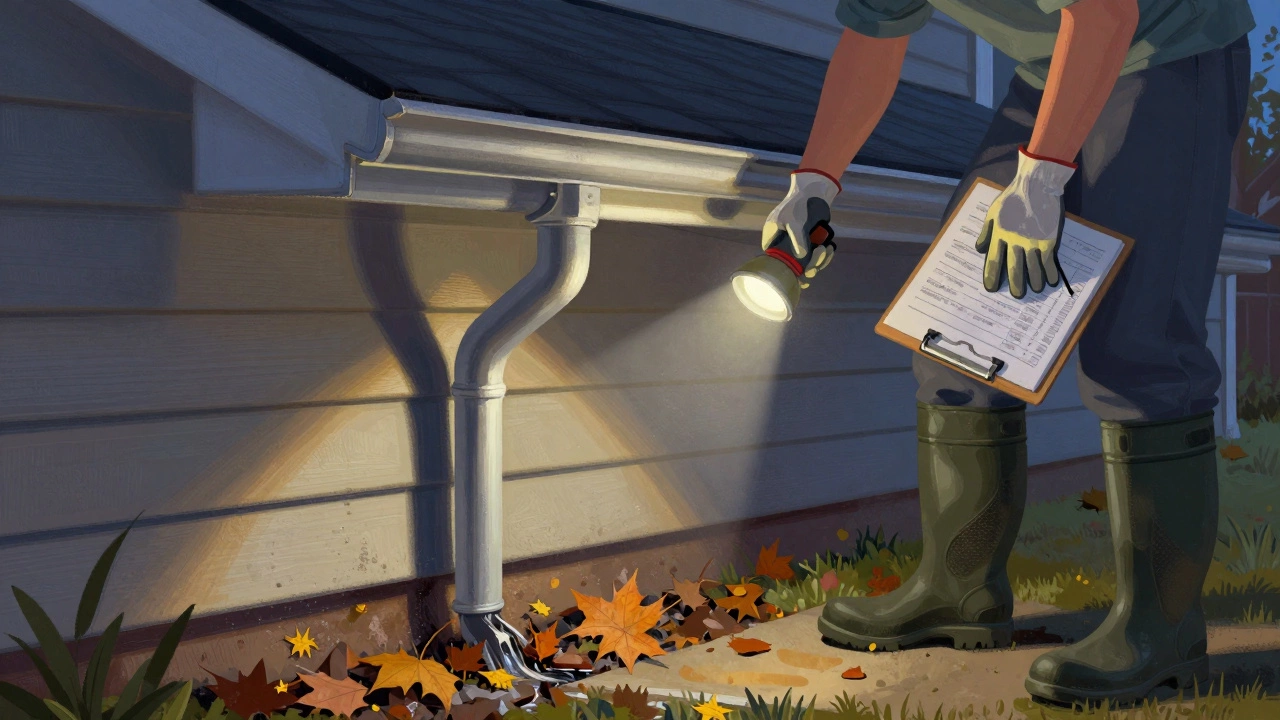
You need a schedule. Inspect gutters every four months. Clean them twice a year. Check downpipes for blockages. Look at external cladding annually. In coastal zones or places with high UV exposure, paint systems degrade faster. A quality exterior finish needs repainting every seven to ten years. Skipping this exposes the substrate to water damage. Water damage leads to mould, which ruins indoor air quality and health.
The Impact of Local Regulations
Building laws evolve. They get stricter over time. A house approved in 2026 faces different standards than one from twenty years ago. Current codes focus heavily on energy efficiency and fire safety. As these standards rise, older buildings struggle to comply economically.
This creates a concept called economic life versus physical life. Physically, your bricks might stand for a century. Economically, they might only be viable for forty years before retrofit costs exceed value. For example, mandatory insulation upgrades might become common in the future to meet new carbon goals. Retrofitting an old masonry block is expensive. Doing it during the initial design phase costs very little.
Developers often look at depreciation schedules for tax purposes. They assume assets lose value over fixed periods, usually fifteen to thirty years. This doesn't mean the building collapses; it means the accounting says it does. Investors need to know this distinction so they don't panic when property values shift due to perceived age.
Climate Adaptation Matters
We are living through changing weather patterns. Melbourne experiences more extreme rainfall events now than in previous decades. Drainage systems designed for historical averages may flood under new norms.
Future-proofing requires designing for resilience. Raise floor levels slightly above known flood zones. Install larger stormwater pipes. Use materials resistant to thermal shock. If you ignore local climate data, the building takes stress it wasn't designed for. Stress leads to premature failure. Engineers now calculate loads differently to account for these variations. Choosing a builder who understands local hydrology protects your timeline.
Consider passive design strategies. Good orientation reduces cooling needs. This lowers HVAC strain. Less mechanical usage means fewer breakdowns over the decades. It extends the operational life of your services.
Evaluating Replacement Costs
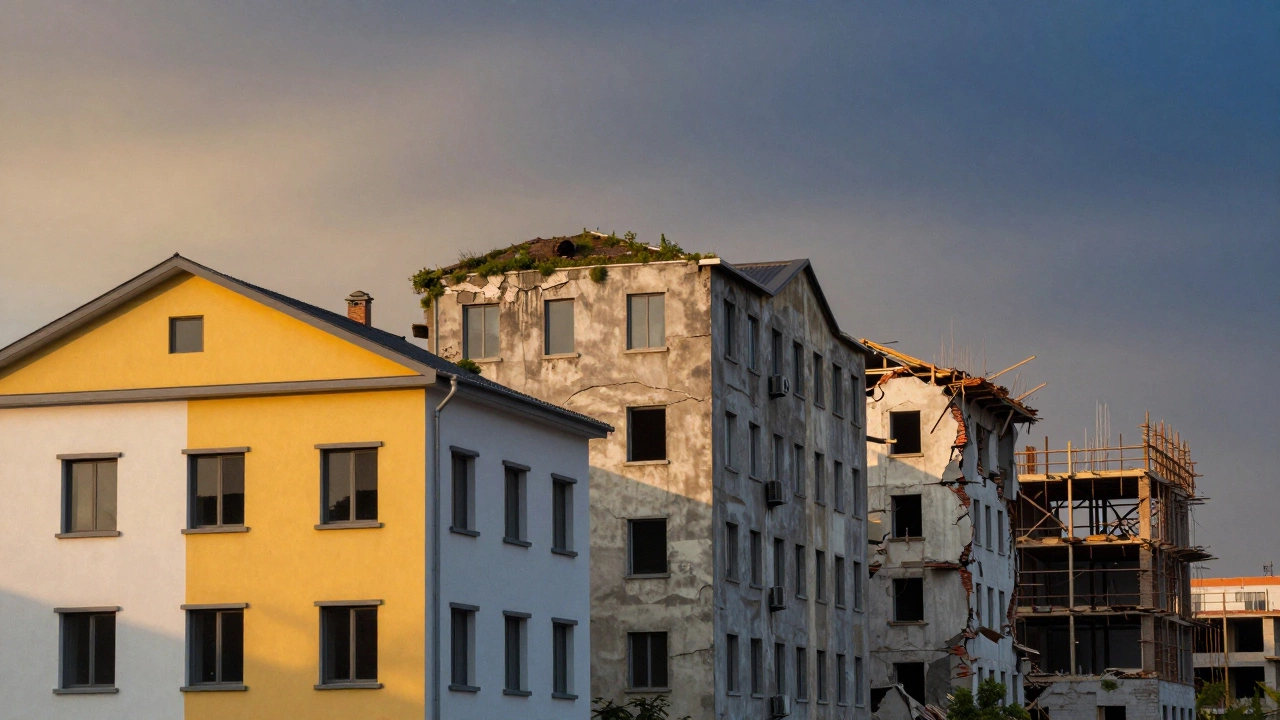
Eventually, even the best structures need replacement. Knowing when to renovate versus demolish depends on cost analysis. Major structural repairs often signal the end of a lifecycle. If repairing the foundation exceeds 60% of the home's market value, demolition makes more sense financially.
Sustainable design aims to delay this moment. Using recycled aggregates in concrete reduces carbon footprint but maintains strength. Choosing local hardwoods instead of imported softwoods increases resistance to pests. These choices add upfront cost but stretch the total usable years.
Always verify warranties on installed products. A 20-year roofing warranty looks good on paper. Read the exclusions. Do they cover wind storms common in your area? Some policies void coverage if regular maintenance was skipped. Keep records of every inspection.
Conclusion on Longevity Expectations
Expecting a building to last forever ignores physics. Expecting it to fail quickly ignores engineering. The sweet spot lies between diligent care and realistic planning. Aim for fifty years of active service with proper upkeep. Prepare for significant refresh cycles at the twenty-five-year mark. Respect the materials. Respect the codes. Most importantly, respect the need for consistent attention to keep your shelter safe.
What is the average lifespan of a timber-framed house in Australia?
A well-maintained timber-framed house can last 50 to 60 years. However, termite infestations or moisture issues can drastically reduce this timeframe without professional pest management and waterproofing checks.
How long does a builder guarantee their work?
In Victoria, the statutory warranty is generally 6 years for minor defects and potentially up to 15 years for major structural defects depending on specific contractual agreements and state legislation.
Can I increase the lifespan of my new build?
Yes, strictly adhering to a maintenance schedule, replacing deteriorating seals early, and upgrading outdated systems like plumbing or electrical wiring helps extend the effective life of the structure.
Do building codes affect how long a home lasts?
Absolutely. Compliance with the National Construction Code ensures minimum performance standards for fire safety, structural integrity, and weather tightness, preventing premature failure.
When should I consider renovating instead of rebuilding?
Consider renovation if the core structure is sound but finishes are dated. If repair costs approach 60% of the property value, or if the footprint doesn't suit modern needs, rebuilding might be the better financial choice.