Storage Units are often the go-to solution when life gets crowded, whether you are downsizing, renovating, or dealing with seasonal items. Many homeowners ask if these metal boxes are truly secure enough for expensive dressers, sofas, or antique wooden tables. The short answer is yes, storage units are safe for furniture, but only if you choose the right facility and take protective steps. Leaving your possessions in a standard shed during extreme weather seasons can lead to costly damage, so understanding the risks is just as important as finding a place to store them.
The safety of your items depends heavily on environmental controls. Most basic self-storage facilities operate as dry sheds, which keep rain out but lack active regulation of indoor air quality. Without this, humidity can fluctuate wildly between freezing nights and humid afternoons. Wood absorbs moisture, expands, contracts, and eventually cracks or warps. This is where climate-controlled units become essential for high-value pieces.
Understanding Climate Control Risks
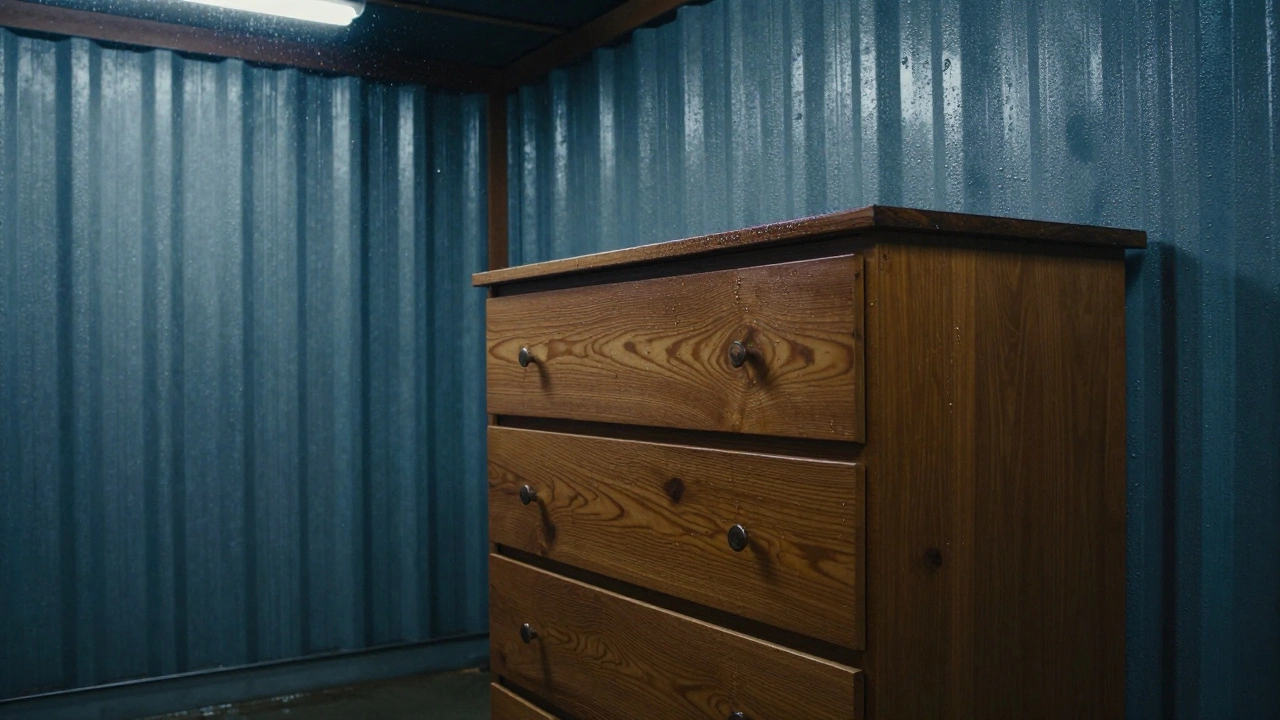
When you hear the term "climate-controlled," it usually means the space maintains a consistent temperature and humidity level year-round. Imagine placing a mahogany dresser in a room where the temperature swings from 35 degrees to 90 degrees. The finish on the wood will react to those changes faster than the interior frame does, causing stress fractures. Leather upholstery suffers similarly; heat dries it out, making it brittle and prone to tearing, while cold makes it rigid.
Moisture is the real enemy here. In a standard unit, condensation forms on walls and ceilings when warm air meets cool metal surfaces. This water drips onto whatever you have stacked below. If you leave a cardboard box full of books on the floor near an exterior wall, mildew will set in within weeks. Mold spores feed on the cellulose in paper and dust on fabric. Once mold takes hold on velvet curtains or wooden panels, cleaning costs often exceed replacement prices.
| Feature | Standard Unit | Climate-Controlled Unit |
|---|---|---|
| Temperature Range | Extreme (Outdoor temp) | Consistent (55-80°F) |
| Humidity Level | Variable (High risk) | Controlled (Below 50%) |
| Mold Protection | Low | High |
| Ideal For | Metal tools, plastic bins | Wood, electronics, art |
Security Measures and Theft Prevention
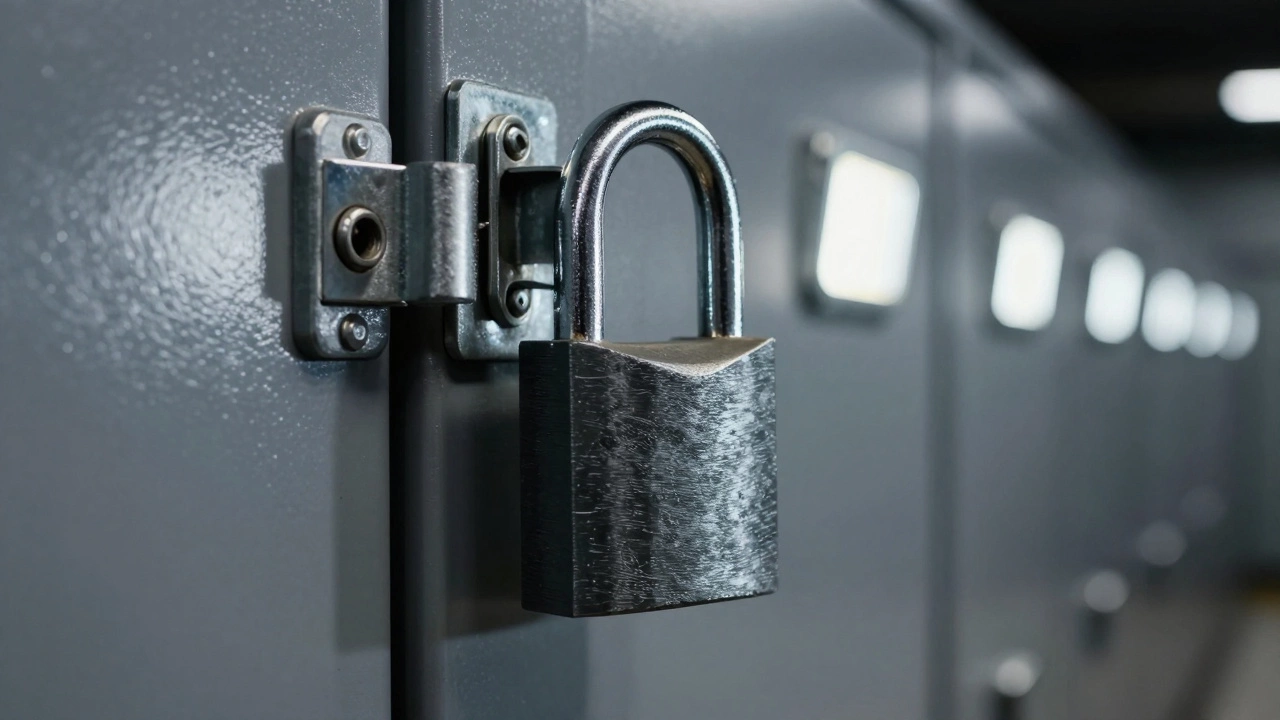
Beyond the weather, you need to consider physical security. While rare, break-ins do happen at storage facilities. The perimeter fencing is usually adequate, but individual unit doors are where the weakness lies. Most places provide basic padlocks, but these can be cut with bolt cutters by someone with malicious intent. You should invest in a high-quality steel disc brake lock. These have no exposed shackle for cutters to grab.
Facilities vary in their surveillance capabilities. Older sites might have one camera at the entrance, leaving blind spots behind rows of buildings. Modern operations now utilize 360-degree motion detection cameras and license plate recognition systems at the gate entry points. When touring a facility, ask specifically about their camera placement. If they cannot show you where the lenses face relative to your potential unit location, view it as a red flag.
Gated access is standard, requiring a personalized code or key fob to enter. Some premium locations add biometric scanners or require two-factor authentication via a mobile app. These layers matter because they create a log of who entered and when. If anything goes missing, this audit trail helps law enforcement identify the culprit quickly.
Pest Infestation Dangers
Rodents and insects are perhaps the most common threat to long-term storage contents. Bedbugs, cockroaches, and rodents seek sheltered spaces with warmth. If you move furniture wrapped in old paper or untreated cardboard directly into a unit, you might be bringing them along. Once they enter the facility, it becomes difficult to contain them.
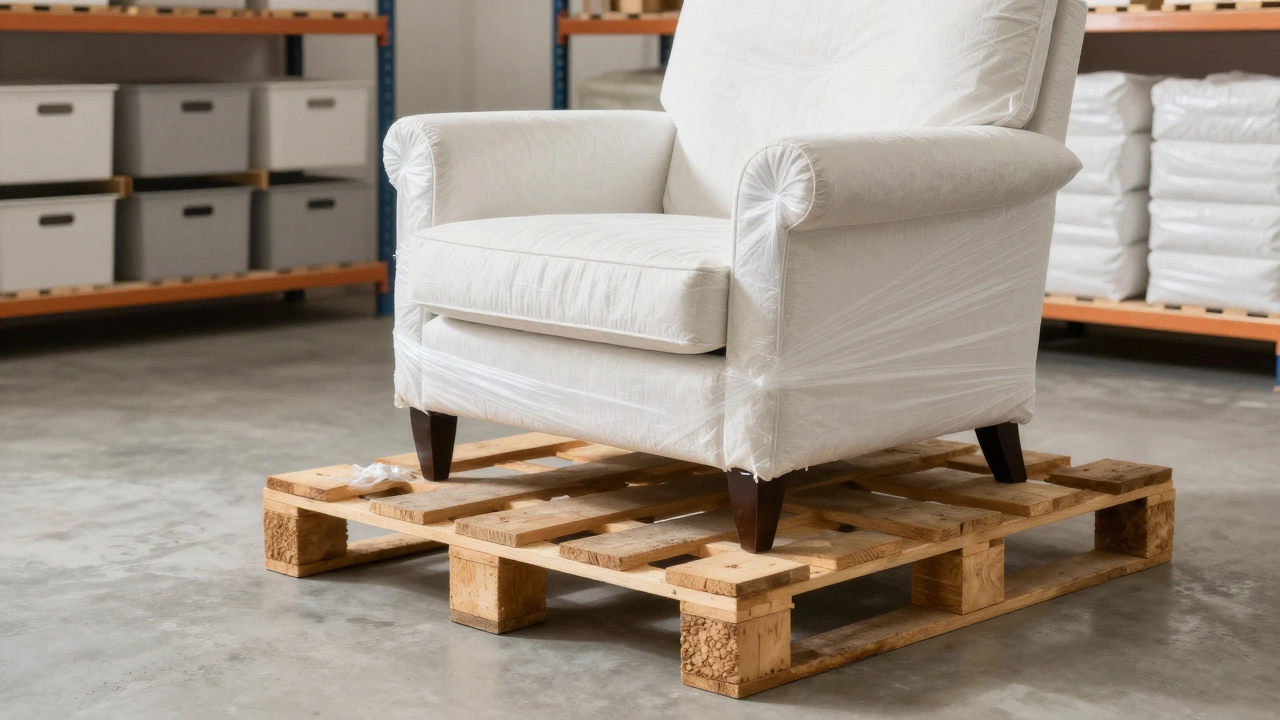
Cheap cardboard boxes offer nothing but a feast for termites and silverfish. Even if they don't eat your solid wood immediately, they tunnel through the packaging and contaminate your items with waste and scent markers. This scent attracts more pests from neighboring units. Always remove the original cardboard boxes from appliances or furniture legs before storing. Elevate everything off the concrete floor using wooden pallets or heavy-duty shelving units to discourage nesting behavior.
Protective Packing Techniques
To mitigate damage, treat your furniture with the same care as a museum curator would. Use breathable plastic shrink wrap instead of sealed garbage bags. Sealed traps moisture inside, cooking the furniture under the plastic layer. Breathable fabric covers allow the wood to "breathe" while keeping dust away.
For delicate finishes, move blankets provide cushioning against shifting during transport. Wrap mirrors and glass doors individually in bubble wrap before sliding them into larger coverings. Avoid stacking heavy items on top of soft upholstery. Gravity will permanently crush foam cushions over months of disuse. Keep heavy items on the bottom and lighter, less sturdy pieces higher up on shelves.
Moving blankets are thick, padded covers designed to protect surfaces during transit and storage. Using these alongside corner protectors ensures your sofa arms or chair edges remain sharp rather than scuffed.Insurance Coverage Essentials
This is the step most people skip until it is too late. Your homeowner's insurance policy typically provides limited coverage for items off-premises, usually capping claims at $1,000 to $2,500. If you have a $10,000 grand piano in a unit, you are mostly uncovered. Check your policy specifically for "off-premises personal property." You will likely need to buy a separate rider or a specific storage insurance plan through the facility.
Some facilities bundle insurance into the lease, offering minimal liability protection. Read the terms carefully. Many clauses exclude damage caused by negligence, such as failing to use a lock. Others exclude floods or acts of nature entirely. Independent policies often offer broader protection against fire, theft, and vandalism. It is worth paying the extra monthly premium for peace of mind when the contents are significant.
Alternatives to Traditional Storage
If the costs and risks of renting a unit seem too high, evaluate other options. Renting a container placed on your driveway eliminates the travel to a facility. These portable containers arrive empty and you fill them at your pace. Because they sit on your property, you retain daily access without waiting for office hours.
Family members' basements or garages can work, but relationships can strain over liability. If something breaks in their space, who pays? Written agreements help, but trust is better. Professional consignment is another route for high-value antiques where a dealer might take items on commission, ensuring they stay displayed and cared for.
Cost-Benefit Analysis
Weighing the expense against the risk is crucial. A small ten-by-ten climate-controlled unit costs roughly $100 to $150 per month depending on the region. Over a year, that adds up to $1,200 to $1,800. Compare this to the cost of restoring water-damaged furniture or replacing a stolen collection. If you own heirlooms or high-end custom pieces, the rental fee is cheaper than buying new.
However, for generic plastic chairs or metal shelving, a standard drive-up unit suffices. Save the climate control budget for sensitive materials like electronics, documents, musical instruments, and fine woods. Prioritize your inventory list before signing the lease agreement. Categorize items by vulnerability to decide if the upgrade is necessary.
Can I store a sofa in a regular outdoor unit?
You can, but expect risks. Outdoor units expose fabric to temperature swings that dry out foam and crack stitching. For fabric or leather sofas, always upgrade to a climate-controlled space to prevent permanent texture damage.
Does my renter's insurance cover items in storage?
Most standard policies offer limited off-premises coverage, often capped at a low percentage of your total limit. Contact your agent to buy a scheduled personal property floater or specific storage insurance rider to ensure full replacement value is covered.
How do I prevent bugs in my storage unit?
Remove all food sources and cardboard packaging. Seal the unit tightly once closed. Place silica gel packets inside plastic bins to absorb residual moisture that attracts pests. Inspect items regularly if possible.
Is it safe to store mattresses vertically?
Storing mattresses upright is risky as it stresses the coils and foam layers. It is best to keep them flat. If space is tight, roll a memory foam mattress tightly in a dedicated storage bag and stand it upright, but keep traditional innerspring models flat to maintain support.
What kind of lock should I buy for a storage unit?
Purchase a hardened steel cylinder lock or a disc-brake padlock. These resist bolt cutters and saws. Avoid cheap combination padlocks found at hardware stores as they are easily manipulated.
Should I put plastic sheeting on furniture?
Avoid sealing furniture in non-breathable plastic. Condensation builds up inside the wrap, leading to rust on metals and mold on wood. Use breathable cotton covers or shrink wrap specifically designed for moving and storage.