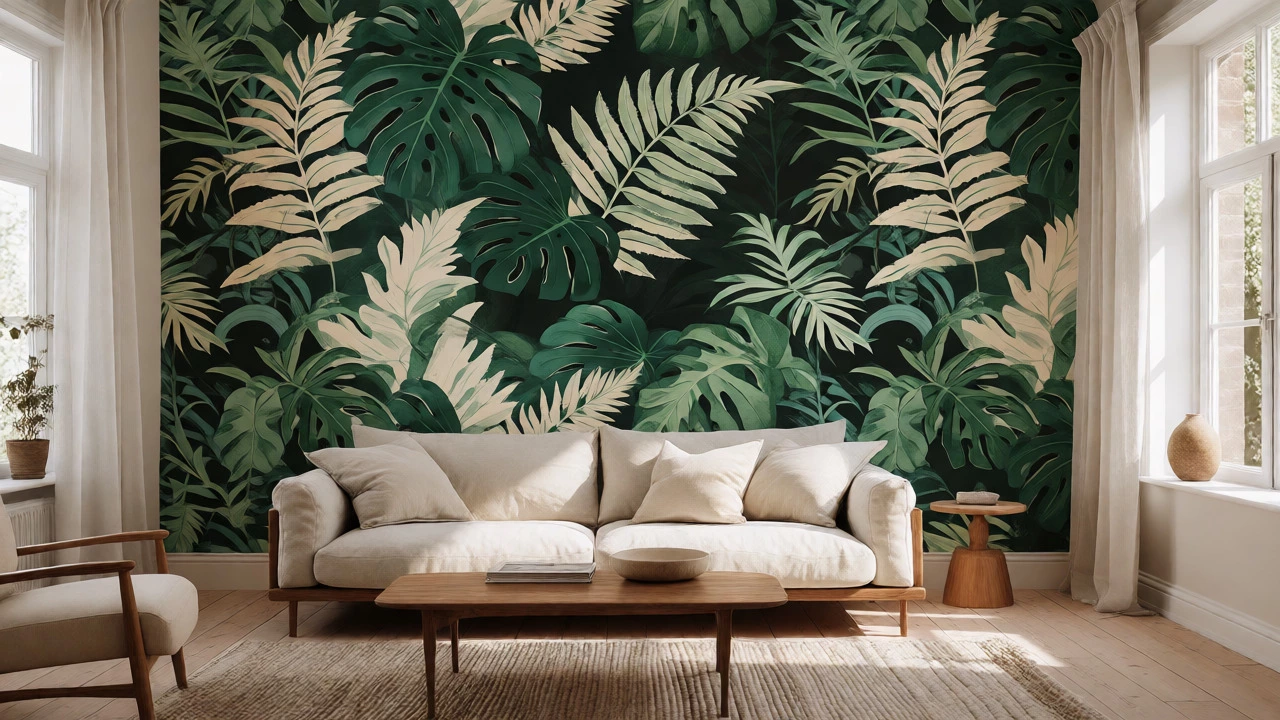

Future Wall Simulator & Estimator
Photosynthesis Active
Absorbing CO2 • Releasing O2
Dynamic Display
Zero Backlight Power
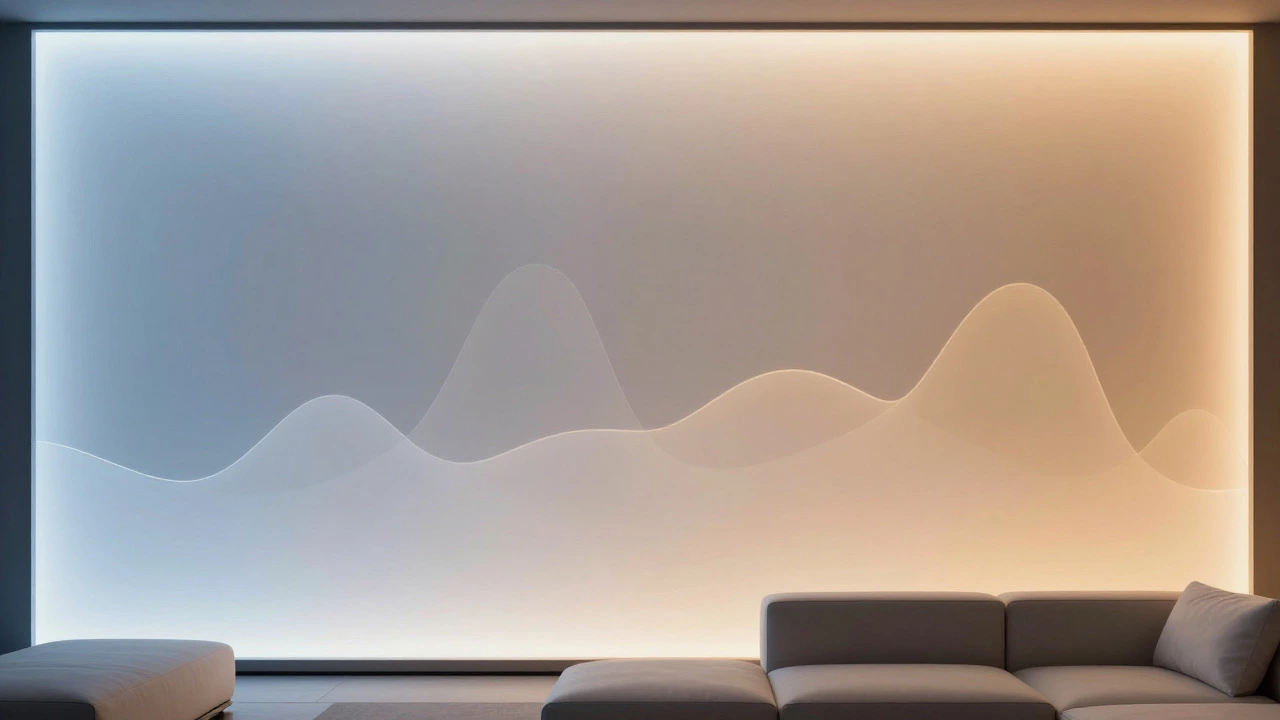
Imagine walking into a room where the walls breathe. Not metaphorically, but literally. They adjust their opacity to let in morning light, change color to match your mood, and even purify the air you’re breathing. This isn’t science fiction from a distant galaxy; it’s the projected reality of wallpaper trends in 2050. We are moving past the era of static paper and vinyl rolls toward dynamic, living surfaces that integrate technology, sustainability, and psychology into the very fabric of our homes.
The year 2050 represents a critical inflection point for interior design. With global climate pressures peaking and digital integration becoming seamless, the materials we choose for our walls will do far more than just look good. They will work for us. If you’re planning a renovation or simply curious about where home decor is heading, understanding these shifts is essential. The walls of tomorrow are smart, green, and deeply personal.
The Rise of Bio-Active Surfaces
The most significant shift in wallpaper by 2050 is the move away from synthetic polymers toward bio-engineered materials. For decades, we relied on PVC and plastic-based wallpapers that trapped heat and off-gassed chemicals. That model is obsolete. By mid-century, the standard will be bio-active wallpaper, which is a surface material grown from algae, mycelium, or bacterial cellulose.
Think of this as planting a garden on your walls, but without the dirt or maintenance. These materials are carbon-negative, meaning they absorb more CO2 during their production than they emit. A prominent example is algae-infused wall panels. These panels contain dormant algae spores that activate when exposed to humidity. As the moisture rises-perhaps from cooking dinner or showering-the algae photosynthesize, pulling carbon dioxide out of the room and releasing oxygen. It’s a passive air purification system disguised as decor.
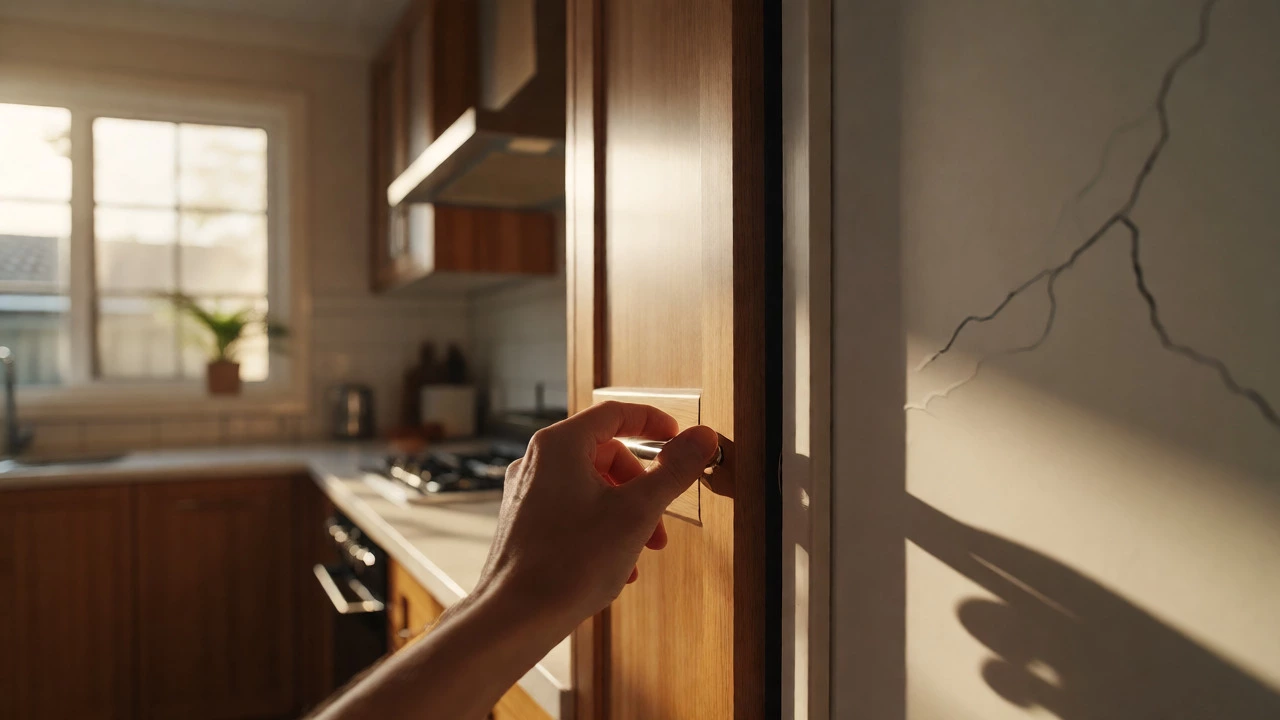
Furthermore, these materials are self-healing. Minor scratches or dents can be repaired by applying a nutrient-rich mist, causing the cellular structure to regenerate. This drastically reduces waste. In 2026, we might toss a torn wallpaper strip; in 2050, we’ll feed it. This aligns with the broader circular economy principles that have become mandatory in construction codes across major cities like London, Tokyo, and New York.
Smart Pixels and E-Ink Integration
If biology handles the environmental side, electronics handle the aesthetic flexibility. The concept of "static" design is dying. By 2050, smart wallpaper integrates micro-display technologies such as electronic ink (e-ink) and flexible OLEDs directly into the wall substrate. You won’t need to paint over a bold floral pattern if you decide you want a minimalist gray tone. You’ll simply swipe a command on your interface, and the wall changes instantly.
This technology evolves significantly from the early e-paper displays we see today. Early versions were monochrome and slow to refresh. The 2050 iteration uses transparent conductive films made from silver nanowires, allowing for full-color, high-resolution imagery with zero backlight power consumption when displaying static images. This means your "wallpaper" doesn’t drain your home battery. It only uses energy when changing patterns.
Consider the practical implications for families. Parents can switch a child’s bedroom from a vibrant dinosaur jungle to a calming starry night sky with a voice command. For remote workers, the office wall can display productivity metrics, calendar schedules, or even simulate a window view of a forest to reduce eye strain. The wall becomes an interactive canvas, bridging the gap between physical space and digital information.
Haptic Feedback and Sensory Immersion
Visuals are only half the experience. The next frontier in wallpaper trends is tactile interaction. We are seeing the rise of haptic wallpaper, which utilizes micro-vibrational motors and shape-memory alloys embedded within the wall layer. This allows the wall to respond to touch not just visually, but physically.
Why does this matter? Accessibility and immersion. For visually impaired individuals, haptic wallpaper can provide navigational cues or textural maps of the room layout. In entertainment spaces, the walls can vibrate subtly to sync with music or movie soundtracks, creating a true surround-sense experience. Imagine watching a storm scene and feeling the rumble of thunder through the wall behind your sofa. It’s a subtle enhancement, but it deepens the emotional connection to the space.
Additionally, these surfaces can adapt texture based on temperature or user preference. A smooth, cool surface for summer evenings, or a textured, warm feel for winter comfort. This level of sensory customization was impossible with traditional materials, which offered a single, unchanging texture throughout their lifespan.

Biophilic Design: Bringing Nature Indoors
While smart tech gets the headlines, the psychological trend driving 2050 interiors is biophilia-the innate human desire to connect with nature. However, we aren’t just talking about potted plants anymore. biophilic wallpaper aims to replicate the fractal patterns, organic textures, and dynamic lighting of natural environments.
Research shows that exposure to natural patterns reduces cortisol levels and lowers blood pressure. In 2050, designers use algorithmic generation to create wallpaper patterns that mimic the complexity of fern fronds, tree bark, or water ripples. But unlike a printed photo, these patterns shift slowly, mimicking the movement of wind through leaves or the flow of a stream. This dynamic movement prevents visual fatigue, keeping the brain engaged but relaxed.
We also see the integration of actual living moss and lichens into sealed, low-maintenance wall units. These aren’t just decorative; they regulate indoor humidity naturally. The combination of digital simulation and real biological elements creates a hybrid environment that supports mental health. In urban centers where green space is scarce, your walls become your sanctuary.
Sustainability and Circular Economy Standards
By 2050, sustainability is no longer a marketing buzzword; it’s a legal requirement. The wallpaper industry has undergone a radical transformation to meet strict carbon neutrality standards. The days of sending wall coverings to landfills are over. Every roll of wallpaper produced comes with a digital passport, tracking its material origin, carbon footprint, and end-of-life recycling instructions.
Manufacturers now use modular design principles. Instead of gluing layers together permanently, components are assembled using reversible adhesives. When you want to update your walls, you can disassemble the panel, recycle the structural backing, and compost the bio-active face layer. This closed-loop system ensures that resources stay in use for as long as possible.
Consumers are also incentivized to return old materials. Many brands offer buy-back programs where returning used wallpaper earns credits toward new purchases. This economic model encourages responsible disposal and drives innovation in recyclable materials. It’s a shift from ownership to stewardship, reflecting a broader cultural change in how we value goods.
| Feature | Current Standard (2026) | Future Trend (2050) |
|---|---|---|
| Material Base | PVC, Vinyl, Paper | Algae, Mycelium, Bacterial Cellulose |
| Customization | Static Print, Manual Change | Digital E-Ink, Instant Switch |
| Environmental Impact | Carbon Positive, Landfill Waste | Carbon Negative, Compostable/Recyclable |
| Functionality | Aesthetic Only | Air Purification, Haptic Feedback |
| Lifespan | 5-10 Years | Indefinite (Self-Healing/Modular) |

Privacy and Data Security in Smart Walls
With great connectivity comes great responsibility. As walls become smarter, they also become data collectors. Cameras, microphones, and sensors embedded in smart wallpaper raise valid privacy concerns. By 2050, robust encryption standards and local processing (edge computing) are the norm. Your wall processes data locally rather than sending it to the cloud, ensuring that your personal interactions remain private.
Users have granular control over what their walls can "see" and "hear." Physical shutters can block cameras, and software switches disable microphones. Transparency is key; indicators show when sensors are active. Regulations like the Global Digital Privacy Act enforce strict penalties for unauthorized data collection, giving consumers peace of mind. Trust is the currency of the future home, and manufacturers must earn it through secure, ethical design.
Cost and Accessibility Considerations
You might wonder if these futuristic walls are only for the wealthy. Historically, new tech starts expensive and trickles down. By 2050, economies of scale have made bio-materials and e-ink components affordable for the average homeowner. Mass production techniques, similar to those used in smartphone manufacturing, have driven costs down significantly.
However, installation requires specialized skills. Traditional painters may not be equipped to handle bio-active substrates or calibrate haptic sensors. This has led to the rise of certified "Surface Technicians" who install and maintain these advanced systems. While the upfront cost might be higher than standard paint, the long-term savings on energy, air purification, and replacement materials make it a financially sound investment.
Will wallpaper still exist in 2050?
Yes, but it will look and function very differently. Traditional paper and vinyl wallpapers will likely be niche products for historical restorations. The mainstream market will shift to bio-active, smart, and modular wall coverings that offer functionality beyond aesthetics, such as air purification and digital customization.
How does bio-active wallpaper clean the air?
Bio-active wallpaper often contains engineered algae or bacteria that photosynthesize. When exposed to moisture and light, these organisms absorb carbon dioxide and volatile organic compounds (VOCs) from the air, releasing oxygen. It acts as a passive, large-scale air filter integrated directly into the wall surface.
Is smart wallpaper expensive to install?
Initial costs are higher than traditional painting due to the technology involved. However, by 2050, mass production makes it accessible. The long-term value comes from reduced energy bills (via better insulation/lighting), lower maintenance, and the elimination of frequent repainting. It’s an investment in efficiency and longevity.
Can I change my smart wallpaper design easily?
Absolutely. One of the biggest advantages of e-ink and OLED-integrated wallpaper is instant customization. You can change colors, patterns, or even display information with a simple app command or voice instruction. There’s no need for glue, scrapers, or paint fumes.
Are there privacy risks with smart walls?
Like any connected device, there are potential risks. However, by 2050, strict regulations and edge-computing standards ensure that data is processed locally on the device rather than sent to the cloud. Users have full control over sensors, with physical and software switches to disable cameras and microphones when needed.