Roof Cost Calculator
Estimate Your Roof Replacement Cost
Based on industry data from the article, this calculator shows how your roof's size, pitch, and materials affect the total cost. See the breakdown of why roof work is expensive.
Input Your Roof Details
Cost Breakdown
Note: This is an estimate based on industry averages. Actual costs may vary based on your location, specific roof conditions, and contractor rates. Always get multiple detailed quotes.
Ever gotten a quote for a new roof and felt like you were being charged for the moon? You’re not alone. Roof work doesn’t just cost more than fixing a leaky faucet or repainting a room-it often costs more than a new kitchen or bathroom. And when you see the final number, it’s easy to wonder: Why is roof work so expensive? The answer isn’t just about materials or contractors marking up prices. It’s a mix of physics, risk, labor, and hidden realities most homeowners never see.
It’s Not Just the Shingles
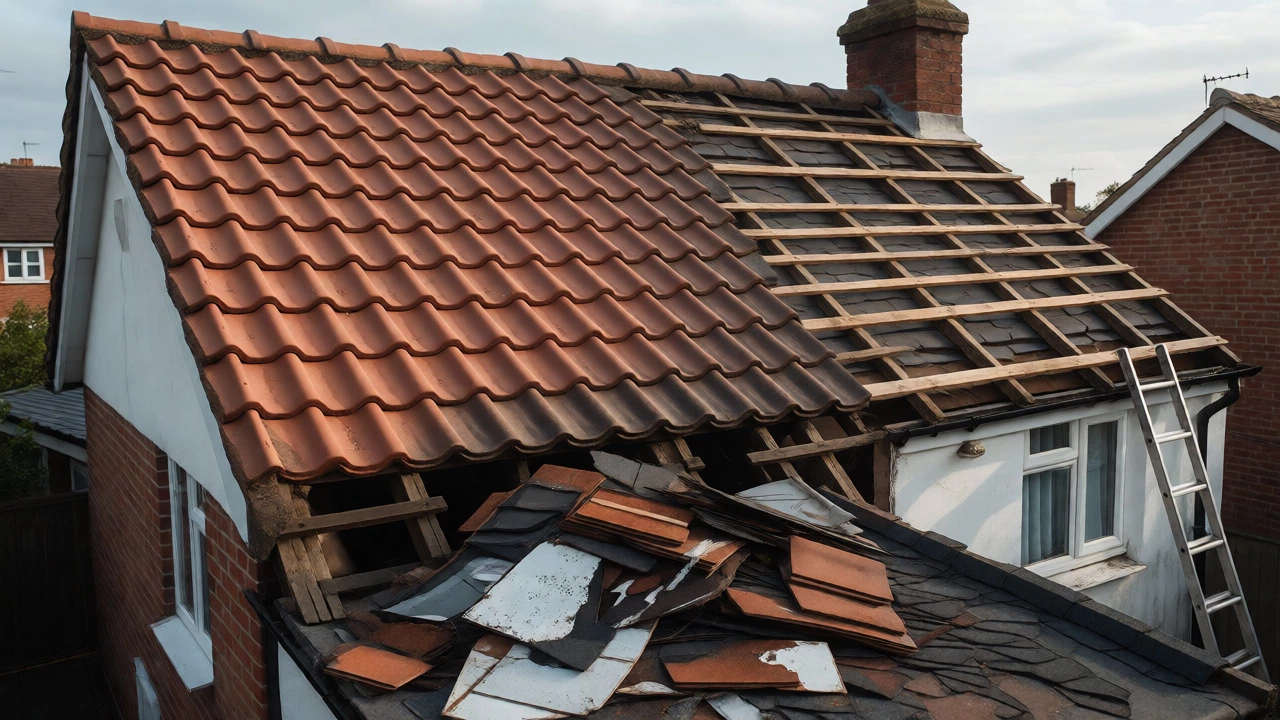
Most people think roofing cost is mostly about the shingles. But asphalt shingles? They’re actually one of the cheapest parts. A standard bundle of three-tab shingles runs about $30 to $40. A typical home needs 100 to 150 bundles. That’s $3,000 to $6,000 for shingles alone. Sounds like a lot? Now compare that to the total roof replacement cost, which averages $10,000 to $20,000. That means the shingles make up less than half the bill. So where’s the rest going?The rest is in the layers underneath. Old roofs aren’t just shingles on wood. They’re multiple layers: underlayment, drip edge, flashing, ice and water shield, plywood decking, ventilation systems, and sometimes even a second or third layer of old shingles that have to be torn off. That’s not just junk to throw away-it’s tons of debris. A 2,000-square-foot roof can generate 3 to 5 tons of waste. Hauling that off costs money. Dump fees alone can run $150 to $300 per load. And if your roof has multiple layers, you’re paying for multiple tear-offs.
Labor Isn’t Cheap-And It’s Dangerous
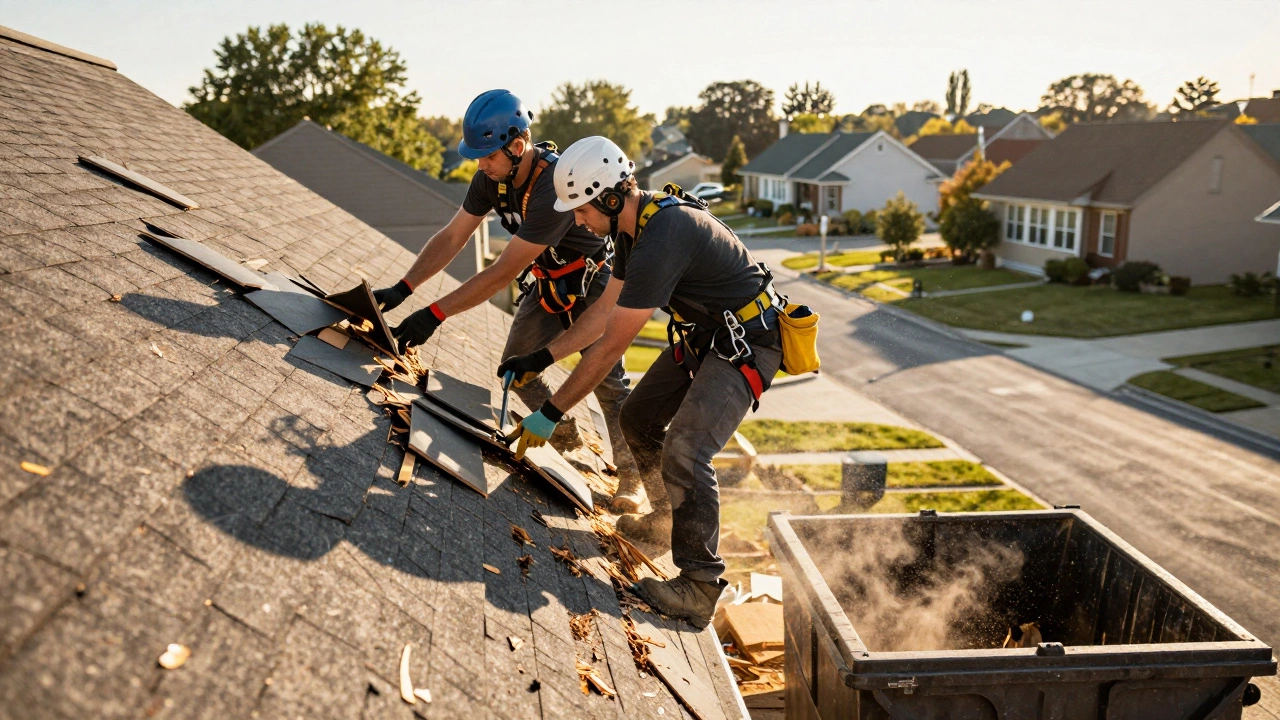
Roofing isn’t a weekend project you can do yourself. It’s a job that requires skill, experience, and a serious tolerance for heights. A professional roofer doesn’t just lay shingles. They measure, remove, inspect, repair, flash, seal, and install ventilation-all while standing on a sloped surface that can be wet, icy, or covered in loose nails.Roofing is one of the most dangerous jobs in construction. The U.S. Bureau of Labor Statistics reports roofers have one of the highest fatality rates per 100,000 workers. That’s not just a statistic-it’s why roofing companies pay higher wages, carry expensive insurance, and invest in safety gear. A good roofer makes $25 to $40 an hour, and a full roof job takes 2 to 5 days for a crew of 3 to 5 people. That’s $1,500 to $6,000 in labor alone, just for the crew. Add in supervisors, dispatchers, and administrative overhead, and you’re looking at labor making up 50% to 60% of the total cost.
Materials Are More Complex Than You Think
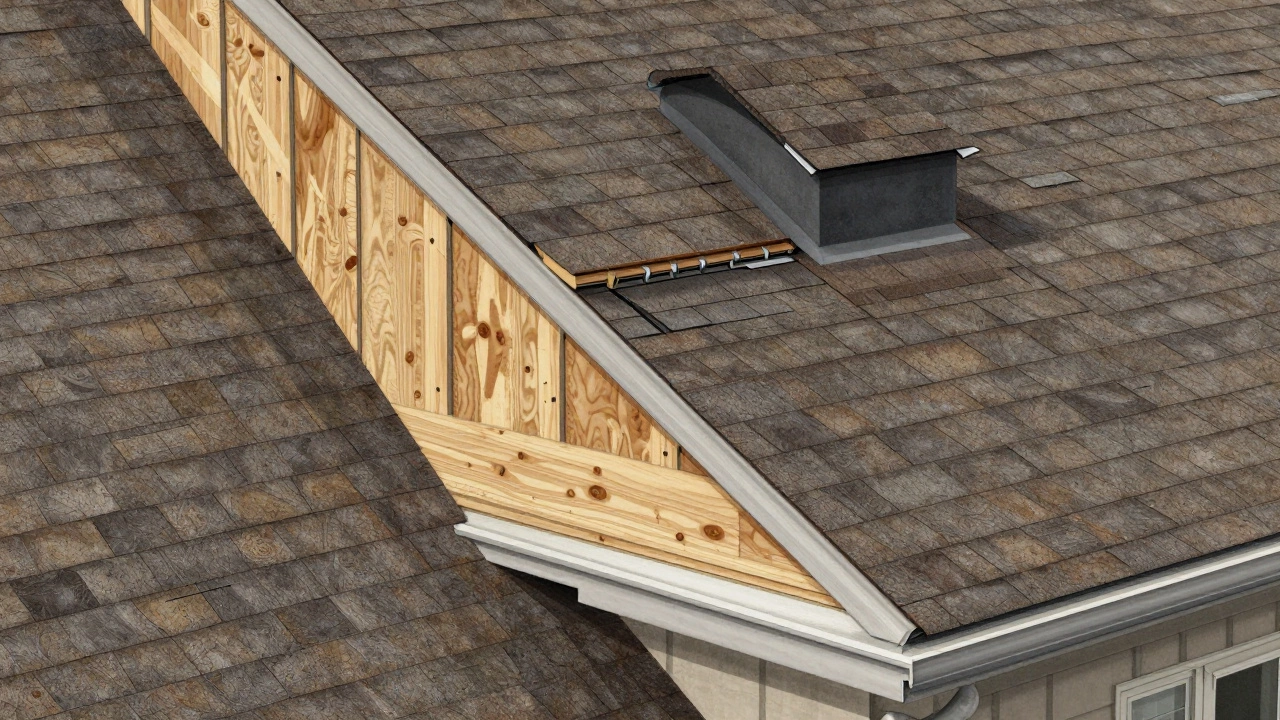
Not all shingles are created equal. Asphalt shingles are the most common, but they come in different grades. Three-tab shingles are the budget option. Architectural shingles? They’re thicker, heavier, and last longer-often twice as long. They cost $10 to $20 more per square (100 sq. ft.), but they also look better and hold up to wind better. Then there’s metal roofing, clay tiles, or slate. Metal can cost $15,000 to $30,000. Slate? $20,000 to $70,000. Even if you stick with asphalt, the quality of the underlayment matters. Synthetic underlayment is $0.50 to $1.50 per sq. ft. Older felt paper is cheaper, but it degrades faster. Roofers don’t use it anymore because it doesn’t hold up in moisture-heavy climates.Flashing is another hidden cost. That thin metal strip around chimneys, vents, and skylights? It’s critical. One bad flashing job leads to leaks. And leaks lead to rot, mold, and ceiling damage-costing thousands more later. Good roofers use custom-cut, corrosion-resistant aluminum or copper flashing. It’s not optional. It’s required. And it adds $500 to $1,500 to the job, depending on complexity.
Permits, Insurance, and Overhead
You don’t see it on the invoice, but every reputable roofer pays for permits. In most cities, a roof replacement requires a building permit. That’s $100 to $500, depending on location. Some areas also require energy efficiency inspections or wind uplift certifications. Then there’s insurance. General liability insurance for roofing contractors costs $3,000 to $8,000 a year. Workers’ comp? Even more. That’s not a cost they absorb-it’s passed on to you. A roofer without insurance is a risk. If someone gets hurt on your roof, you could be liable. That’s why licensed, insured contractors charge more-they’re protecting you.And don’t forget overhead. Trucks, tools, fuel, office staff, software for estimates, CRM systems, marketing, and even the cost of bidding on jobs-all of it gets factored in. A small crew might charge $8,000 for a roof. A larger company with a full team and a warehouse full of materials? They’ll charge $15,000. You’re not just paying for labor and materials. You’re paying for reliability, accountability, and peace of mind.
Weather and Timing Add Hidden Costs
Roofing isn’t something you can schedule on a rainy Tuesday. Weather dictates everything. If it rains during installation, the job stops. Crews can’t work on wet decking. That means delays. Delays mean extra labor hours, more equipment rental, and sometimes even the need to re-cover the roof with tarps to protect the structure. A job that should take two days might stretch to four. That’s extra pay for the crew, extra fuel, and extra wear on the equipment.Seasonal demand also drives prices up. Roofing companies are busiest in spring and early summer. That’s when most homeowners fix winter damage. In peak season, you might wait 6 to 8 weeks just to get on their calendar. And during that time, prices can rise 10% to 15% due to high demand and limited crews. If you wait until fall, you might get a better price-but you risk getting stuck with a half-done job before winter hits.
Roof Pitch and Accessibility
Not all roofs are the same. A simple gable roof on a ranch-style house? Easy. A steep-pitched roof on a Victorian home? That’s a whole different ballgame. Steeper roofs mean slower work. Crews need more safety lines, harnesses, and scaffolding. Some roofs have multiple levels, dormers, or complex valleys. Each one adds time. A 4:12 pitch is standard. A 10:12 pitch? That’s considered steep. A 12:12? That’s nearly vertical. Roofers charge extra for steep roofs because it’s slower, riskier, and requires more specialized equipment.Accessibility matters too. If your roof is surrounded by trees, power lines, or a narrow driveway, it’s harder to get materials up. A dumpster might have to be placed far away. Cranes or hoists might be needed. That’s extra equipment, extra labor, and extra time. One contractor told me about a job where they had to carry every shingle up a 30-foot ladder because the truck couldn’t get closer than 200 feet from the house. That job took 50% longer than normal.
What You’re Really Paying For
When you pay for a roof, you’re not just buying materials and labor. You’re buying protection. Your roof is the only thing between your home and the weather. A bad roof leads to water damage, mold, structural rot, and even electrical hazards. A good roof lasts 20 to 30 years. That’s a long time to avoid repairs that could cost $10,000 or more.Think of it this way: if you spend $15,000 on a new roof and it lasts 25 years, you’re paying $600 a year. That’s less than your monthly cable bill. But if you skip it and get a leak that ruins your attic, insulation, drywall, and flooring? You’re looking at $15,000 in repairs in one go. Plus, you’ll have to live with water stains, bad air, and a drop in home value.
Roofing isn’t expensive because contractors are greedy. It’s expensive because it’s hard, dangerous, and critical. The cost reflects the skill, risk, materials, and responsibility involved. A cheap roof might save you money now-but it could cost you more later. And in home repair, the cheapest option is rarely the cheapest in the long run.
Is it cheaper to repair a roof or replace it?
It depends on the damage. If your roof is less than 15 years old and only has a few missing shingles or minor leaks, repairs might be enough. But if the decking is rotting, the underlayment is failing, or you’ve had multiple leaks in the past year, repairs are just temporary fixes. Replacing it now saves you from bigger costs later. Most roofers will tell you: if you’re spending more than 50% of the cost of a new roof on repairs, it’s time to replace it.
Can I save money by doing it myself?
Technically, yes-but it’s rarely worth it. Roofing requires specialized tools, safety gear, and knowledge. A mistake in flashing or ventilation can cause leaks you won’t notice for months. And if you get hurt, your homeowner’s insurance might not cover it. Plus, most manufacturers won’t honor warranties on DIY installations. You might save $5,000 upfront, but if you end up with water damage or voided warranties, you’re losing far more.
Why do quotes vary so much between contractors?
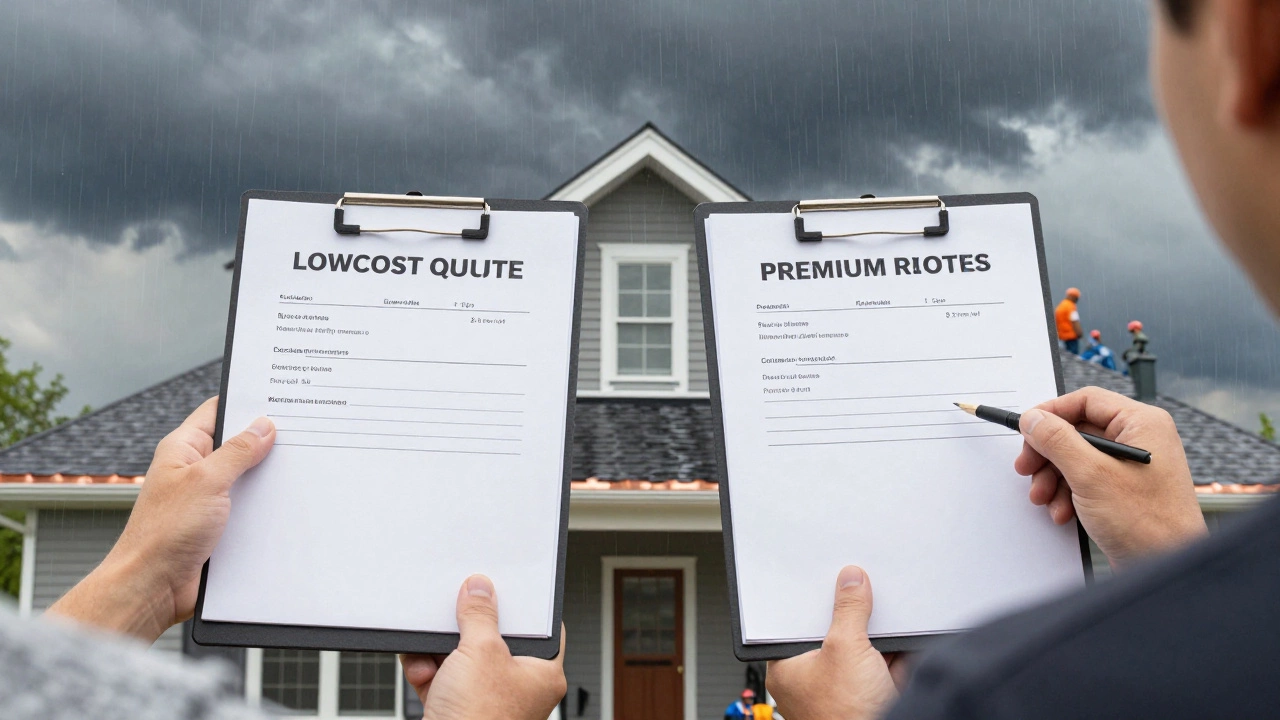
Three main reasons: material quality, labor experience, and overhead. One contractor might use basic 3-tab shingles and a two-person crew. Another might use architectural shingles, synthetic underlayment, copper flashing, and a five-person team with supervisors. The first might quote $9,000. The second might quote $18,000. Both are valid-but the second offers better durability, warranty, and protection. Always ask what’s included in the quote.
Does the type of roof affect the cost?
Absolutely. Asphalt shingles are the most affordable. Metal roofs cost 2 to 3 times more but last 40 to 70 years. Clay tiles are even pricier and heavier, requiring reinforced decking. Slate is the most expensive but can last over 100 years. The roof type you choose should match your budget, climate, and how long you plan to stay in the home.
Are there hidden fees I should watch out for?
Yes. Watch for charges not listed upfront: disposal fees, permit fees, removal of old vents or skylights, extra labor for steep pitches, or charges for debris cleanup. A detailed quote should list every item. If it doesn’t, ask for a line-by-line breakdown. Never pay a deposit without a signed contract that includes all terms.
If you’re planning a roof replacement, get at least three quotes. Don’t choose the lowest. Choose the one that explains the most-what materials they’re using, how they’re handling flashing, what warranty they offer, and how they’ll protect your property. A good roofer will answer every question without pushing you. And that’s worth more than the cheapest price.