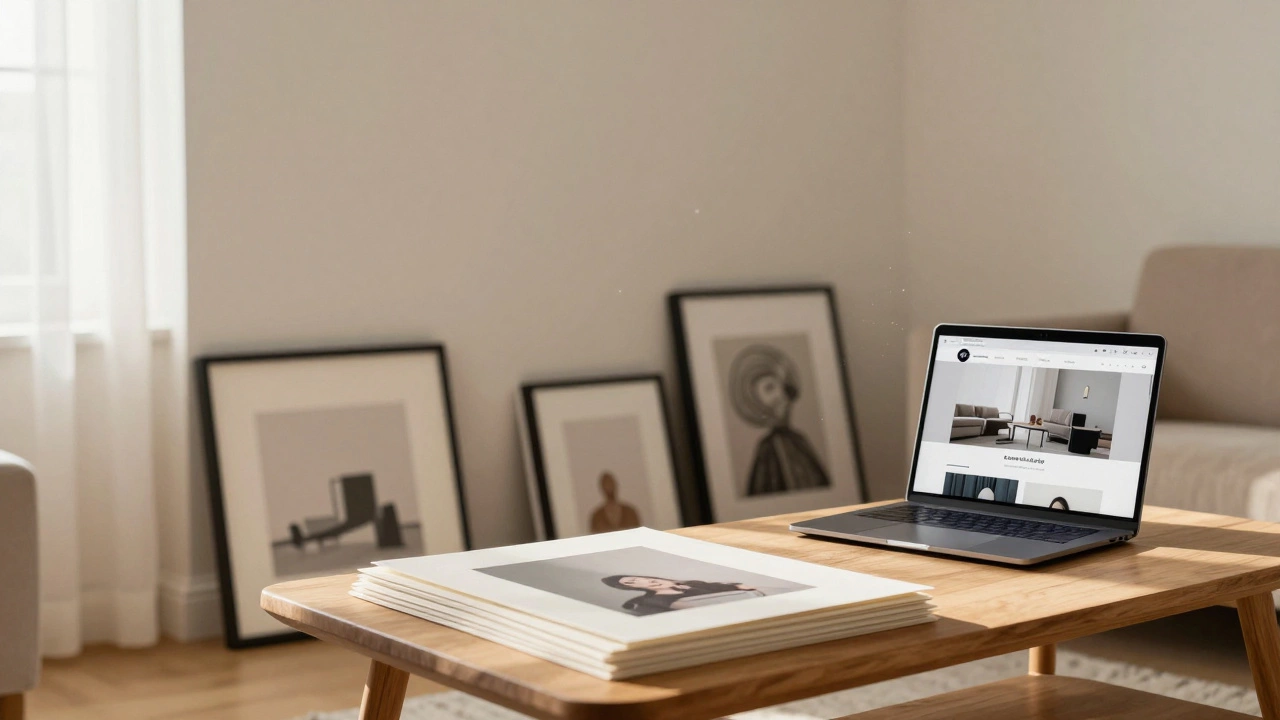
Free Wall Art Strategy Generator
Discover the best way to get gallery-quality decor for free based on your resources and style preferences.
Recommended Strategy:
Pro Tip:
Estimated Cost:
You stare at that blank wall. It’s glaring back at you, demanding attention but refusing to say anything interesting. You want to fill it with something stylish, something that says 'I have taste,' but your bank account is whispering a very different story. Here is the good news: you do not need to spend a dime to make your walls look expensive. In fact, some of the best decor in top-tier interior design magazines costs absolutely nothing.
Finding free wall art isn't about settling for scraps. It is about knowing where to look and having the creativity to repurpose what others throw away or give away. Whether you are a digital downloader who likes clicking buttons or a scavenger who loves rummaging through bins, there is a method here for you. Let’s break down exactly where you can source high-quality art without opening your wallet.
Digital Downloads: The Instant Fix
If you have a printer and a computer, you have an endless supply of gallery-quality art at your fingertips. The internet has democratized design, meaning artists often release work for free to build their portfolios or grow their email lists. This is the fastest way to get art on your walls today.
Unsplash is probably the most famous name in free stock photography, but people forget they use it for art. You can download high-resolution images of landscapes, abstract textures, or moody cityscapes. Print them on heavy cardstock, frame them in thrifted frames, and you have a modern minimalist look. No watermarks, no attribution required for personal use.
For more curated aesthetic vibes, check out Pinterest. Search for "free printable art" or "digital downloads." Many independent designers offer PDF files of botanical prints, vintage maps, or typography quotes. Just be careful to read the license. Most are for personal use only, which is perfect for your living room, but don't try to sell them.
Here is a pro tip: Do not just print on plain copy paper. It looks cheap. Go to a local office supply store and buy a pack of matte photo paper or textured cardstock. It costs maybe five dollars, but the difference in quality between glossy inkjet paper and thick cardstock is night and day. Pair that with a simple black frame from a discount store, and nobody will know it came from a PDF file.
The Thrift Store Goldmine
If you prefer physical objects over pixels, thrift stores are your best friend. People donate framed art all the time because they are redecorating, moving, or just tired of looking at it. The key is patience and a willingness to edit.
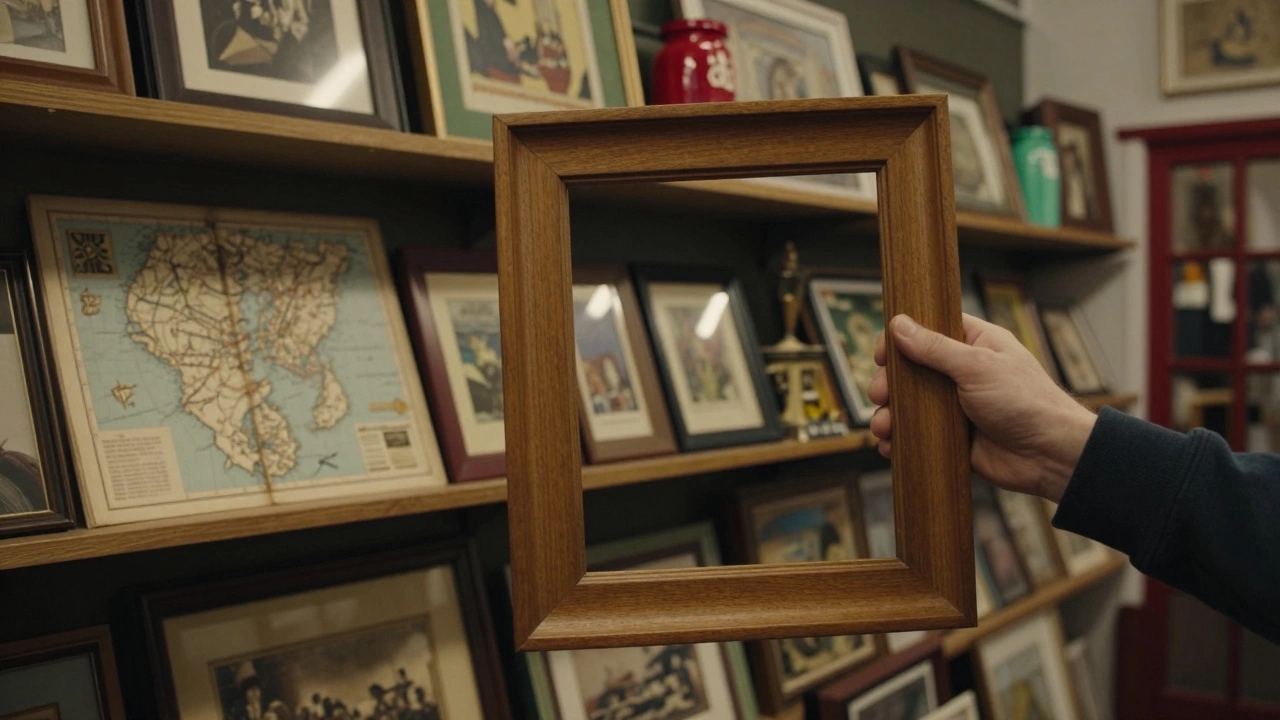
Walk into any Goodwill, Salvation Army, or local charity shop. Look for frames first. Often, you will find beautiful, solid wood frames holding terrible artwork-maybe a faded landscape from 1985 or a cheesy inspirational quote. Buy the frame. Leave the art. Or better yet, buy both if the total is under five dollars. Then, swap the backing. Put in one of those free digital prints we mentioned earlier. Now you have a unique piece that matches your style perfectly.
Sometimes, you will find great art in bad frames. A stunning oil painting trapped in a gaudy, gold-leaf frame? Take it home. Remove the glass (carefully), take off the old matting, and replace it with a clean white mat and a simple black frame. You just upgraded a $2 find into a $50 statement piece.
Curb Alerts and Freecycle
This requires a bit of hustle, but the rewards are massive. When people move, they leave things behind. Not just furniture, but decor. Check apps like Nextdoor, Facebook Marketplace, or Craigslist's "Free" section. Search for "moving sale leftovers" or "curb alert."
I once saw a woman post a photo of her entire dining room set being given away because she was downsizing. Included were three large mirrors and two framed prints. She gave it all away because hauling it was too much trouble. If you have a car and a strong back, you can score entire collections of wall decor for free.
Also, keep an eye on construction sites or renovation zones in your neighborhood. Sometimes contractors toss out decorative tiles, wooden planks, or even intact mirrors that just got scratched during demolition. These materials can be turned into rustic wall hangings or mosaic art projects.
Nature as Art: Foraging and Drying
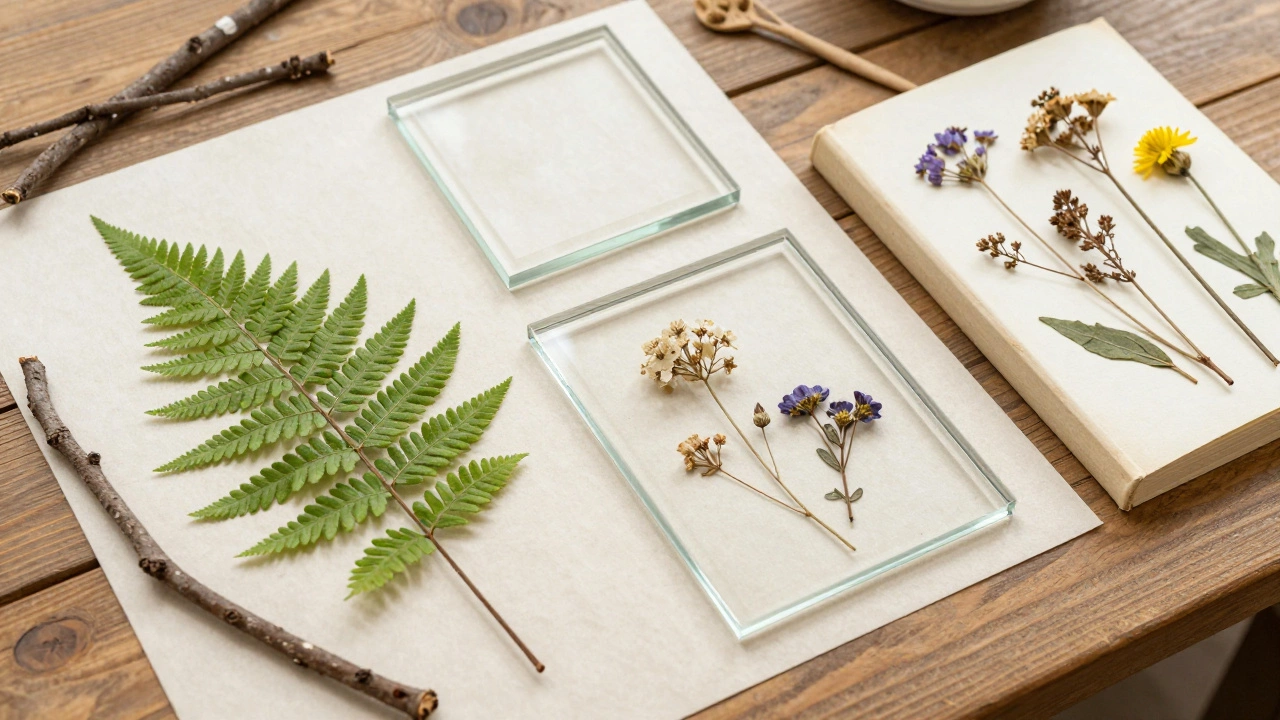
Why buy flowers when you can press them? Botanical art is huge right now, and nature provides the inventory for free. Walk in a park, a forest, or even your own backyard. Collect interesting leaves, ferns, wildflowers, or seed pods. Avoid protected species and stay off private property without permission.
To preserve them, use the book method. Place the specimens between sheets of parchment paper inside a heavy book. Add weight on top and wait two weeks. Once dried and flat, arrange them in a frame with clear glass. You can create a symmetrical pattern or a scattered natural look. It brings life and color indoors without costing anything.
You can also collect branches. Find interesting shapes-twisted roots, straight twigs-and mount them directly onto canvas or board using hot glue. Paint them white for a modern look, or leave them natural for a cozy vibe. This is essentially sculpture, and it adds texture to a room that flat prints cannot match.
DIY Textile and Fabric Art
Do you have old clothes, scarves, or fabric scraps lying around? Don't throw them away. Fabric makes incredible wall art, especially if you have access to a sewing machine or even just strong fabric glue.
Quilt squares are a classic. Cut up old t-shirts, flannel shirts, or tablecloths into uniform squares. Sew them together in a patchwork pattern. Stretch the resulting fabric over a wooden frame (you can nail thin strips of wood together) to create a tapestry-like effect. It’s warm, textured, and deeply personal.
Another option is macramé. While buying cord can cost money, you might have old jump ropes, shoelaces, or yarn balls gathering dust. Learn basic knots from YouTube tutorials. Create a geometric wall hanging. It adds softness to hard surfaces and looks incredibly trendy in bohemian or mid-century modern interiors.
Public Domain Archives
If you love classical art, history, or vintage illustrations, the public domain is a treasure trove. Museums like the Metropolitan Museum of Art and the Rijksmuseum offer high-resolution downloads of their older collections for free. These works are in the public domain, meaning no copyright restrictions exist.
You can download a Van Gogh sketch, a Renaissance portrait, or an ancient Egyptian hieroglyphic relief. Print these in large formats. They add sophistication and intellectual depth to a space. Imagine a detailed anatomical drawing from the 17th century framed in a sleek black border in a modern kitchen. It creates a striking contrast that feels curated and intentional.
| Source | Effort Level | Cost | Best For |
|---|---|---|---|
| Digital Downloads | Low | $0 (plus printing) | Quick updates, modern styles |
| Thrift Stores | Medium | $0-$5 | Vintage finds, unique frames |
| Curb Alerts/Freecycle | High | $0 | Bulk items, large pieces |
| Nature/Foraging | Medium | $0 | Organic, calming aesthetics |
| Public Domain Archives | Low | $0 (plus printing) | Classic, sophisticated looks |
Upcycling Household Items
Look around your house. What can become art? Old maps? Pin them to a corkboard and frame it. Sheet music from an old piano? Frame a page with a memorable melody. Vintage tickets, receipts, or postcards? Collage them into a scrapbook-style frame.
Kids' drawings are often tossed, but a particularly bold crayon masterpiece deserves a spot on the fridge-or better yet, a frame on the wall. It shows personality and warmth. Even broken plates can be used. If a ceramic plate shatters, save the largest shards. Arrange them in a shadow box frame. It becomes a colorful mosaic piece.
Community Resources
Don't overlook local resources. Community centers, libraries, and schools often host art classes or have surplus materials. Sometimes, student art programs allow you to adopt unsold pieces for free or for a donation to the school. It supports local education and gets you unique, hand-painted pieces.
Local artist groups sometimes hold open studios where they give away small prints or sketches to build buzz. Follow local arts councils on social media. They often post events where you can network and potentially walk away with free decor while supporting emerging talent.
Is it legal to print and frame free online images?
Yes, for personal use. Most free image sites like Unsplash or Pexels allow you to download and print photos for your home without asking permission. However, you cannot resell the printed art or use it for commercial purposes unless the license explicitly states otherwise. Always check the specific terms of use for each site.
How do I make cheap prints look expensive?
The secret is in the framing. Use thick, acid-free mat boards to create a border around the image. This gives the eye space to breathe and makes the print look larger and more significant. Choose simple, neutral-colored frames like black, white, or natural wood. Avoid ornate, plastic-looking frames. Hang the art at eye level, typically 57 inches from the floor to the center of the frame.
Can I really find good art at thrift stores?
Absolutely. Thrift stores are full of hidden gems. People donate items based on trends, not quality. You might find signed prints, original paintings, or high-end frames for pennies on the dollar. The trick is to look past the current trendiness and focus on the condition of the item and the potential for restyling.
What is the best paper type for printing free art?
Avoid standard glossy photo paper as it can look tacky and reflects light poorly. Opt for matte finish paper, cotton rag, or textured cardstock. These materials absorb ink better and provide a museum-like feel. If you have access to a professional print shop, ask for archival paper prints; they last longer and resist yellowing.
How do I preserve pressed flowers for wall art?
Ensure the flowers are completely dry before framing to prevent mold. Use silica gel packets in the frame if humidity is high. Seal the back of the frame properly to keep moisture out. Display the art away from direct sunlight, as UV rays will fade the colors quickly. With proper care, pressed botanicals can last for decades.