Curtain Length Calculator
Find Your Perfect Curtain Length
Select your room type and conditions to get the ideal curtain length recommendation.
N/A inches
Most people assume curtains should drag on the floor. It looks elegant, right? But that’s not always true. In fact, putting floor-length curtains in the wrong place can make a room feel smaller, messier, or even unsafe. The truth is, curtains don’t always need to touch the ground-and sometimes, they shouldn’t.
Too Much Fabric Creates a Mess
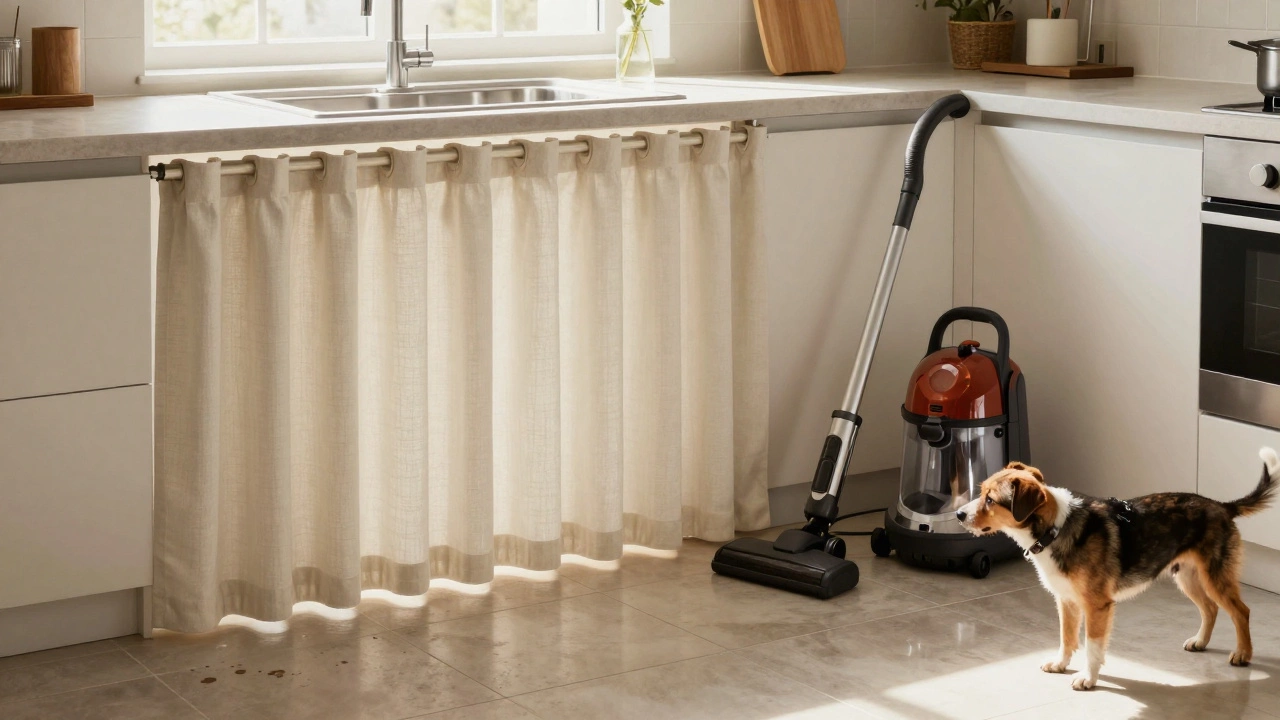
If your curtains pool on the floor in high-traffic areas, you’re asking for trouble. Think about a kitchen, a child’s bedroom, or a hallway with a pet dog. Every time someone walks by, the fabric catches on shoes, paws, or vacuum cleaners. Over time, the hem gets dirty, frayed, or stretched out. In Melbourne’s humid summers, damp floors from spills or mop water can even cause mildew under long curtains.
Real solution? Aim for curtains that end 1/2 inch above the floor. That’s enough to hide the hardware and give the illusion of length without the hassle. You’ll still get that clean, tailored look-just without the constant cleaning.
Shorter Curtains Work Better in Small Spaces
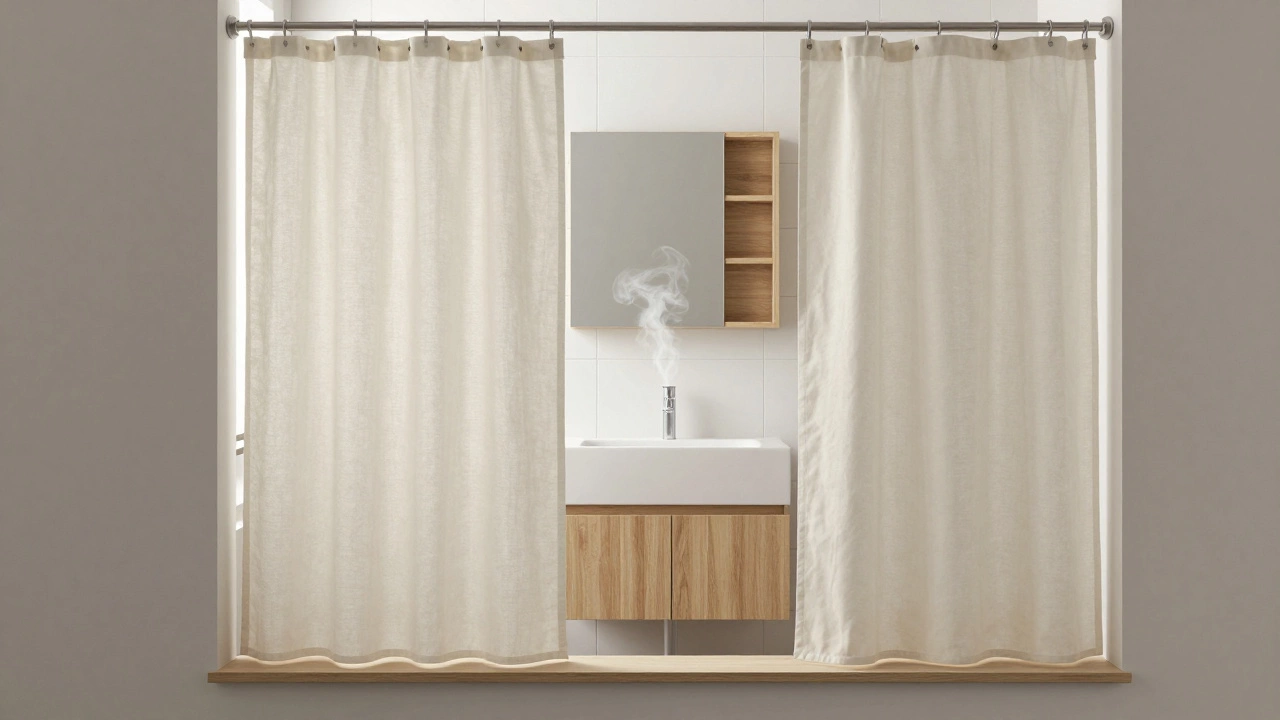
Small rooms, especially bathrooms and powder rooms, don’t need floor-to-ceiling curtains. Hanging long drapes in a tiny bathroom makes the ceiling feel lower and the space feel cramped. Most people install vanity mirrors or medicine cabinets right under the window. Floor-length curtains would block half the wall space you need.
Try cafe curtains instead. These cover just the bottom half of the window, letting in light while keeping privacy. Or go for sill-length curtains-ending right at the windowsill. They’re practical, easy to clean, and modern. In a compact bathroom or home office, this small change makes the room feel more open and airy.
Windows Above Radiators or Heat Sources
If your window sits directly above a radiator, baseboard heater, or underfloor heating, floor-length curtains are a fire hazard and an energy waste. Heavy fabric blocks heat from rising into the room. That means your heater runs longer, and your bills go up.
Plus, the constant heat dries out the fabric, making it brittle. Over time, the curtains can discolor or even shrink. In older homes in Melbourne’s inner suburbs, this is a common mistake. The fix? Hang curtains so they end at least 4 inches above the heat source. Use lightweight, heat-resistant materials like cotton or linen. This keeps the heat flowing and the curtains safe.
Sliding Glass Doors and Patio Access
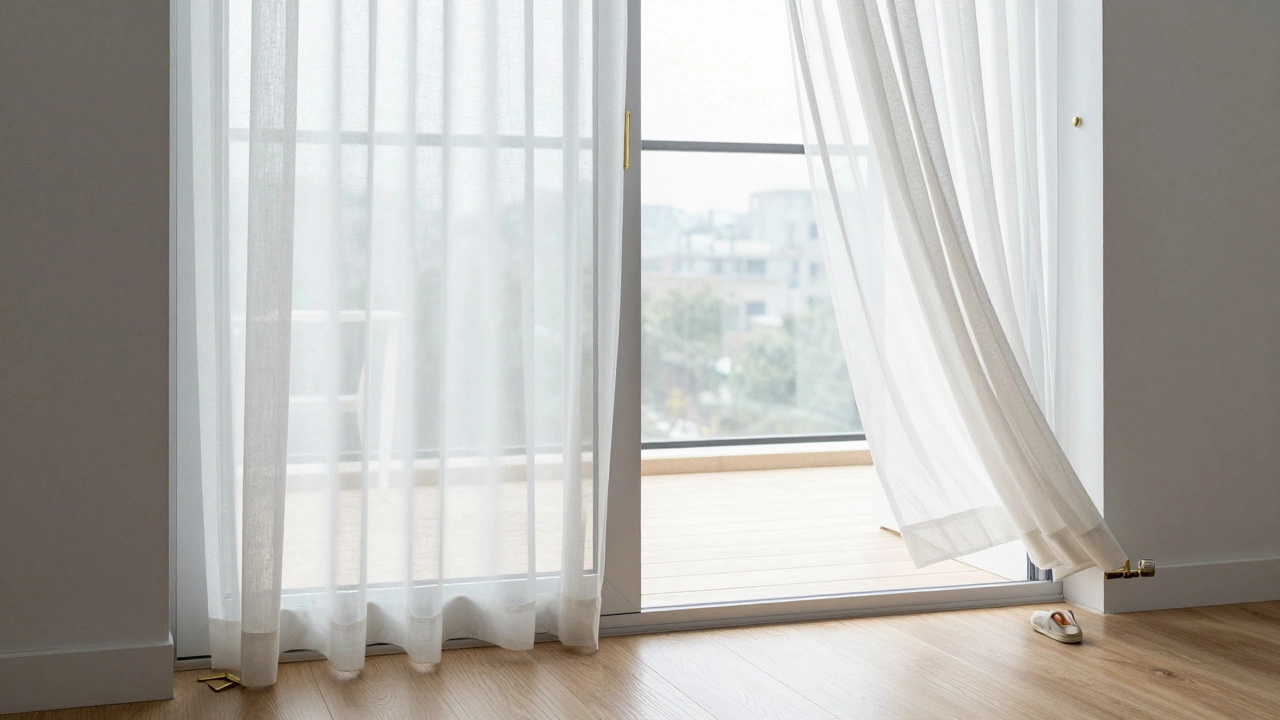
Sliding doors need curtains that don’t interfere with movement. Floor-length drapes get caught in the door track, snag on thresholds, or trip people walking out. You don’t want someone stepping on a curtain and falling-especially if kids or elderly family members use that exit regularly.
Instead, go for curtains that end at the top of the door frame or just above the floor. Use tiebacks or holdbacks to keep them pinned to the sides. Some people even install track systems that let curtains glide open and shut without touching the ground. For a clean look, choose sheer or semi-sheer panels that still offer privacy without bulk.
Modern and Minimalist Interiors
Minimalist design isn’t about clutter. It’s about intention. Floor-length curtains can overwhelm a space designed with clean lines, neutral tones, and open layouts. Think of a Scandinavian-style living room with low-profile furniture and bare wooden floors. Heavy, floor-dragging drapes clash with that aesthetic.
Shorter curtains-ending at the windowsill or just below-create visual balance. They frame the window without dominating the room. Pair them with simple, structured rods and minimal hardware. The result? A calm, uncluttered space that feels intentional, not overstuffed.
High Ceilings and Oversized Windows
Wait-didn’t you say floor-length curtains are elegant? Yes, but only if they’re proportional. If your ceiling is 12 feet high and your window is 8 feet tall, hanging curtains all the way to the floor still leaves a gap. That looks odd. You might as well hang them from the ceiling and let them pool slightly for drama.
But if your window is small and your ceiling is tall, going floor-to-ceiling can make the window look like a mistake. It draws attention to the imbalance. Better to hang curtains just above and below the window frame to make it look like it’s the right size. This trick works wonders in older homes with mismatched window proportions.
Practical Rules for Curtain Length
Here’s what works in real homes, not just showrooms:
- Standard windows: Curtains should end 1/2 inch above the floor.
- Bathrooms and kitchens: Sill-length or cafe curtains (ending at the windowsill).
- Sliding doors: End at the top of the door frame or 1 inch above the floor.
- Over radiators: At least 4 inches above the heat source.
- Modern interiors: Sill-length or just below the window for clean lines.
- High ceilings: Hang from ceiling to floor only if the window is tall enough to justify it.
Don’t guess. Measure twice. Use a tape measure and mark where the curtain will fall. Then step back. Does it look intentional? Or does it look like an afterthought? If it’s the latter, adjust it.
What About the ‘Puddle’ Look?
Some designers love curtains that pool on the floor-like a luxury hotel. It’s dramatic. But it’s not practical for everyday life. If you want that look, use it sparingly: in a formal living room, a master bedroom with no foot traffic, or a home theater.
Even then, keep the puddle to 1-2 inches max. More than that, and you’re inviting dirt, dust, and tripping hazards. And if you have hardwood or tile floors, the moisture from the fabric can warp the surface over time.
Final Thought: Curtains Are Functional, Not Just Decorative
People treat curtains like art. But they’re also part of your home’s infrastructure. They block light, control temperature, protect privacy, and even reduce noise. If your curtains are in the way, they’re failing at their job.
Choose length based on function first. Then style. A well-placed, slightly shorter curtain doesn’t look cheap-it looks smart. It shows you understand how your space is actually used, not just how it looks in a magazine.
Next time you’re shopping for curtains, ask yourself: Where will this curtain touch the floor? And what happens when someone walks by? If the answer isn’t clean and safe, reconsider the length.
Should curtains always touch the floor?
No, curtains don’t always need to touch the floor. In kitchens, bathrooms, rooms with radiators, or near sliding doors, shorter curtains are safer, easier to clean, and often look better. Floor-length curtains work best in formal living rooms or bedrooms with little foot traffic.
How high should curtains be hung?
Hang curtain rods 4 to 6 inches above the window frame. This makes the window look taller and allows light to flow in fully. If you have high ceilings, hang them close to the ceiling to create a dramatic effect. Avoid hanging them too close to the window-this makes the room feel smaller.
What length is best for bathrooms?
In bathrooms, sill-length curtains (ending at the windowsill) or cafe curtains (covering the bottom half) are ideal. They provide privacy without trapping moisture or getting dirty from splashes. Avoid floor-length curtains-they collect water, mildew, and soap scum.
Can I use floor-length curtains in a home with pets?
It’s risky. Pets can tug, scratch, or step on long curtains, causing tears or dirt buildup. If you love the look, choose a shorter length-just above the floor-and use durable, easy-to-clean fabrics like cotton canvas or polyester blends. Keep them tied back when pets are active.
Do curtains affect room temperature?
Yes. Heavy, floor-length curtains can block heat from radiators or baseboards, making your heating system work harder. In winter, close them at night to keep warmth in. In summer, open them during the day to let in cool air. But keep them away from heat sources to avoid blocking airflow.