Modern Home Decor Style Quiz
Based on the article "What Is Modern Home Decor Style?" — Select the best answer for each question to determine your design expertise.
1. What is the core philosophy behind modern design?
2. Which color palette is traditional for modern decor?
3. How does "Mid-Century Modern" differ from strict "Modern" design?
4. Why are large windows important in modern homes?
5. What is the rule for adding personality to a modern room?
Calculating...
...
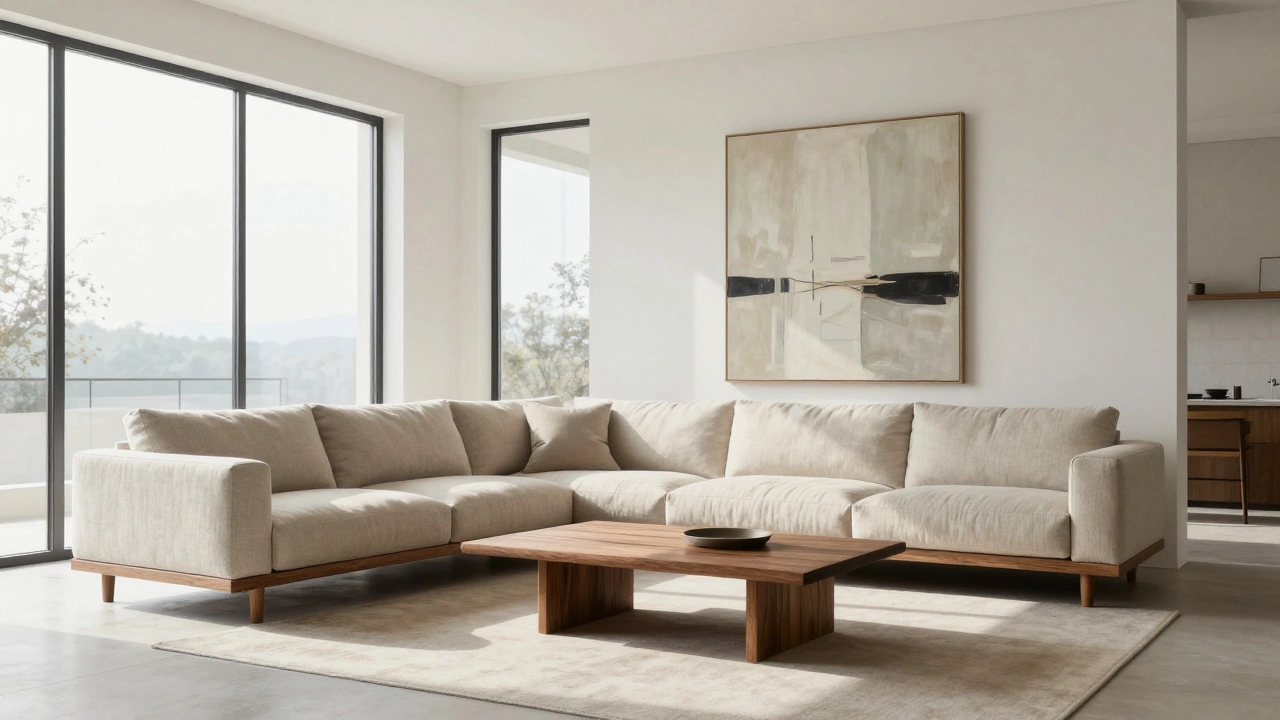
You’ve probably scrolled past countless photos of sleek, airy living rooms on social media. They look effortless, right? But if you try to copy them by just buying a white sofa and some black metal lamps, you’ll likely end up with a space that feels cold or unfinished. That’s because modern home decor isn’t just about what you buy; it’s about how you arrange space, light, and texture. It is a specific design philosophy rooted in the early 20th century, not just a trend that pops up every few years.
If you are trying to figure out if this style fits your Melbourne apartment or your suburban house, you need to understand the rules behind the look. This guide breaks down exactly what makes a space "modern," how it differs from similar styles like mid-century or contemporary, and how you can achieve that polished, uncluttered vibe without spending a fortune.
The Core Principles of Modern Design
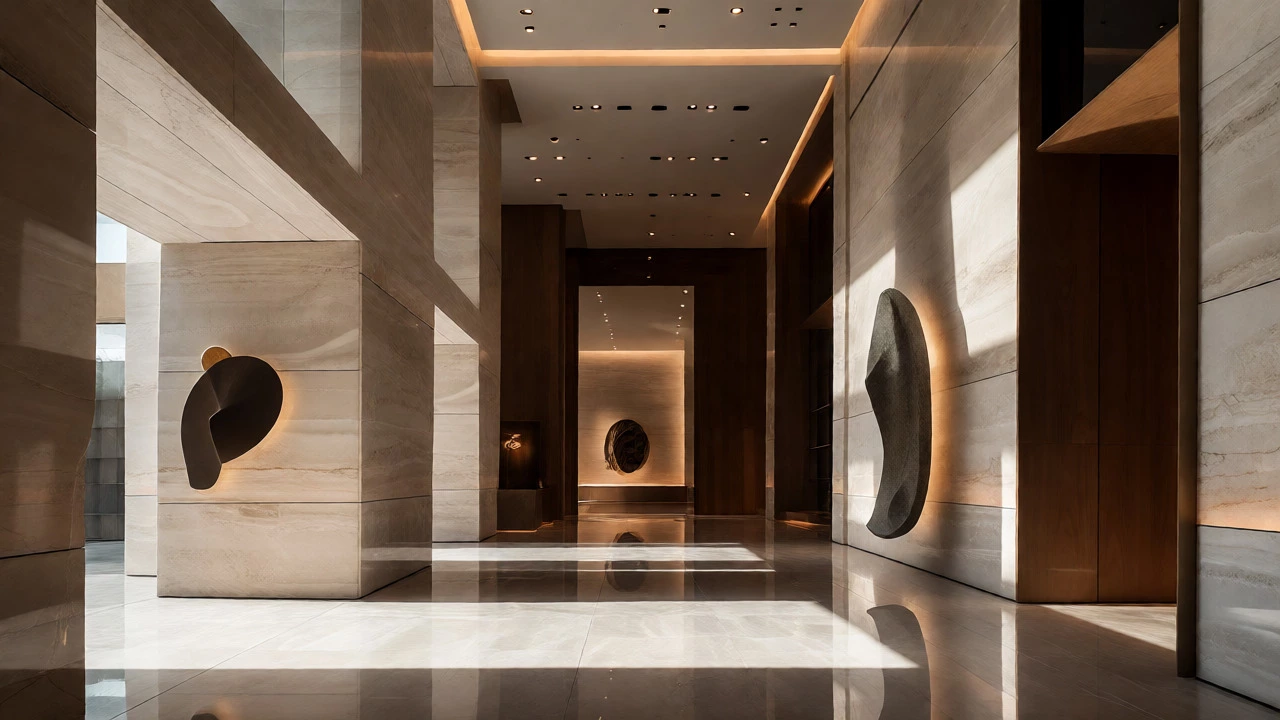
At its heart, modern design is about function meeting form. The movement started with architects and designers who wanted to strip away the ornate details of Victorian and Edwardian homes. They believed that a building should be defined by its purpose and structure, not by decorative flourishes. When you apply this to your home, you are looking for simplicity, clarity, and honesty in materials.
To get this right, you need to focus on three non-negotiable elements:
- Clean Lines: Look for furniture and architecture with straight, horizontal, and vertical lines. Avoid curved legs, carved wood, or intricate molding. Think rectangular coffee tables, square armchairs, and flat-panel cabinetry.
- Open Space: Modern design hates clutter. This doesn’t mean you have to live in an empty room, but every item needs a reason to be there. Open floor plans are common, allowing sightlines to flow from one area to another without visual barriers.
- Natural Light: Large windows are a hallmark of modern homes. If you can’t change your windows, keep window treatments minimal. Sheer curtains or simple blinds allow maximum light to enter, which highlights the textures and shapes in the room.
Color Palette: Less Is More
One of the biggest mistakes people make when trying to decorate in a modern style is using too many colors. The traditional modern palette is largely neutral. Think whites, grays, blacks, and beiges. These colors create a calm backdrop that lets the architecture and key furniture pieces stand out.
However, "neutral" doesn’t mean boring. You can introduce depth through texture rather than hue. A gray wool rug, a smooth leather chair, and a rough-hewn wooden table all read as different shades of neutral but add significant visual interest. If you want color, use it sparingly as an accent. A single bold piece of art, a vibrant throw pillow, or a brightly colored vase can break up the monochrome without overwhelming the space.
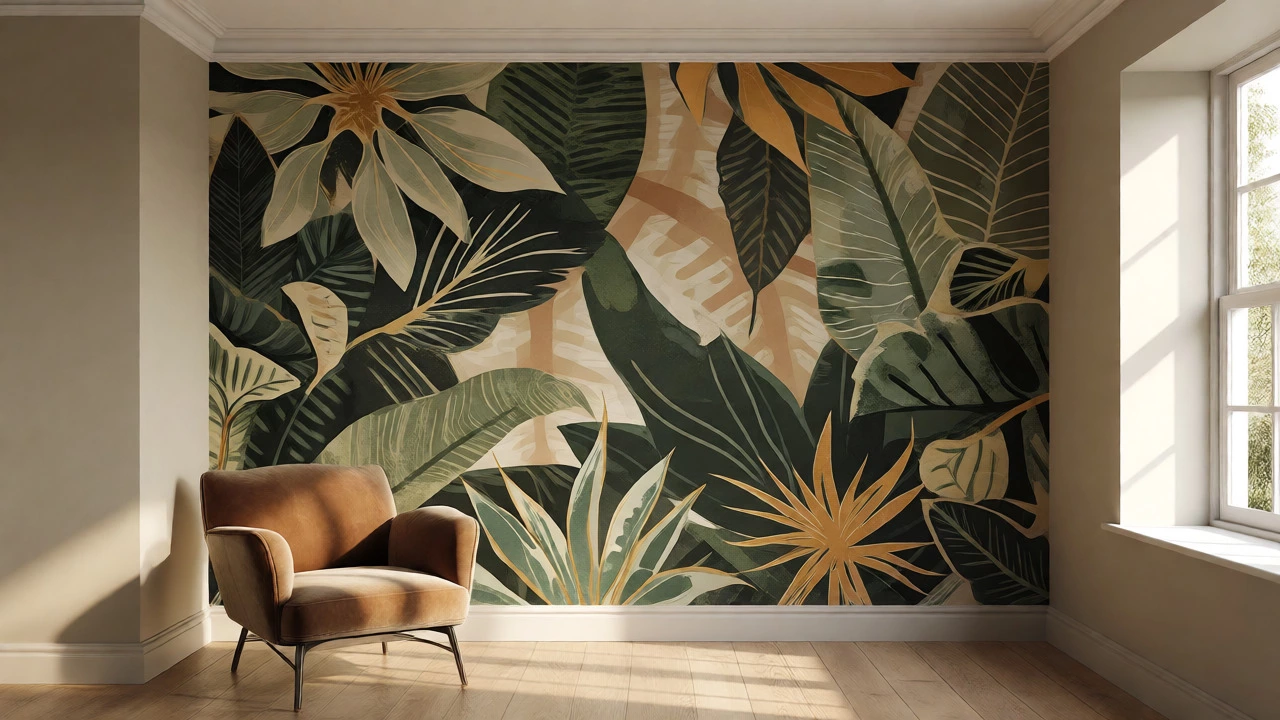
In recent years, especially in climates like Australia’s, earthy tones have crept into modern palettes. Terracotta, olive green, and warm browns work well because they connect the indoor space to the outdoors, maintaining that sense of openness and natural connection.
Materials Matter: Honesty in Construction
Modern design celebrates materials for what they are. You don’t paint over wood to hide the grain, and you don’t cover steel with plastic veneers. The beauty comes from the inherent qualities of the material itself.
| Material | Why It Works | Where to Use It |
|---|---|---|
| Wood | Adds warmth to cool spaces; shows natural grain patterns. | Flooring, dining tables, shelving units. |
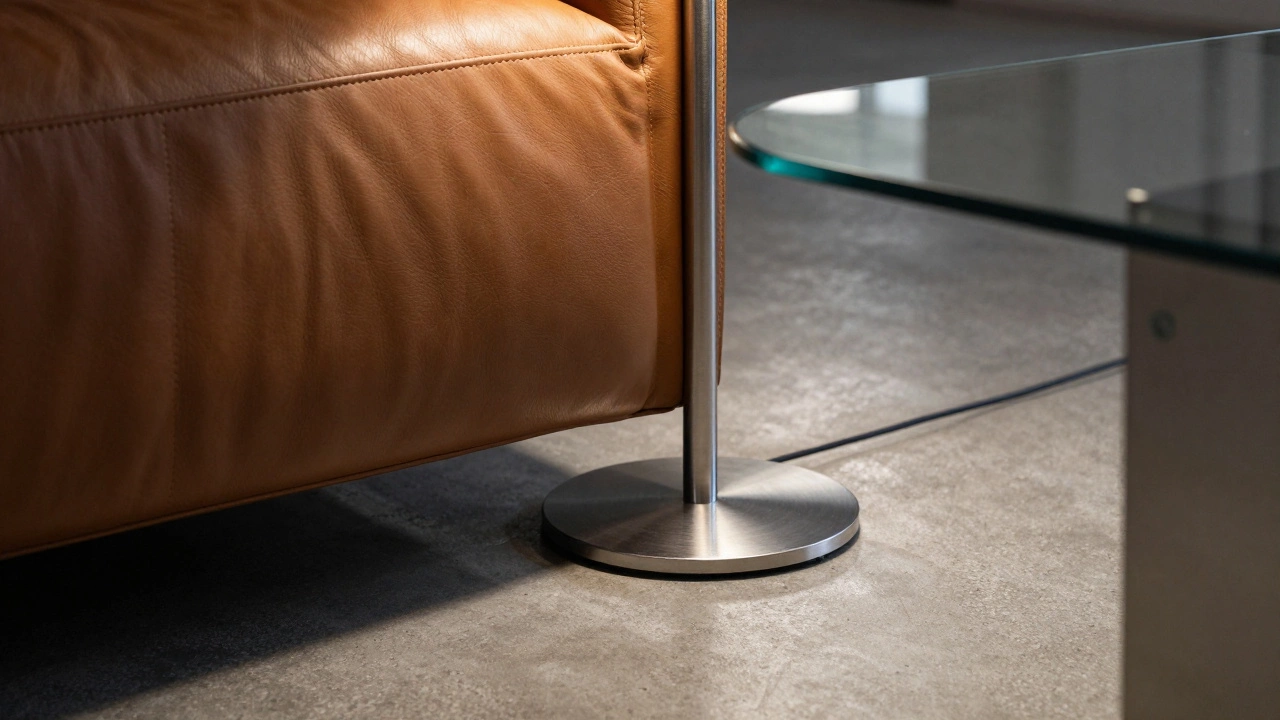
| Steel/Metal | Provides industrial strength and sleek, thin profiles. | Lamp bases, chair frames, hardware. |
| Glass | Creates transparency and reflects light, making rooms feel larger. | Tabletops, partition walls, shower enclosures. |
| Leather | Durable, ages beautifully, and offers a rich tactile experience. | Sofas, armchairs, ottomans. |
| Concrete | Raw, minimalist, and incredibly durable. | Flooring, countertops, feature walls. |
Mixing these materials is key. For example, a sofa might have a steel frame (industrial), upholstered in beige linen (soft), sitting on a dark walnut floor (warm). The contrast between hard and soft, smooth and rough, keeps the eye moving around the room.
Modern vs. Contemporary vs. Mid-Century
This is where most people get confused. These terms are often used interchangeably in magazines and online shops, but they mean very different things. Understanding the difference will help you shop more effectively and communicate clearly with designers.
Modern refers to a specific historical period, roughly from the 1920s to the 1970s. It has strict rules: no ornamentation, geometric shapes, and a focus on functionality. If you see a piece of furniture labeled "modern," it should look like it could have been designed by Eames, Saarinen, or Le Corbusier.
Contemporary means "current." It describes what is popular right now. Since trends change, contemporary design is fluid. Today, contemporary might include curved sofas, maximalist patterns, and mixed metals. Tomorrow, it might shift again. If you buy something "contemporary," you are buying into the current trend, not a timeless style.
Mid-Century Modern is a subset of modern design, specifically from the mid-1950s to the late 1960s. It shares the clean lines of modern design but adds warmer woods (like teak and walnut) and playful, organic shapes. It’s slightly more casual and colorful than strict modernism.
If you love the sleekness of modern design but find it too cold, you might prefer mid-century modern. If you want to follow the latest trends, look for contemporary pieces. But if you want a timeless, structured look, stick to true modern principles.
Furniture Selection: Quality Over Quantity
In a modern home, furniture takes center stage because there are fewer decorations to distract from it. This means you can’t skimp on quality. Every piece needs to be well-made, comfortable, and visually striking on its own.
Start with the basics. A good modern sofa should have low arms, exposed legs, and a streamlined silhouette. Avoid bulky, overstuffed couches. For dining, choose a table with trestle legs or a pedestal base to keep the floor visible, enhancing the sense of space.
Lighting is also crucial. Modern lighting fixtures are often sculptural. Think of a pendant light as a piece of art hanging from the ceiling. Simple geometric shapes-spheres, cylinders, cones-in matte black, brushed nickel, or brass work well. Avoid crystal chandeliers or anything with fringes or shades made of floral fabric.
Don’t forget storage. Modern design relies on hidden storage to maintain its clean look. Built-in cabinets, under-bed drawers, and multi-functional furniture (like a coffee table with shelves) help keep surfaces clear. If you have books or collections, display them neatly on floating shelves, aligned perfectly.
Adding Personality Without Clutter
A common fear about modern design is that it looks sterile or hotel-like. You can avoid this by adding personal touches, but you must do so strategically. The rule is: one statement piece per room.
This could be a large-scale abstract painting, a unique sculpture, or a vintage rug with a bold pattern. Because the rest of the room is neutral and simple, this single item becomes the focal point. It tells a story about you without creating visual noise.
Plants are another excellent way to bring life into a modern space. They add organic shapes and color, contrasting nicely with the straight lines of the furniture. Choose plants with interesting forms, like a fiddle-leaf fig or a snake plant, and place them in simple ceramic pots that match your color palette.
Textiles play a role too. While modern design favors minimalism, a high-quality throw blanket or a couple of textured pillows can add comfort. Stick to natural fibers like cotton, linen, or wool, and keep the patterns subtle-stripes or herringbone work better than busy florals.
Practical Tips for Small Spaces
Living in a small apartment doesn’t mean you can’t have a modern home. In fact, modern design principles are particularly effective in smaller spaces because they emphasize openness and efficiency.
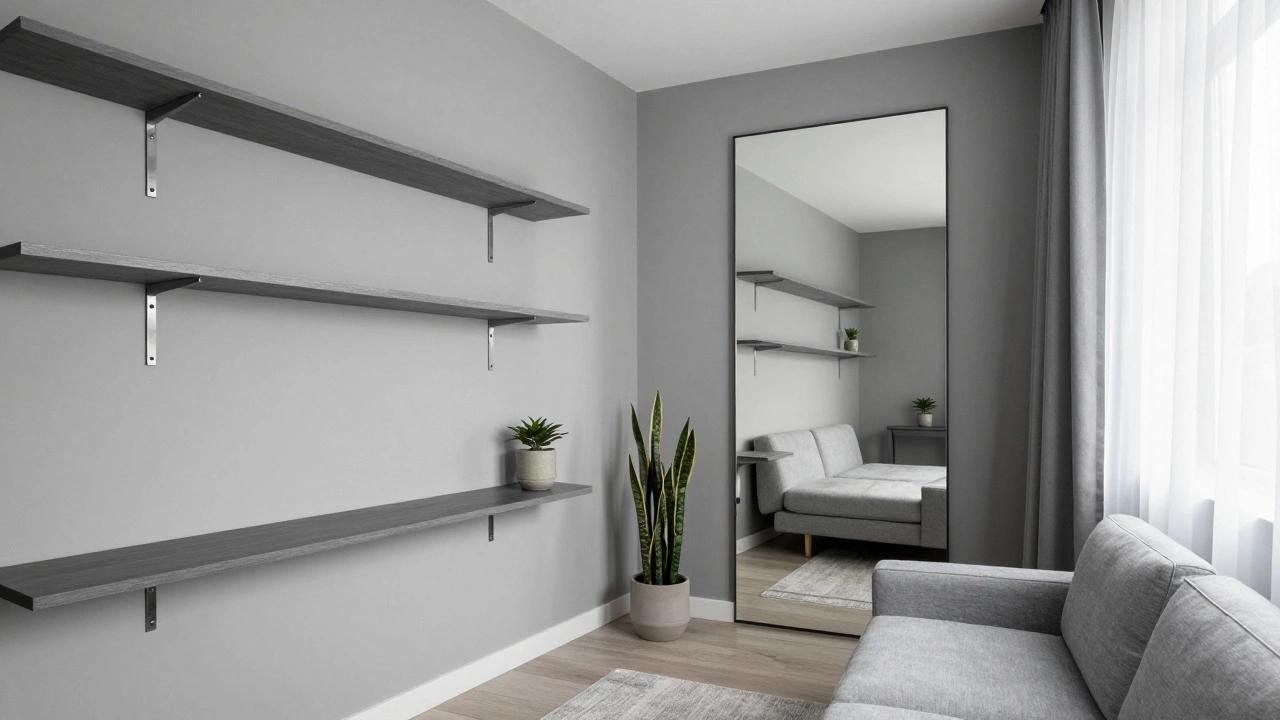
- Use Mirrors: Place a large mirror opposite a window to reflect light and double the visual space.
- Choose Multi-Functional Furniture: A sofa bed, a nesting coffee table, or a desk that folds away can save valuable floor space.
- Keep Floors Clear: Use wall-mounted shelves instead of bookcases. Lifted furniture with legs allows you to see the floor underneath, making the room feel larger.
- Stick to a Monochromatic Scheme: Using variations of one color (like different shades of gray) creates a seamless flow, avoiding the choppy look that multiple colors can cause in small areas.
Remember, the goal is to make the space feel breathable. Every time you add an item, ask yourself: does this serve a purpose? Does it enhance the room? If the answer is no, leave it out.
Is modern home decor expensive?
Not necessarily. While iconic designer pieces can be pricey, the core of modern design is simplicity. You can achieve the look with affordable furniture from retailers that offer clean lines and neutral colors. Focus on investing in key pieces like a good sofa or dining table, and save money on accessories and lighting.
Can I mix modern decor with other styles?
Yes, but carefully. Mixing modern with industrial or Scandinavian styles works well because they share similar values of simplicity and natural materials. However, mixing modern with traditional or rustic styles can create visual conflict unless you are very skilled at balancing proportions and colors.
What colors should I avoid in a modern home?
Avoid overly bright, saturated primary colors (like fire-engine red or royal blue) as main wall colors. Also, steer clear of pastel-heavy schemes that lean towards cottagecore or shabby chic. Stick to neutrals, earth tones, and deep, moody accents like navy or charcoal.
How do I keep a modern home from feeling cold?
Add warmth through textiles and wood. Use plush rugs, linen curtains, and wooden furniture to soften the hard lines of metal and glass. Warm lighting (2700K-3000K bulbs) also makes a huge difference compared to harsh, cool white light.
Is modern design still popular in 2026?
Yes, modern design remains a foundational style. While trends may shift towards biophilic design or maximalism, the principles of clean lines and functional spaces continue to influence new builds and renovations. It is considered a timeless aesthetic rather than a passing fad.