Ever walked into a room and just felt it? Like your shoulders dropped, your breath slowed, and you didn’t want to leave? That’s not magic. It’s cozy interior design-and it has a name. It’s called hygge (pronounced hoo-ga). But here’s the thing: most people think hygge is just candles and fluffy blankets. It’s not. It’s a whole way of living, built into the walls, the light, the textures, and even the silence of a space.
Hygge Isn’t Just a Trend-It’s a Danish Philosophy
Hygge comes from Denmark, a country that spends half the year in darkness. Instead of fighting the cold and gloom, Danes built their homes around comfort. They didn’t buy expensive furniture or hire designers. They focused on what made them feel safe, warm, and quietly happy. That’s hygge. It’s not about looking perfect. It’s about feeling rooted.
Studies from the University of Copenhagen show that Danes consistently rank among the happiest people in the world-and their homes play a big role. The key isn’t luxury. It’s presence. A well-worn armchair by the window. A wool blanket folded just so. The smell of baking bread. These aren’t decor choices. They’re emotional anchors.
What Hygge Actually Looks Like (Spoiler: No Instagram Filters)
Forget Pinterest boards full of white linen and minimalist shelves. Real hygge is messy in the best way. It’s a stack of books next to the couch. A mug that’s slightly chipped. A rug that’s been walked on for years. The colors are soft: warm grays, creamy whites, muted browns, and the occasional deep green or rust.
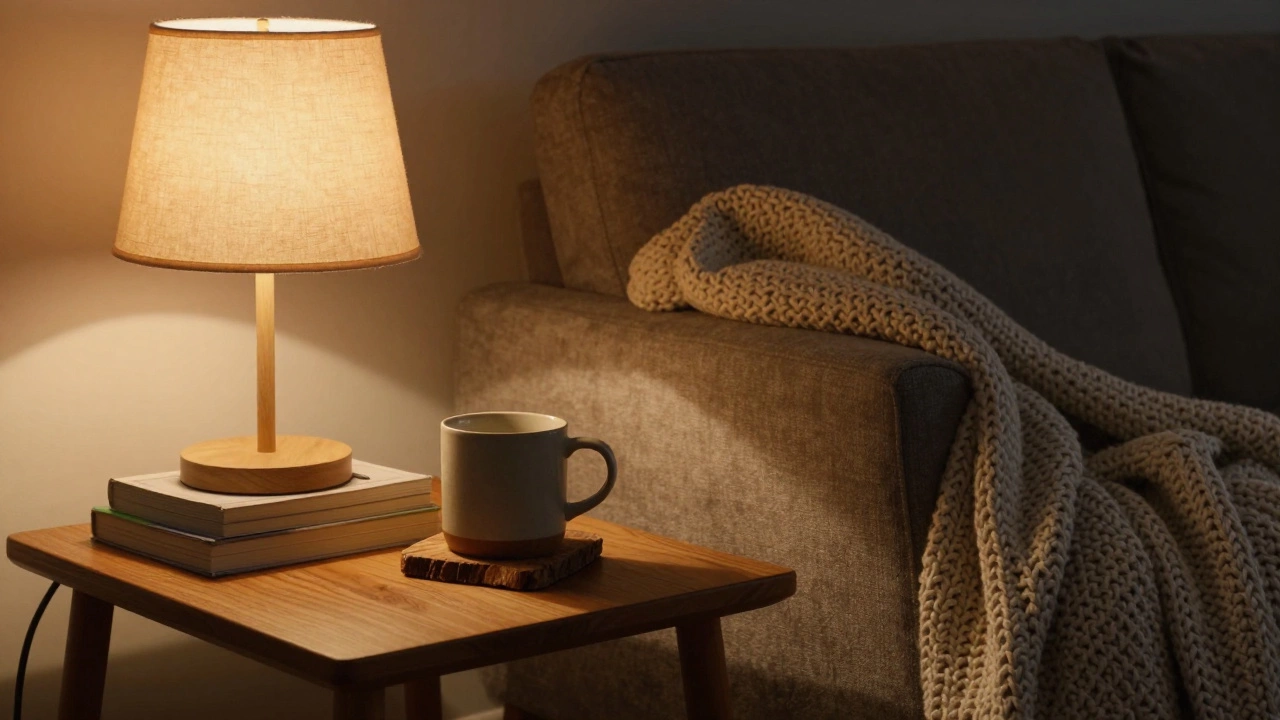
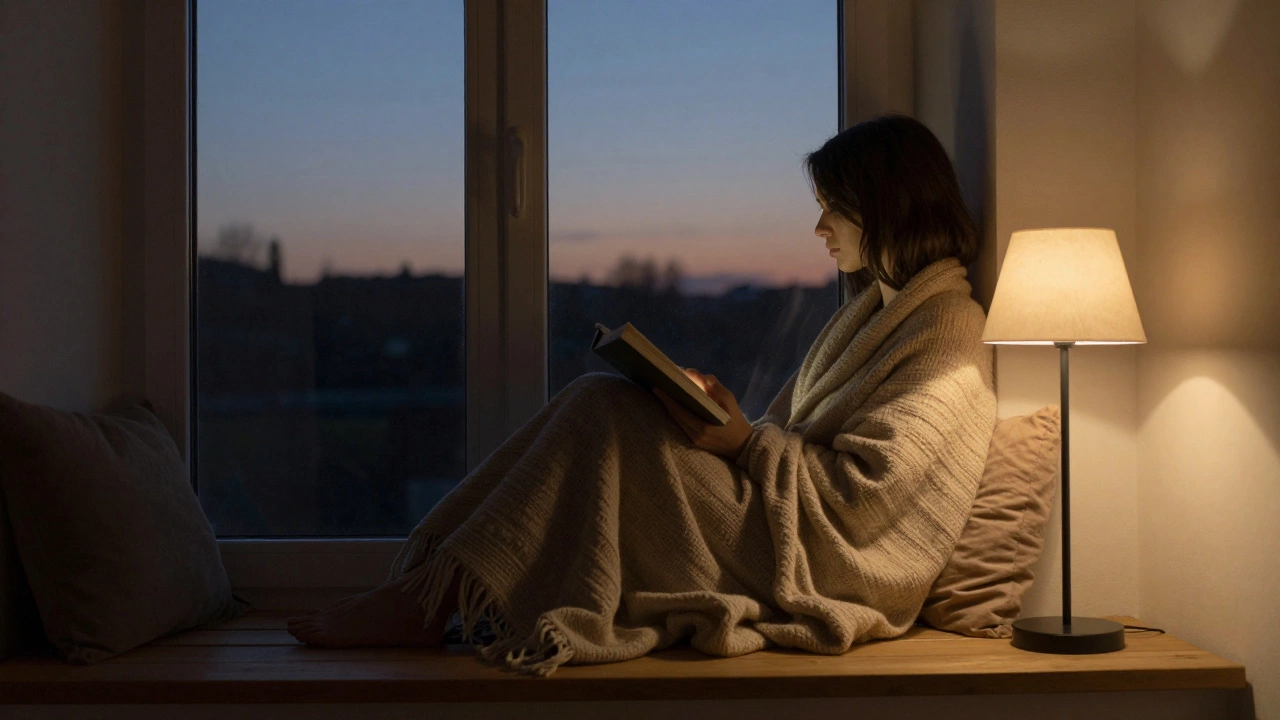
Lighting is everything. Harsh overhead lights? No. Instead, you’ll find lamps with fabric shades, candles in glass jars, string lights tucked behind curtains. Natural light is prized, but when it’s gone, artificial light mimics the glow of firelight-not LED cool white, but warm, dim, and layered.
Materials matter too. Wool, linen, cotton, wood, stone. Nothing shiny. Nothing plastic. A wooden coffee table with visible grain. A knit throw that’s been washed a hundred times. Even the ceramics are hand-thrown, uneven, and imperfect. That’s the point. Hygge celebrates authenticity over polish.
How to Build a Hygge Home-Step by Step
You don’t need to redecorate your whole house. Start small. Here’s how real people do it:
- Turn off the main light. Use one or two lamps instead. A floor lamp in the corner, a table lamp on the side table. Watch how the shadows soften the room.
- Add a texture you can touch. A chunky knit blanket. A sheepskin rug. A woven basket. Run your hand over it. If it doesn’t feel good, don’t keep it.
- Bring in one piece of real wood. A reclaimed wood shelf. A simple wooden tray. Even a cutting board on the counter. Wood warms up a space faster than anything else.
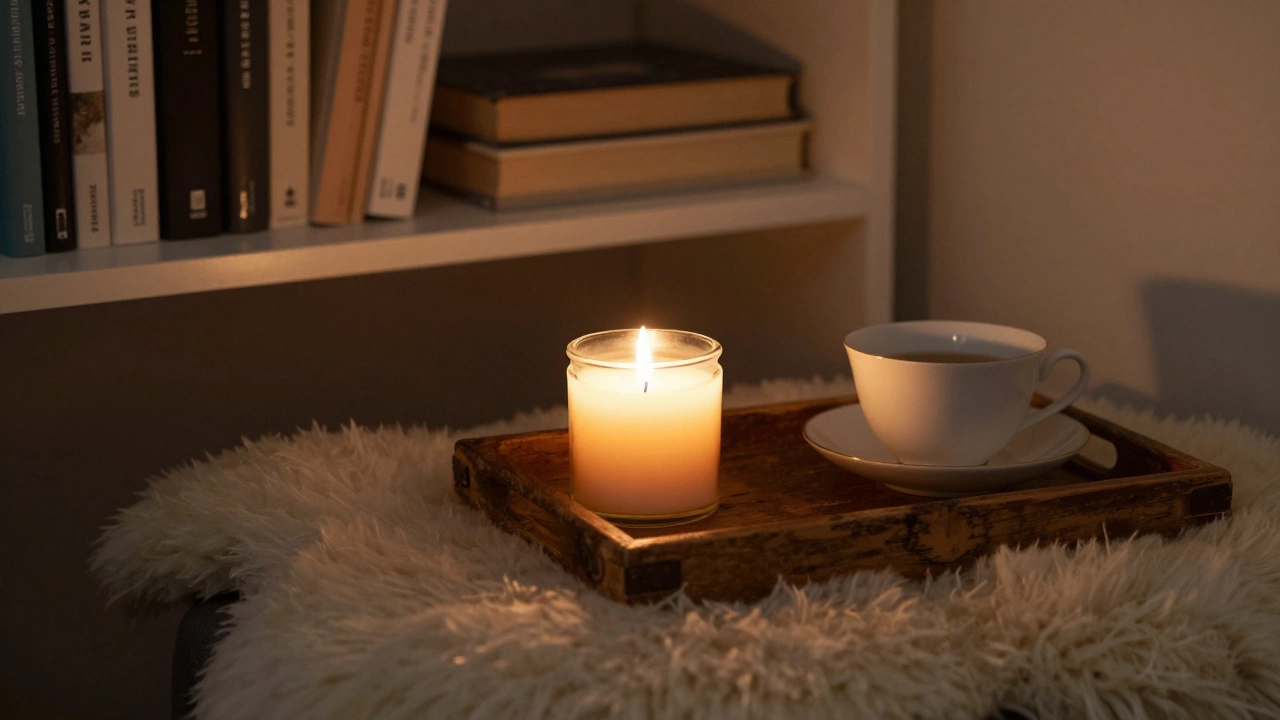
- Light a candle-just one. Not a fancy scented one. A plain beeswax or soy candle. Let it burn for an hour while you read or sip tea.
- Remove one thing that doesn’t serve you. A dusty knickknack. A chair that’s uncomfortable. A TV remote you never use. Hygge thrives on space-physical and mental.
Do this over a weekend. Don’t rush. Notice how the room changes-not in how it looks, but in how it feels.
Hygge vs. Other Cozy Styles-What Sets It Apart
People often mix up hygge with other cozy styles. Here’s the difference:
| Style | Core Focus | Key Materials | Lighting | Feel |
|---|---|---|---|---|
| Hygge | Emotional comfort, presence, simplicity | Wood, wool, linen, stone | Warm, dim, layered | Quiet, grounding, safe |
| Scandinavian | Minimalism, function, light | Pale wood, white walls, clean lines | Bright, natural, even | Clean, airy, calm |
| Coastal | Beachy vibes, openness | White paint, rattan, blue accents | Light, airy, sunlit | Relaxed, breezy, casual |
| Industrial | Raw edges, structure | Metal, concrete, exposed brick | Harsh, directional | Edgy, bold, urban |
Scandinavian design is clean and bright. Coastal is airy and light. Industrial is tough and raw. Hygge? It’s the opposite of all of them. It’s not about being pretty. It’s about being held.
Why Hygge Works-The Science Behind the Warmth
There’s real science behind why hygge feels so good. Warm lighting triggers the release of serotonin, the mood-regulating chemical. Soft textures reduce cortisol, the stress hormone. And clutter-free spaces lower mental overload.
A 2023 study from the University of Toronto found that people in homes with layered lighting and natural materials reported 40% higher feelings of calm compared to those in brightly lit, minimalist spaces. The key wasn’t the number of items-it was the quality of the experience. A single well-placed candle mattered more than ten decorative pillows.
Hygge isn’t about buying more. It’s about choosing better. One hand-thrown mug. One wooden bowl. One spot by the window where the light hits just right. That’s all you need.
What Hygge Isn’t
Hygge isn’t:
- Buying a $300 faux-fur rug because it’s trending
- Using LED candles that flicker too perfectly
- Painting your whole house beige because it’s "neutral"
- Following Instagram influencers who say "hygge is all about candles and coffee"
Hygge is personal. It’s not a look. It’s a feeling. If you’re doing it to impress someone, you’re missing the point.
How to Know You’ve Got It Right
Here’s the test: Sit in your space after dark. Turn off everything except one lamp. Put your feet up. Breathe. If you feel like you can stay there forever-without scrolling, without checking your phone, without thinking about what’s next-you’ve got hygge.
It’s not about the price tag. It’s about the pause. The quiet. The way your body relaxes without you even trying.
Is hygge the same as Scandinavian design?
No. Scandinavian design focuses on minimalism, clean lines, and maximizing natural light. Hygge is about warmth, texture, and emotional comfort-even if it means a little clutter or dim lighting. Scandinavian is about looking good. Hygge is about feeling good.
Can you have hygge in a small apartment?
Absolutely. Hygge doesn’t need space-it needs intention. A corner with a chair, a small rug, a lamp, and a bookshelf with a few favorite books is enough. Even a studio can feel like a hug if the lighting is warm and the textures are soft.
Do you need candles for hygge?
No. Candles are common, but they’re not required. The goal is warm, soft light. A dimmable lamp, a string of fairy lights, or even a salt lamp can create the same effect. If you don’t like candles, skip them. Hygge works without them.
Is hygge expensive to achieve?
Not at all. Many hygge elements are free: turning off overhead lights, using a blanket you already own, rearranging furniture to face a window, or reading by lamplight. The most expensive part? Letting go of the need to buy more.
Can hygge work with kids or pets?
Yes-especially with them. Hygge isn’t about perfection. It’s about real life. A dog curled up on the rug, kids’ drawings taped to the fridge, mismatched mugs on the counter-those aren’t flaws. They’re proof you’re living, not staging. Hygge thrives in messy, lived-in spaces.
Next Steps: Start Small, Feel Big
You don’t need to overhaul your home. Tomorrow night, try this: Turn off the kitchen light. Light a candle. Sit at the table with a cup of tea. Just sit. Don’t read. Don’t scroll. Just be. That’s hygge. That’s the real name of cozy interior design. And it’s waiting for you-not in a store, but in the quiet space between breaths.