New Build Repair Cost Estimator
Enter your details above to see estimated repair costs
Tip:
Building a new home should feel exciting, not stressful. But too often, homeowners discover problems months-or even years-after moving in. These aren’t minor cosmetic issues. They’re structural, safety, or functional flaws that cost thousands to fix and can lower your home’s value. The good news? Most of these defects are predictable. If you know what to look for, you can catch them before closing or push for fixes while the builder is still on-site.
Water Intrusion and Poor Drainage
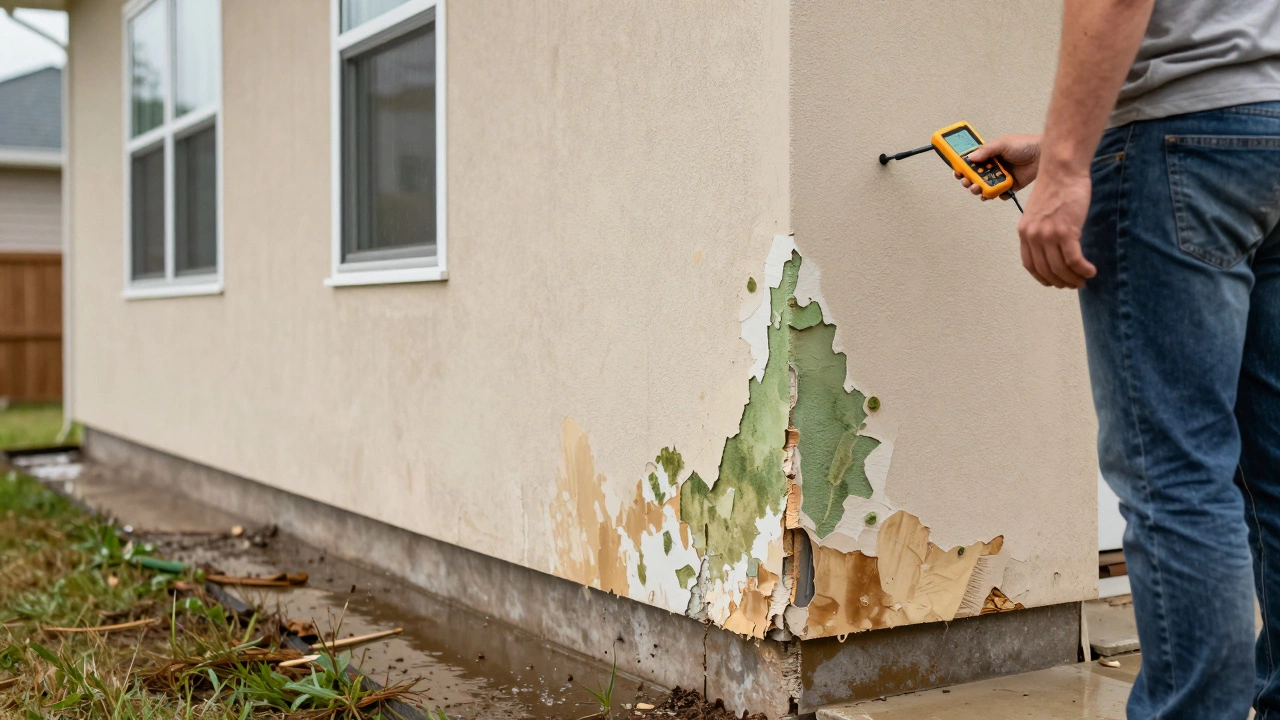
Water is the #1 enemy of new homes. It doesn’t take much to cause serious damage. Improper grading, missing or clogged gutters, and poorly sealed windows are the usual suspects. In one 2024 survey of new home buyers in the U.S., 42% reported signs of water damage within the first year. That includes stained drywall, peeling paint near baseboards, or musty smells in closets.
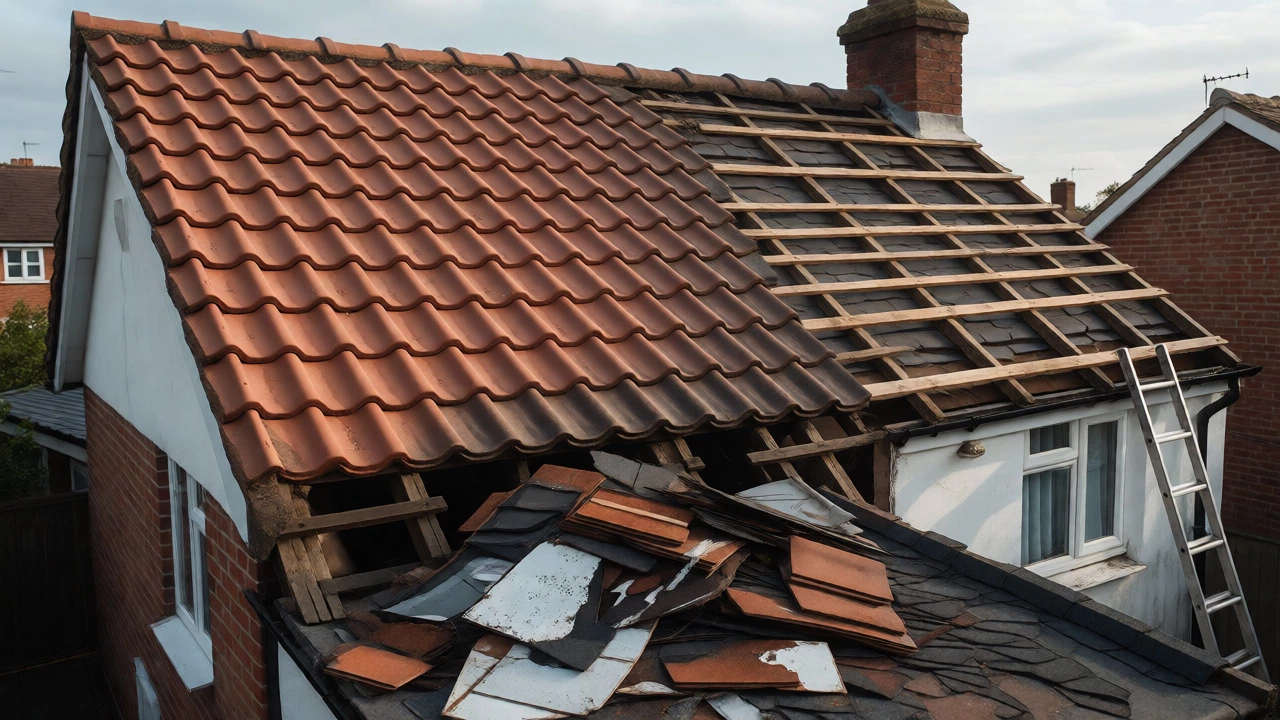
Here’s what goes wrong: Builders sometimes skip installing a proper drainage system behind foundation walls. Or they install siding too close to the ground, letting rainwater wick up into the wood. Roof valleys without flashing, poorly sealed around chimneys, and window frames without proper drip edges are all red flags. Even a 1/8-inch gap around a window can let in enough water to rot framing over time.
Insulation Gaps and Air Leaks
A new home should be energy efficient. But too many builders cut corners on insulation. You’ll find gaps behind drywall, compressed batts in corners, or insulation missing entirely around electrical boxes and plumbing penetrations. The result? Drafty rooms in winter, high utility bills, and condensation that leads to mold.
One common mistake: installing insulation before the house is fully enclosed. If it rains during construction, fiberglass batts get wet and lose up to 50% of their R-value. That’s not visible after drywall goes up. Use a thermal imaging camera during your final walkthrough-cold spots on walls or ceilings mean air is leaking in. If the builder refuses, hire an independent inspector. It’s worth the $300.
Structural Framing Errors
Wood framing is the skeleton of your home. When it’s done wrong, everything else suffers. Look for joists that are notched too deeply, studs that are out of plumb, or rafters that don’t connect properly to the ridge beam. In extreme cases, you’ll see sagging floors or doors that won’t close.
One frequent error: using nails instead of screws for critical connections. Nails can work loose over time, especially in areas with seasonal humidity changes. The International Residential Code now requires structural screws for load-bearing connections in many regions. Ask for the framing inspection report. If the builder can’t produce it, that’s a red flag.

Electrical and Plumbing Oversights
Wiring and pipes are hidden until something breaks. That’s why defects here are so dangerous. Outlets installed backward, circuits overloaded, or wires run too close to water pipes are all common. In plumbing, the biggest issue is improper venting. Without proper vents, drains gurgle, toilets flush poorly, and sewer gases can back up into your home.
Another issue: PVC pipes installed without proper support. They sag over time, creating low spots where water collects and bacteria grows. Or, worse, they crack under pressure. Electrical panels installed in bathrooms or laundry rooms violate code in most areas. Check that all outlets near sinks have GFCI protection. If you find a non-GFCI outlet in the kitchen, demand it be replaced before you sign off.
Doors and Windows That Don’t Work Right
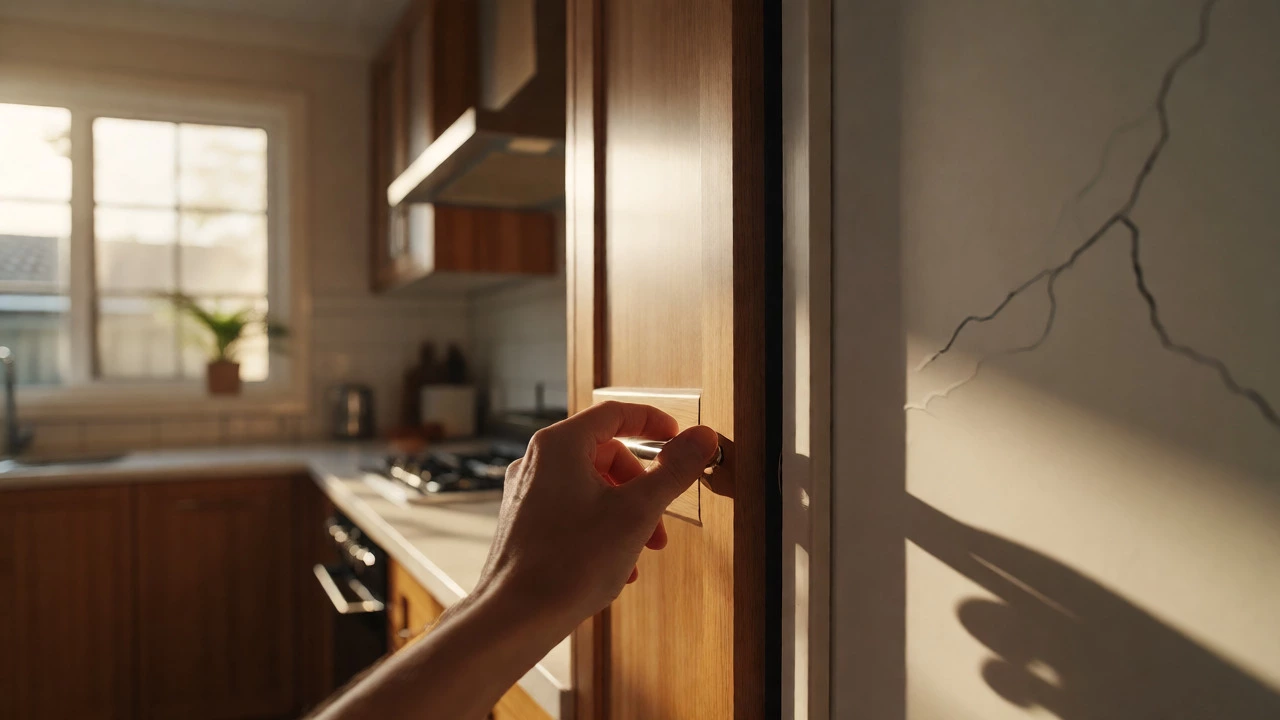
It sounds simple, but doors that stick, windows that won’t open, or seals that leak are shockingly common. Why? Poor installation. Too many crews rush to finish. They don’t level the frame, use the wrong shims, or skip caulking entirely.
Test every door and window during your walkthrough. Open and close them five times. If a door scrapes the floor or needs a shoulder to shut, it’s not aligned. Windows should lock snugly-no gaps when closed. Look for condensation between panes in double-glazed units. That means the seal failed during manufacturing or installation. Both are manufacturer defects, not normal wear.

Drywall and Finish Work Flaws
Paint hides a lot. But if you look closely, you’ll see uneven joints, visible nail pops, or patches that don’t match the texture. These aren’t just ugly-they’re signs of rushed work. Nail pops happen when framing dries and shrinks after construction. If you see more than three or four in the first year, the lumber was likely installed wet.
Texture mismatches are another tell. A ceiling sprayed with orange peel texture but walls hand-troweled with knockdown? That’s not a design choice. That’s a patch job. Ask for a full drywall inspection before painting. A good inspector will tap the walls with a hammer and listen for hollow spots. That means the drywall isn’t properly screwed to the framing.
Foundation Settlement and Cracks
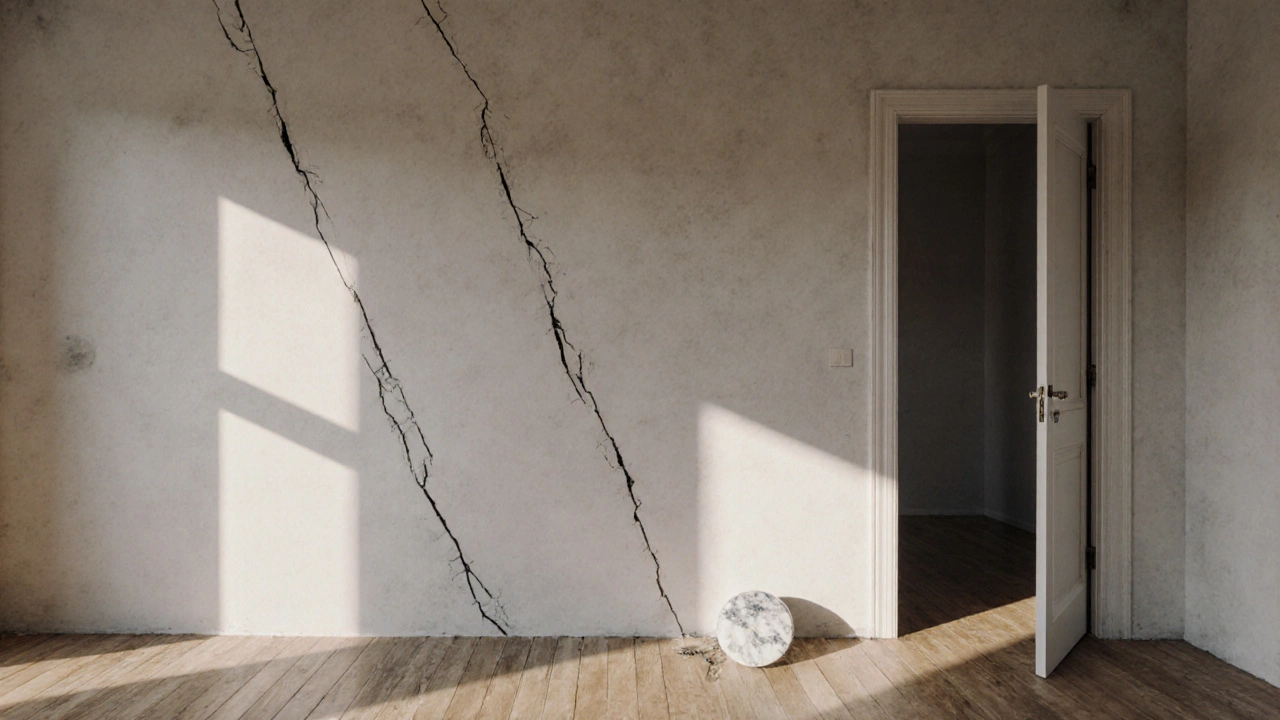
Even new homes can have foundation problems. It’s not always about poor soil. Sometimes it’s about how the foundation was poured. Cracks wider than 1/8 inch, especially stair-step cracks in brick or block walls, are serious. So are doors that jam suddenly or floors that slope noticeably.
One overlooked issue: inadequate footer depth. In colder climates, footers must go below the frost line. If they don’t, freezing and thawing soil can shift the foundation. You might not see it until spring. Look for gaps between the foundation and the siding, or cracks radiating from windows. If the builder says it’s "normal settling," ask for a written warranty covering foundation repair. Most reputable builders offer at least a 10-year structural warranty.
How to Protect Yourself
Don’t wait for problems to show up. Before closing:
- Request a pre-drywall inspection. This is your best chance to catch framing, plumbing, and electrical issues.
- Get a third-party home inspector-even if the builder provides one. Their interests aren’t yours.
- Take photos of every room during the final walkthrough. Note even small flaws.
- Review your warranty. Most builders offer a 1-year punch list and a 10-year structural warranty. Know what’s covered.
- Don’t sign off until every item on your list is fixed. Get it in writing.
Most defects aren’t the result of malice. They’re caused by speed, understaffing, or inexperienced crews. But that doesn’t mean you have to live with them. Know what to look for. Speak up early. And never assume "it’s new, so it must be fine."
Are all new home defects covered by warranty?
No. Most builder warranties cover major structural issues for 10 years and workmanship/material defects for 1 year. Cosmetic flaws like uneven paint or minor drywall cracks often fall outside coverage. Always read your warranty document carefully-some exclude things like window seal failure or plumbing leaks caused by homeowner negligence.
Can I sue a builder for construction defects?
Yes, but it’s complicated. Most states have statutes of limitations-often 2 to 10 years from when you discovered the defect. You’ll need documentation: inspection reports, photos, repair estimates, and proof the builder was notified. Small claims court works for under $10,000 in damages. For larger issues, hire a construction attorney. Many offer free consultations.
How much does a professional home inspection cost for a new build?
A standard inspection runs $300-$500 depending on location and home size. For a new build, pay extra for a pre-drywall inspection ($200-$300). That’s when inspectors check framing, plumbing, and electrical before walls are closed. It’s the most valuable inspection you’ll ever get.
What’s the most expensive new build defect to fix?
Foundation problems. Repairing a shifting or cracked foundation can cost $15,000 to $50,000. Water damage that leads to rot and mold can run $10,000-$30,000 if it’s spread across multiple rooms. Electrical rewiring due to code violations averages $8,000-$15,000. These aren’t DIY fixes. They require licensed contractors and permits.
Should I wait to move in until all defects are fixed?
If the issues are safety-related-like faulty wiring, gas leaks, or structural cracks-yes. For minor things like paint touch-ups or cabinet hinges, you can move in while the builder finishes the punch list. But never move in without a signed, dated list of all outstanding items. Verbal promises won’t hold up later.