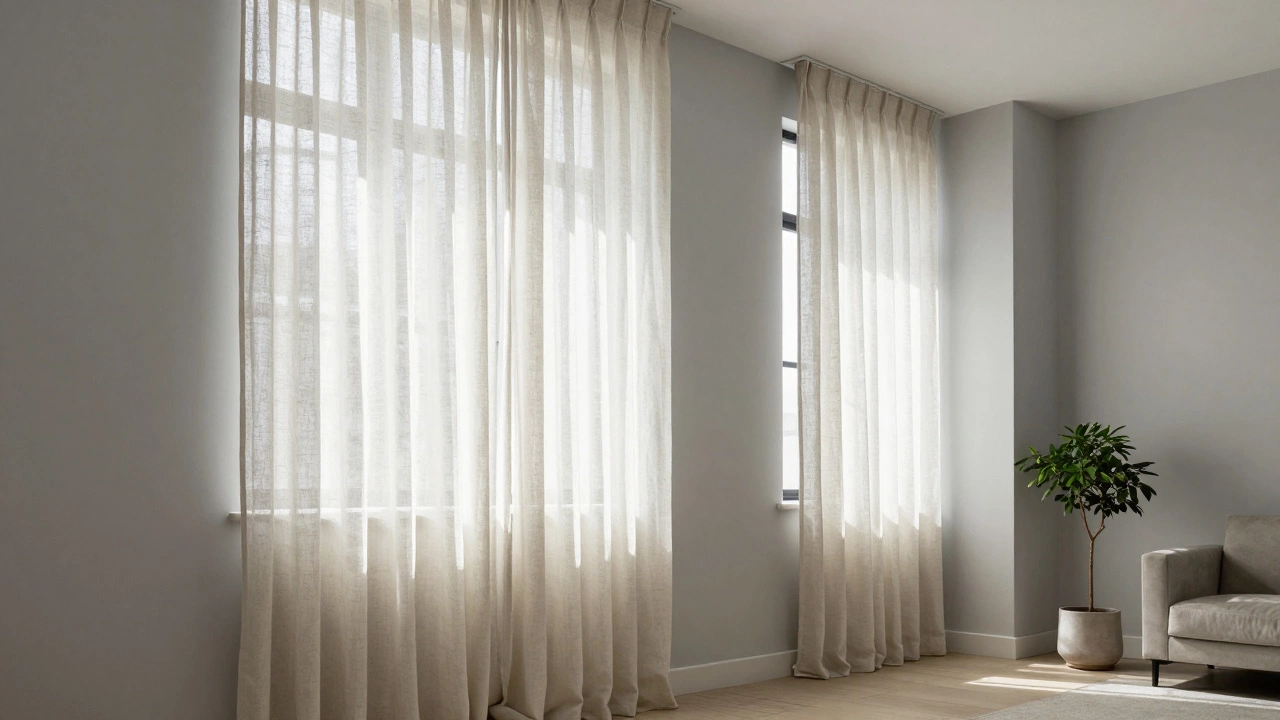
Curtain Color Advice: Choose the Right Shades for Your Space
When you think about curtain color advice, the right curtain color can change how a room feels, controls light, and even makes a space look bigger or cozier. It's not just about matching your sofa—it’s about how the color interacts with your walls, flooring, and natural light. A wrong shade can make a room feel closed-in, while the right one can turn a dull corner into a calm retreat.
Window treatment colors, especially curtains, act like a filter for daylight. Lighter colors like soft white, beige, or pale gray bounce light around, making small rooms feel open. Darker tones like charcoal, navy, or deep green absorb light and add warmth—perfect for bedrooms where you want to block out morning sun or create a cozy, intimate vibe. And if you’re unsure, neutral tones are your safest bet because they work with almost any style, from modern to rustic. But don’t just copy what you saw online. Look at your room at different times of day. Does the light turn golden in the afternoon? Then a warm taupe might glow beautifully. Is your space cold and gray most of the time? A hint of blush or sage can add life without overwhelming it.
Bedroom curtain colors, need to support rest, not compete with it. Avoid high-contrast patterns or bright reds—they’re energizing, not relaxing. Stick to muted tones that match your bedding or wall color, or go monochrome for a clean, calming look. In the living room curtain ideas, you have more freedom to express personality. A bold color or subtle texture can become the room’s anchor, especially if your furniture is neutral. Think about how much you use the space. A busy family room might need durable, easy-to-clean fabrics in neutral tones, while a formal sitting room can handle richer hues and heavier drapes.
Don’t forget the ceiling. If your curtains hang from the ceiling to the floor, they’ll make the room feel taller. Pair that with a color that matches or softly contrasts your walls, and you’ll get a seamless flow. And if you’re worried about curtains looking too heavy? Go for sheer liners underneath. They let in light during the day and let you close the main curtain for privacy at night—without needing to change the color.
Most people pick curtain colors based on trends or what’s on sale. But the best choices come from observing your space, not scrolling Instagram. What’s the mood you want? Calm? Inviting? Bold? Let that guide you. The posts below give you real examples—from how navy curtains changed a tiny apartment to why a family picked oatmeal-colored drapes to hide dust and still feel warm. You’ll see what works, what doesn’t, and why.