Settlement Crack Checker
Is This Settlement Normal?
Check if cracks in your new home are normal settling or potential structural issues. Based on Melbourne building guidelines and Australian construction standards.
Results will appear here
Enter your crack details to get assessment
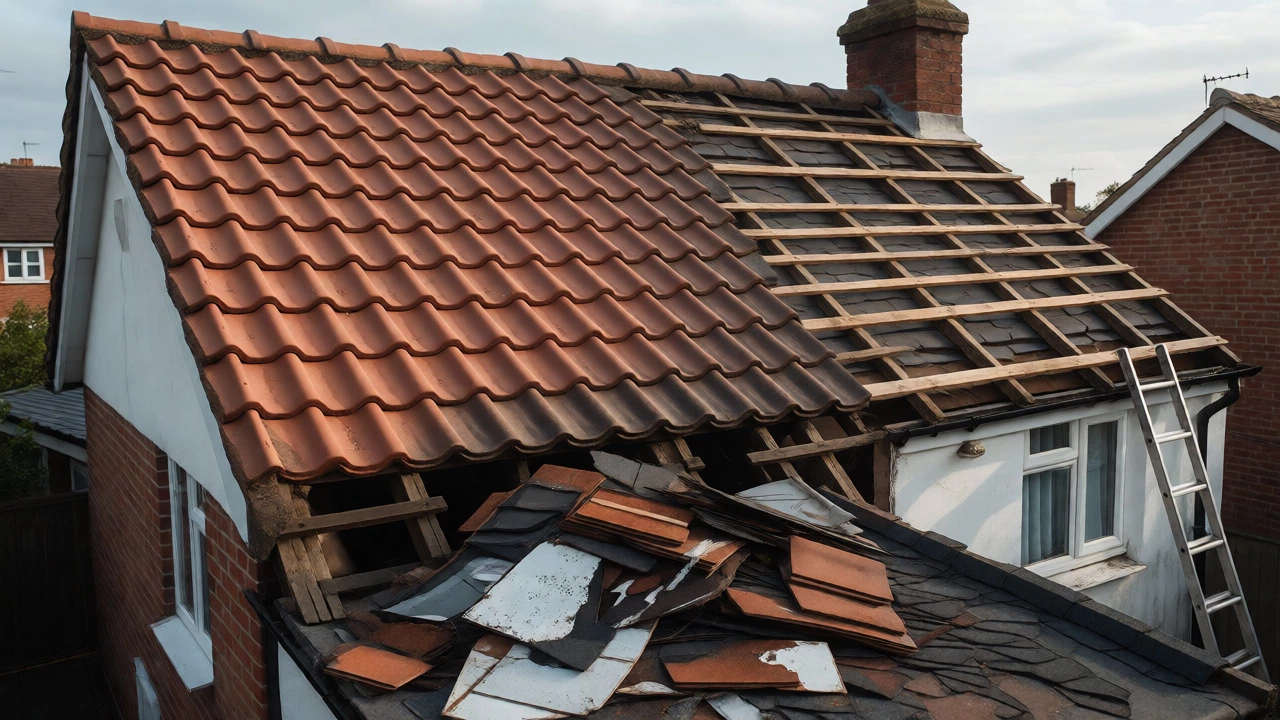
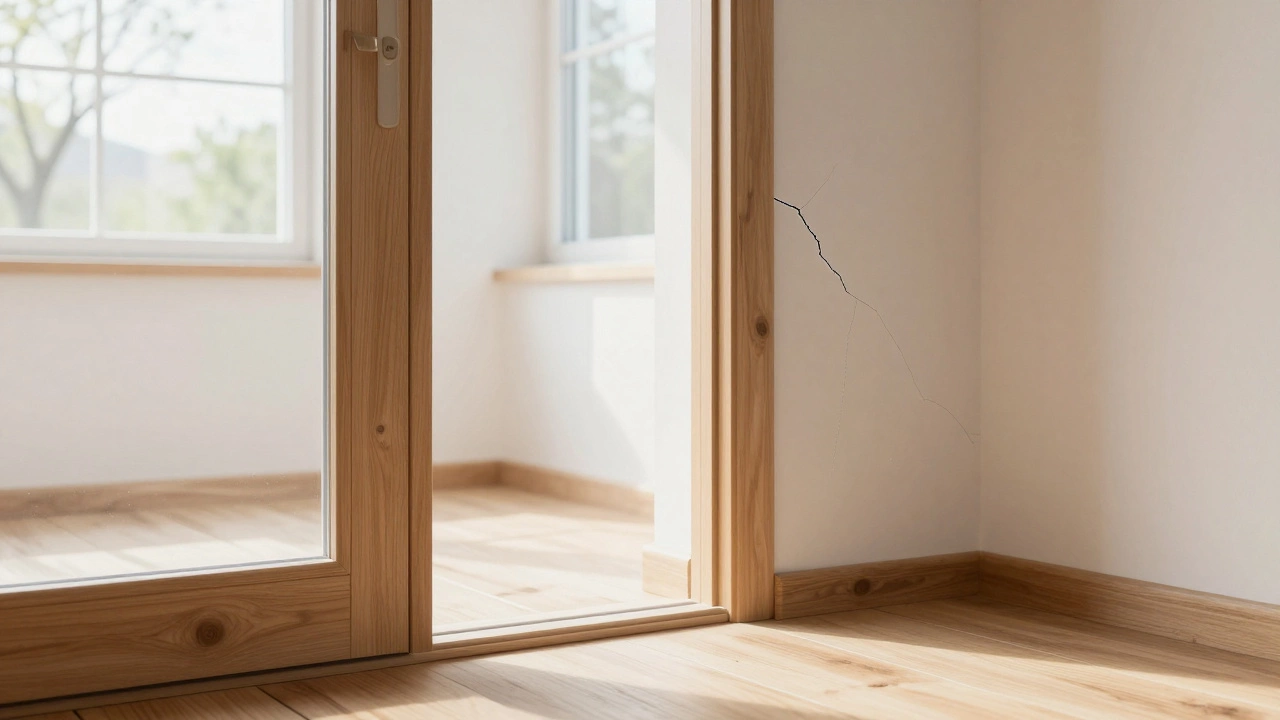
When you move into a brand-new home, everything looks perfect-clean walls, fresh paint, smooth floors. But then, maybe a few months in, you notice a small crack near the doorframe. Or a door that sticks a little more than it used to. You start wondering: is this normal? The answer is yes, most of the time. New buildings settle, and it’s not a sign of disaster-it’s physics in action.
What Does "Settle" Actually Mean?
Settling isn’t sinking. It’s not the whole house dropping into the ground. Settling is the slow, natural compression of materials as they adjust to weight, moisture, and temperature. Think of it like a new pair of shoes. They feel stiff at first, but after a few wears, they mold to your foot. A new building does the same thing-wood dries, concrete cures, soil compacts under load.
Every material in your house has its own timeline. The timber framing shrinks as it loses moisture from 18% down to around 8-10%. Concrete slabs continue to harden for months. Even the soil beneath your foundation shifts slightly as water drains away and particles pack tighter. All of this adds up to tiny movements-millimeters, not centimeters.
How Long Does the Process Take?
Most noticeable settling happens in the first 12 to 24 months after construction. That’s when you’re most likely to see hairline cracks in drywall, minor misalignments in doors and windows, or slight gaps between skirting boards and floors.
The first three months are usually the most active. That’s when the wet materials-concrete, plaster, timber-start drying out. If your builder used green timber (not properly kiln-dried), you might see more movement early on. In Melbourne’s variable climate, seasonal changes can make this even more noticeable. A house built in winter might show more cracks in spring as the air dries out.
After two years, major settling slows down significantly. Minor adjustments can still happen for up to five years, especially in homes built on clay soils or where drainage isn’t ideal. But if you’re seeing large cracks (wider than 5mm), doors that won’t close at all, or floors sloping noticeably after two years, that’s not normal settling. That’s a problem.
What’s Normal? What’s Not?
Here’s a quick guide to tell the difference:
- Normal: Hairline cracks (less than 1mm wide) in plaster or drywall, especially near corners, windows, and doors. Slight sticking of doors or drawers that only happen in dry weather. Small gaps (under 3mm) between skirting boards and floors.
- Not normal: Cracks wider than 5mm, especially if they’re vertical and run from floor to ceiling. Doors that stick shut all year round, regardless of humidity. Uneven floors that slope more than 10mm over 3 meters. Gaps appearing between the foundation and the walls.
One real example from a home in Dandenong: a family noticed a 2mm crack above their front door six months after moving in. It didn’t grow. The builder checked the foundation, confirmed the soil was compacting as expected, and filled the crack with flexible sealant. Two years later, it was gone. No repairs needed.
On the other hand, a house in Geelong had a 15mm crack along the back wall after 18 months. The foundation had been poured over poorly compacted fill soil. That’s not settling-that’s failure. Repairs cost over $20,000.
Why Location Matters
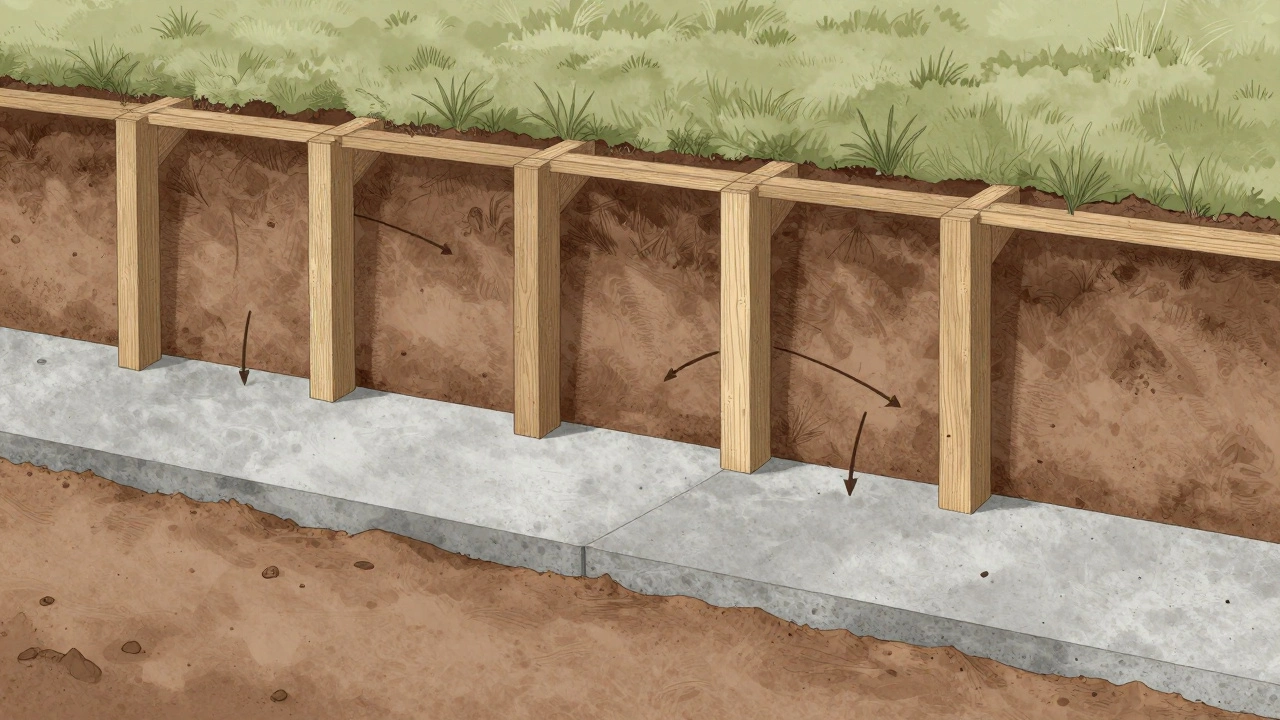
Not all ground is the same. In Melbourne, you’ll find everything from sandy soils in the outer suburbs to heavy clays in the north and east. Clay soils are the big concern. They swell when wet and shrink when dry. If your house was built on clay without proper footings or drainage, you’ll see more movement.
Builders in Melbourne now follow stricter guidelines under the Victorian Building Regulations 2018. New homes must have engineered footings based on soil reports. If your builder skipped a soil test, that’s a red flag. A good builder will provide you with a geotechnical report before pouring concrete.
Even with the best prep, seasonal changes affect settlement. A dry summer can cause clay to shrink, pulling the foundation down slightly. A wet winter can make it swell back up. This cycle can cause minor, recurring cracks. It’s not a defect-it’s just how the land behaves.
What You Can Do
There’s not much you can do to stop settling, but you can manage it:
- Keep gutters clean. Water pooling near the foundation is the #1 cause of uneven settlement. Make sure downpipes direct water at least 1.5 meters away.
- Maintain consistent moisture. If you live on clay soil, lightly watering the perimeter during long dry spells can help prevent extreme shrinkage. Don’t flood it-just keep it slightly damp.
- Don’t panic over small cracks. Fill them with flexible acrylic sealant. Don’t use rigid filler-it’ll crack again.
- Check your warranty. Most new builds in Australia come with a 6-year structural warranty. If something major happens within that time, your builder is responsible.
One homeowner in Footscray started watering the garden around her house every two weeks during summer. After three years, the small cracks near her garage stopped appearing. It wasn’t magic-just smart moisture control.

When to Call a Professional
Settling is normal. Structural failure isn’t. Here’s when to get help:
- Crumbling mortar or brickwork near the base of walls
- Cracks that are getting wider over time
- Doors or windows that are completely unusable
- Visible gaps between the house and the driveway or garage
Don’t wait. Get a structural engineer to inspect it. They’ll use a level, laser tools, and sometimes even ground-penetrating radar to check if the foundation is shifting unevenly. A report from a qualified engineer can save you thousands if you need to make a warranty claim.
What Builders Know That Homeowners Don’t
Most reputable builders expect some settling. That’s why they leave gaps in cabinetry, use flexible connections for plumbing, and install expansion joints in concrete. They know the house will move-and they plan for it.
But some cut corners. A builder who rushes the foundation, skips soil testing, or uses low-grade timber will create problems that show up later. That’s why you should always ask for the soil report and the builder’s certification before signing off on a new home.
In Melbourne, the average new home takes about 18 months to settle enough that most minor issues stabilize. After that, the house becomes more predictable. What felt like a problem in month six might be nothing by month 18.
Think of your new home like a puppy. It’s energetic, a little clumsy at first, and might knock over a vase or two. But over time, it grows into its paws. Your house is doing the same thing.
How long does it take for a new house to stop settling?
Most noticeable settling happens in the first 12 to 24 months. Minor adjustments can continue for up to five years, especially in homes built on clay soils. After that, movement slows to almost nothing. If major changes occur after two years, it’s likely due to poor construction or drainage issues-not normal settling.
Are cracks in new homes normal?
Yes, small hairline cracks (under 1mm) near doors, windows, and corners are normal in the first year. These happen as materials dry and shrink. Cracks wider than 5mm, especially if they’re growing, are not normal and should be inspected by a structural engineer.
Can you prevent a new house from settling?
You can’t stop settling-it’s natural. But you can reduce excessive movement by ensuring proper drainage, keeping soil moisture consistent (especially on clay), and using quality materials. Avoid overwatering near the foundation and make sure gutters direct water away from the house.
Does settling affect the value of a new home?
Minor settling doesn’t affect value. Buyers expect it. But if there are signs of major structural movement-large cracks, uneven floors, or foundation damage-it can lower value significantly. Always get a professional inspection before buying or selling a home with visible settling signs.
What’s the difference between settling and subsidence?
Settling is the natural, even compression of materials and soil under load. Subsidence is uneven sinking caused by poor ground conditions, leaking pipes, or inadequate footings. Subsidence causes serious damage and is not normal. It often requires expensive repairs like underpinning.