New Build Mold Risk Calculator
Assess Your Mold Risk
Enter details about your new home to determine potential mold risk based on construction practices, materials, and environmental factors.
People assume new homes are clean, safe, and free of problems. But if you’ve moved into a brand-new house and started feeling tired, dizzy, or constantly congested, mold might be the hidden culprit-even if you can’t see it. New builds aren’t immune to mold. In fact, they’re often more at risk than older homes.
Mold Doesn’t Care How New the Building Is
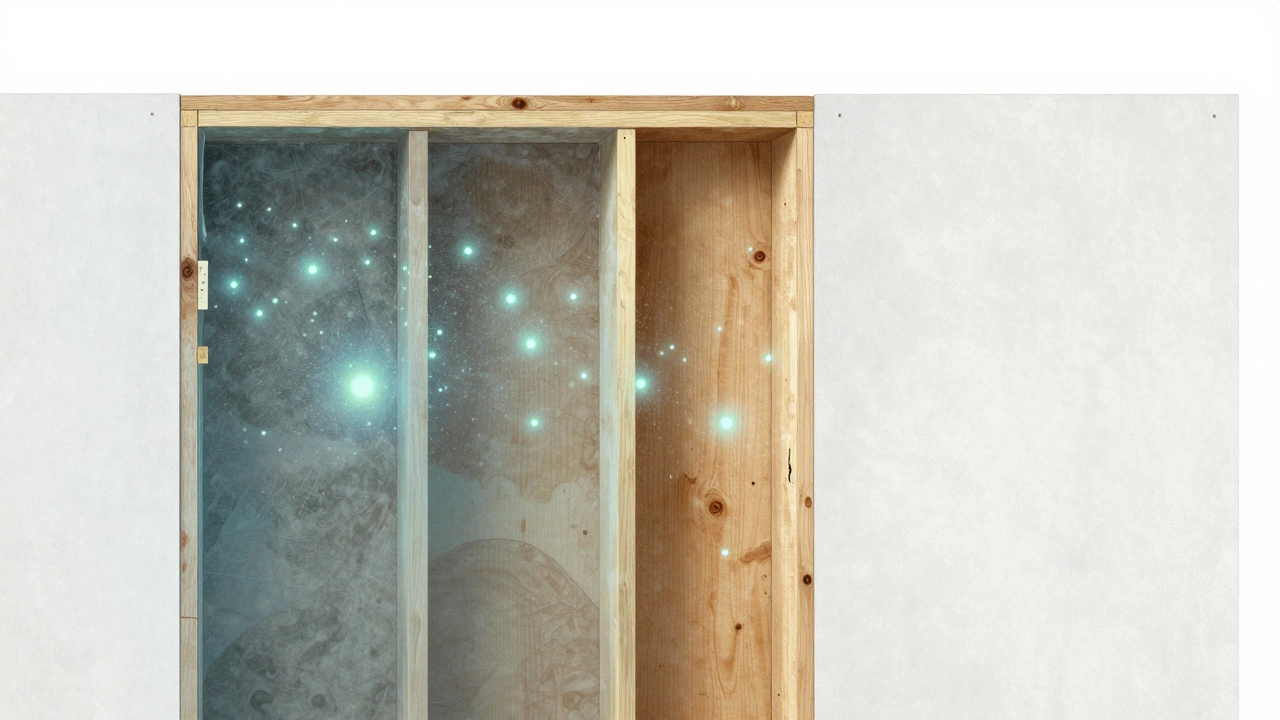
Mold grows when moisture meets organic material and stays damp for more than 48 hours. That’s it. It doesn’t check the construction date. In new builds, moisture gets trapped during construction. Drywall, wood framing, insulation, and even concrete can soak up rain, humidity, or sprinkler runoff. If builders rush to meet deadlines or skip proper drying time, mold spores settle in and start growing behind walls, under floors, or inside HVAC ducts.
A 2023 study from the National Institute of Environmental Health Sciences found that 37% of new homes built in humid climates showed signs of mold growth within the first six months. That’s not rare. It’s common. And most homeowners don’t notice until symptoms show up.
How Mold Makes You Sick
Mold doesn’t need to be visible to harm you. Spores float through the air and get inhaled. Some people react immediately. Others develop symptoms over weeks or months. Common signs include:
- Chronic nasal congestion or runny nose
- Wheezing, coughing, or shortness of breath
- Red, itchy eyes
- Headaches that won’t go away
- Fatigue that doesn’t improve with sleep
- Skin rashes or irritation
People with asthma, allergies, or weakened immune systems are more vulnerable. But even healthy adults can get sick. A 2024 report from the CDC confirmed cases of pneumonia-like symptoms in otherwise healthy individuals after prolonged exposure to mold in newly constructed homes.
Some molds, like Stachybotrys chartarum (black mold), produce mycotoxins. These aren’t deadly in small doses, but long-term exposure can disrupt hormone function, damage lung tissue, and worsen neurological symptoms like brain fog and memory issues.
Why New Builds Are More Susceptible
Older homes had time to dry out naturally. New builds don’t. Here’s why:
- Rushed construction: Builders often install drywall before framing is fully dry, especially in winter or rainy seasons.
- Sealed tight: Modern energy-efficient homes are built to be airtight. That’s good for heating bills, but bad for airflow. Moisture gets trapped inside.
- Low-quality materials: Some builders use cheaper drywall that’s more prone to mold growth. A 2022 investigation by Consumer Reports found that certain brands of drywall manufactured in 2023 had higher moisture retention rates.
- Improper ventilation: Bathrooms and kitchens without proper exhaust fans or ducting create perfect mold zones.
One homeowner in Atlanta moved into a $600,000 new build in March. By June, her 8-year-old started having nightly coughing fits. The HVAC system looked clean. The walls looked dry. But when she had a professional inspection, they found thick mold growing inside the wall cavity behind the master bathroom-where the builder had skipped the vapor barrier and used wet insulation.
What to Look For in a New Home
You can’t always see mold. But you can spot the warning signs:
- A musty smell, even if no visible mold is present
- Water stains on ceilings or walls that don’t match any plumbing leaks
- Peeling paint or warped baseboards
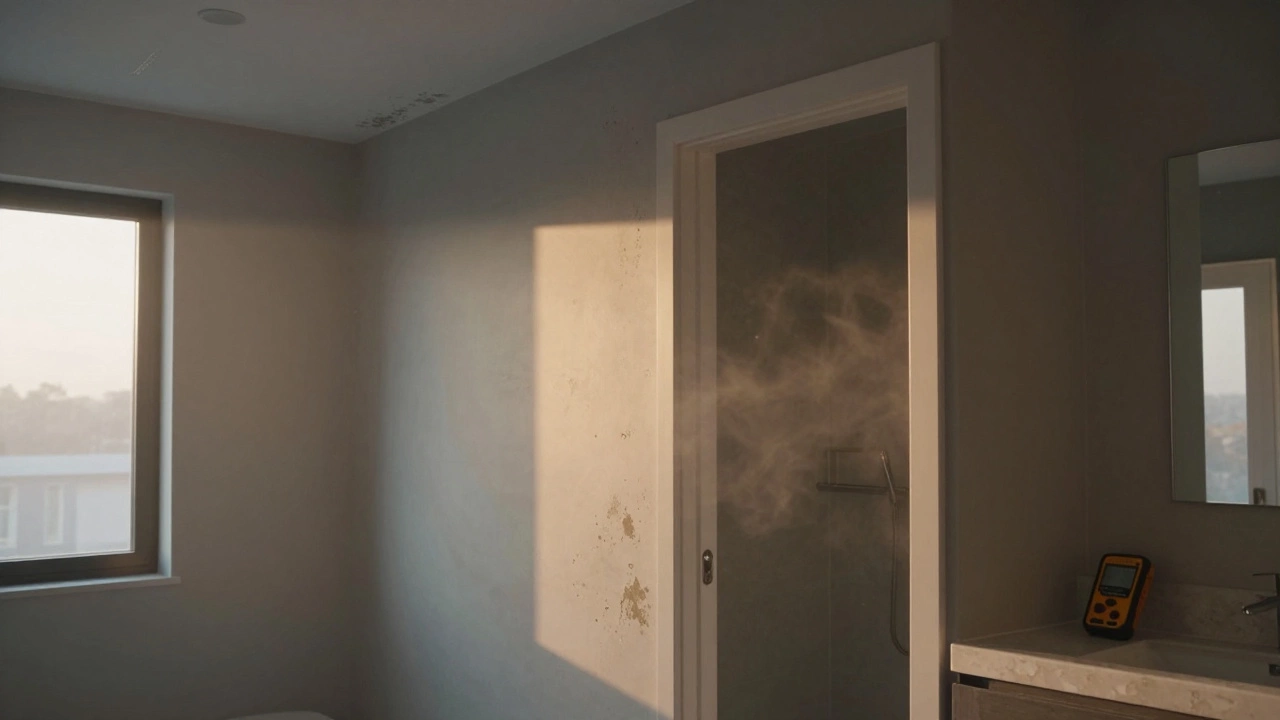
- High humidity levels (above 60%) inside the home
- Family members getting sick more often after moving in
Before closing on a new build, ask for the builder’s moisture inspection report. If they don’t have one, hire your own inspector. A certified mold inspector uses thermal imaging and moisture meters to find hidden damp spots. Don’t wait until someone gets sick.
What to Do If You Find Mold
If you find mold in your new home, don’t panic. But don’t ignore it either.
- Stop using the area if it’s in the HVAC system or a high-traffic room.
- Don’t try to clean it yourself with bleach. That only kills surface mold and spreads spores.
- Call a professional mold remediation company. They’ll contain the area, remove contaminated materials, and use HEPA filtration.
- Ask for a post-remediation verification test. The air should test below 500 spores per cubic meter.
- Document everything: photos, reports, medical bills. You may have legal recourse if the builder ignored known moisture issues.
Some states require builders to disclose known mold issues before sale. Others don’t. But if mold was caused by poor construction practices, you may be able to file a claim under your home warranty or builder’s liability policy.

How to Prevent Mold in New Builds
Prevention is cheaper than cleanup. Here’s what works:
- Wait at least 72 hours after installing drywall before turning on heat or AC to allow moisture to escape.
- Use mold-resistant drywall (green board or purple board) in bathrooms, basements, and kitchens.
- Install proper ventilation: exhaust fans in every bathroom and kitchen, with ducts that vent outside-not into the attic.
- Use a dehumidifier during construction if humidity is above 50%.
- Require a final moisture inspection before move-in. Make it part of your contract.
One builder in Portland now includes a 30-day post-move-in air quality check as standard. Buyers love it. And since 2023, their warranty claims for mold-related issues have dropped by 80%.
It’s Not Just About Allergies
Many people think mold is just a nuisance. But it’s a building defect with real health consequences. The World Health Organization classifies damp indoor environments as a risk factor for respiratory illness. And new builds aren’t exempt.
If you’re buying or building a new home, treat mold like you would a faulty electrical system: don’t ignore it, don’t assume it’s someone else’s problem, and don’t wait until it’s too late. Your health-and your investment-depends on it.
Can new construction have mold even if it looks clean?
Yes. Mold often grows behind walls, under flooring, or inside insulation where it’s hidden from sight. A home can look perfect but still have active mold growth if moisture was trapped during construction. Visual inspection isn’t enough-professional testing is needed.
How long does it take for mold to make you sick?
It varies. Some people react within days, especially if they have allergies or asthma. Others may take weeks or months of exposure before symptoms appear. Chronic fatigue, brain fog, or recurring sinus infections that don’t respond to treatment are red flags.
Is black mold more dangerous than other types?
Black mold (Stachybotrys chartarum) produces mycotoxins that can cause more severe symptoms like neurological issues and immune suppression with long-term exposure. But all molds can trigger allergic reactions and respiratory problems. You don’t need black mold to get sick-any mold growing indoors is a problem.
Can I clean mold myself in a new home?
Small surface mold on non-porous surfaces (like tile) can be cleaned with detergent and water. But if mold is behind drywall, in insulation, or in HVAC systems, DIY cleaning spreads spores and makes it worse. Always hire a certified mold remediation professional for hidden or extensive growth.
Will my homeowner’s insurance cover mold damage in a new build?
Most standard policies exclude mold damage unless it results from a sudden, covered event like a burst pipe. Mold from slow leaks or poor construction is usually not covered. Your best protection is holding the builder accountable through warranties or legal claims.
How do I know if my builder is responsible for mold?
If the mold resulted from skipping vapor barriers, using wet materials, inadequate ventilation, or failing to allow proper drying time, the builder is likely at fault. Review your contract and warranty documents. Take photos, keep medical records, and get an independent inspection report. Many builders will settle to avoid lawsuits.