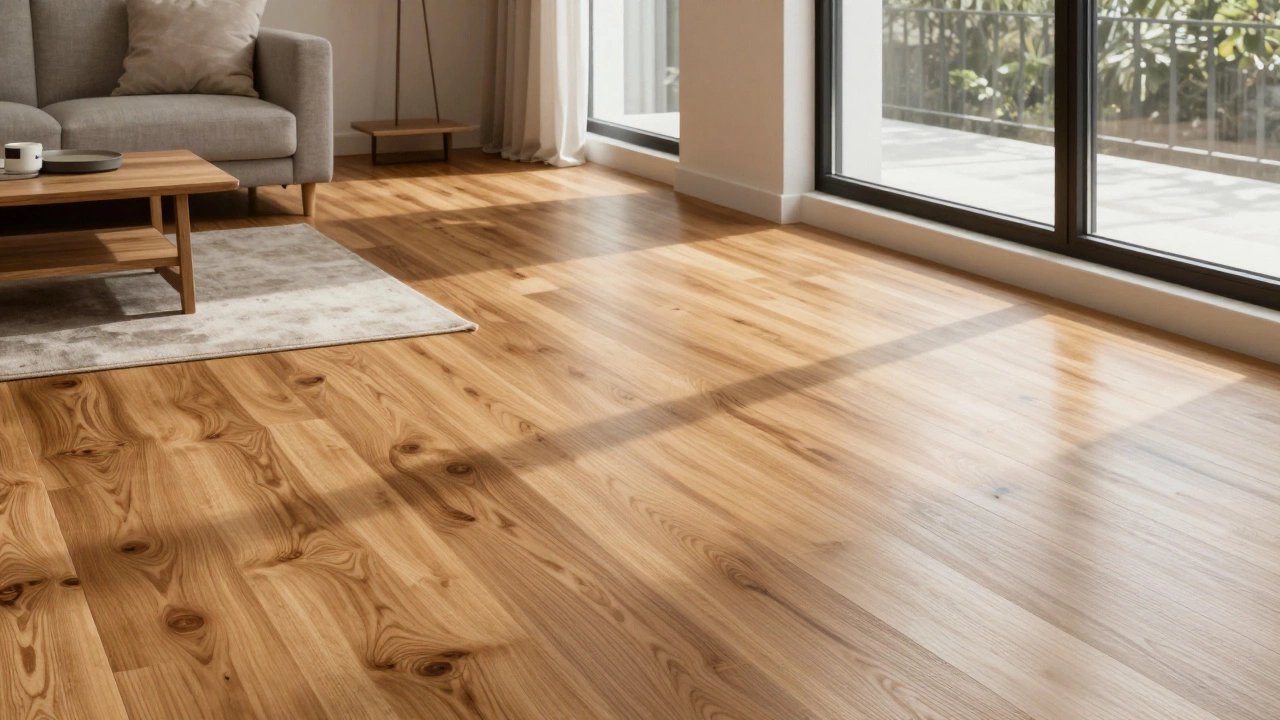
Hardwood floors look amazing. They add warmth, value, and a timeless feel to any home. But they’re not perfect. They scratch easily, warp in humid rooms, cost a lot to install, and need regular refinishing. If you love the look of hardwood but need something more practical, you’re not alone. Thousands of homeowners in Melbourne and beyond are switching to alternatives that mimic wood-without the headaches.
Engineered Wood: The Smart Upgrade
Engineered wood is the closest thing to solid hardwood you can get. It’s made of a thin top layer of real wood-like oak, walnut, or maple-bonded to multiple layers of plywood. This construction makes it way more stable than solid wood. It won’t expand or contract as much with humidity changes, which is huge in Melbourne’s changing seasons.
It can be sanded and refinished, usually once or twice, depending on the top layer thickness. Most high-quality engineered wood has a 4mm wear layer, which lasts 20+ years with normal use. You get the real wood grain, the same installation methods (nail, glue, or floating), and the same resale value. The price? Roughly 30-50% less than solid hardwood.
It’s ideal for basements, kitchens, and bathrooms where solid wood would fail. Brands like Kahrs, Bona, and Tarkett offer products with water-resistant cores and scratch-resistant finishes. If you want the real thing without the risk, engineered wood is your best bet.
Luxury Vinyl Plank (LVP): The Waterproof Winner
If you’ve got kids, pets, or a leaky kitchen, luxury vinyl plank (LVP) is the most practical floor you can install. It’s made of multiple layers: a rigid core (usually limestone or PVC), a printed wood design layer, and a clear wear layer that resists scratches, stains, and water.
Unlike old vinyl, LVP looks and feels like real wood. The texture is embossed to match grain patterns, and the planks come in wide, long sizes that mimic the look of real hardwood. It’s 100% waterproof-no swelling, no warping, no mold. Spill coffee? Wipe it up. Dog accident? No problem.
Installation is a breeze. Most LVP uses a click-lock system-you don’t need glue or nails. It floats over concrete, tile, or existing floors. It’s also warmer underfoot than tile and quieter than laminate. Brands like Shaw, COREtec, and Mohawk offer LVP with 20-30 year warranties. The average cost? $3-$8 per square foot installed. For a 1,000 sq ft home, that’s under $5,000.
It’s the top choice for families, rental properties, and coastal homes. And yes-it fools even interior designers.
Laminate Flooring: Budget-Friendly Wood Look
Laminate is the most affordable way to get a wood look. It’s made of high-density fiberboard with a photographic image of wood printed on top and sealed with a protective layer. It’s not real wood, but modern laminate has come a long way.
Today’s best laminates have textured surfaces that mimic the feel of real grain. Some even have beveled edges to give the illusion of individual planks. They’re durable, easy to clean, and resistant to fading. The downside? You can’t sand or refinish it. Once it’s scratched or worn, you replace it.
It’s great for high-traffic areas like hallways and living rooms. Avoid using it in bathrooms or laundry rooms unless it’s labeled as water-resistant. Look for AC4 or AC5 ratings for heavy use. Brands like Pergo, Kronotex, and Quick-Step offer lifelike designs with 25-year warranties.
Price-wise, it’s hard to beat. You can install laminate for $2-$5 per square foot. That’s half the cost of engineered wood. If you’re on a tight budget but still want wood vibes, laminate delivers.
Bamboo Flooring: Sustainable and Stylish
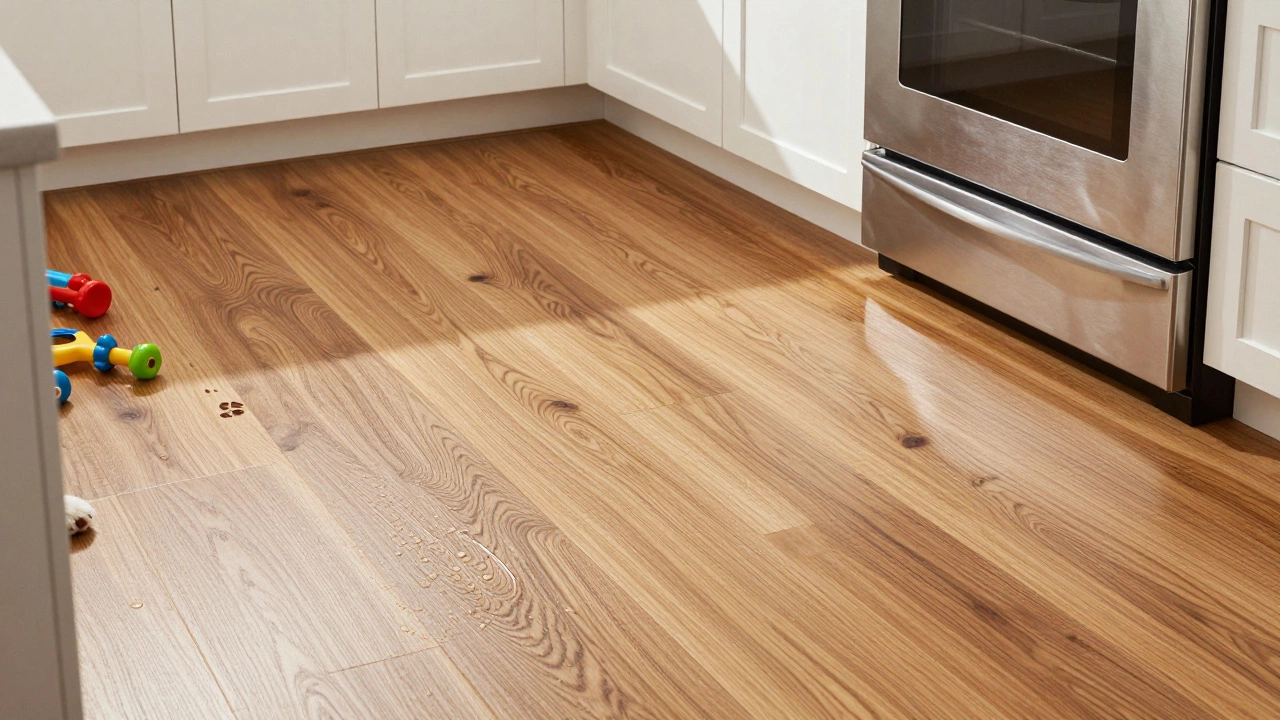
Bamboo is technically a grass, not a tree, but it’s harder than many hardwoods. It grows quickly, making it one of the most sustainable flooring options available. Carbonized bamboo has a warm, amber tone; natural bamboo is lighter and more yellow.
It comes in three main types: strand-woven (the hardest and most durable), horizontal, and vertical. Strand-woven bamboo is especially good for high-traffic areas. It resists dents better than oak and holds up well in dry climates.
But beware: not all bamboo is created equal. Cheap bamboo can swell in humidity and off-gas formaldehyde. Look for CARB2 or FloorScore certified products. Installation is similar to hardwood-nail or glue down. Prices range from $4-$7 per square foot. It’s a great choice if you care about eco-friendliness without sacrificing looks.
Tile with Wood-Look Finish: The Long-Term Play
Porcelain tile that looks like wood is gaining serious traction. It’s made from clay and minerals fired at high temperatures, then printed with realistic wood patterns. The result? A floor that’s waterproof, fireproof, scratchproof, and lasts 50+ years.
It’s perfect for kitchens, entryways, and bathrooms. It doesn’t fade in sunlight, and it’s easy to clean-just mop. The only downside? It’s cold underfoot and can be slippery when wet. Use rugs or choose textured finishes to improve traction.
Modern wood-look tile comes in wide planks, aged distressing, and even knot details that look authentic. Brands like Daltile, Marazzi, and MSI offer collections that match the grain and color variation of real wood. Installation is more labor-intensive and requires professional tiling, but the long-term value is unmatched. Cost: $5-$12 per square foot installed.
What to Avoid
Not all wood-look floors are worth your money. Skip these:
- Low-grade vinyl sheet flooring-it looks plastic, tears easily, and can’t be repaired.
- Thin laminate under 7mm-it feels hollow and dents too easily.
- Unfinished bamboo-unless it’s sealed and certified, it may warp or release toxins.
- Reclaimed wood without proper treatment-it can have hidden rot, pests, or moisture damage.
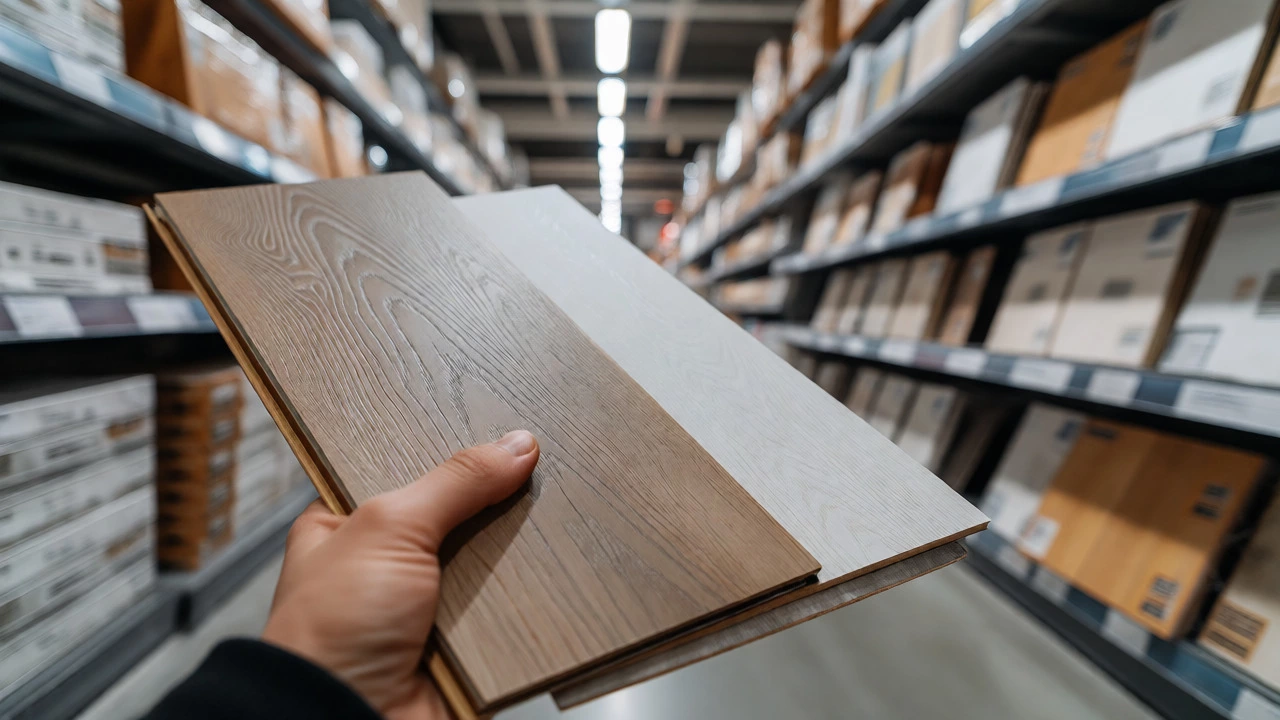
Always check the wear layer thickness, warranty length, and water resistance rating before buying. Ask for samples. Lay them in your space for a few days. See how the light hits them. Walk on them in socks and shoes. Your eyes and feet will tell you more than any salesperson.
Real-World Choice: What Melbourne Homeowners Are Picking
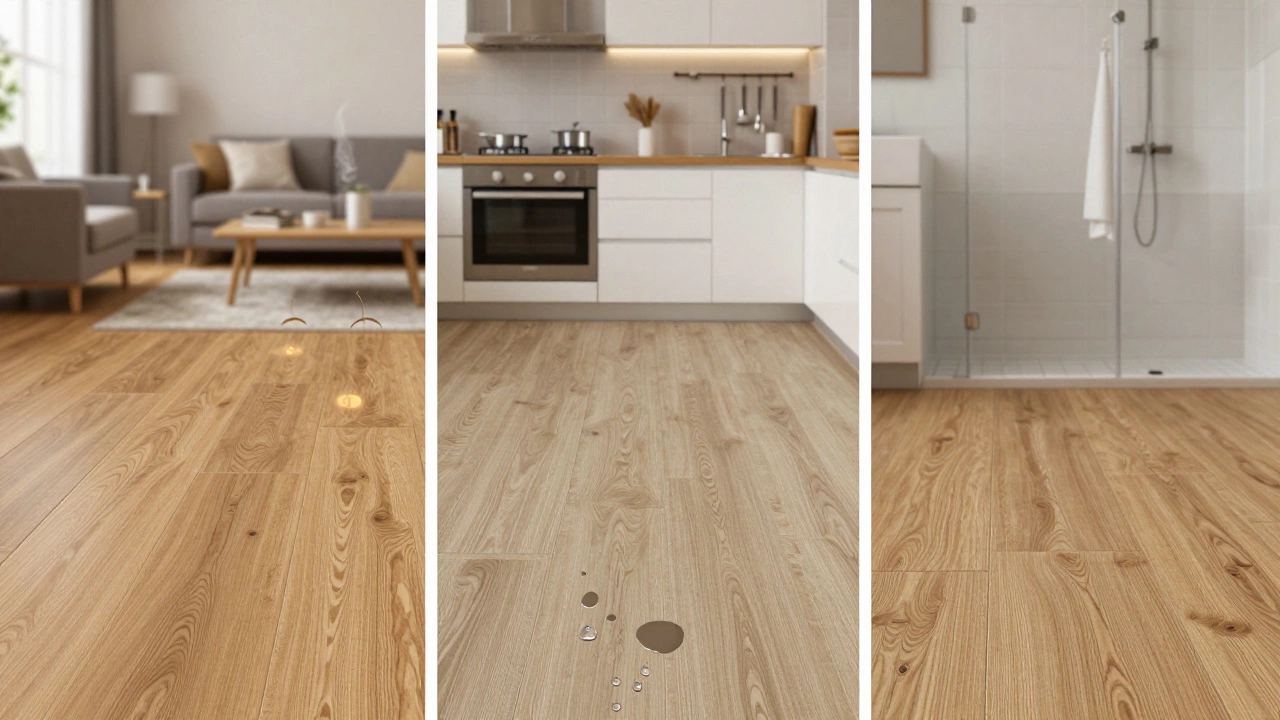
In Melbourne, where humidity swings from dry summers to damp winters, engineered wood and LVP dominate. A 2025 survey of 500 local homeowners found:
- 42% chose engineered wood for living areas and bedrooms
- 38% picked LVP for kitchens, bathrooms, and basements
- 12% went with laminate for budget-conscious renovations
- 7% selected wood-look tile for high-moisture zones
- 1% chose bamboo
Why? Because they wanted beauty without the maintenance. LVP won for practicality. Engineered wood won for authenticity. The common thread? No one wanted to refinish floors every five years.
Final Decision Guide
Still unsure? Ask yourself these three questions:
- Where are you installing it? Wet areas? Go LVP or tile. Dry areas? Engineered wood or bamboo.
- What’s your budget? Under $3/sq ft? Laminate. $4-$7/sq ft? Engineered wood or bamboo. $8+? LVP or tile.
- How long do you plan to stay? Selling soon? Go with what adds resale value-engineered wood. Staying long-term? Invest in LVP or tile for zero maintenance.
There’s no single ‘best’ alternative. But there’s a best one for you.
Is luxury vinyl plank really as good as hardwood?
Yes, for most homes. High-end LVP looks and feels nearly identical to real wood. It’s more durable, waterproof, and easier to maintain. It won’t scratch as easily, won’t warp with spills, and doesn’t need refinishing. The only thing it doesn’t have is the natural variation and warmth of real wood grain-but modern LVP comes very close. For families, pets, and busy households, it’s often the better choice.
Can I install engineered wood over concrete?
Yes, but you need to use the right method. Engineered wood can be glued directly to concrete or floated over a moisture barrier. Never nail it into concrete. Always test the moisture level first-concrete can release water vapor, which can damage the floor over time. Use a calcium chloride test or a digital moisture meter. If readings are above 3 lbs/1,000 sq ft/24 hrs, add a vapor barrier.
Does bamboo flooring hold up in Melbourne’s climate?
It can, but only if it’s strand-woven and properly acclimated. Bamboo expands and contracts with humidity, so leaving it in the room for 72 hours before installation is critical. Avoid installing it in bathrooms or near windows with direct sun. In Melbourne’s variable climate, engineered wood is more stable-but bamboo is a solid eco-friendly option if you choose quality and install it right.
How long does LVP last?
Most quality LVP lasts 20-30 years with normal use. The wear layer thickness determines durability. Look for 20 mil (0.5 mm) or thicker for homes with pets or kids. Commercial-grade LVP can last 40+ years. It doesn’t wear out like wood-it just gets scratched or scuffed. Most scratches can be cleaned or buffed out. Replacing a single plank is easy if damage occurs.
Which flooring adds the most home value?
Engineered wood adds the most resale value because buyers recognize it as a premium, real wood product. LVP and laminate are great for function, but they don’t carry the same perceived value. Tile with wood-look is also highly valued in kitchens and bathrooms. If you’re planning to sell in the next 3-5 years, engineered wood is the safest investment.
Next Steps
Start by getting free samples from at least three brands. Lay them side by side in your room. Turn off the lights. Turn them on. Walk on them. See how they look at different times of day. Talk to local installers-not just salespeople. Ask what they’d put in their own home.
If you’re replacing old flooring, check if the subfloor is level. Uneven floors cause clicking, creaking, and premature wear. Don’t skip the underlayment-it reduces noise and adds moisture protection.
And don’t rush. Flooring is one of the biggest decisions in a home. It’s not just about looks. It’s about how your feet feel in the morning, how easy it is to clean after dinner, and how it holds up when your dog runs through the house with muddy paws. Choose wisely. You’ll live with it for decades.