When you see a new house, a bridge, or a skyscraper, you’re looking at the end result. But behind every structure are the raw materials that make it possible. These aren’t fancy finishes or smart home gadgets-they’re the basic stuff dug from the earth, mined from the ground, or grown from the soil. Understanding what goes into construction helps you see why some buildings last decades while others crack under pressure. It also explains why prices swing, why delays happen, and why not every material works everywhere.
Concrete: The Backbone of Modern Construction
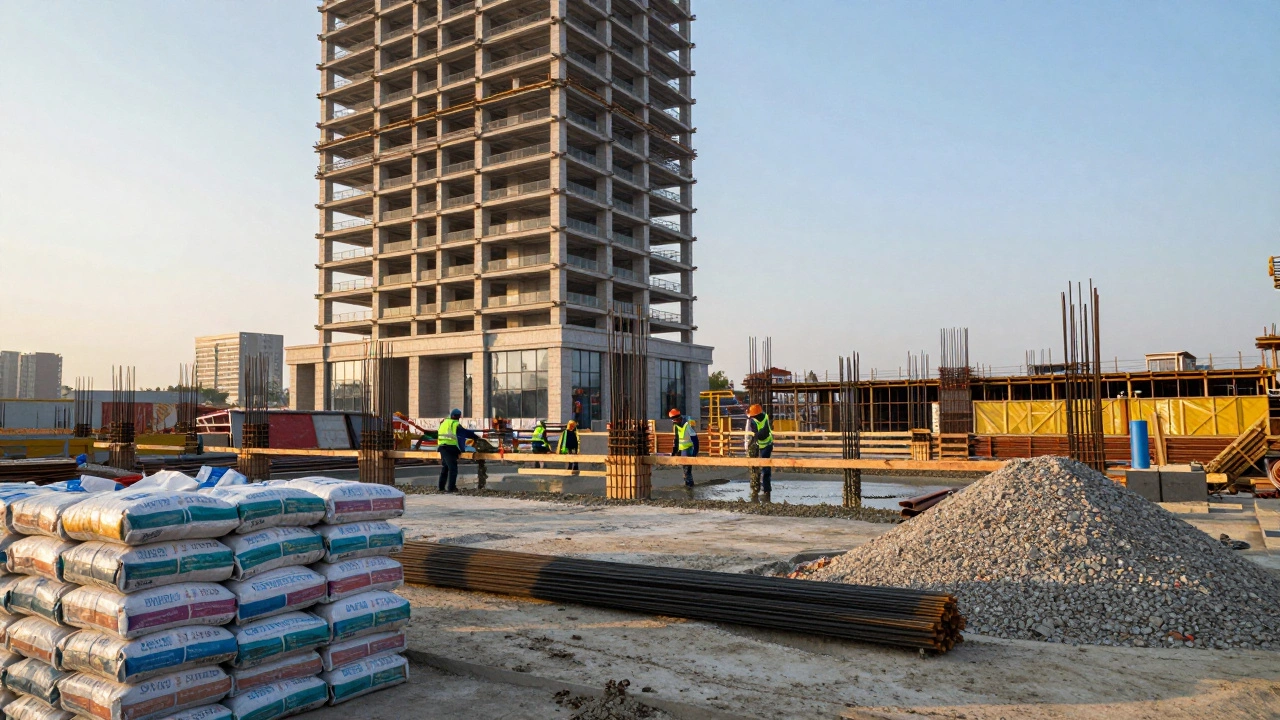
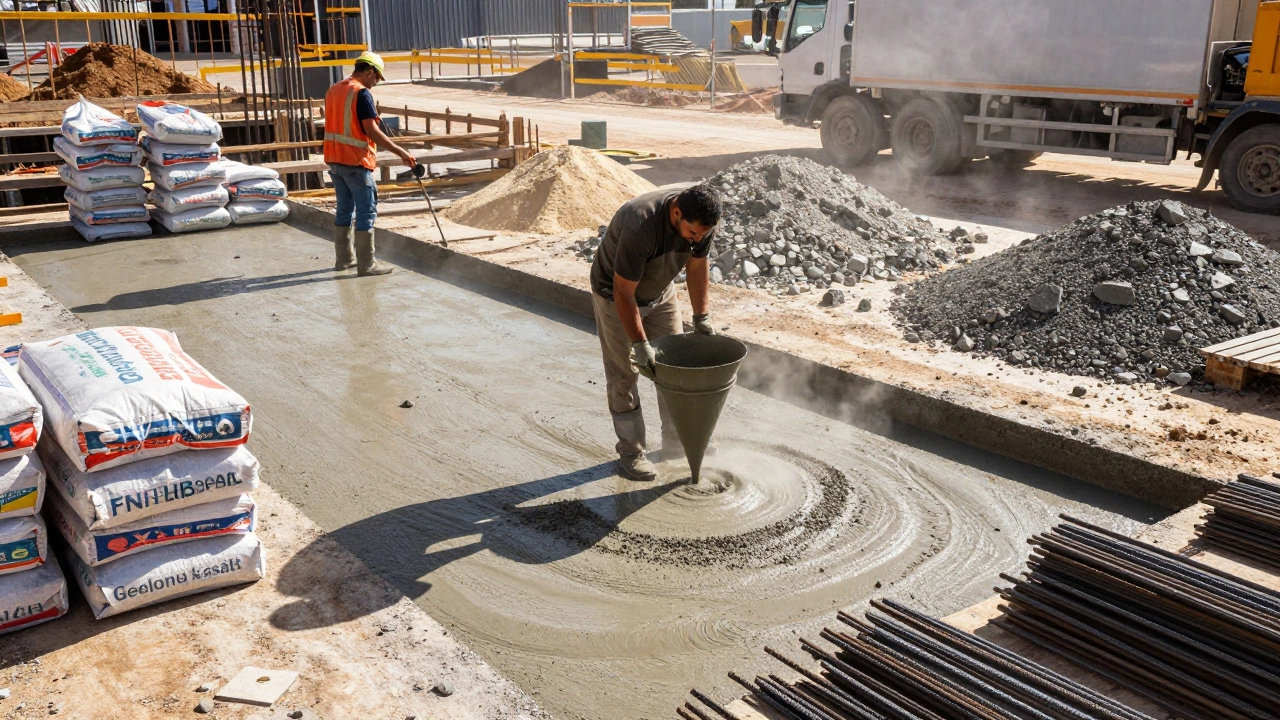
Concrete is the most used construction material on the planet. More than 10 billion tons are produced every year. It’s not one thing-it’s a mix. The core ingredients are cement, water, sand, and crushed rock or gravel. Cement, made by heating limestone and clay in a kiln, is the glue that holds everything together. When mixed with water, it starts a chemical reaction called hydration. That’s what turns the slurry into solid rock over time.
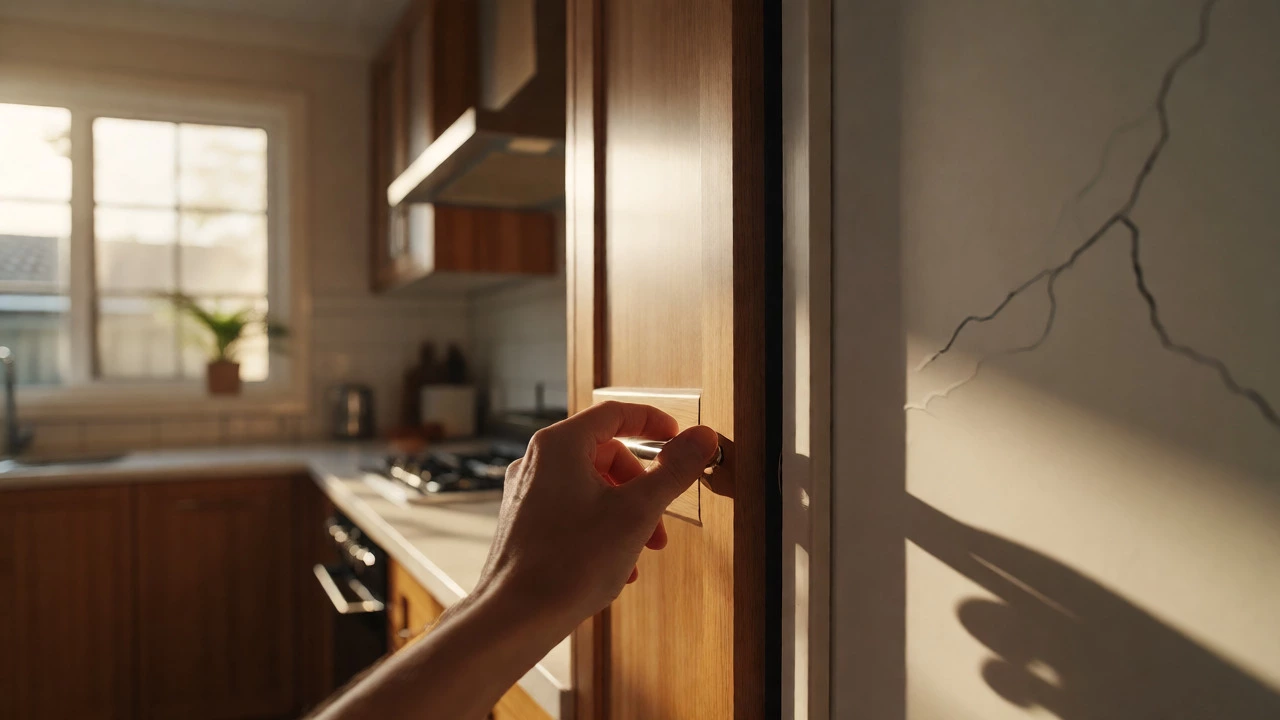
In Australia, concrete makes up over 70% of all building materials. It’s used in foundations, roads, walls, and even precast slabs for apartments. But it’s not perfect. Concrete cracks if not mixed right. Too much water? Weak structure. Not enough curing time? Dusty surface. That’s why professionals test batches for slump and compressive strength before pouring.
Steel: Strength in Bars and Beams
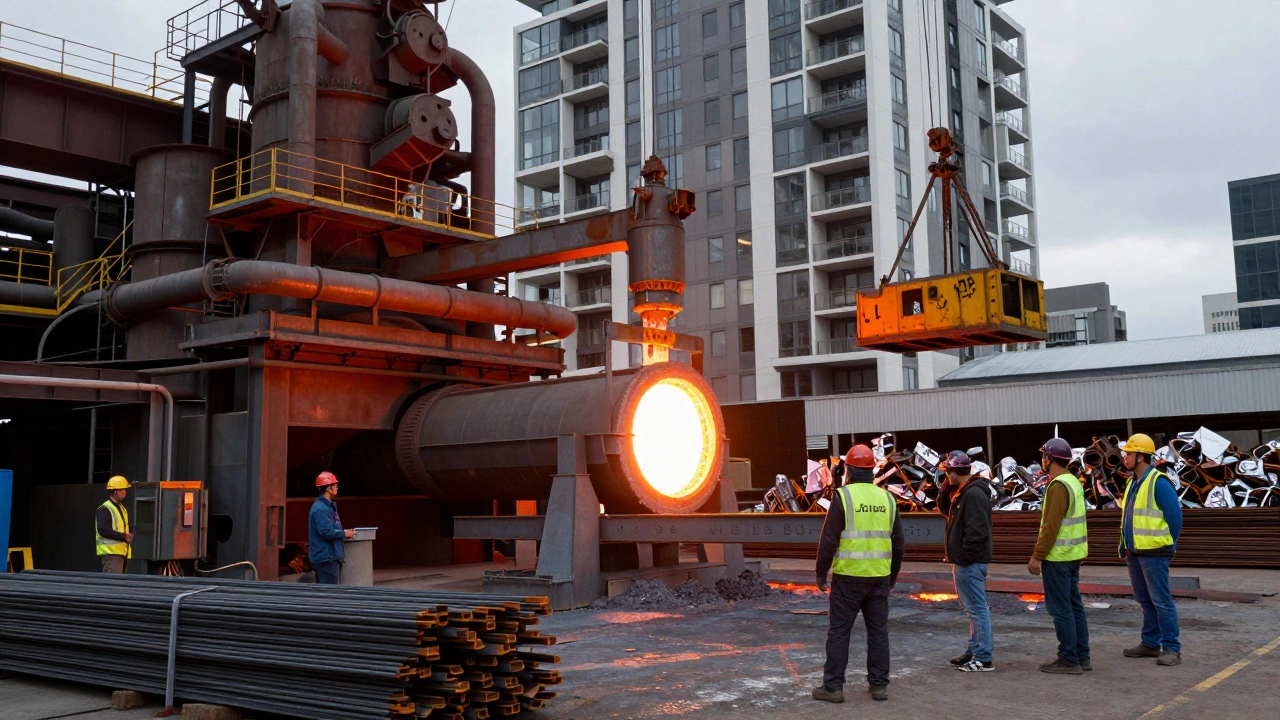
Steel is what lets buildings go higher and bridges stretch farther. It’s made from iron ore, coal, and limestone. The iron ore is smelted in blast furnaces, then refined into steel with controlled carbon levels. Most construction steel is rebar-ribbed steel bars embedded in concrete to add tensile strength. Without rebar, concrete would shatter under tension.
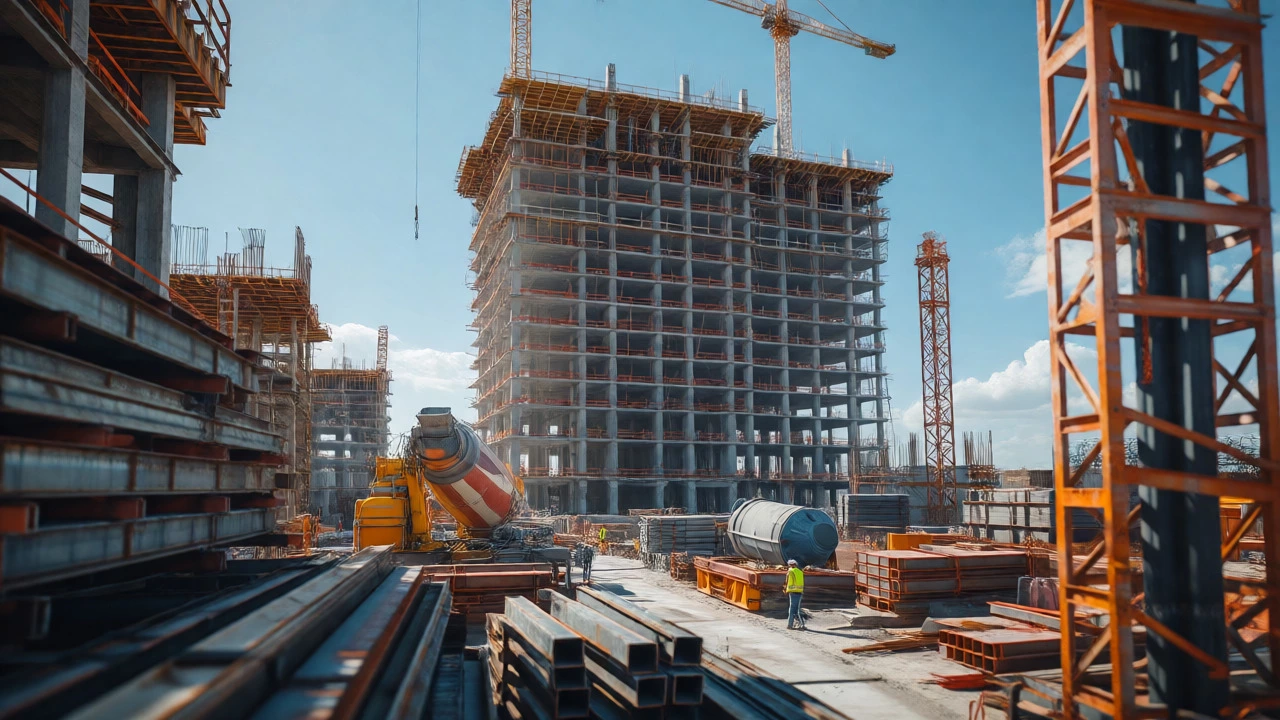
Structural steel beams, like I-beams and H-beams, are used in commercial buildings and warehouses. They’re prefabricated, shipped to site, and bolted or welded into place. In Melbourne, steel frames are common in multi-story apartments because they’re fast to install and handle seismic loads better than concrete alone. Steel also recycles easily. About 90% of scrap steel gets reused, making it one of the most sustainable options.
Wood: The Natural Choice
Wood has been used for building since humans first chopped down trees. Today, it’s still a go-to for homes, especially in residential construction. Softwoods like pine, spruce, and fir are the most common. They’re lightweight, easy to cut, and relatively cheap. In Australia, treated pine is standard for framing, decking, and fencing because it resists rot and insects.
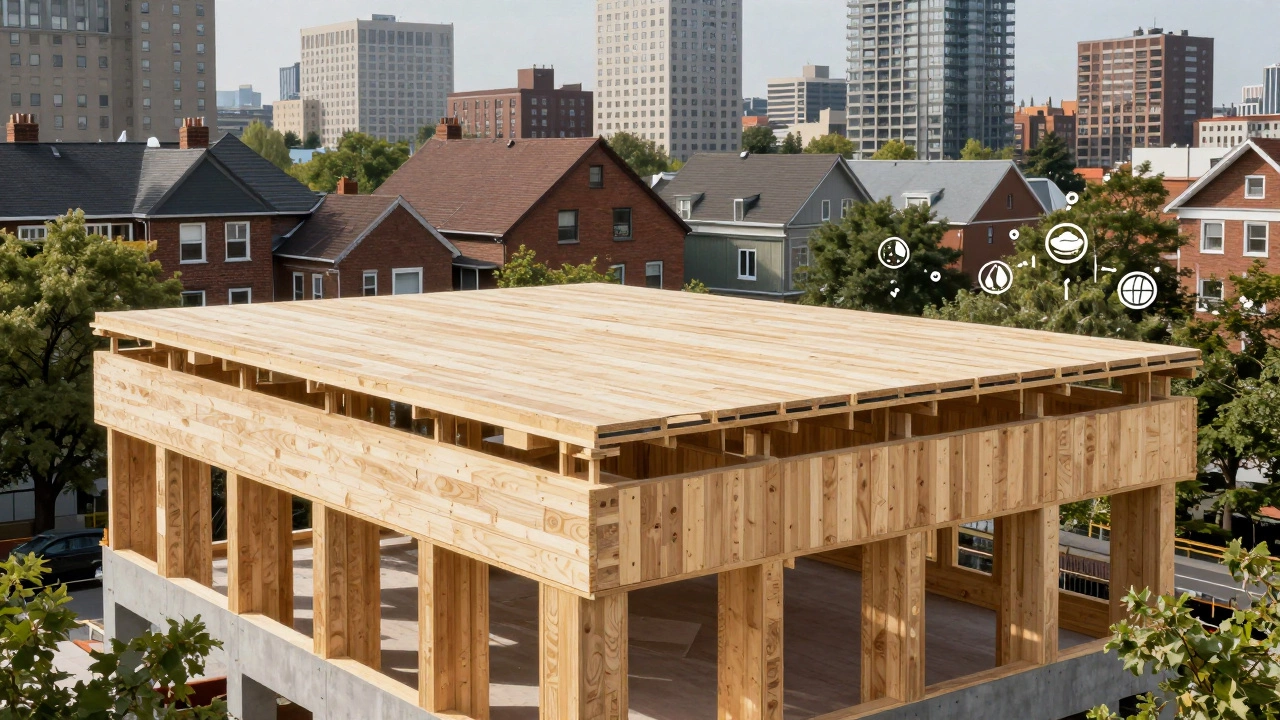
Engineered wood products have changed the game. Cross-laminated timber (CLT) is made by gluing layers of wood at right angles. It’s strong enough to replace steel in mid-rise buildings. Mass timber buildings are popping up in cities like Vancouver and Melbourne because they store carbon instead of emitting it. A single CLT wall can lock away 1 ton of CO2.
Bricks and Blocks: Time-Tested Walls
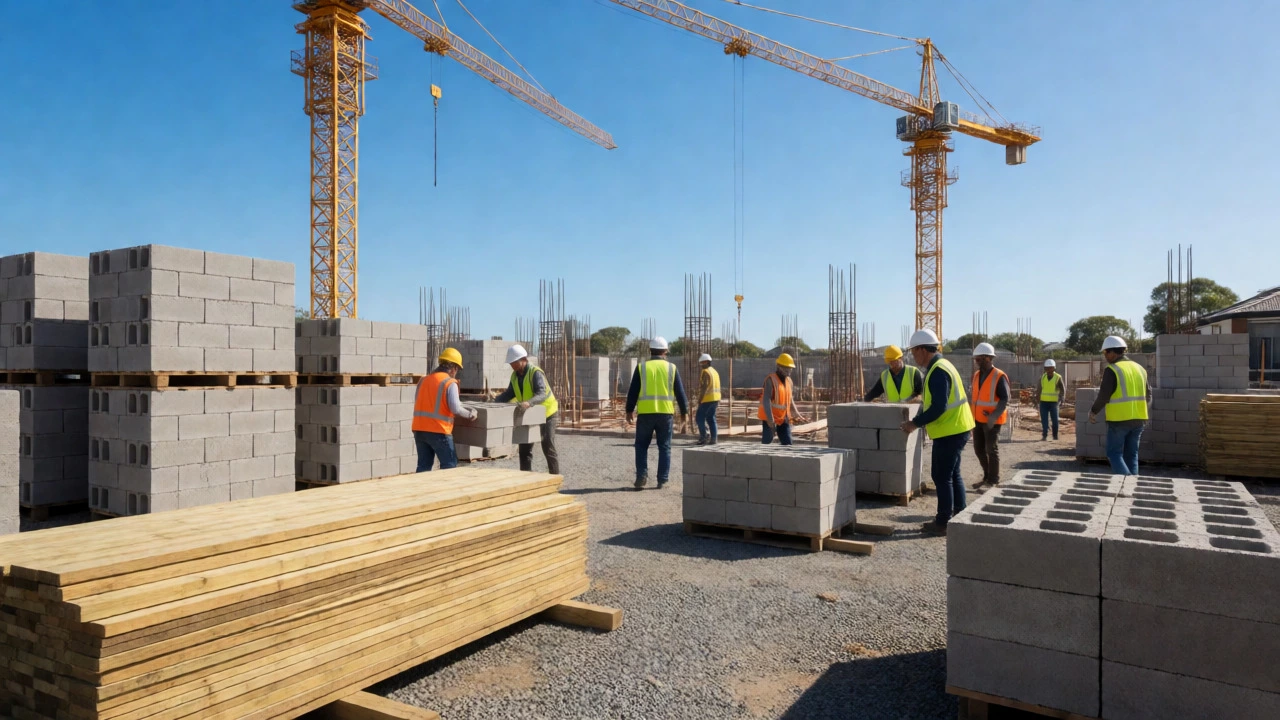
Bricks are fired clay. The raw material is shale or clay dug from quarries, shaped into blocks, then baked in kilns at over 1,000°C. They’re durable, fire-resistant, and need almost no maintenance. In older Australian suburbs, brick veneer homes dominate-thin brick layers over a timber frame. Full brick walls are still used in commercial buildings and high-end homes.
Concrete blocks are cheaper and faster to lay. They’re hollow, so insulation can be added inside. In Melbourne, insulated concrete blocks are common in energy-efficient homes. They’re heavier than bricks, though, and need stronger foundations. Both bricks and blocks rely on mortar-usually cement, sand, and water-to stick together.
Sand and Aggregates: The Hidden Foundation
You don’t notice sand unless you’re digging a hole or laying a patio. But without it, nothing holds. Sand is the fine aggregate in concrete and mortar. River sand was once the standard, but over-mining led to shortages. Now, crushed rock sand and recycled concrete are common alternatives.
Coarse aggregates-gravel, crushed stone, or slag-are the larger bits in concrete. They make up 60-75% of the mix. The size and shape matter. Rounded gravel flows easier; angular crushed rock locks in better. In Australia, sourcing local aggregates reduces transport emissions. A project in Geelong saved 40% in costs by using crushed basalt from a nearby quarry instead of importing gravel from Queensland.
Other Key Materials You Might Not Think About
There are dozens of other raw inputs that slip under the radar. Glass starts with silica sand, soda ash, and limestone melted at 1,500°C. Insulation comes from mineral wool (made from basalt or slag), fiberglass (sand and recycled glass), or cellulose (recycled newspaper). Roofing tiles are fired clay or concrete. Even drywall starts with gypsum-mined from sedimentary rock layers.
Plastic pipes for plumbing? Made from crude oil. Copper wiring? Mined from ore. Paint? Derived from titanium dioxide, resins, and solvents. Every building is a collection of raw materials, each with its own supply chain, environmental cost, and performance limits.
Why Material Choice Matters
Choosing the right raw materials isn’t just about cost. It’s about durability, safety, and sustainability. A house built with low-quality timber in a humid climate will rot. A concrete mix with too much salt will corrode rebar and crack. A brick wall without proper drainage can lead to mold.
Climate also affects choice. In Melbourne’s variable weather, materials must handle freeze-thaw cycles and occasional heavy rain. That’s why local building codes specify minimum standards for compressive strength, water absorption, and thermal performance. Builders who cut corners on materials don’t just risk failure-they risk liability.
And then there’s the environmental angle. Concrete production emits about 8% of global CO2. Steel is energy-intensive. Wood, when sourced responsibly, is carbon-negative. That’s why more projects now track embodied carbon-the total emissions from extracting, processing, and transporting materials.
How to Spot Quality Raw Materials
If you’re overseeing a build or just curious, here’s how to tell if materials are up to standard:
- Concrete: Should be uniform in color, no visible lumps. Ask for a mix design sheet showing cement content and water-cement ratio.
- Steel: Rebar should have mill markings showing grade and manufacturer. Rust is okay on surface, but flaking means poor quality.
- Wood: Look for stamp marks like “MGP10” or “F7”-these indicate structural grade. Avoid wood with greenish mold or soft spots.
- Bricks: Tap one. A clear ring means it’s well-fired. A dull thud means it’s under-baked and will crumble.
- Sand: Should feel gritty, not muddy. If it sticks to your hand like clay, it’s too fine and will weaken concrete.
Always ask for test certificates. Reputable suppliers provide them. If they don’t, walk away.
What’s Changing in 2026
Raw materials are evolving. Recycled content is now mandatory in many Australian infrastructure projects. New regulations require 30% recycled aggregates in concrete for public works. Some companies are using fly ash-a byproduct of coal plants-as a cement substitute. It cuts emissions and improves durability.
Carbon capture in cement is being tested in trials across Victoria. Early results show up to 40% less emissions without sacrificing strength. Timber framing is getting smarter too. Cross-laminated timber panels can now be 3D-printed to exact dimensions, reducing waste.
The future isn’t just about stronger materials-it’s about smarter sourcing. Local, recycled, low-carbon options are no longer niche. They’re becoming the new standard.
What are the five most common raw materials in construction?
The five most common raw materials are concrete (cement, sand, gravel), steel (iron ore, coal), wood (softwood timber), bricks (clay or shale), and sand (used in concrete, mortar, and asphalt). Together, they form the foundation of nearly every building project.
Is wood a good raw material for construction?
Yes, when properly treated and sourced sustainably. Wood is renewable, has low embodied energy, and insulates better than steel or concrete. Modern engineered wood like CLT is strong enough for multi-story buildings and stores carbon. In Australia, treated pine is standard for framing, while mass timber is gaining traction in new urban developments.
Why is sand a critical raw material?
Sand is the main aggregate in concrete and mortar, making up over 60% of the mix. Without the right type and amount of sand, concrete loses strength and cracks. River sand was once common, but shortages have led to crushed rock sand and recycled materials becoming standard. Poor-quality sand with too much silt can weaken structures over time.
Can recycled materials replace traditional raw materials?
Absolutely. Recycled steel, crushed concrete as aggregate, fly ash in cement, and reclaimed timber are now widely used. In Australia, new regulations require 30% recycled content in public infrastructure projects. These materials often perform just as well-or better-than virgin inputs, and they cut emissions significantly.
How do raw materials affect building durability?
The quality of raw materials directly impacts how long a building lasts. Low-grade cement leads to crumbling concrete. Poorly treated wood rots. Impure sand weakens mortar. Even small variations in mix ratios can cause cracks, corrosion, or structural failure over time. That’s why professional builders test materials and follow strict standards-cutting corners here doesn’t save money, it just delays disaster.
Raw materials aren’t glamorous, but they’re everything. They’re the reason your house doesn’t collapse in winter, why your bridge crosses the river without shaking, and why your office stays cool in summer. Knowing what they are-and what makes them good or bad-gives you real power when planning, buying, or just wondering how the world around you is built.