Wall Coverings 2025: Trends, Materials, and How to Choose
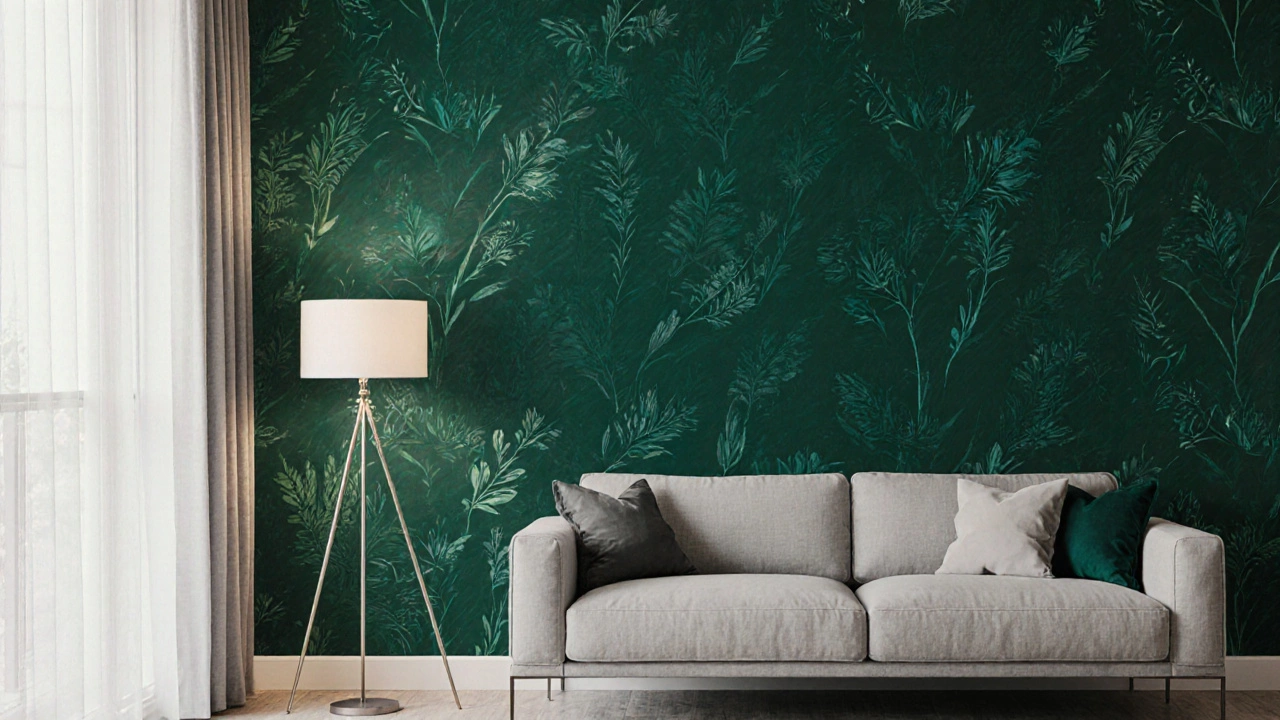
When it comes to transforming a room, nothing changes the feel faster than wall coverings, decorative surfaces applied to interior walls to enhance aesthetics, texture, and acoustics. Also known as wall finishes, they’ve moved far beyond basic wallpaper—today’s options include reclaimed wood panels, 3D textured plasters, and biodegradable fabrics made from bamboo or cork. In 2025, people aren’t just picking colors—they’re choosing materials that reflect how they live. No more flat, boring walls. The focus is on depth, sustainability, and tactile experience.
One big shift? textured wall panels, modular, pre-finished wall systems that add dimension without the mess of traditional plastering. Also known as 3D wall tiles, these are popping up in living rooms, bedrooms, and even home offices because they hide imperfections, reduce echo, and add instant character. Then there’s sustainable wall materials, eco-conscious finishes made from recycled content, natural fibers, or low-VOC production methods. Also known as green wall finishes, these aren’t just a trend—they’re becoming the standard for new builds and renovations in the UK, especially as homeowners demand less environmental impact. You’ll see more clay-based plasters, hemp-based wallpapers, and even mycelium-based panels that biodegrade after use. These aren’t niche products anymore—they’re in showrooms and on construction sites.
What’s driving this? People want walls that feel alive, not just look good. A smooth, painted wall doesn’t tell a story. But a wall with subtle ridges, woven fibers, or hand-applied plaster does. It adds warmth, slows down sound, and makes a space feel more personal. And it’s not just about looks—materials matter for indoor air quality, durability, and even energy efficiency. A well-chosen wall covering can reduce the need for extra heating or cooling by adding a layer of insulation.
Whether you’re redoing a single room or an entire home, 2025’s wall coverings give you real choices: bold geometric patterns for drama, soft linen textures for calm, or rugged concrete finishes for industrial edge. The key is matching the material to your lifestyle. If you have kids or pets, go for wipeable, durable options. If you want quiet, choose sound-absorbing fabrics. If sustainability matters, ask where it’s made and what it’s made from.
Below, you’ll find real examples of how these trends are being used in homes across the UK—from modern flats in London to countryside renovations in Yorkshire. You’ll see what works, what doesn’t, and how to avoid common mistakes when picking your next wall finish. No fluff. Just clear, practical insights from actual projects.