
Wallpaper Cost Estimator
Calculate Your Wallpaper Project Cost
Estimate the total cost to wallpaper a room based on your space dimensions and choices. Data is based on 2025 Melbourne market rates.
Pro Tip: A roll covers approximately 5.2m x 0.53m (2.76 sqm). For your room size, you'll need 0 rolls. Always buy 10-15% extra for pattern matching and mistakes.
Five years ago, wallpaper was the thing your grandparents had. The kind you peeled off in sticky strips, leaving behind ghost patterns and half-ripped paper. But if you walk through any new home in Melbourne right now - from a laneway terrace in Collingwood to a renovated bungalow in Hawthorn - you’ll see it. Not the old floral prints. Not the cheap vinyl. Real wallpaper. Bold, textured, and intentional. So yes, wallpaper is not just back. It’s winning.
Wallpaper isn’t just trending - it’s evolving
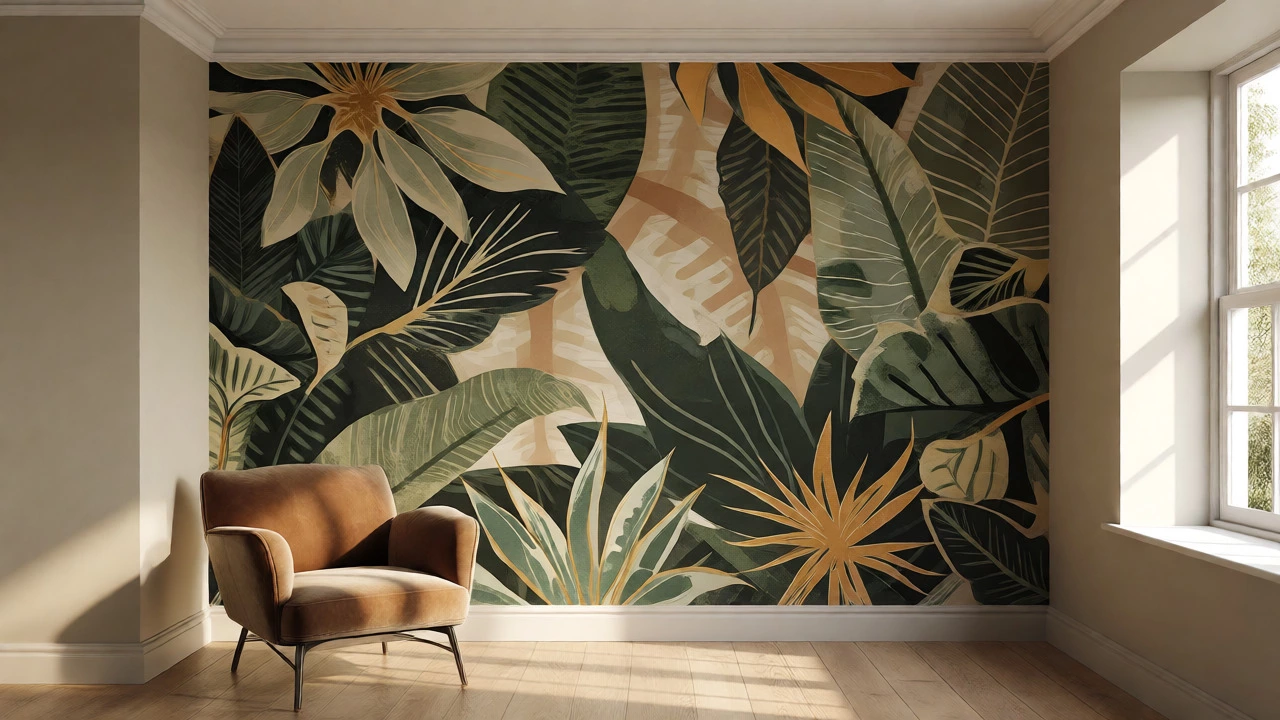
What changed? Technology. And taste. Modern wallpaper isn’t printed on paper anymore. It’s made from non-woven fabrics that breathe, resist mold, and stick to uneven walls without bubbling. Brands like Cole & Son, Graham & Brown, and even Australian-made options like Tonic Wallpaper use water-based inks and sustainable materials. You can get wallpaper that looks like hand-painted silk, crushed velvet, or even 3D geometric relief - all without the mess of paint or the cost of plaster.
And it’s not just for feature walls anymore. Full-room installations are common now, especially in bedrooms and powder rooms. In a 2024 survey of 1,200 Australian homeowners, 68% said they chose wallpaper over paint for at least one room because it added depth and personality that paint couldn’t match. That’s up from 32% in 2020.
Why people are choosing wallpaper over paint
Paint is easy. Wallpaper is an experience.
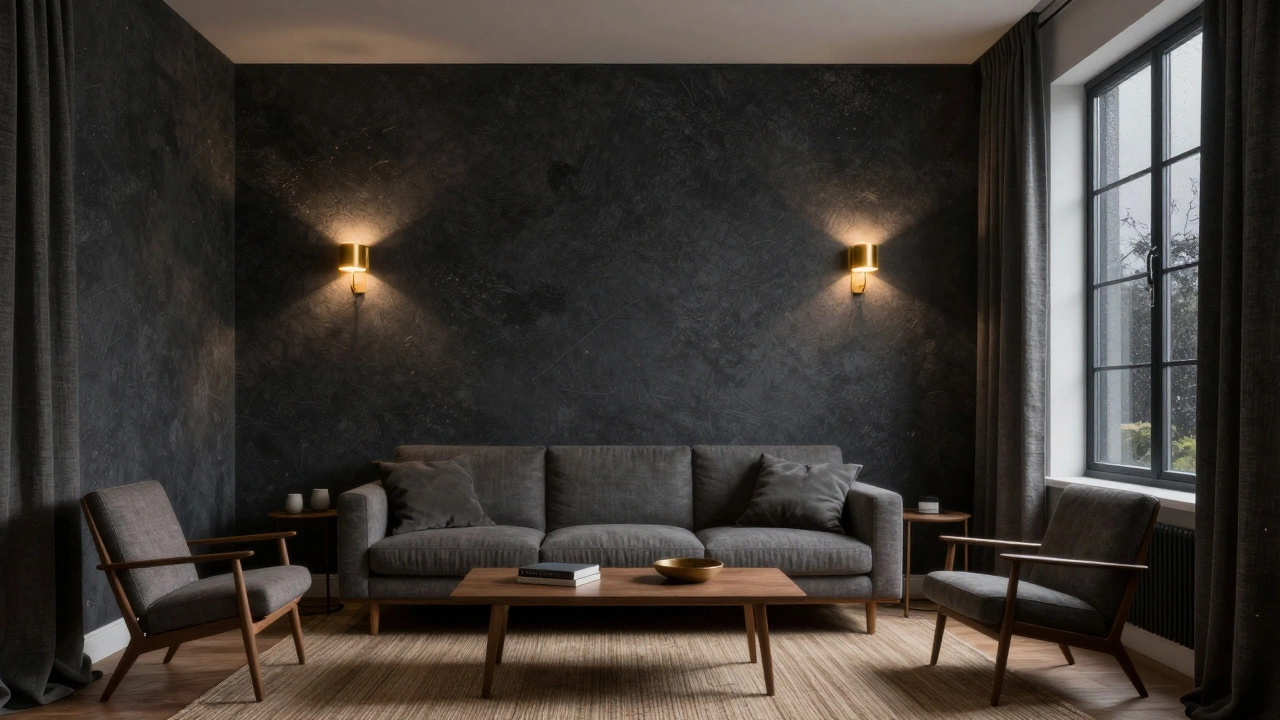
Think about it: paint gives you color. Wallpaper gives you texture, pattern, and mood. A dark green damask in a bathroom doesn’t just look rich - it feels luxurious. A subtle linen-look wall in a living room doesn’t just hide imperfections - it softens light and sound. In Melbourne’s older homes, where walls are rarely perfectly flat, wallpaper hides flaws better than any primer or skim coat.
There’s also the emotional pull. People aren’t just decorating rooms anymore - they’re building atmospheres. A study from the University of Melbourne’s Design Lab found that rooms with patterned walls increased feelings of calm and creativity in 74% of participants. That’s not a coincidence. Patterned walls activate different parts of the brain than flat color. They’re memorable. They’re personal.
And let’s not forget social media. Instagram and Pinterest are flooded with #WallpaperTransformation posts. One Melbourne designer, Laura Chen, saw her Instagram followers jump from 12K to 89K in 18 months after posting a before-and-after of a 1920s kitchen with a bold, hand-blocked floral print. People don’t just want to see wallpaper - they want to replicate it.
The most popular wallpaper styles in 2025
Not all wallpaper is created equal. Here’s what’s actually selling right now:
- Organic textures: Grasscloth, cork, and recycled paper finishes. These look natural, feel warm, and hide fingerprints. Popular in kitchens and living areas.
- Minimalist geometrics: Thin lines, abstract shapes, monochrome. Think Japanese wabi-sabi meets Scandinavian simplicity. Perfect for small spaces.
- Dark moody tones: Deep navy, charcoal, forest green. Not just for feature walls - full rooms. Especially in bedrooms and studies.
- Hand-drawn florals: Not your grandma’s roses. Think loose, painterly blooms with watercolor edges. Often in muted palettes - dusty pink, sage, cream.
- Metallized finishes: Subtle gold, copper, or silver leaf effects. Not glittery. More like a soft sheen that catches light differently throughout the day.
What’s fading? Bright primary colors. Overly busy damasks. Vinyl with plastic shine. And anything that looks like it came from a 1980s hotel.

Where wallpaper works best - and where it doesn’t
Wallpaper isn’t magic. It needs the right conditions.
Best for:
- Bathrooms (if it’s moisture-resistant)
- Bedrooms (creates a cocoon effect)
- Entryways and hallways (makes a first impression)
- Home offices (boosts focus and creativity)
- Children’s rooms (easier to replace than repainting)
Avoid it in:
- High-moisture areas without proper backing (like steamy showers)
- Rooms with extreme temperature swings (like unheated sunrooms)
- Walls with major cracks or peeling plaster - fix those first
- Landlords renting out units - most leases still ban it
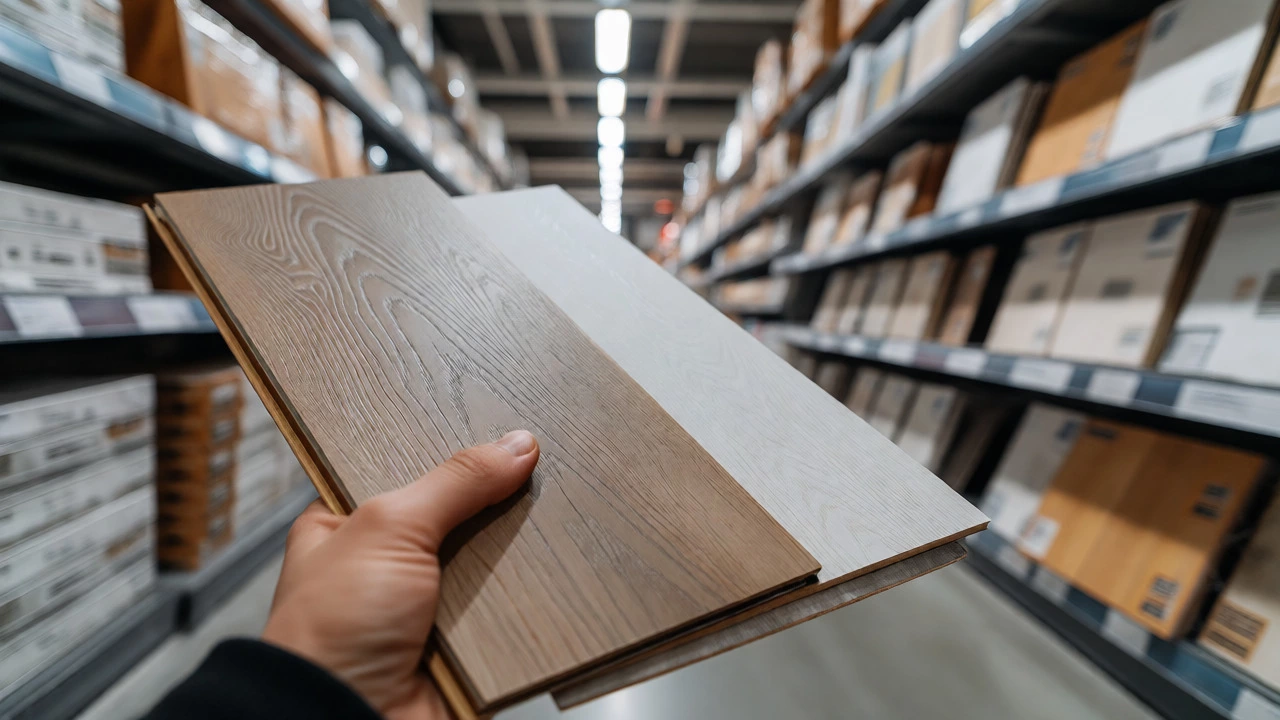
Pro tip: Always test a sample. Stick it on the wall for a week. Watch how the light changes from morning to night. What looks bold at noon might feel overwhelming at dusk.
Cost and installation: What you really need to know
Wallpaper used to be expensive. Now? It’s competitive.
A roll of mid-range wallpaper (about 5.2m long x 0.53m wide) costs between $60 and $150 in Australia. A full living room might need 4-6 rolls. That’s $240-$900 for material alone. Professional installation runs $40-$70 per hour. Most rooms take 4-6 hours. So total cost? $400-$1,500.
Compare that to painting: $200-$600 for paint and labor. So why pay more?
Because wallpaper lasts longer. A good non-woven wall covering can last 15-20 years. Paint? You’re repainting every 5-7 years. Over time, wallpaper saves money. And it doesn’t chip, peel, or fade the same way.
DIY is doable - if you’re patient. Start with a small room. Use a plumb line. Cut straight. Overlap seams by 2mm. And don’t rush the drying time. Most adhesives need 24 hours to set. Skip that, and you’ll get bubbles. And no one wants bubbles.

Real homes, real results
In Fitzroy, a couple renovated their 1910 terrace with a deep teal grasscloth in the living room. They didn’t touch the ceilings. Didn’t change the floor. Just the walls. The result? Their home sold for $210,000 over asking price. The agent said the wallpaper was the main reason buyers fell in love.
In Prahran, a single mom painted her daughter’s bedroom with a soft cloud pattern. The girl, now 10, says it’s her favorite place in the house. She doesn’t want to sleep anywhere else.
These aren’t design magazine stories. They’re real. And they’re happening every day in Melbourne.
Wallpaper isn’t a trend. It’s a return to craft
People are tired of sterile, mass-produced interiors. They want spaces that feel handmade, personal, alive. Wallpaper delivers that. It’s tactile. It’s layered. It’s not just something you look at - it’s something you feel.
Is it popular? More than ever. But not because it’s trendy. Because it works. It transforms rooms without demolition. It adds soul without spending a fortune. And in a world of flat screens and cookie-cutter homes, it reminds us that walls can be more than just surfaces.
They can be stories.
Is wallpaper hard to remove?
Modern non-woven wallpaper peels off cleanly - usually just by pulling from the top corner. No soaking, no scraping. Older vinyl or paper types are trickier, but those are rarely used now. Most new wallpapers are designed for easy removal, especially if you’re renting or planning to sell.
Can I use wallpaper in a bathroom?
Yes - but only if it’s labeled as moisture-resistant or washable. Avoid putting it directly behind the shower or bathtub. Use it on walls opposite the water source, or in powder rooms. Brands like Graham & Brown and Tonic offer bathroom-safe lines with antimicrobial coatings.
Does wallpaper make a room look smaller?
Not if you choose wisely. Dark, busy patterns can shrink a space. But light tones, vertical stripes, and subtle textures actually make rooms feel taller and more open. In small rooms, go for a single feature wall with a soft pattern - not all four walls.
Is wallpaper cheaper than paint?
Upfront, paint is cheaper. But wallpaper lasts longer - often twice as long. Over 10 years, you might paint a room twice. Wallpaper? Just once. When you factor in labor and time, wallpaper often costs less in the long run.
What’s the best brand for Australian homes?
For durability and climate resistance, Australian brands like Tonic Wallpaper and Designers Guild Australia lead the pack. They’re made for our humidity and temperature swings. International brands like Cole & Son and Sandberg are great too - just make sure you’re buying the version designed for export to Australia.
Can I wallpaper over old paint?
Yes - if the paint is in good condition. No peeling, no cracks, no gloss. Sand glossy paint lightly. Clean the wall with a damp cloth. Use a primer made for wallpaper (like Roman Pro-Prime). Never wallpaper over flaking paint - it’ll ruin the new paper.
Next steps: How to start
Ready to try wallpaper? Here’s how:
- Start small - pick one wall in a bathroom or bedroom.
- Order samples. At least three. Live with them for a few days.
- Check the label: Look for “non-woven,” “washable,” and “moisture-resistant” if needed.
- Buy 10-15% extra. Patterns need matching, and mistakes happen.
- If you’re unsure, hire a pro for the first install. It’s worth the peace of mind.
Wallpaper isn’t a gamble. It’s a quiet revolution. And in 2025, it’s the most personal choice you can make for your walls.