2025 House Building Cost Estimator
Total Estimated Cost
Cost Comparison: This estimate includes all hidden fees mentioned in the article. Many buyers pay 15-25% more due to:
- Permit delays ($500-$1,500 extra)
- Debris removal ($1,200-$2,500)
- Material markups (40-60%)
Building a house in 2025 isn’t just expensive-it’s getting harder to even understand where all the money goes. You see a listing for a new home in Melbourne’s outer suburbs, priced at $850,000, and think, ‘How can they build that for that much?’ Then you look at the land cost, the permits, the materials, and suddenly it makes sense-sort of. But it still feels like you’re being overcharged. Here’s why building a house right now costs so much, and why it’s not just inflation playing tricks on you.
Labor is the biggest chunk of the bill
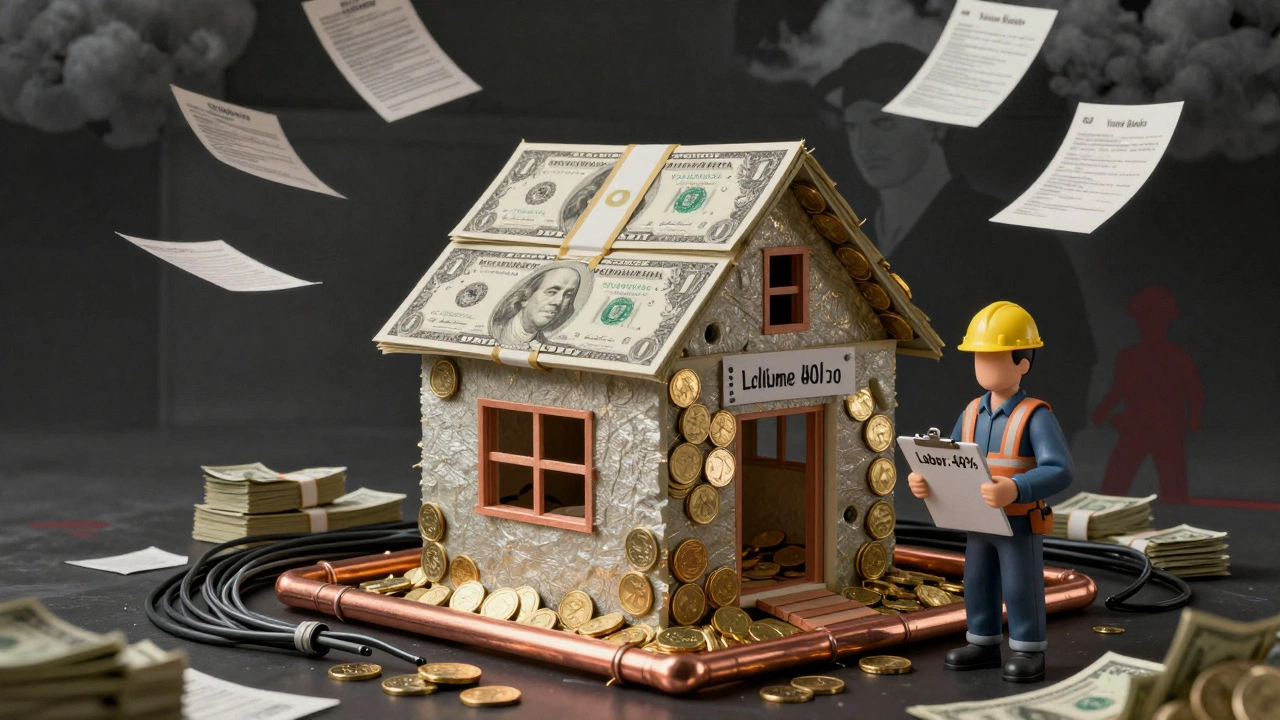
You might think materials are the main driver, but in Australia, labor makes up nearly 40% of the total cost of a new build. Skilled tradespeople-carpenters, electricians, plumbers, bricklayers-are in short supply. The pandemic didn’t just disrupt supply chains; it changed who’s willing to work in construction. Many older workers retired early. Younger people are choosing tech jobs, trades training programs have shrunk, and visa restrictions have cut the number of overseas workers coming in.
As a result, builders are paying more to keep crews on site. A good carpenter in Melbourne now earns $45-$60 an hour, up from $30 just five years ago. And they’re not working 8-hour days anymore. Delays mean crews are often on-site for 12-14 hours a day, just to keep pace. That overtime adds up fast.
Materials are still climbing, even if headlines say otherwise
Yes, lumber prices dropped after peaking during COVID. But that’s not the whole story. Steel, copper, insulation, windows, and roofing materials haven’t followed suit. Copper prices are up 22% since 2022 because of global demand for EVs and renewable energy systems. Roofing tiles made from recycled materials cost 30% more than standard ones, and many councils now require them for sustainability points.
Concrete prices jumped 18% in 2024 due to rising cement costs and new carbon taxes on manufacturing. Even something as simple as drywall has gotten pricier because of tariffs on imported gypsum from the U.S. and Canada. And don’t forget the hidden costs: delivery fees, storage charges, and waste disposal. Builders now charge $1,200-$2,500 just to haul away construction debris.
Regulations and permits are slower-and costlier
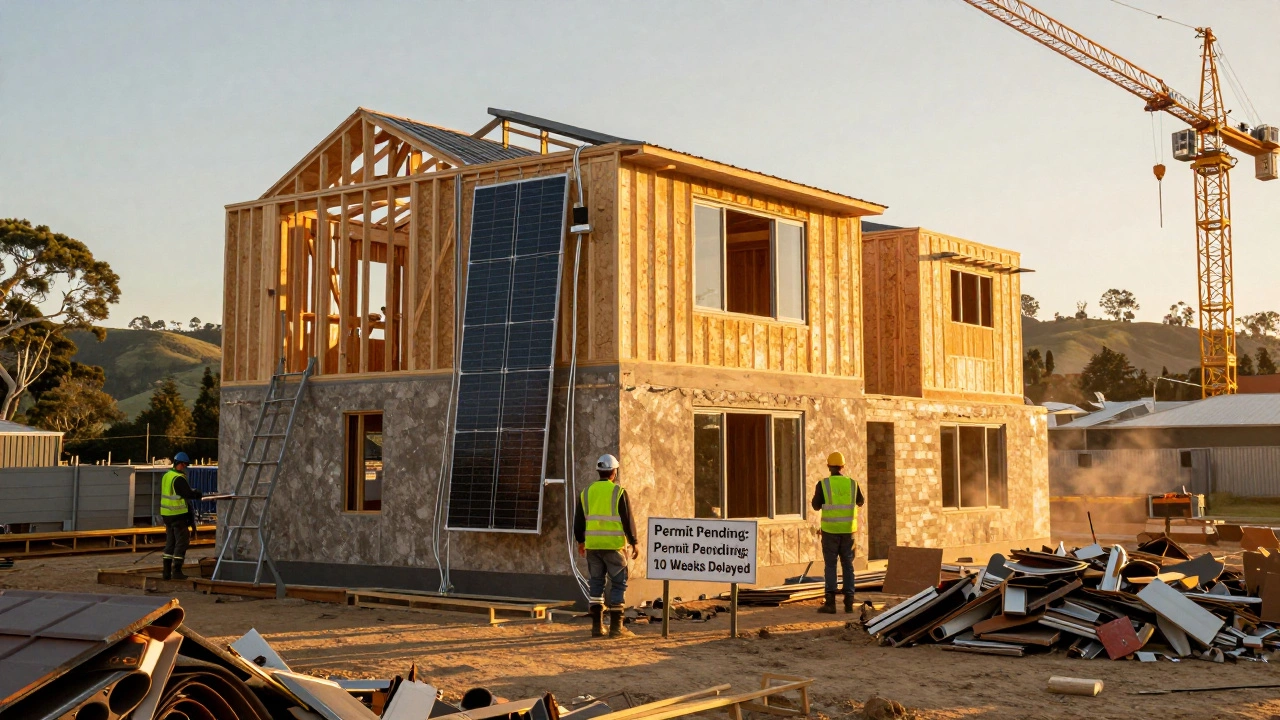
Building codes have gotten stricter. In Victoria, you now need energy efficiency ratings for every window, door, and insulation layer. Solar-ready wiring is mandatory in new builds. Fire safety standards for external cladding are tighter than ever after the Grenfell Tower tragedy. All of this means more paperwork, more inspections, and more time.
Getting a building permit in Melbourne can take 8-12 weeks now. In 2019, it was 3-4 weeks. Councils are understaffed. Applications get stuck in queues. And if your plans don’t meet the latest sustainability guidelines on the first try, you pay for resubmissions. That’s $500-$1,500 in extra fees, not counting the delays.
Land isn’t cheap, and it’s not getting easier to build on
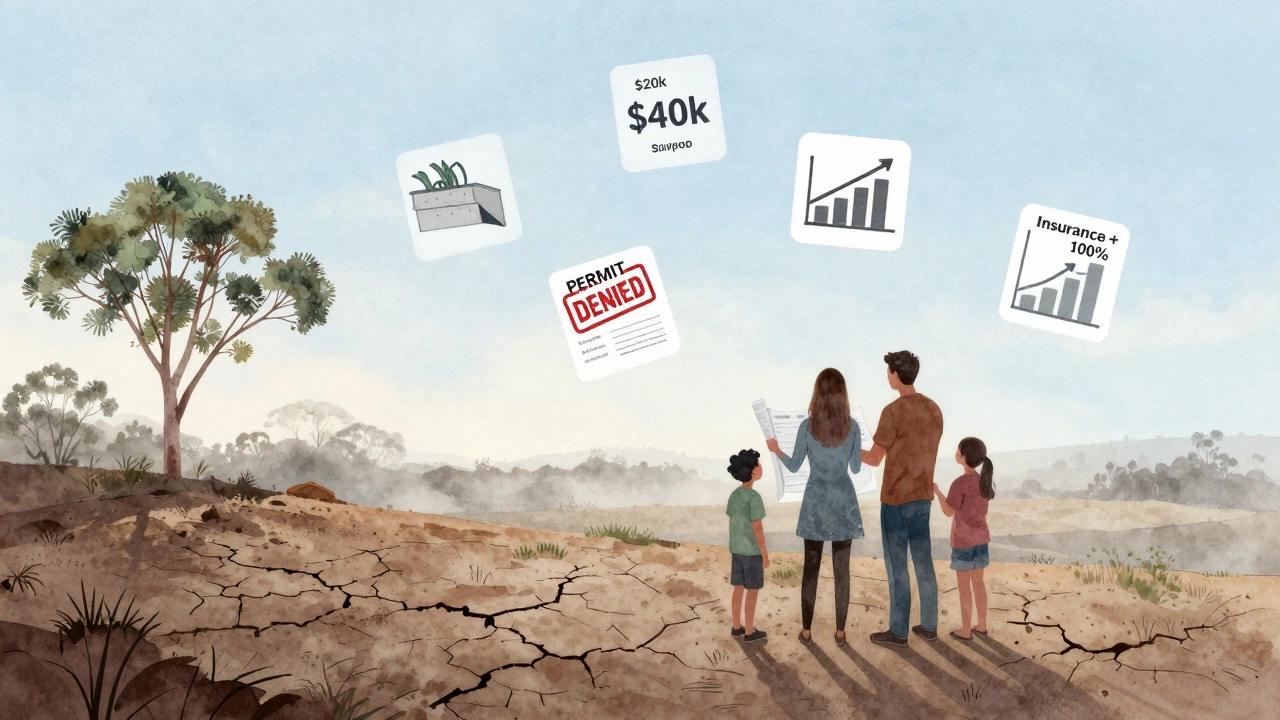
Even if you already own land, that doesn’t mean it’s buildable. Many blocks in outer suburbs are on sloping ground, flood zones, or bushfire-prone areas. That means you need engineered foundations, retaining walls, fire-resistant materials, or drainage systems-all of which add $20,000-$60,000 to the project.
And if your land doesn’t have existing services-water, sewer, power, internet-you’re looking at $15,000-$40,000 just to connect to the grid. In some new developments, you’re forced to pay for underground cabling, even if overhead lines would’ve been cheaper. Developers pass those costs to buyers, and you end up paying for infrastructure you never asked for.
Design expectations have skyrocketed
People don’t just want a house anymore-they want a lifestyle. Open-plan living, high ceilings, smart home systems, walk-in pantries, double-glazed windows, underfloor heating, and outdoor kitchens are now standard, not upgrades. A basic 4-bedroom house in 2010 might’ve had 180 square meters of living space. Today, it’s 240-280 square meters, and that’s before the garage, alfresco, and pool.
What used to be a $20,000 option-like a premium kitchen benchtop-is now expected. Builders can’t compete unless they offer these features. So they bake them into the base price. You’re not paying for luxury anymore. You’re paying for the new baseline.
Financing and insurance are eating into your budget
Construction loans aren’t like home loans. They’re staged. You get money in chunks-foundation, frame, lock-up, fit-out. But banks charge higher interest rates during construction, and you pay interest on the full loan amount from day one, even if only 20% of the work is done.
Plus, builders now need $2 million+ in home warranty insurance just to operate in Victoria. That cost is passed to you. And if you’re building in a bushfire zone, your home insurance premiums can jump 50-100% in the first year. That’s not part of the build cost, but it’s part of owning it.
There’s no real competition left
Back in the 2000s, there were hundreds of small builders in Melbourne. Now, it’s dominated by a handful of large volume builders-Stockland, Mirvac, Lendlease, and a few regional chains. They control the supply chains, the land banks, and the labor pools. Smaller builders can’t compete on price because they can’t buy materials in bulk or hire trades at discounted rates.
With fewer players, there’s less pressure to lower prices. And because most buyers don’t know how to compare builds properly, they pick based on marketing, not cost breakdowns. Builders know that. So they bundle extras into the base price and call it ‘standard.’
What you can actually do about it
It’s not all doom and gloom. You can still build affordably-but you need to be smart.
- Choose a simple rectangular design. Curves, angles, and complex rooflines cost more in labor and materials.
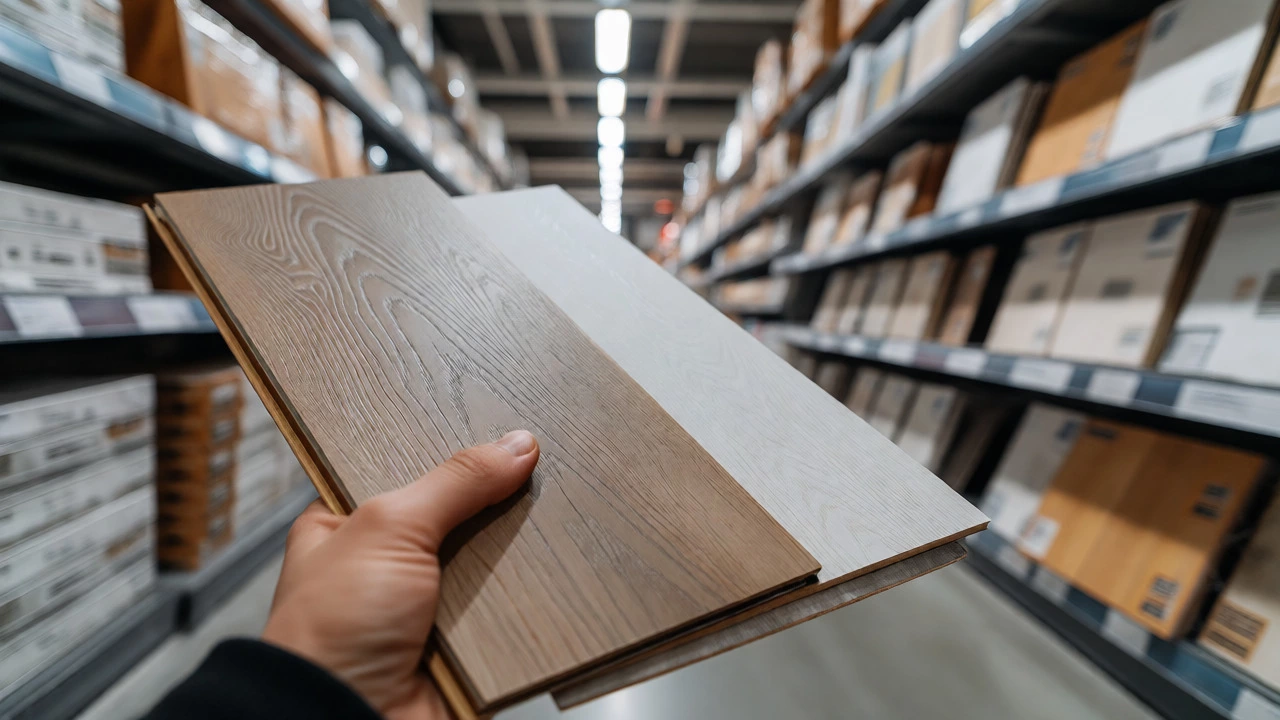
- Buy your own materials where possible. Some builders mark up fixtures and fittings by 40-60%. You can save thousands by sourcing your own tiles, taps, and lighting.
- Build in a zone with existing services. Avoid greenfield sites that need new sewer lines or power upgrades.
- Work with a custom builder, not a volume builder. They’re more flexible on design and pricing, and often have better relationships with local trades.
- Get multiple quotes. Don’t just pick the cheapest. Ask for a line-by-line breakdown of labor and materials. If they won’t give it to you, walk away.
Building a house in 2025 is expensive because the system is broken. Labor shortages, regulatory bloat, material inflation, and reduced competition are all working together to drive prices up. But if you know where the money’s going-and where you can cut back-you can still build a home that fits your budget.
Why your builder won’t tell you this
Most builders don’t break down their pricing in detail because they don’t want you to see how much they’re marking up materials or how little they’re paying their trades. They want you to think the price is fair because ‘everyone’s paying it.’ But if you dig a little, you’ll find the real cost isn’t what they show you on the brochure. It’s what’s hidden in the fine print.
Is it cheaper to build or buy a house in Melbourne right now?
In most outer suburbs, building is now slightly cheaper than buying an existing home of similar size and quality. But only if you’re willing to wait 12-18 months and manage the process yourself. Buying an existing home often means paying a premium for location, not value. New builds offer more control, but require more patience and effort.
Can I save money by doing some of the work myself?
You can save on paint, landscaping, or installing light fixtures-but not on structural or safety-related work. Electrical, plumbing, and framing require licensed trades in Australia. If you try to DIY those, you’ll fail inspections, delay your occupancy permit, and risk liability. Stick to cosmetic tasks only.
Why do builders charge so much for upgrades?
Upgrades are where builders make their real profit. The base price is often set low to attract buyers, then they upsell premium finishes, appliances, and layouts. A $5,000 upgrade for stone benchtops might cost the builder $1,800. That’s a 175% markup. Always ask for the builder’s cost before agreeing to upgrades.
Are modular homes a cheaper alternative?
Yes, but with limits. Modular homes can be 15-25% cheaper because they’re built in factories with bulk materials and fewer delays. But they’re not ideal for sloped blocks, bushfire zones, or custom designs. You also pay extra for transport and crane setup. They work best for flat, accessible lots in approved zones.
Will house building costs come down in 2026?
Unlikely. Labor shortages aren’t getting better. Materials like copper and steel are still tied to global demand. And new climate regulations are only tightening. Prices might stabilize, but they won’t drop significantly unless there’s a major policy shift-like more training programs for trades or relaxed visa rules for skilled workers.
What to do next
If you’re serious about building, start by getting a land survey and checking your local council’s planning rules. Then talk to three different builders-not just the ones with flashy websites. Ask for a detailed cost breakdown. Compare not just the total, but how much they’re charging for labor, materials, and profit. And don’t rush. The best deals come to those who wait, research, and ask the hard questions.