Lighting Design: How to Use Light to Transform Your Space
When you think about lighting design, the intentional placement and type of light sources to enhance function, mood, and aesthetics in a space. Also known as architectural lighting, it’s not just about turning on a switch—it’s about shaping how a room feels before you even touch a wall. Good lighting doesn’t scream for attention. It works quietly, making spaces feel larger, safer, or more inviting without you realizing why.
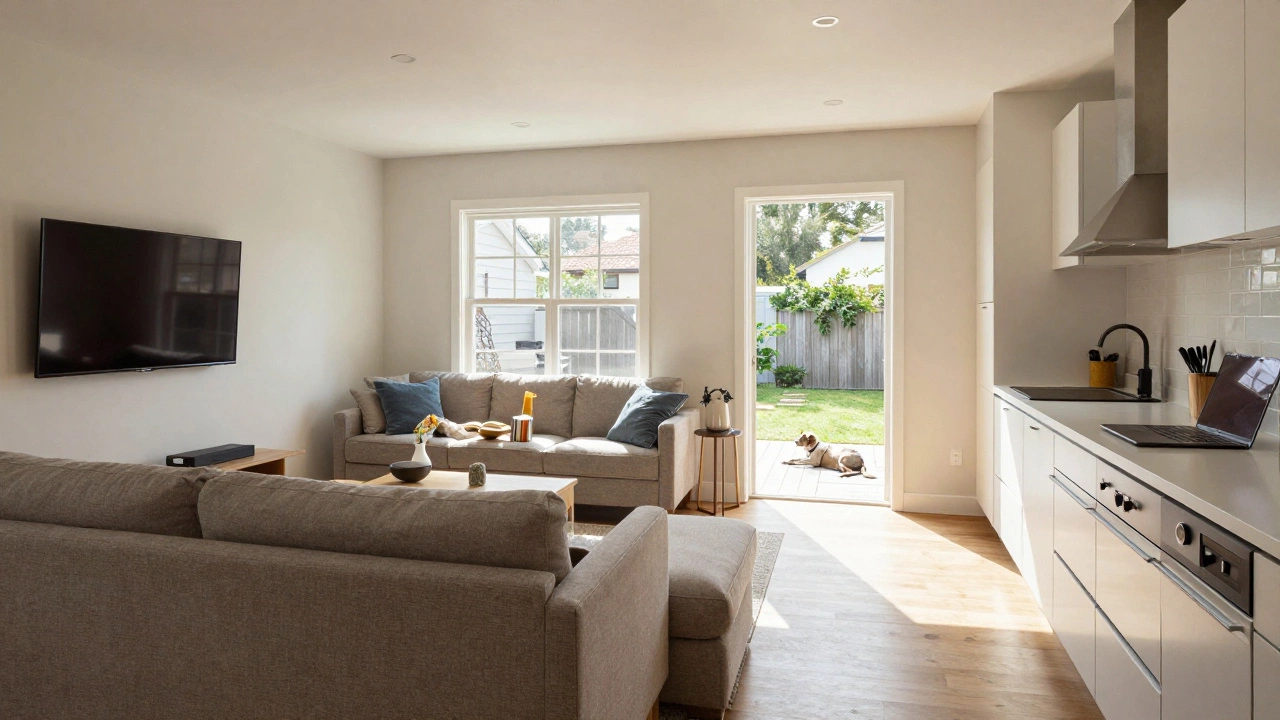
It’s not one kind of light that matters—it’s the layering. ambient lighting, the base layer of illumination that fills a room evenly gives you enough light to move around safely. Then comes task lighting, focused light for specific activities like reading, cooking, or working at a desk. A lamp beside your chair, under-cabinet lights over the sink, or a bright bulb above your home office desk—all of these are task lighting. And then there’s accent lighting, used to highlight art, textures, or architectural details. A spotlight on a brick wall, a narrow beam on a shelf of books, or LED strips behind a TV can turn ordinary objects into focal points.
People often skip lighting until the end of a renovation, but it should be planned from day one. Where you put your switches, how high your fixtures hang, whether you use warm or cool bulbs—these choices affect how you live in the space. A kitchen with cold white lights feels clinical. The same kitchen with dimmable warm LEDs feels like home. A bedroom with no layered lighting can feel flat. Add a soft bedside lamp and a hidden strip under the bed, and suddenly it feels cozy, even in daylight.
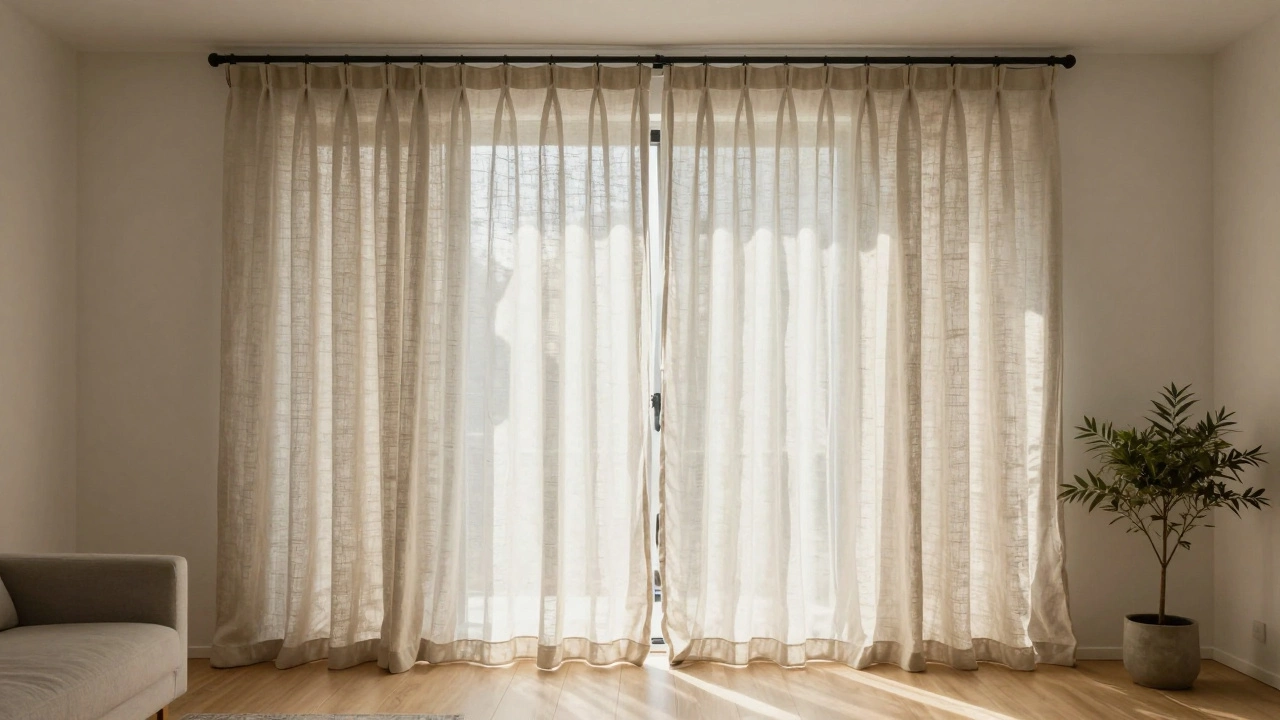
Modern lighting design also means thinking about energy and control. LED bulbs last longer, use less power, and come in more colors than ever. Smart systems let you adjust brightness and tone with your phone or voice. But you don’t need fancy tech to get great results. Sometimes, just moving a lamp from the corner to the side of a sofa changes everything.
What you’ll find below are real examples from UK homes and offices—how one family used lighting to make a narrow hallway feel open, how a small bathroom became a spa with the right fixtures, and why a £20 plug-in lamp did more for a living room than a £500 ceiling fitting. These aren’t theory pages. They’re fixes, tweaks, and discoveries that worked in actual spaces—with real people living in them.