Melbourne Home Expansion Cost Calculator
When you outgrow your Melbourne home, the big question isn’t just where to add space-it’s whether to build up or expand out. It sounds simple, but the answer isn’t obvious. A side extension might feel like the obvious choice, but adding a second storey could save you thousands. And vice versa. What works for one house doesn’t work for another. Let’s cut through the noise with real numbers, real projects, and what actually happens on the ground.
What Building Up Actually Means
Building up means adding a new level on top of your existing home. This could be a full second storey, a loft conversion, or even a small mezzanine above your living area. It’s not just slapping on a box. You’re working with the structure you already have. That means your footings, walls, and roof need to handle the extra weight. In Melbourne, most homes built in the 80s and 90s have timber-framed floors that can’t just support another floor without reinforcement. You’ll need a structural engineer to assess whether your slab, walls, or joists can take the load-or if they need upgrading.
On average, adding a full second storey in Melbourne costs between $180,000 and $300,000. That includes demolition of the existing roof, new framing, insulation, roofing, windows, plumbing, electrical, and finishes. If your house has a tiled roof, you’ll pay extra to remove and replace it. If you’re adding a bathroom or bedroom, those fixtures and fittings add another $20,000-$40,000. But here’s the catch: you’re not losing any backyard space. That’s huge in suburbs like Hawthorn or Fitzroy where land is tight and councils limit how far you can extend sideways.
What Expanding Out Actually Means
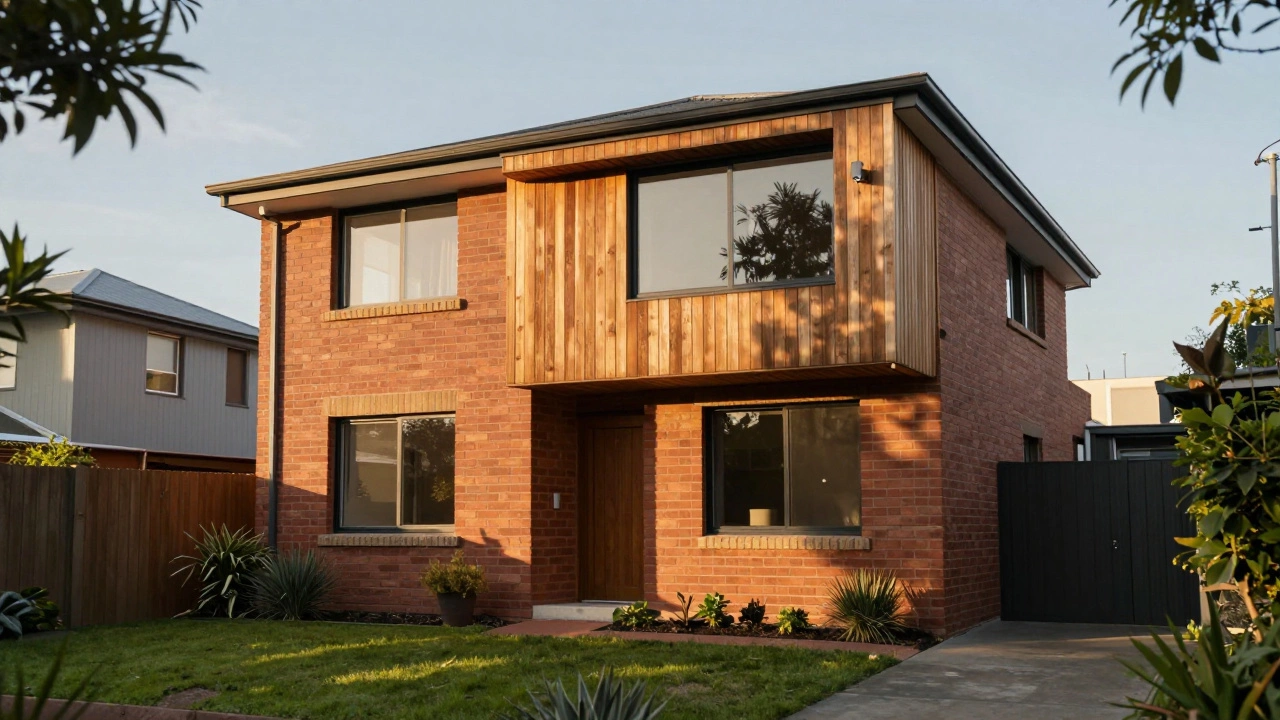
Expanding out means building a new room or wing at ground level, usually to the side or back of your house. This is what most people picture: a big glass box extending into the garden. It’s often easier to get approved because it doesn’t change the building’s height or silhouette. Councils in Melbourne are more relaxed about side extensions if they don’t block neighbours’ light or views.
The cost? Between $150,000 and $250,000 for a standard 40-60 square metre addition. That includes foundation work, framing, cladding, windows, insulation, plumbing, and finishes. But here’s where it gets tricky: you’re sacrificing outdoor space. If your backyard is already small, you might lose your vegetable patch, the kids’ play area, or even your only access to the garage. And if your property is narrow-like a typical 12-metre-wide Melbourne terrace-you might hit zoning rules that limit how far you can extend. In some suburbs, you’re capped at 50% of the lot size for ground-level additions.
Why Building Up Often Costs Less Per Square Metre
Let’s do the math. Say you want to add 60 square metres of living space. Building out might cost $180,000. Building up? Around $200,000. At first glance, expanding out looks cheaper. But here’s what most people miss: you’re not just paying for the new space-you’re paying for the groundwork.
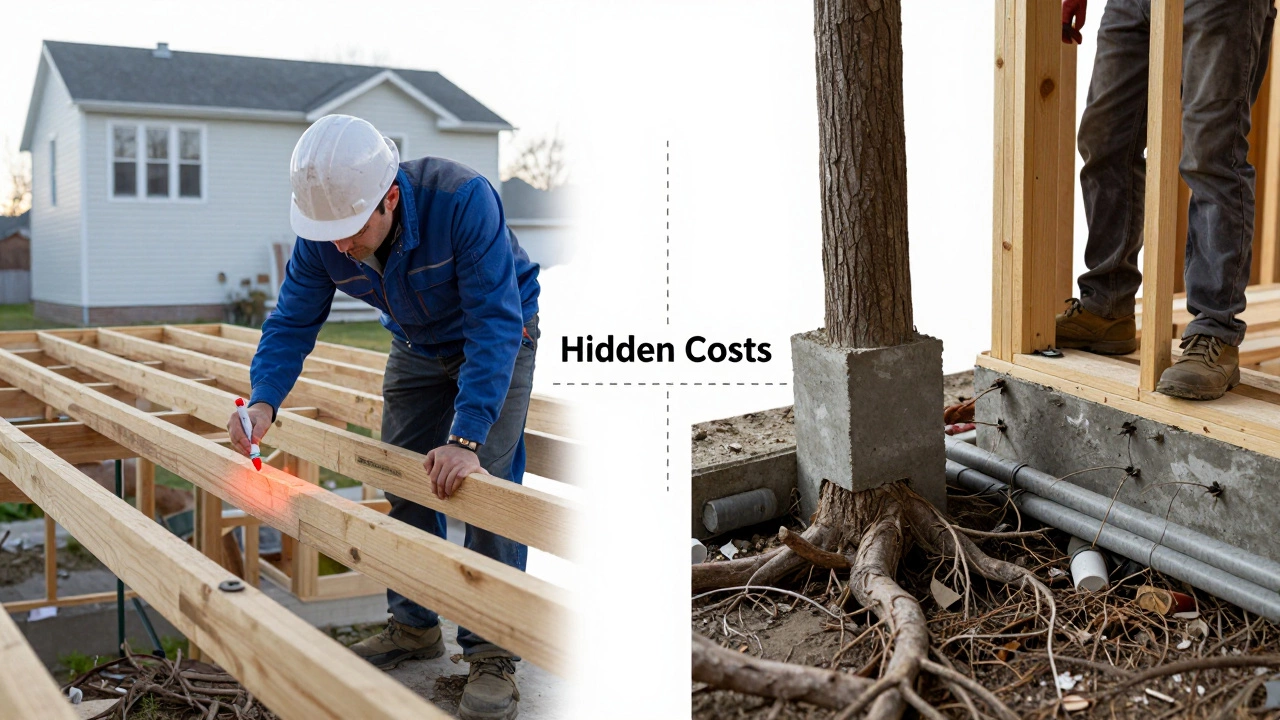
When you expand out, you need to dig new footings, pour a concrete slab, install drainage, and connect to existing services. That’s a lot of earthworks. In Melbourne, where clay soil is common, you might need piers or deep footings to prevent settling. That adds $20,000-$40,000 right off the bat. You also need to relocate or extend your existing plumbing and electrical lines to reach the new area. If your garden has trees, you might need arborist reports and tree protection plans-another $5,000-$10,000.
Building up skips most of that. You’re working above your existing foundation. You still need structural upgrades, but you’re not touching the ground. No new footings. No new drainage. No tree root disruption. That’s why, on a per-square-metre basis, building up often ends up cheaper-even if the total price is slightly higher.
The Hidden Costs of Expanding Out
It’s not just about the build. Expanding out triggers more hidden expenses.
- Landscaping loss: Replacing your garden, lawn, or outdoor entertaining area after construction? That’s $10,000-$25,000 extra.
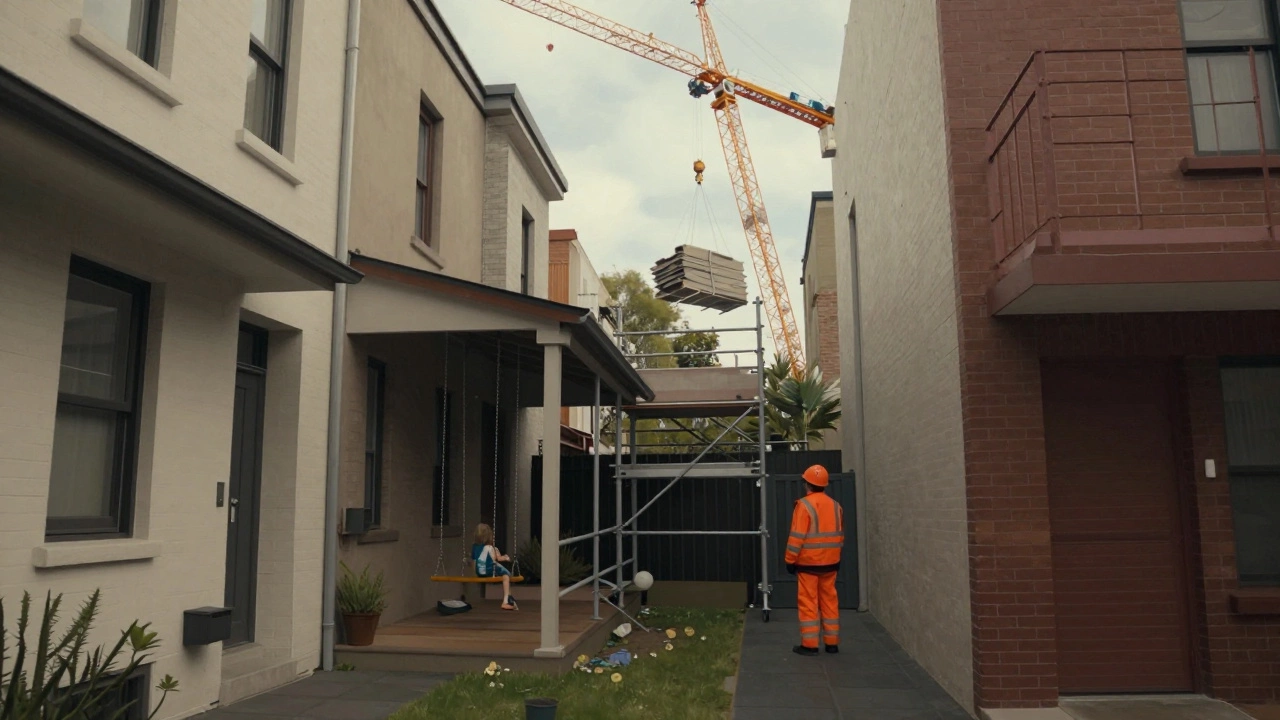
- Access issues: If your builder can’t get equipment through the side gate, you’ll pay for crane hire or manual labour to move materials.
- Neighbour disputes: If your extension blocks a neighbour’s view or sunlight, they can object. That delays approvals by months. In Melbourne, 1 in 5 side extensions face objections.
- Utility relocation: If your sewer line or gas pipe runs under the extension area, you’ll pay $8,000-$15,000 to reroute them.
Building up has its own headaches-like temporary relocation during construction, or dealing with noise complaints from upstairs neighbours-but they’re usually easier to manage. You’re not tearing up your yard. You’re not fighting over sunlight.
When Building Up Is the Only Real Option
Some homes just can’t expand out. Think:
- Narrow terraces in Carlton or Richmond
- Properties with heritage overlays (common in Melbourne’s inner suburbs)
- Backyards that are already paved, have a pool, or are bordered by a laneway
- Properties with easements or sewer lines running through the side or back
In these cases, building up isn’t just cheaper-it’s the only option. Melbourne City Council’s 2024 guidelines show that 68% of heritage-listed homes in the inner city had to add storeys instead of extending sideways. Why? Because the side boundaries are legally protected. You can’t touch them.
One client in Kew had a 1920s brick bungalow with a 4-metre-wide side yard. The council wouldn’t allow any extension beyond 1.5 metres. So they added a second storey with a rooftop terrace. Cost: $220,000. Lost yard space: zero. Value added: $310,000.
When Expanding Out Makes More Sense
There are times when building out wins:
- You want a big open-plan kitchen-dining area that flows to the backyard
- Your existing home has a low ceiling height (under 2.4m), making a second storey feel cramped
- You have a large, flat backyard and no neighbours on one side
- You’re planning to sell in 3-5 years and want to maximise curb appeal
A side extension with full-height glass and a covered patio looks better from the street. Buyers notice that. A second storey? Not so much. If your goal is resale value, and you have the space, going out often gets a better return on investment. In Melbourne’s outer suburbs like Craigieburn or Werribee, where land is cheaper, a ground-level extension adds 20-30% more value than a second storey.
What Council Rules Actually Say
Don’t assume you know what’s allowed. Melbourne’s planning rules vary by zone. In a Residential 1 Zone (common in suburbs like Toorak), you can build up to 9.5 metres high with a second storey, but only if it doesn’t block more than 30% of your neighbour’s light. In a Residential 2 Zone (like Box Hill), you’re capped at 8.5 metres and can’t exceed 50% of the lot size for ground extensions.
Also, if your house is on a sloping block, building up is often easier. Going out means cutting into the slope, which triggers geotechnical reports, retaining walls, and drainage systems-each adding $15,000-$30,000. Building up? You just raise the floor level.
Always check your local council’s Residential Design Codes before you start. You can find them online under your suburb’s planning scheme. Don’t skip this step. One client in Balwyn spent $12,000 on plans before finding out their property was in a Heritage Overlay and couldn’t add a second storey at all.
What Professionals Say
Builders in Melbourne who’ve done both say this: if you can build up, build up. But only if your structure can handle it. A good builder will insist on a structural assessment before quoting. If your house is old, they’ll recommend a building surveyor to check for rot, termite damage, or inadequate footings.
Architects add another layer: “Building up gives you more flexibility with layout. You can design a mezzanine, a study nook under the stairs, or a rooftop deck. Expanding out gives you more natural light and easier access, but you’re stuck with the footprint.”
One Melbourne firm, Lumen Architecture, tracked 47 projects over three years. Their data: 62% of clients who chose to build up ended up spending less overall when you factored in landscaping, drainage, and utility costs. Only 38% saved money by expanding out.
The Verdict: It Depends on Your House
There’s no universal answer. But here’s how to decide:
- Check your property’s zoning and heritage status on your council’s website.
- Measure your backyard. If it’s under 100 square metres, building up is likely your only smart choice.
- Get a structural assessment. If your floor joists are 1970s timber, upgrading them for a second storey might cost $30,000. That could flip the cost balance.
- Ask your builder for a side-by-side quote: one for a second storey, one for a side extension. Compare the total cost, not just the build price.
- Think long-term. Will you still love the layout in 10 years? A second storey might feel isolating if your family grows. A ground extension keeps everyone connected.
Most people think the cheaper option is obvious. It’s not. The real savings come from avoiding hidden costs, not just the build price. In Melbourne, where land is scarce and rules are tight, building up isn’t just a workaround-it’s often the smarter, cheaper, and more sustainable choice.
What Happens If You Get It Wrong?
One homeowner in South Yarra spent $280,000 on a side extension-only to find out six months later that their new room blocked their neighbour’s solar panels. The council forced them to remove the roof overhang. Cost to fix: $45,000. Time lost: 8 months. Stress: unbearable.
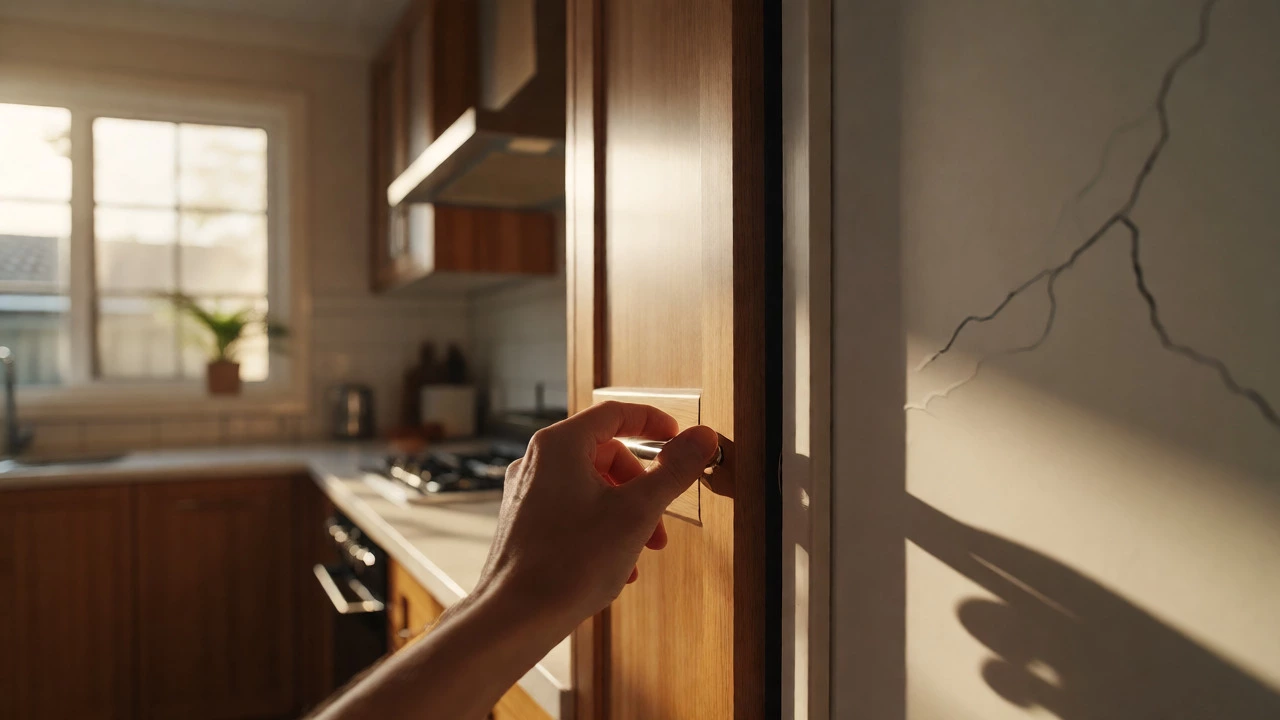
Another family in Doncaster added a second storey without reinforcing the foundation. Six months later, their ceiling cracked. The repair bill: $68,000. They now rent out the upper level and live downstairs.
Don’t guess. Get advice. Get quotes. Get it in writing.
Is it cheaper to build up or expand in Melbourne?
It depends on your house and land. Building up often costs less per square metre because you avoid expensive groundworks, drainage, and landscaping. But if your home’s structure needs major upgrades, the cost can rise. Expanding out is cheaper if you have a large backyard and no structural issues. On average, building up saves $15,000-$40,000 when hidden costs are included.
Can I build a second storey on my 1970s brick home?
Maybe, but you’ll need a structural engineer. Most 1970s homes in Melbourne have timber floor joists and shallow footings that can’t support a second storey without reinforcement. Expect to pay $20,000-$40,000 for upgrades to your foundation, walls, and roof trusses. If your brickwork is cracked or your footings are shallow, it might not be feasible.
Does adding a second storey increase my property value more than a side extension?
In Melbourne’s inner suburbs, yes. A second storey adds usable space without shrinking your backyard, which is highly valued. Buyers pay more for homes with extra bedrooms and views. In outer suburbs, a ground-level extension with a big backyard often sells faster and for more. Value depends on location and buyer demand.
How long does it take to build up vs expand?
Building up usually takes 4-6 months. Expanding out takes 5-7 months because of groundworks, drainage, and landscaping. But approvals can delay either. Heritage homes or neighbour objections can add 3-6 months. Always plan for delays.
Do I need a building surveyor for a second storey?
Yes. You need a building surveyor to assess your home’s structural capacity and issue a building permit. They’ll check your footings, walls, roof, and foundation. This is non-negotiable. Skipping this risks serious structural failure. Budget $2,000-$4,000 for this step.
Can I live in my house while building up?
Sometimes, but it’s messy. You’ll need to seal off the staircase, deal with dust, noise, and vibrations. Most homeowners move out for 6-8 weeks during the roof removal and framing phase. If you have kids or work from home, temporary relocation is strongly recommended.