Luxury Home Palette Planner
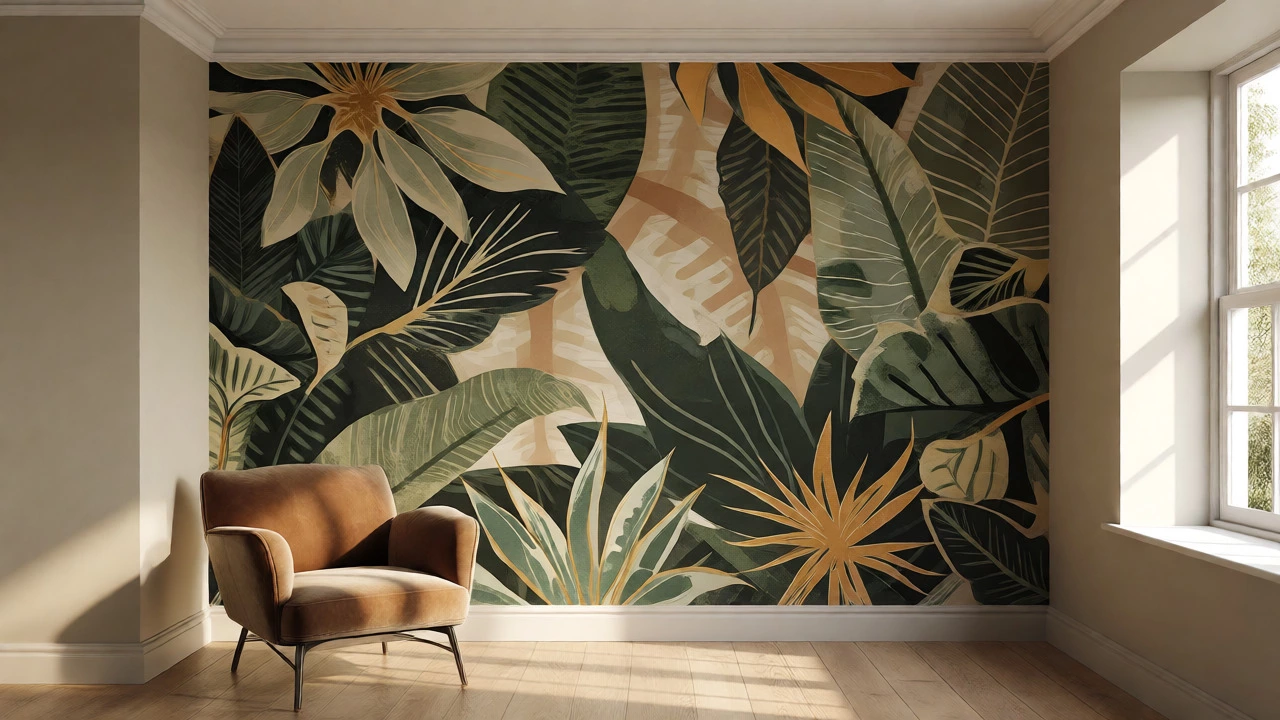
Use the 60-30-10 Rule to ensure your room feels intentional and curated. Select colors for your primary space, secondary upholstery, and bold accents.
Visual Palette Preview
Quick Wins for an Upscale Vibe
- Swap your hardware: Replace cheap plastic or worn-out cabinet handles with brushed brass or matte black options.
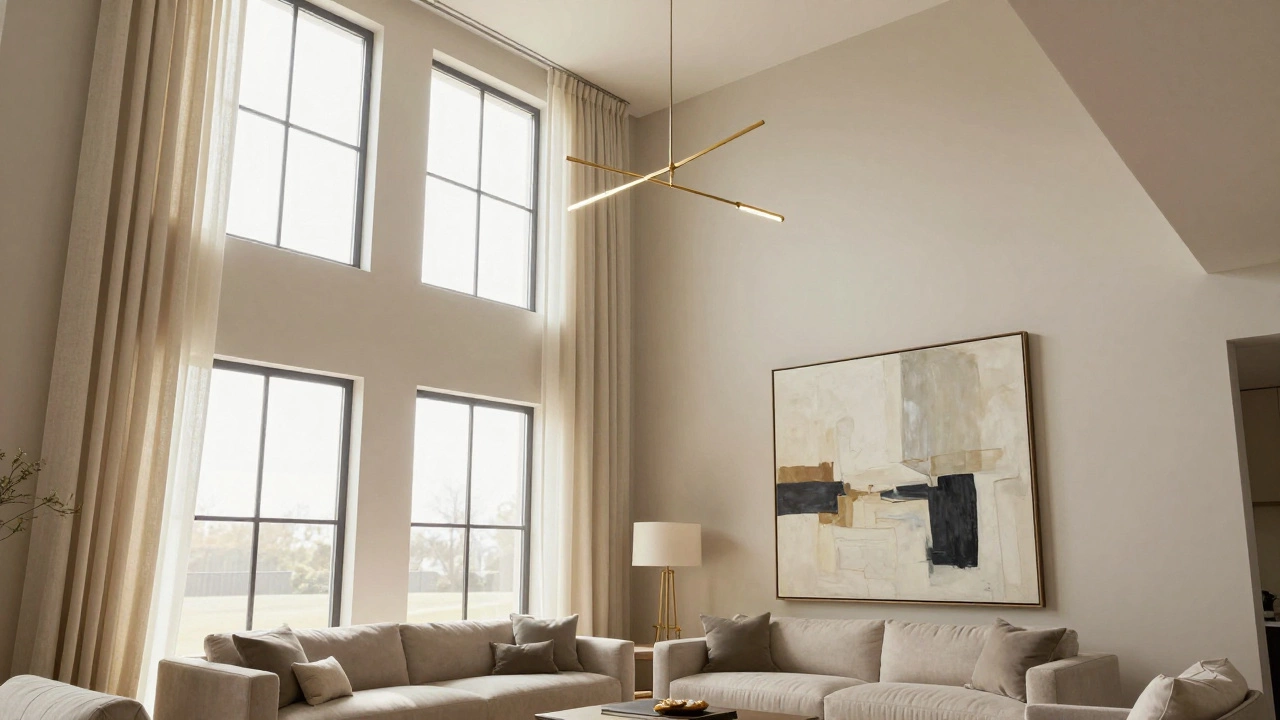
- Upgrade your lighting: Ditch the basic "boob lights" for a statement pendant or a modern chandelier.
- Add oversized art: One large, impactful piece looks far more expensive than a gallery wall of small, mismatched frames.
- Invest in long curtains: Hang your rods closer to the ceiling than the window frame to trick the eye into thinking the room is taller.
The Power of a Cohesive Color Palette
Nothing screams "budget" louder than a room where every piece of furniture is a different random color. High-end homes usually stick to a tight, sophisticated palette. Think about neutrals-creams, beiges, soft greys, and charcoal. When you limit your colors, the space feels intentional and calm. Try the 60-30-10 rule. Use a dominant color for 60% of the space (usually your walls and large rugs), a secondary color for 30% (upholstery and drapery), and a bold accent color for the final 10% (pillows, art, and vases). If you're unsure where to start, look at Monochromatic Color Schemes. By using different shades of the same color, you create a layered look that feels curated rather than cluttered. For example, if you choose a warm beige as your base, add a sandy-colored sofa and deep chocolate brown accents. This creates a depth that makes a room feel rich without needing a single piece of gold-plated furniture.Mastering the Art of Lighting
If you only have one overhead light in the center of the room, your house will never look expensive. Luxury is all about layers. You want to avoid harsh, direct light and instead create a glow that guides the eye around the room. Start by adding task lighting, like a sleek reading lamp next to a chair. Then, add accent lighting-think LED strips under kitchen cabinets or a small table lamp on a bookshelf. The secret weapon here is the Dimmable Switch. Being able to lower the lights in the evening instantly shifts the mood from "utility space" to "upscale lounge." Warmth matters too. Avoid "daylight" or cool white bulbs in living areas; they can make a home feel like a hospital. Stick to "warm white" bulbs (around 2700K to 3000K). This adds a golden hue to the room that makes fabrics look richer and skin tones look healthier.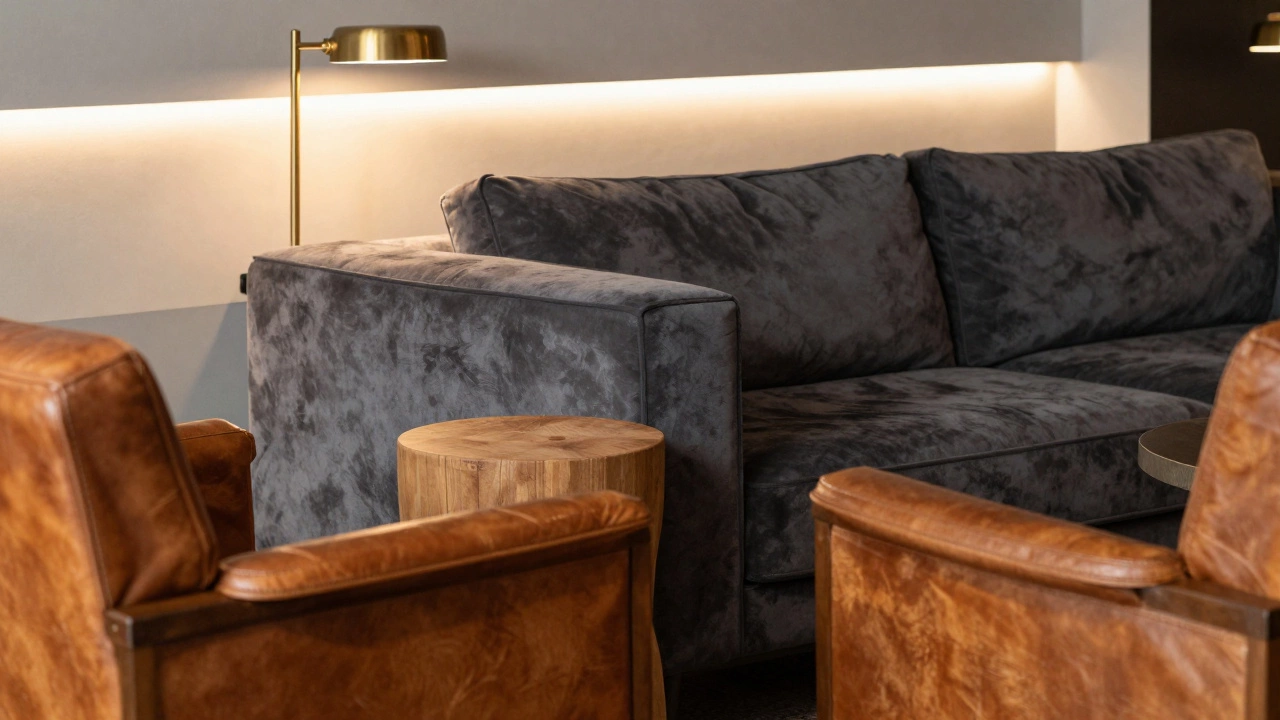
Choosing Materials That Signal Wealth
Certain textures naturally feel more expensive than others. If you have a lot of polyester or plastic in your home, it's time to introduce some organic materials. You don't need to buy a solid marble slab for your coffee table, but you can incorporate elements that mimic that weight and quality. Velvet is a fantastic way to add instant luxury. A velvet throw pillow or a small ottoman adds a tactile richness that cotton just can't match. Similarly, Linen curtains provide a relaxed yet sophisticated look that feels like a coastal retreat in the Hamptons. Avoid the "matching set" trap. Buying a whole living room suite from a big-box store-matching sofa, loveseat, and armchair-is a common mistake. It looks like a showroom, not a home. Instead, mix your materials. Pair a leather chair with a fabric sofa and a wooden side table. This suggests that you've collected your pieces over time from various high-end sources, which is a hallmark of true luxury.| Instead of this (Budget) | Try this (Luxury Look) | Why it works |
|---|---|---|
| Plastic organizers | Woven seagrass or rattan | Adds organic texture and warmth |
| Thin, polyester rugs | Wool or jute oversized rugs | Increases visual weight and comfort |
| Cheap chrome handles | Brushed brass or matte black | Creates a custom, designer feel |
| Small accent rugs | Wall-to-wall or oversized area rugs | Makes the room feel larger and cohesive |
The Secret of "Negative Space"
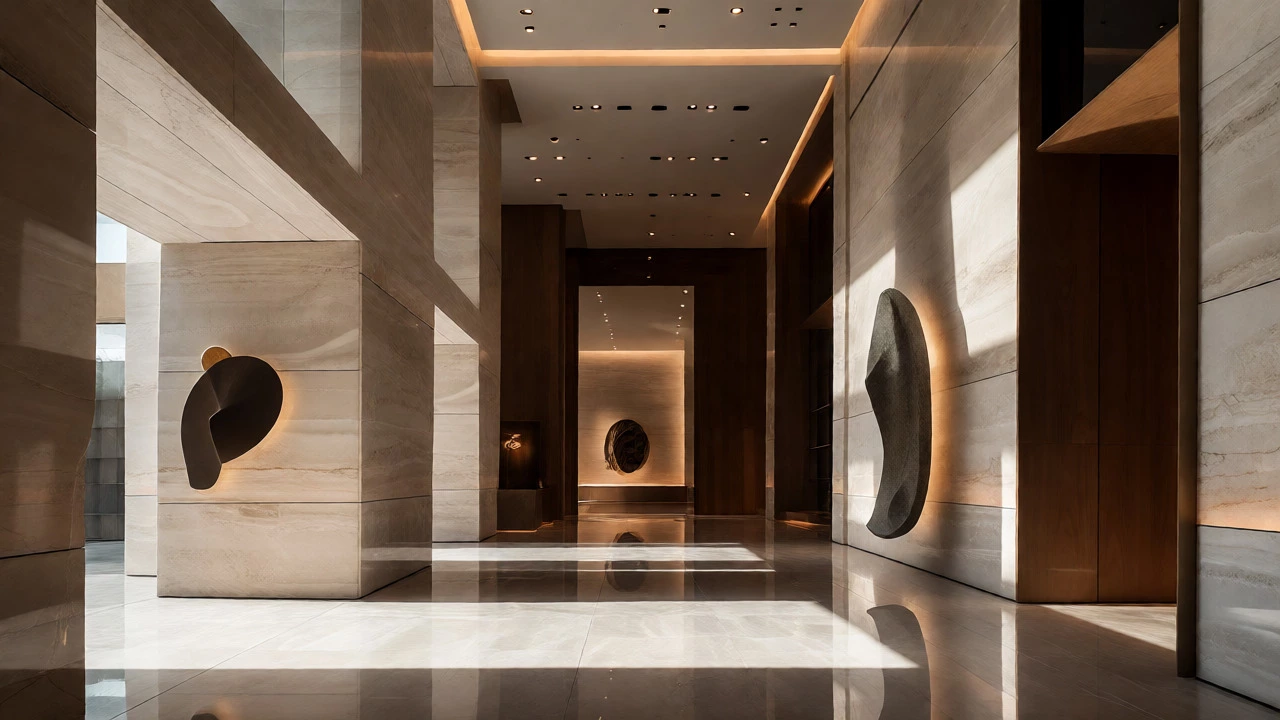
One of the biggest differences between a budget home and a luxury home is the amount of "stuff" on display. Many people try to make their homes look expensive by adding more decorations, but this often leads to clutter, which is the opposite of luxury. High-end design embraces Minimalism-not the sterile, empty kind, but a curated approach where every object has a purpose. Clear your surfaces. If your kitchen counter is covered in small appliances and spice jars, it feels cramped. Move everything but the essentials (like a high-end coffee maker and a bowl of fresh lemons) into the cabinets. In the living room, instead of ten small knick-knacks on a shelf, choose three larger, high-quality items. This creates "breathing room" or negative space, which signals that you have enough space and resources to not need to cram everything into one spot. This approach also applies to your furniture. Don't push every piece of furniture against the walls. Pulling your sofa a few inches away from the wall, or floating the chairs in the center of the room, creates a professional interior design layout that feels airy and expensive.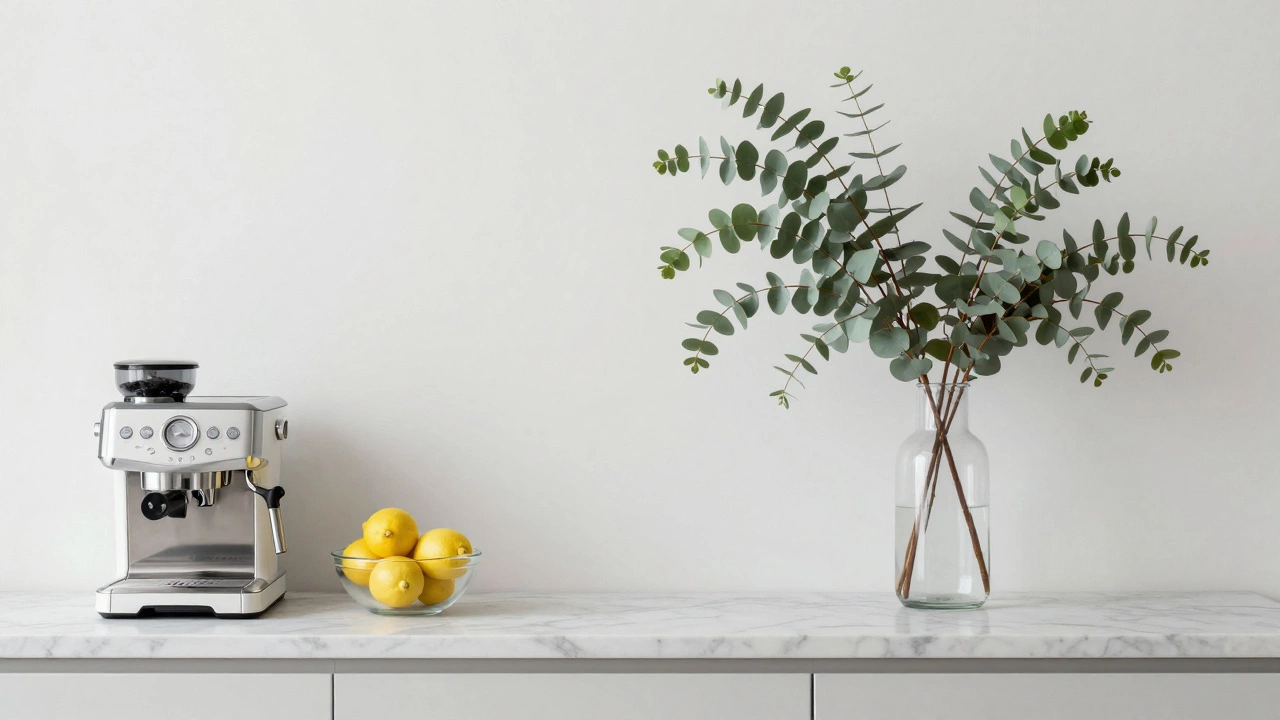
Focusing on the Details (The Finishing Touches)
Details are where the battle is won. You can have a nice sofa, but if your pillows are flat and your curtains are bunching at the bottom, the illusion is broken. Use Down Inserts in your throw pillows. They give that "plumped" look and allow for the classic "karate chop" in the middle that you see in luxury hotels. Fresh greenery is another non-negotiable. A single, tall branch of eucalyptus in a heavy glass vase looks significantly more expensive than a bouquet of small, mixed supermarket flowers. Plants bring life into a room and suggest a level of care and maintenance that is associated with wealth. Finally, consider the scent of your home. Smell is a powerful psychological trigger. A home that smells like a high-end hotel lobby-think notes of sandalwood, white tea, or fig-will feel more expensive than one that smells like generic air freshener. Use a reed diffuser or a high-quality soy candle to create a signature scent for your space.Does having more furniture make a house look more expensive?
Actually, the opposite is usually true. Luxury design is more about quality and placement than quantity. Overcrowding a room with furniture creates visual noise and makes the space feel smaller and cheaper. Focusing on a few high-quality, well-proportioned pieces and leaving some open space (negative space) creates a more sophisticated, high-end atmosphere.
What are the cheapest ways to make a room look luxury?
The most cost-effective upgrades are usually hardware and lighting. Replacing old cabinet knobs with modern finishes, swapping a basic ceiling light for a statement piece, and using warm-white light bulbs instead of cool-white ones can transform a room for under $200. Additionally, decluttering your surfaces for free is one of the fastest ways to elevate the look of any space.
Which colors make a home look the most expensive?
Neutral palettes are the gold standard for luxury. Whites, creams, beiges, and soft greys provide a clean, timeless backdrop that allows textures and architecture to shine. If you want to add color, stick to "muted" or "dusty" versions of shades-like navy blue, forest green, or charcoal-rather than bright, primary colors, which can sometimes look juvenile or cheap.
Should I buy a matching furniture set to look professional?
Avoid matching sets. While they are convenient, they often look like a generic showroom and lack the personality and curated feel of a high-end home. The most expensive-looking rooms feature a mix of textures, eras, and materials. Pair a modern sofa with a vintage wooden coffee table or a mid-century modern chair to create a look that feels thoughtfully assembled over time.
How do I choose the right rug size for a luxury look?
One of the most common budget mistakes is buying a rug that is too small. To make a room look expensive, your rug should be large enough that the front legs of all your seating furniture rest on it. A small "island" rug in the middle of the room makes the space feel disjointed and small, whereas a large rug anchors the room and makes it feel expansive.