
Dining Room Coziness Auditor
Check the boxes that describe your current dining room setup to calculate your "Coziness Score" and get a tailored action plan.
🪑 Furniture & Layout
💡 Lighting
🧶 Textiles & Texture
✨ Sensory & Vibe
The Foundation of Comfort
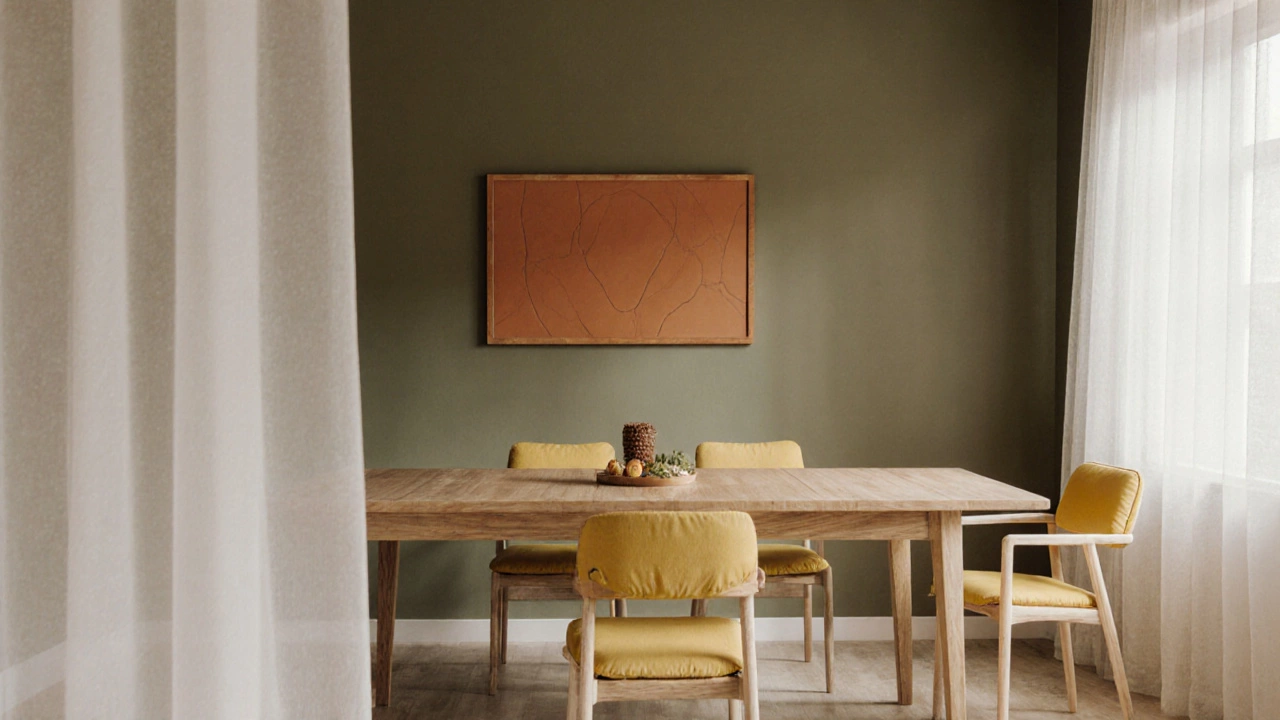
Everything starts with where you sit. If your chairs are hard, wooden slats that make guests squirm after twenty minutes, nobody is going to enjoy the conversation. This is where Dining Room Furniture is the collection of functional pieces like tables, chairs, and sideboards used to facilitate eating and socializing. To make it cozy, swap out those rigid chairs for something with upholstery. Think velvet, linen, or even a high-quality faux leather. If you can't replace your chairs, adding thick seat cushions can change the entire vibe of the room.
The table itself should invite people closer. A massive, heavy mahogany table can feel formal and imposing. If you have the space, a round table encourages better eye contact and a more fluid conversation flow. If you're stuck with a rectangular one, soften the edges with a fabric runner. Avoid glass tops if "cozy" is the goal-glass is cold to the touch and sounds clatter. Wood, especially with a matte or oiled finish, provides a natural warmth that grounds the room.
| Material | Vibe | Tactile Feel | Coziness Rating |
|---|---|---|---|
| Solid Oak/Walnut | Organic & Grounded | Warm/Textured | High |
| Glass/Chrome | Modern & Airy | Cold/Slick | Low |
| Marble | Elegant & Formal | Cold/Heavy | Medium |
| Upholstered Fabric | Soft & Intimate | Plush/Warm | Very High |
Lighting That Sets the Mood
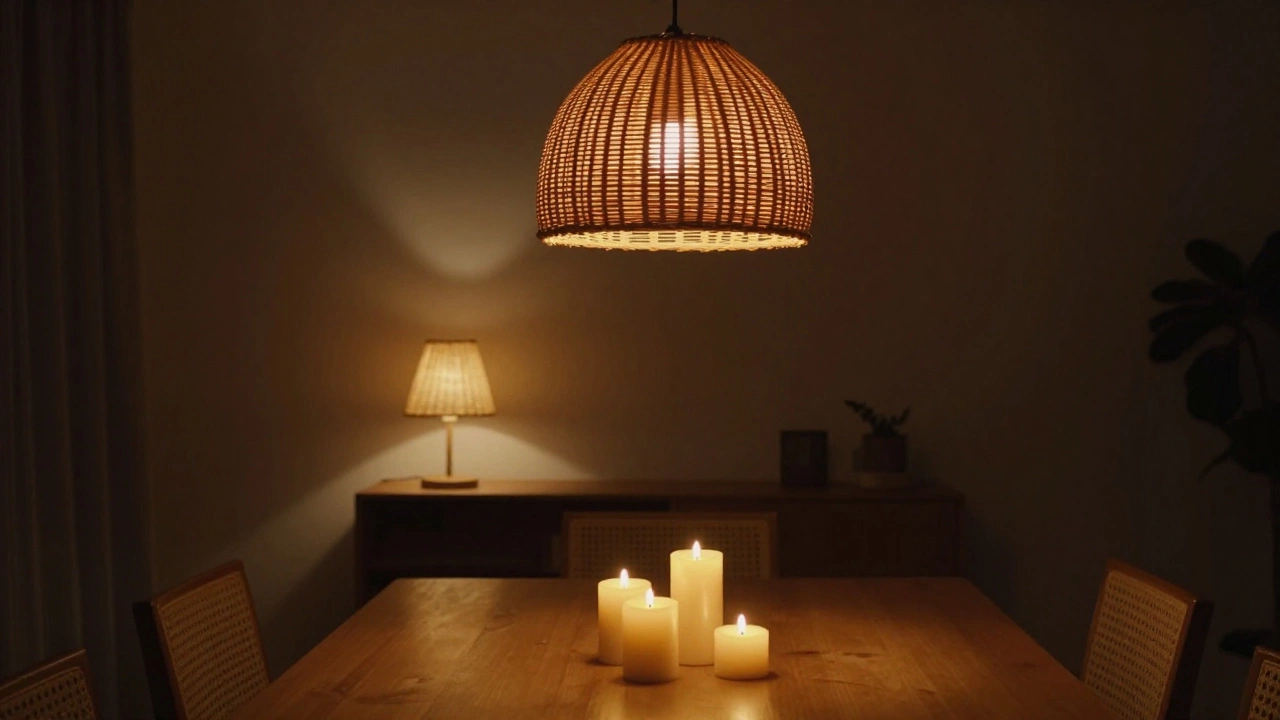
Nothing kills a cozy vibe faster than a bright, flickering overhead light that feels like a dentist's office. To fix this, you need to think in layers. The primary source should be Ambient Lighting, which is the general illumination of a space that provides a uniform base level of light. Instead of relying on a single ceiling fixture, add a dimmer switch. Being able to drop the light levels as the evening progresses tells the brain it's time to relax.
Next, bring in task and accent lighting. A small table lamp on a Sideboard (a long, low storage piece typically used for linens and dinnerware) creates a soft glow in the corners of the room. If you have a pendant light over the table, choose a shade made of fabric, rattan, or frosted glass. These materials diffuse the light, preventing harsh shadows on your guests' faces. Have you tried using candlelight? A few beeswax pillars or tapered candles in the center of the table add a flickering, organic movement that makes the room feel lived-in and intimate.
Adding Texture and Softness
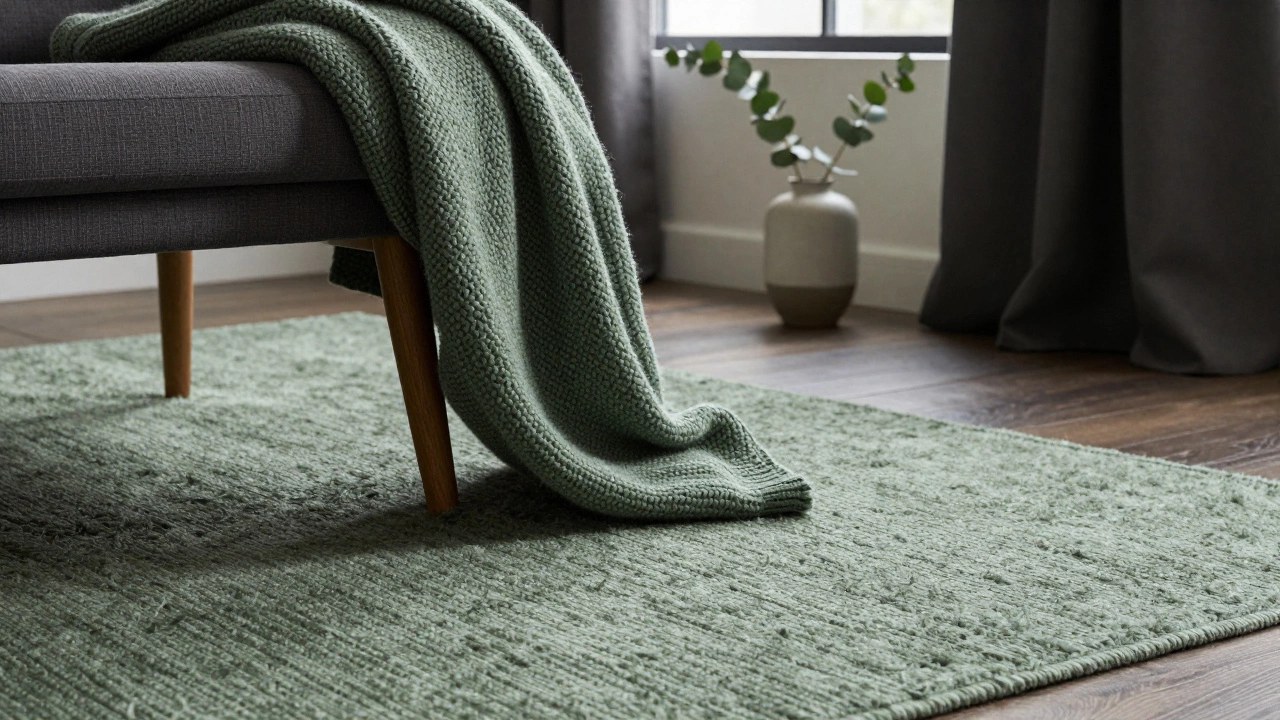
If your room has a lot of hard surfaces-hardwood floors, plastered walls, and a wooden table-you need to break those up with "softs." The most immediate fix is a Area Rug. An area rug is a piece of textile floor covering that defines a specific zone within a larger room. Not only does it stop the echoing noise of chairs scraping on the floor, but it also adds a visual layer of warmth. Make sure the rug is large enough that when chairs are pulled out, the back legs are still on the rug; otherwise, it looks like a postage stamp in the middle of the room.
Don't stop at the floor. Window treatments are a huge part of the equation. Bare windows can feel drafty and exposed. Heavy Curtains or drapes in a neutral tone like oatmeal, sage, or charcoal can insulate the room and make it feel like a private sanctuary. For an extra touch of coziness, drape a soft throw blanket over the back of a host chair. It signals to guests that they are welcome to get comfortable and stay a while.
The Psychology of Color
The colors you choose will either open the room up (which can feel cold) or pull the walls in (which feels cozy). You don't have to paint everything dark brown to get a warm feel. Instead, look at "earth tones." Colors derived from nature-terracotta, muted olive, mustard yellow, or deep navy-create a sense of security and comfort.
If you prefer a white or light-colored room, avoid "stark white," which can feel clinical. Go for "warm white" or cream. These tones have a hint of yellow or red in them, which mimics the glow of a sunset. You can introduce these colors through smaller items if you aren't ready to paint. Try a set of napkins in a deep rust color or a ceramic vase in a soft sage. These small pops of warmth trick the eye into perceiving the whole room as cozier than it might actually be.
Creating a Sensory Experience
Coziness isn't just about what you see; it's about what you smell and hear. A room that smells like old cleaning products isn't inviting. Use a Scent Diffuser or a soy-based candle with notes of vanilla, cinnamon, or sandalwood. These scents are naturally associated with warmth and home. Just be careful not to overdo it-you don't want the scent to compete with the smell of the food you're serving.
Sound is equally important. A silent room can feel awkward, but a room with a loud humming refrigerator is distracting. Soft background music-something like low-fi beats or soft jazz-fills the gaps in conversation and prevents the room from feeling empty. If you have high ceilings, the fabric elements we mentioned earlier (rugs and curtains) will help absorb the "ping" of voices, making the acoustics feel warmer and more intimate.
The Finishing Touches
The final step is adding the items that make the room feel human. A perfectly staged room is boring. A cozy room has signs of life. This means a bowl of fresh fruit on the table, a stack of cookbooks on the sideboard, or a few pieces of art that mean something to you. Avoid generic "hotel art"; instead, hang photos of family or landscapes from places you've visited.
Consider your tabletop styling. Instead of a formal tablecloth that hides the beautiful grain of your wood, try a linen runner and a few mismatched ceramic coasters. Using a centerpiece that involves living elements, like a small potted herb garden or a vase of eucalyptus, brings a sense of freshness and life into the space. When a room feels curated rather than decorated, it feels more authentic and welcoming.
What is the best table shape for a cozy feel?
Round tables are generally the best for coziness because they eliminate sharp corners and bring everyone closer together, which naturally facilitates more intimate conversation and a more inclusive atmosphere.
How do I make a small dining room feel cozy without feeling cramped?
Focus on lighting and texture rather than adding more furniture. Use a light-colored rug to define the space and install a dimmer switch for your lights. Use "leggy" furniture-pieces with slim legs-to keep the floor visible, which prevents the room from feeling claustrophobic while the textures provide the warmth.
Can I make a formal dining room cozy?
Yes, by "breaking" the formality. Replace a stiff tablecloth with a casual linen runner, add upholstered seat cushions to formal chairs, and introduce a soft area rug. Adding a few personal items, like family photos or a stack of books, also removes the "museum" feel.
What colors should I avoid if I want a warm dining room?
Avoid stark, cool whites, bright neon colors, and excessive amounts of grey or blue-toned whites. These colors tend to reflect light in a way that feels cold and sterile, which works against the goal of creating an inviting environment.
Do I really need a rug in the dining room?
While not strictly necessary, a rug is one of the most effective ways to add instant coziness. It adds physical warmth to the feet, dampens noise, and visually anchors the dining set, making the area feel like a dedicated "zone" of comfort.
Next Steps for Your Space
If you're feeling overwhelmed, don't try to change everything at once. Start with the lighting-it's the cheapest and fastest way to change the mood. Once you've mastered the glow, look at your seating. If your guests are uncomfortable, they won't stay. From there, layer in your textiles like rugs and curtains. Finally, add those personal, sensory touches like a favorite candle or a bit of greenery. By tackling the room in stages, you can see how each change affects the vibe and adjust as you go.