
Interior Design Earnings Calculator
Estimate Your Interior Design Income
People often ask if interior designers make money - not because they think it’s a hobby, but because they’ve seen flashy Instagram feeds and high-end showrooms and wonder if it’s real or just surface-level glam. The truth? Interior designers absolutely make money. But how much, and how they earn it, varies wildly depending on experience, location, niche, and business model. This isn’t a career where you get rich overnight, but it’s absolutely possible to build a six-figure income - even without a big firm behind you.
How Interior Designers Actually Get Paid
There’s no single pay structure in interior design. Most professionals use one or a mix of these methods:
- Hourly rates - Common for beginners or small projects. Rates range from $50 to $200 per hour in the U.S., with top designers in cities like New York or Los Angeles charging $250+.
- Flat fees - You agree on a fixed price for the whole project. This works well for room makeovers, kitchen redesigns, or staging services. Flat fees typically start at $1,500 and go up to $10,000+ for full-home projects.
- Markup on products - Designers buy furniture, lighting, and finishes at trade prices (often 30-50% off retail) and mark them up 20-40% when selling to clients. This is where many designers make their real profit.
- Commission-based - Some work with contractors or suppliers who pay them a kickback for referrals. This is less common now due to transparency rules, but still exists in some markets.
- Retainers - High-end clients pay monthly for ongoing design advice, vendor coordination, or seasonal updates. Retainers can range from $1,000 to $5,000 per month.
Most successful designers combine at least two of these. For example: charge a $3,000 flat fee for design plans, then earn $8,000 in product markups on furniture and lighting. That’s $11,000 for a single project - and that’s before any repeat clients or referrals.
What’s the Average Income?
According to the U.S. Bureau of Labor Statistics (2024 data), the median annual wage for interior designers in the U.S. is $59,950. But that number hides the real story.
Entry-level designers working for small firms or freelancing part-time often earn between $35,000 and $50,000. Mid-level designers with 5-10 years of experience and a solid client base make $70,000-$100,000. Top-tier designers - those with branded work, published projects, or luxury clientele - regularly clear $150,000 to $300,000+ per year.
One designer in Austin, Texas, shared her numbers: she works 20-25 hours a week on 6-8 projects per year. Each project brings in $12,000-$25,000 total (including markups). She doesn’t work weekends, doesn’t have employees, and still made $187,000 last year. Her secret? She focused on high-end kitchen and bathroom remodels and built a reputation through word-of-mouth.
Location Matters - A Lot
Where you live directly impacts your earning potential. Interior designers in New York City, San Francisco, Miami, and Los Angeles make significantly more than those in smaller cities or rural areas.
Here’s a rough breakdown of average annual earnings by region (2025 data):
| Region | Average Income | Top Earners |
|---|---|---|
| New York City | $95,000 | $250,000+ |
| Los Angeles | $88,000 | $220,000+ |
| Chicago | $75,000 | $180,000+ |
| Denver | $70,000 | $160,000+ |
| Atlanta | $65,000 | $140,000+ |
| Midwest / Rural | $50,000 | $100,000 |
But here’s the twist: some designers in lower-cost areas make more than those in expensive cities - because they charge less for labor but sell more product. A designer in Ohio might earn $90,000 by selling $50,000 in furniture with 30% markup, while a New York designer earning $120,000 might make most of it from hourly fees.

Specializing Beats Generalizing
Trying to be everything to everyone doesn’t pay. The highest-earning designers focus on a niche.
Examples of profitable niches:
- High-end kitchen and bathroom remodels - Clients here spend $50,000-$200,000+ on renovations. Designers who specialize in this can charge premium fees and earn big markups on cabinetry, fixtures, and appliances.
- Smart home integration - Designers who understand lighting systems, security tech, and voice-controlled environments are in demand. This isn’t just about aesthetics - it’s about function.
- Senior-friendly design - Aging-in-place renovations are growing fast. Designers who know grab bars, non-slip flooring, and accessible layouts can charge 20-30% more than generalists.
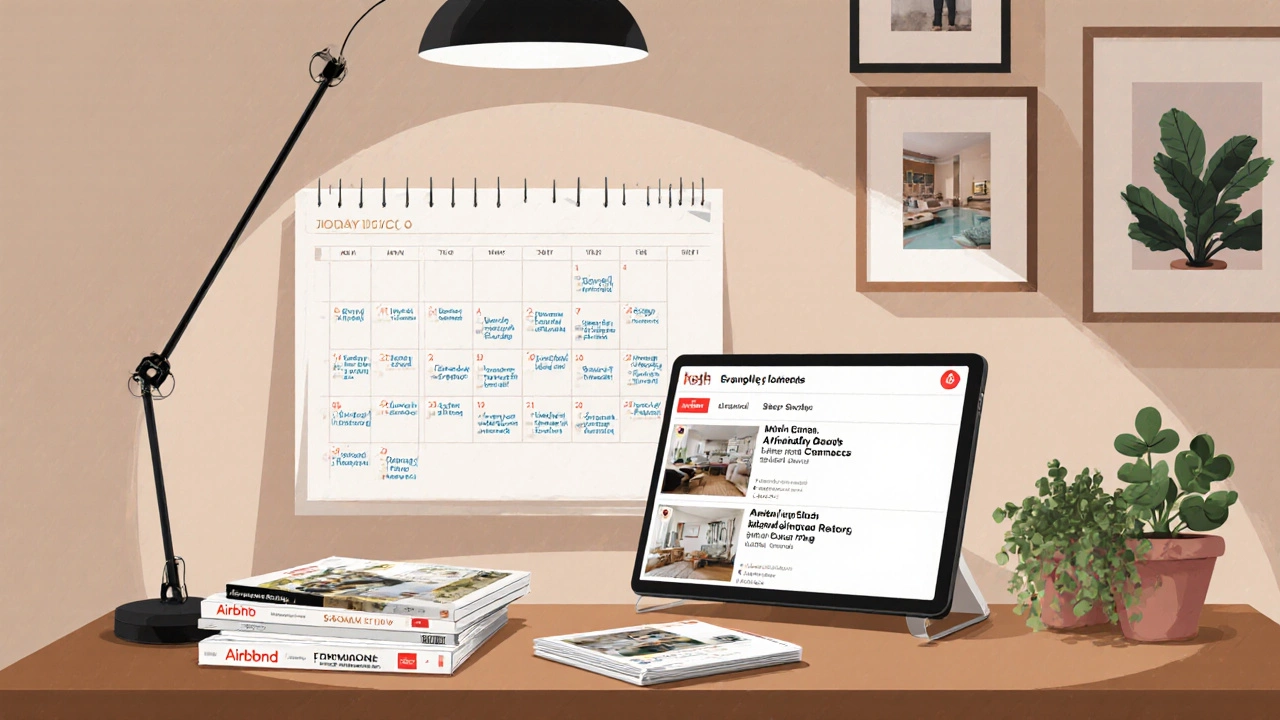
- Short-term rental styling - Airbnb and VRBO hosts pay $2,000-$8,000 to make their units look professional. It’s fast, repeatable, and scalable.
- Commercial interiors - Offices, co-working spaces, and boutique hotels pay well. Projects often run $50,000-$500,000.
One designer in Nashville built a business around styling short-term rentals. She does 3-4 projects a month, charges $3,500 each, and spends only 10 hours per job. That’s over $120,000 a year - with no travel, no custom furniture orders, and no client meetings longer than 30 minutes.
The Hidden Costs - What Most Beginners Forget
Just because you earn $100,000 doesn’t mean you take home $100,000. Many new designers underestimate expenses:
- Software - AutoCAD, SketchUp, Planner 5D, and project management tools can cost $500-$2,000/year.
- Marketing - Website, SEO, Instagram ads, and photography. Budget at least $1,000-$5,000/year to get noticed.
- Insurance - Liability insurance is non-negotiable. Expect $800-$1,500/year.
- Travel - Site visits, supplier trips, and client meetings add up. Gas, flights, and time are real costs.
- Inventory and samples - You need fabric swatches, tile samples, and finish boards. These can cost $1,000-$5,000 upfront.
- Taxes - As a freelancer or small business owner, you’ll pay 25-30% in taxes. Set aside money every month.
One designer in Portland tracked her expenses for a year. She made $112,000 in revenue - but after taxes, software, insurance, and marketing, her net profit was $58,000. That’s still good - but she thought she’d be making $85,000 after expenses.
How to Build a Profitable Interior Design Business
If you want to make real money, here’s what works:
- Start with a niche - Don’t offer "full-service design." Say you do "modern kitchen remodels for empty nesters" or "cozy rental homes for Airbnb owners." Specificity attracts better clients.
- Charge for your time - Don’t give free consultations. Charge $150 for a 60-minute design strategy call. It filters out tire-kickers.
- Use trade-only suppliers - Sign up for trade accounts with companies like Ferguson, RH Trade, or Design Within Reach. You’ll save 30-50% and earn markup on everything you order.
- Build a portfolio fast - Do 2-3 pro-bono or discounted projects for friends or local businesses. Get professional photos. Post them.
- Automate and systemize - Use templates for contracts, invoices, and project timelines. Save time. Scale faster.
- Ask for referrals - Happy clients are your best marketing. Send a thank-you note with a $25 gift card to a local coffee shop. Most will refer you.
The biggest mistake designers make? Waiting to be "ready." You don’t need a degree, a fancy website, or 100 Instagram followers to start making money. You just need one client who trusts you to turn their space into something they love.
Can You Make a Living as a Freelance Interior Designer?
Yes - and more people are doing it than ever before. The rise of remote work, online shopping, and social media has made it easier than ever to build a design business without an office or team.
Freelancers who succeed have three things in common:
- They don’t compete on price - they compete on value.
- They don’t chase every client - they attract the right ones.
- They treat their business like a business, not a side hustle.
One freelance designer in Seattle went from $28,000 a year to $135,000 in three years. She didn’t get a promotion. She didn’t join a firm. She just started saying "no" to low-budget projects, raised her rates by 25% every 6 months, and focused on clients who valued her expertise.
Interior design isn’t a get-rich-quick job. But it’s one of the few creative fields where you can build lasting wealth - by solving real problems, charging fairly, and staying consistent.
Do interior designers make good money?
Yes, many interior designers make good money - especially those who specialize, charge properly, and use product markups. While the median salary is around $60,000, top designers earn $150,000-$300,000+ per year. Income depends on niche, location, and business model.
How much do interior designers charge per hour?
Hourly rates range from $50 to $200 in most U.S. markets. In major cities like New York or Los Angeles, top designers charge $250+ per hour. Beginners often start at $75-$100 and raise rates as they gain experience and portfolio pieces.
Do interior designers get paid for furniture?
Yes - and this is often where they make the most profit. Designers buy furniture, lighting, and finishes at trade discounts (30-50% off retail) and mark them up 20-40% when selling to clients. A $5,000 sofa bought for $3,000 nets a $1,000-$2,000 profit.
Is interior design a good side hustle?
It can be - if you’re strategic. Many designers start by styling short-term rentals, helping friends with small projects, or offering virtual consultations. But treating it like a side hustle without pricing properly or building systems will lead to burnout. Focus on one niche and charge for value, not time.
Do you need a degree to make money as an interior designer?
No. While a degree helps with credibility and access to trade accounts, many successful designers have no formal training. What matters is your portfolio, client results, and ability to communicate value. Trade accounts often require proof of business, not a diploma.