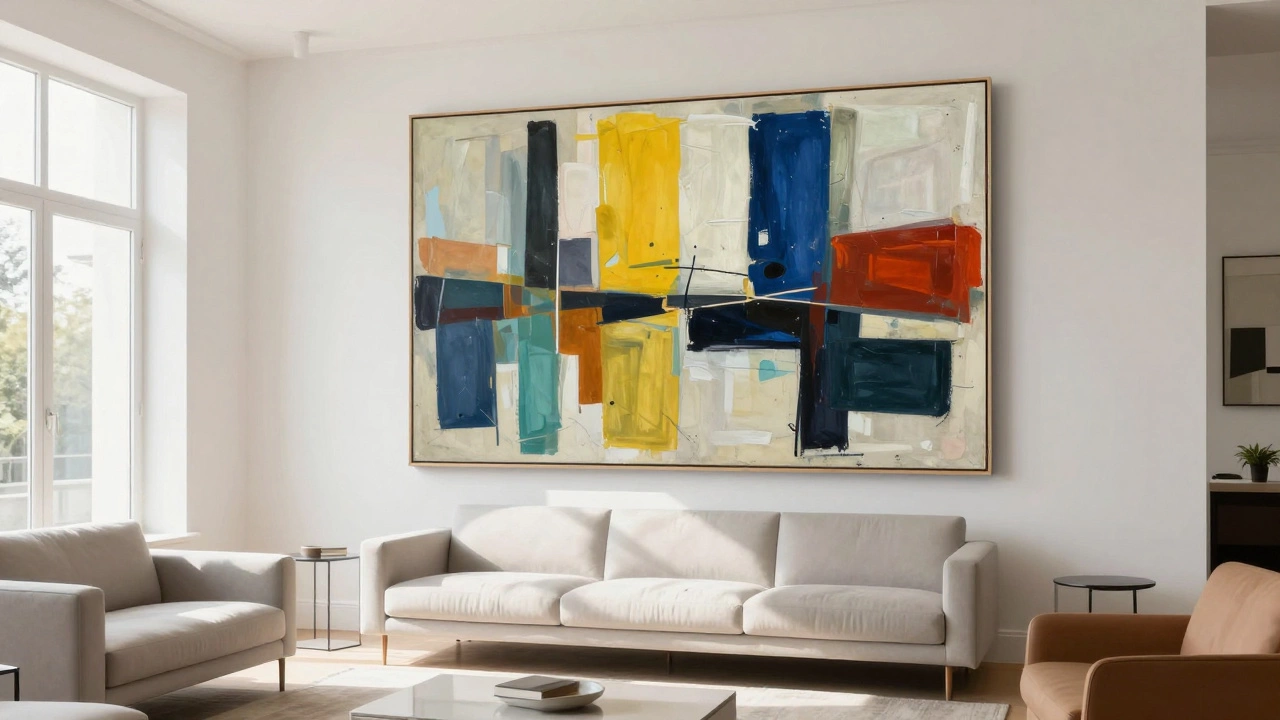
Wall Art Placement & Scale Calculator
Placement Guide
Recommended Specs
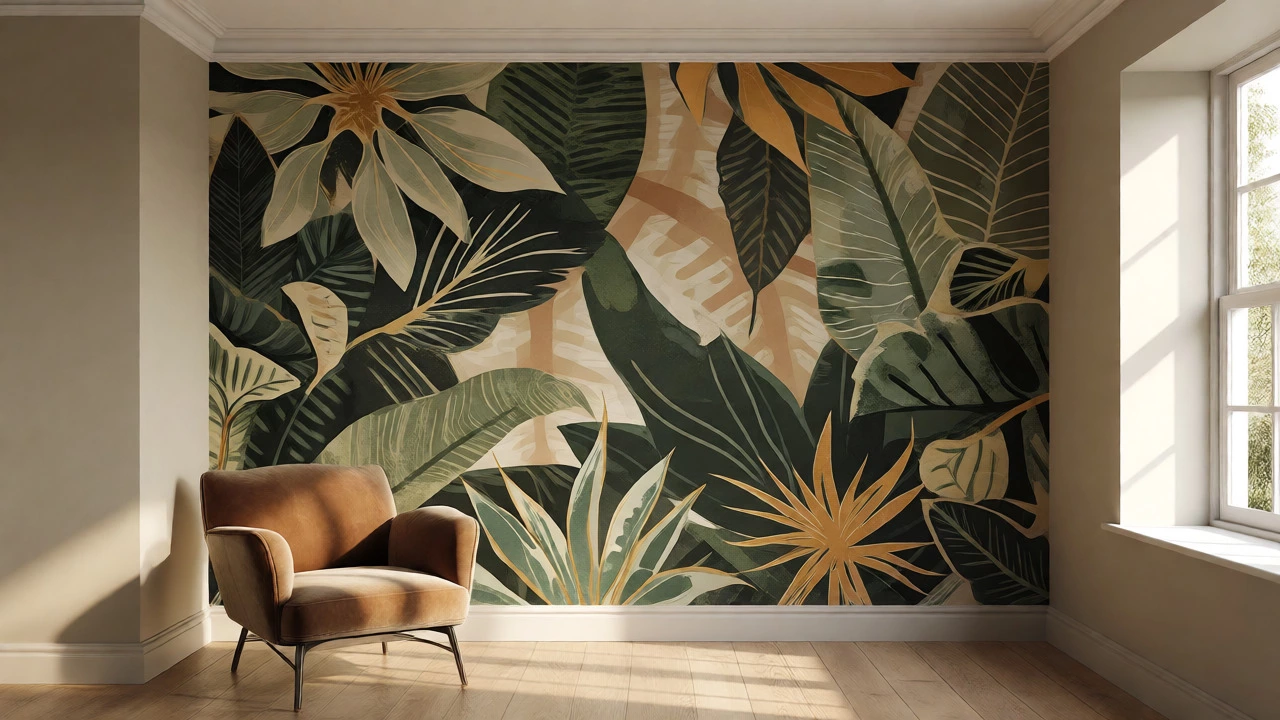
Staring at a giant, white, empty wall can feel like facing a blank exam paper. You know you need to put something there to make the room feel finished, but the fear of picking something that looks "cheap" or "wrong" often leads to months of procrastination. The truth is, your walls are the largest canvas in your home, and leaving them bare is a missed opportunity to tell people who you are without saying a word.
Quick Wins for Empty Walls
- The Statement Piece: One oversized artwork that anchors the room.
- The Gallery Wall: A curated mix of photos, sketches, and objects.
- Functional Decor: Mirrors, clocks, or shelving that serve a purpose.
- Textural Elements: Tapestries, macramé, or acoustic panels.
Choosing the Right Art for the Space
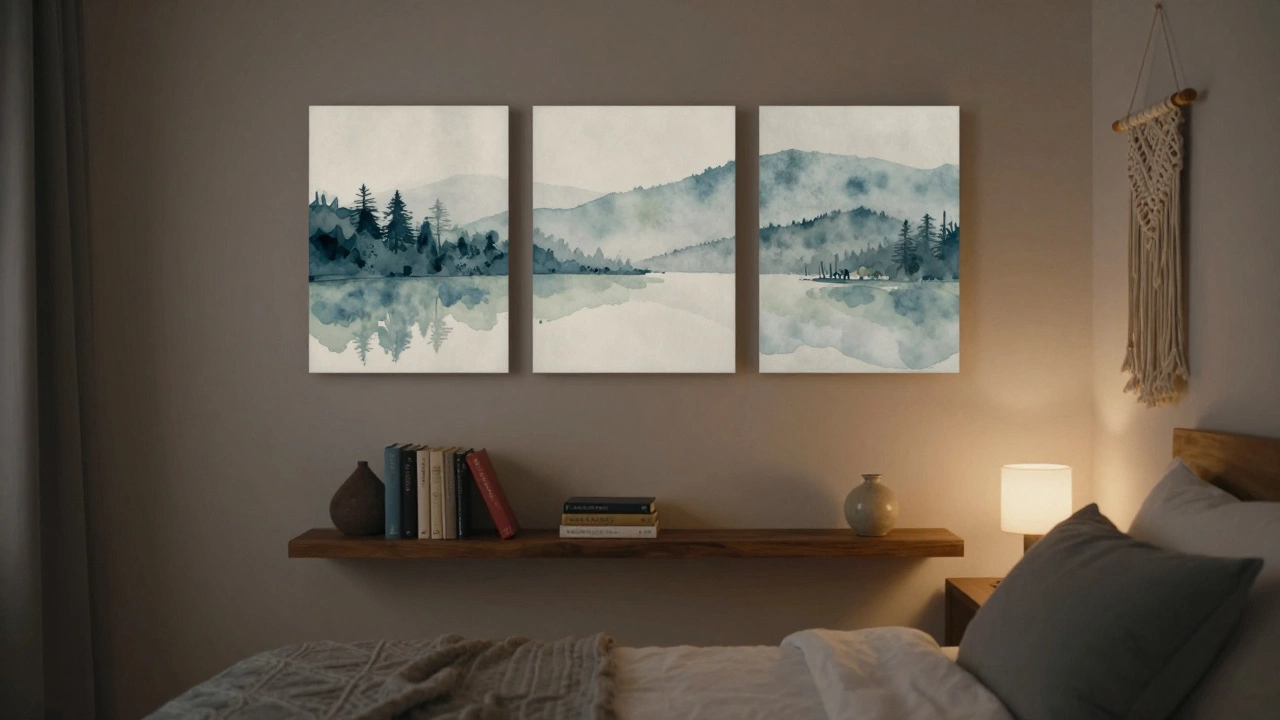
Not every piece of art works in every room. A massive, moody oil painting might look incredible in a formal dining room, but it could make a small guest bathroom feel claustrophobic. When you're deciding wall art is any decorative object intended to be hung on a vertical surface to enhance the aesthetic of an interior space, start with the vibe of the room. In a bedroom, you want things that evoke calm-think soft watercolors or abstract landscapes in muted tones. In a living room, you can be bolder with high-contrast photography or pop art.
One common mistake people make is buying art that fits the wall but doesn't fit the furniture. If you have a sleek, mid-century modern sofa, a heavy, ornate gold frame from a thrift store might clash. However, mixing styles can work if you do it on purpose. A modern print in a vintage frame creates a "collected over time" look that feels more authentic than a showroom.
| Room | Recommended Art Type | Ideal Scale | Vibe/Goal |
|---|---|---|---|
| Living Room | Large Canvas, Gallery Wall | Large/Oversized | Social & Welcoming |
| Bedroom | Triptychs, Textiles | Medium/Soft | Restful & Intimate |
| Hallway | Small Prints, Mirrors | Small/Linear | Bright & Dynamic |
| Home Office | Infographics, Certificates | Medium/Structured | Focused & Professional |
Mastering the Gallery Wall
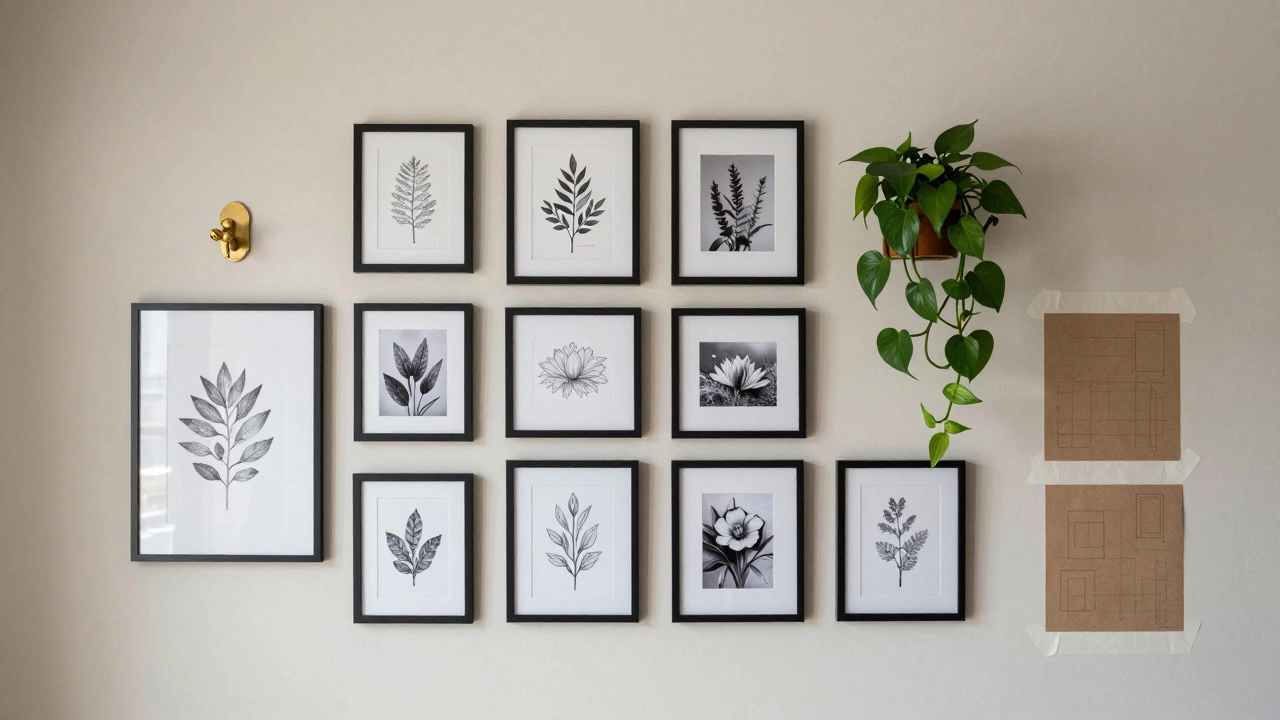
The Gallery Wall is a curated arrangement of multiple pieces of art, photographs, and objects displayed together on a single wall, but it can quickly turn into visual chaos if you don't have a plan. The secret is to find a "common thread." This doesn't mean everything has to match perfectly. You can keep a consistent thread through color (all black and white photos), frame style (all thin black metal), or subject matter (all botanical sketches).
If you're nervous about making holes in your wall, try the paper template method. Trace each frame onto brown craft paper, cut them out, and tape them to the wall with painter's tape. This lets you move things around until the balance feels right. A pro tip: leave about 2 to 3 inches between frames. If they are too far apart, they look like disconnected islands; too close, and they feel cramped.
Don't limit yourself to just rectangles. Incorporate 3D objects to add depth. A small wall sculpture, a vintage key, or even a hanging plant can break up the monotony of flat frames. When you mix textures, you move from just "decorating" to actual Interior Design is the art and science of enhancing the interior of a building to achieve a healthier and more aesthetically pleasing environment.
Adding Dimension with 3D Elements
Sometimes a flat picture isn't enough. If your room feels "flat," you need items that project from the wall. Floating Shelves are wall-mounted shelving units that lack visible support brackets, creating a clean, modern look. These are incredibly versatile because they allow you to change your decor seasonally without needing new nails. You can lean a piece of art against the wall, add a trailing pothos plant, and tuck in a few favorite books.
Mirrors are another powerhouse tool. A large Mirror is a reflective surface used in interior design to bounce light and create the illusion of more space placed opposite a window can effectively double the amount of natural light in a dark room. If you have a narrow entryway, a round mirror creates a focal point and stops the space from feeling like a tunnel.
For those who want a more organic feel, consider textiles. A woven wall hanging or a vintage rug can soften the acoustics of a room, which is especially helpful in open-concept homes with hardwood floors where sound tends to bounce. It adds a tactile quality that paint or glass simply can't provide.
The Science of Placement and Height
The most common mistake people make is hanging art too high. You'll see this in many hotels-a painting hovering near the ceiling. This is often called "gallery height," but in a home, it feels disconnected from the furniture. The gold standard for eye level is roughly 57 to 60 inches from the floor to the center of the piece. This is the average height where most people's eyes land when standing.
However, if the art is hanging above a piece of furniture, like a sofa or a sideboard, the rules change. The bottom of the frame should be 6 to 10 inches above the top of the furniture. This creates a visual link between the art and the object below it. If the gap is too wide, the art looks like it's floating away; if it's too narrow, it feels like it's crushing the furniture.
Consider the scale of your wall. A tiny 8x10 print on a massive 12-foot wall looks like a postage stamp. You have two options: go big with one piece or group several smaller pieces together to create one large visual unit. If you're using a Triptych is a work of art that is divided into three panels, usually intended to be displayed side-by-side, ensure the gaps between the panels are consistent, usually 2 to 4 inches.
Creative Alternatives to Traditional Art
You don't actually need to buy "art" to decorate your walls. Some of the best wall displays are made from everyday objects. Think about a collection of vintage hats, a series of architectural blueprints from your first home, or even a wall of framed fabric swatches from a favorite textile shop. The key is curation. If you just pin random things to the wall, it looks like a dorm room. If you frame them and align them, it looks like a museum exhibit.
Wall molding, such as Wainscoting is wooden paneling applied to the lower part of an interior wall, typically to protect it from damage and add architectural detail, can also act as a decorative element. Adding a chair rail or picture frame molding gives the wall a structured look even without any art hanging on it. This is a great way to add value to a home by introducing permanent architectural interest.
For a modern, high-tech approach, consider digital frames. Instead of committing to one image, you can rotate through a thousand photos of your travels or a curated gallery of world-famous paintings. Just make sure the frame quality is high so it doesn't look like a computer monitor taped to your wall.
How do I know if my art is too big for the wall?
A good rule of thumb is that your art should occupy between 60% and 75% of the available wall space. If the piece covers more than 80%, it can overwhelm the room and make the ceiling feel lower. If it's under 50%, it might look undersized and lonely.
What is the best way to hang heavy art without damaging the wall?
Always use wall anchors or studs. For heavy pieces, find a wooden stud using a stud finder and screw directly into it. If no stud is available, use toggle bolts or high-quality plastic anchors. Avoid using adhesive strips for anything over 5-10 pounds, as they can peel the paint right off your wall over time.
Can I mix different frame colors in one gallery wall?
Yes, absolutely. Mixing gold, black, and wood frames can actually make a gallery wall look more organic and less "kit-like." To keep it from looking messy, try to limit yourself to 3 different frame styles or colors and repeat them throughout the arrangement to create a sense of rhythm.
Where should I buy affordable art that doesn't look generic?
Avoid the "big box" home decor stores. Instead, look for independent artists on platforms like Etsy, visit local craft fairs, or browse thrift stores for unique vintage frames that you can put your own prints into. Digital downloads from artists are also a budget-friendly way to get high-quality art that you can print at a local shop.
How do I handle art in a rental where I can't paint or drill?
Command hooks are the gold standard for renters, but for larger items, consider leaning art against the wall on top of a dresser or using large, freestanding floor mirrors. You can also use tension rods in alcoves to hang lightweight fabric tapestries without a single nail.
Final Touches and Troubleshooting
If you've hung everything and it still feels "off," step back and look at the balance. Is all the "weight" on one side of the room? If you have a huge painting on the left wall, you might need something equally visually heavy (like a bookshelf or a large plant) on the right to balance it out.
Lighting is the final, often forgotten step. Art looks significantly better when it's illuminated. You don't need expensive rewiring; a simple battery-operated picture light or a well-placed floor lamp can transform a flat image into a dramatic focal point. Just be careful with direct sunlight, as UV rays will fade your art over time-especially if it's a print on paper.