Timber Frame: What It Is, Why It Matters, and How It’s Used in UK Homes
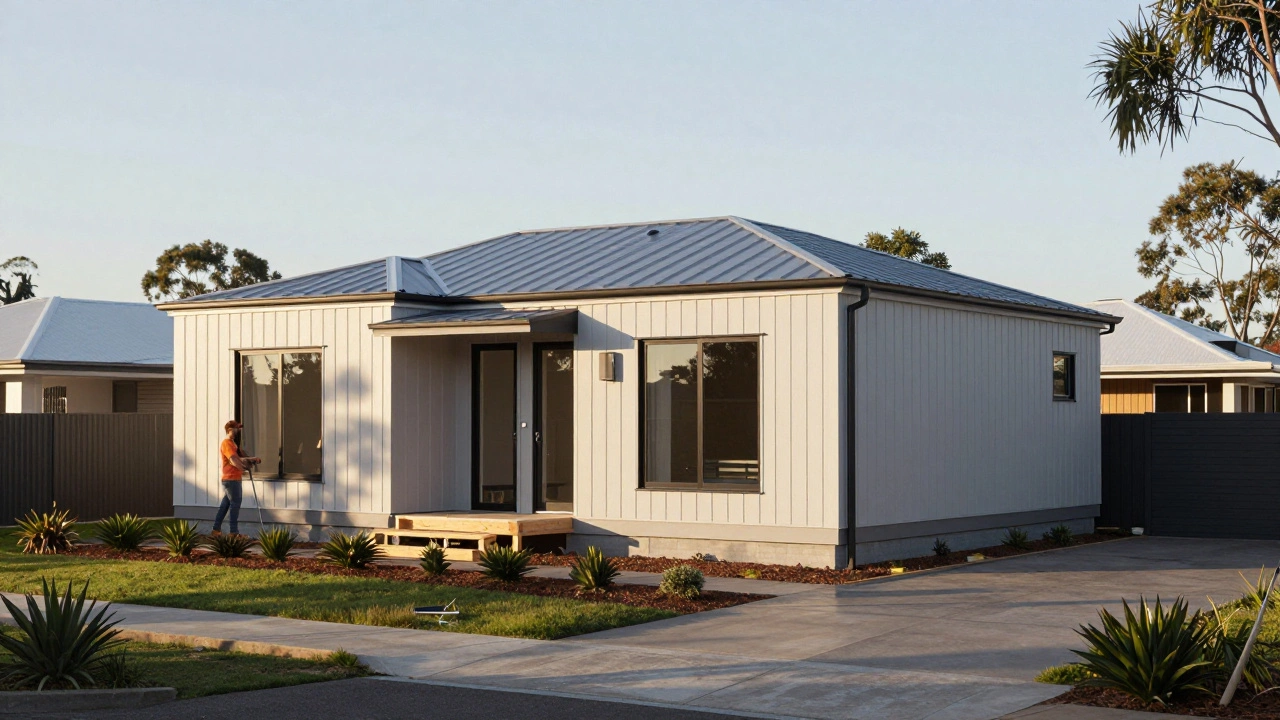
When you think of a sturdy, long-lasting home, you might picture brick or concrete. But timber frame, a construction method using precision-cut wooden beams to form the structure of a building. Also known as wood frame construction, it’s one of the most common ways homes are built across the UK today—not because it’s cheap, but because it’s fast, efficient, and surprisingly strong. Unlike traditional masonry, timber frame systems are often built off-site in factories, then assembled on your property in days. This means less mess, less waste, and a tighter seal against drafts.
What makes timber frame stand out isn’t just speed—it’s sustainability. Wood stores carbon instead of releasing it, and modern timber frame systems use responsibly sourced timber certified by the FSC or PEFC. This isn’t just a trend; it’s a shift. Many UK builders now choose timber frame because it cuts energy use during construction and helps homes stay warmer in winter and cooler in summer when properly insulated. timber frame construction, a building technique that combines structural wood with high-performance insulation and air-tight seals is now a go-to for eco-conscious homeowners and developers alike. It also pairs well with other green features like heat pumps and solar panels, making it a natural fit for net-zero homes.
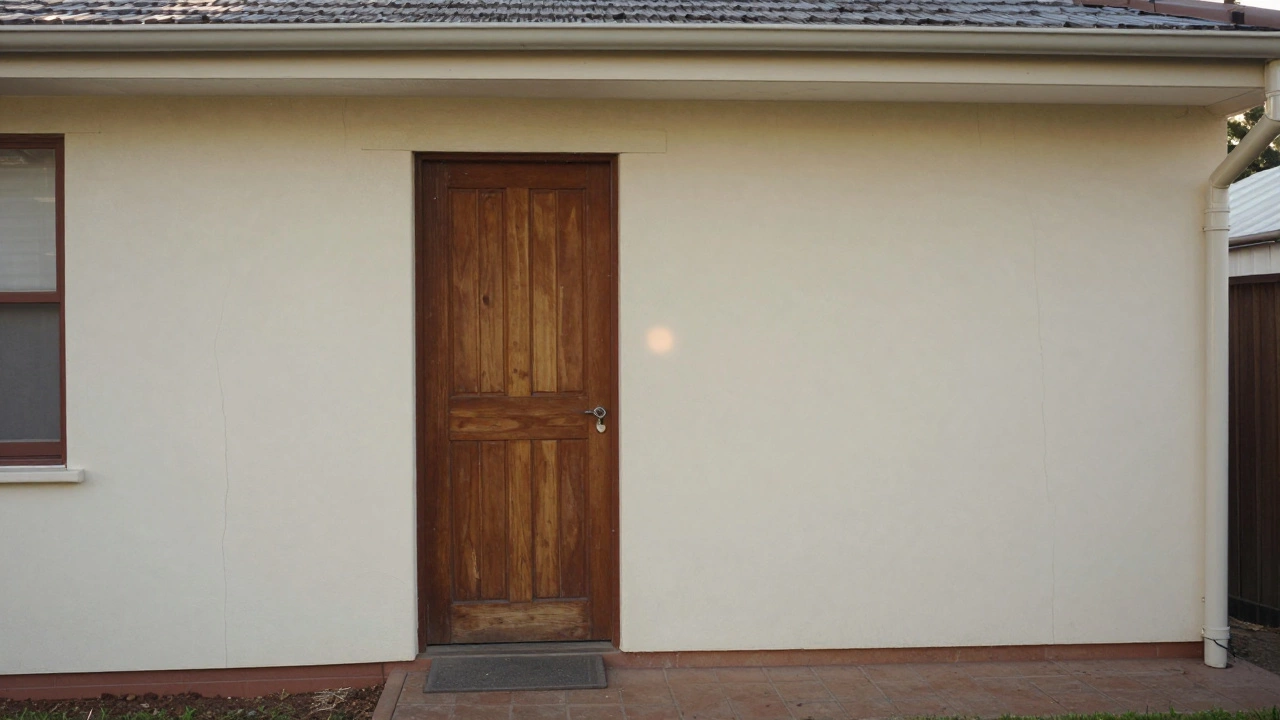
People often wonder if timber frame is strong enough. The answer? Yes—when built right. Modern timber frames use engineered wood like LVL (laminated veneer lumber) and I-joists that are stronger and straighter than traditional timber. They’re designed to handle snow loads, high winds, and even seismic movement. And unlike brick, timber frame homes don’t crack easily from ground movement. That’s why you’ll find them in everything from cozy cottages in the Cotswolds to modern extensions in Manchester.
But timber frame isn’t just about the frame. It’s about what goes with it: insulation, cladding, windows, and how it all fits together. That’s why our collection includes real guides on insulation gaps you might miss, how to avoid condensation in timber frame walls, and what finishes work best over time. You’ll also find posts on cost comparisons, planning permissions, and how timber frame affects your home’s resale value.
Whether you’re building new, extending, or just curious about how your home was made, the posts here give you the facts—not the fluff. No sales pitches. No jargon. Just clear, practical insights from people who’ve seen timber frame homes built, lived in, and repaired.