Slab-on-Grade Foundation: What It Is and Why It Matters for UK Homes
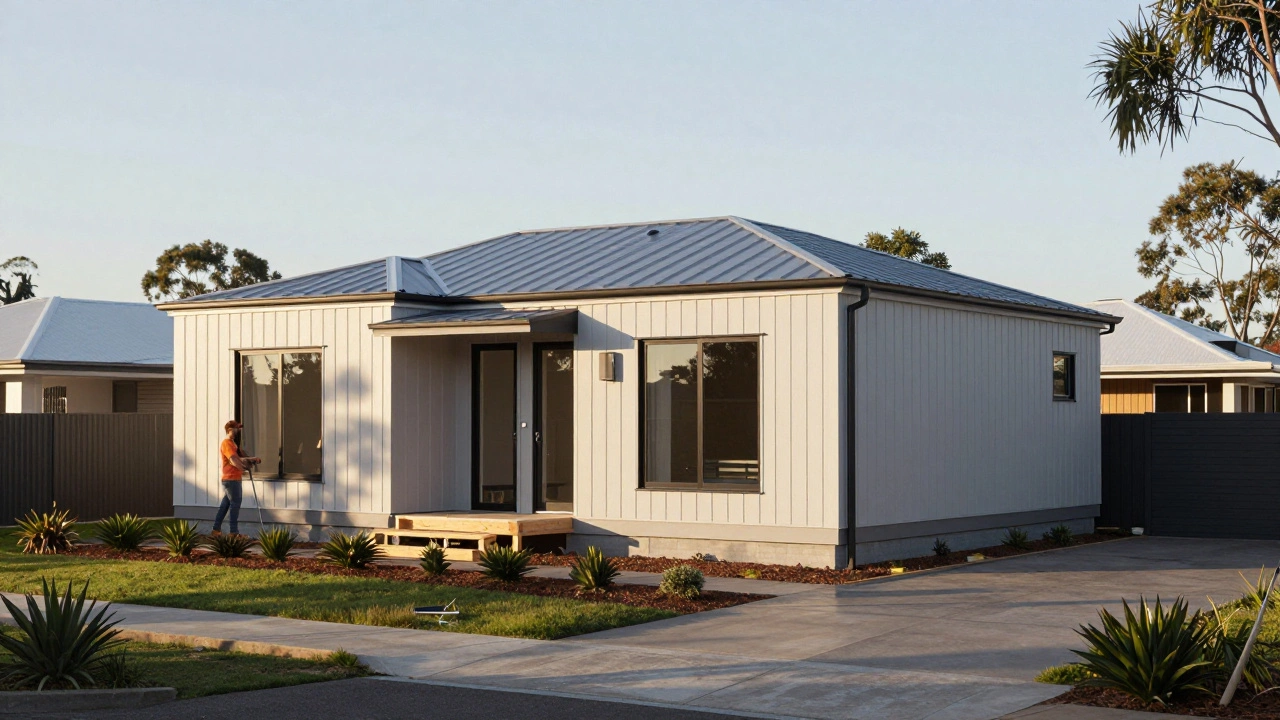
When you build a house, the foundation is the first thing that matters—and one of the most common choices in the UK is a slab-on-grade foundation, a single layer of reinforced concrete poured directly onto the ground, serving as both the base and the floor. Also known as a concrete slab foundation, it’s simple, fast to install, and avoids the cost of a full basement or crawl space. Unlike traditional foundations that sit below the frost line, a slab-on-grade sits right on the soil, making it ideal for areas with stable ground and mild winters—conditions you’ll find in much of southern and central England.
This type of foundation requires minimal excavation, reducing labor, time, and disruption to the surrounding landscape. It’s often chosen for single-story homes, extensions, or garages where extra storage or utilities aren’t needed below ground. But it’s not just about saving money—it’s also about speed. Builders can pour and cure a slab in under a week, letting the rest of the project move forward without delays. That’s why you’ll see it in new builds from large developers and smaller renovation projects alike.
Still, it’s not perfect. A slab-on-grade foundation, if not properly reinforced or drained, can develop cracks from ground movement, especially in clay-rich soils common in parts of the UK. That’s why drainage, compaction, and steel reinforcement matter just as much as the concrete mix. You’ll find this topic come up often in posts about new build defects and house foundation problems—because a cracked slab isn’t just an eyesore. It can lead to water leaks, uneven floors, and even structural stress over time.
What’s interesting is how this foundation ties into bigger trends. As more homeowners look for energy-efficient builds, the slab’s thermal mass helps retain heat, especially when paired with underfloor heating. It also reduces air leakage compared to raised floors, making it a quiet win for sustainability. That’s why eco-conscious builders in the UK are turning to it—not because it’s cheap, but because it’s smart.
You’ll also see it mentioned in discussions about loft conversions and small house space solutions. If you’re adding a second story, starting with a solid, level slab makes the whole project more stable. And if you’re working with limited space, a slab means no crawl space to waste—every inch counts.
There’s no one-size-fits-all foundation, but for many UK homes, the slab-on-grade strikes the right balance: simple, strong, and practical. The posts below dive into real-world examples—from how to spot early signs of trouble to how builders get it right the first time. Whether you’re planning a renovation, buying a new build, or just curious about how your house stands up, you’ll find answers here.