Rooms Without Curtains: Modern Alternatives and Real Home Looks
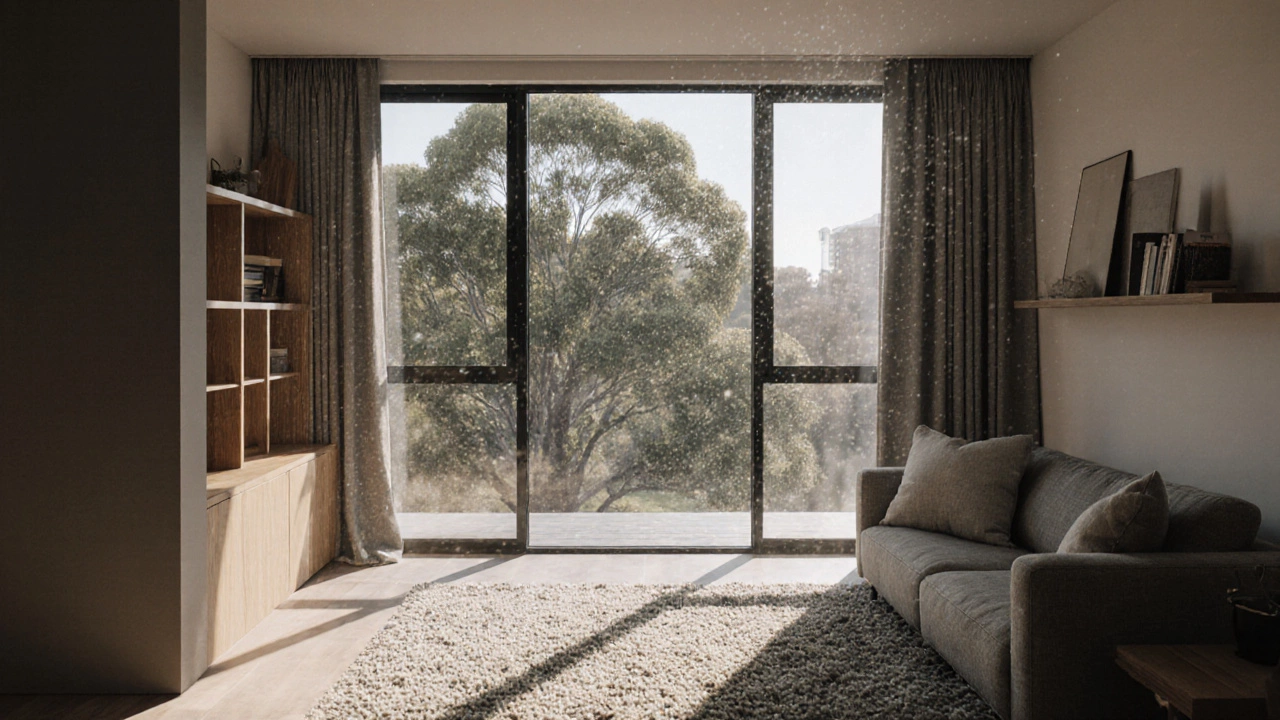
When you walk into a room with no curtains, you’re not seeing a lack of decoration—you’re seeing a room without curtains, a deliberate design decision that prioritizes natural light, clean lines, and architectural detail. Also known as bare windows, this style strips away the traditional fabric covering to let the window itself become the focal point. It’s not about being minimal for the sake of it. It’s about letting sunlight shape the space, showing off the shape of the frame, the view outside, or even the texture of the wall around it.
This approach works best when paired with smart window treatments without curtains, alternative solutions that offer privacy, light control, or visual interest without fabric drapes. Think roller shades in neutral tones, woven wood blinds that add warmth, or even smart glass that tints on demand. These aren’t replacements for curtains—they’re upgrades. They serve the same needs but with less bulk, less dust, and more control. In kitchens and bathrooms, where moisture and maintenance matter, bare windows with simple shades are a practical win. In living rooms and bedrooms, they create a sense of calm that patterned fabrics often disrupt.
People who choose this look aren’t just following a trend—they’re reacting to clutter. Too many homes have layers of curtains, sheers, valances, and tie-backs that trap dust and make cleaning a chore. Removing them simplifies the space. It also makes smaller rooms feel bigger. Without fabric pulling the eye inward, the window opens the room outward. Natural light becomes the main decor. That’s why you’ll see this style in modern apartments, Scandinavian homes, and even in renovated UK terraces where builders kept original sash windows but ditched the heavy drapes.
It’s not for every room, though. Bedrooms need darkness for sleep, and homes on busy streets need privacy. That’s where the alternatives come in. A blackout roller shade tucked into the window recess? Invisible when up, effective when down. A frosted film on the lower half of the glass? Lets light in but blocks prying eyes. These aren’t hacks—they’re thoughtful additions that keep the clean look while solving real problems.
What you’ll find in the posts below isn’t a list of "how to remove curtains." It’s a collection of real design decisions—why people chose to leave windows bare, what they put in their place, and how it changed the way they live in those rooms. From how lighting shifts through the day in a curtain-free living room to how a simple bamboo blind solved a noisy street issue, these stories show that less fabric doesn’t mean less comfort. It means more intention.