Prefab Homes: What They Are, How They Work, and Why They’re Gaining Popularity
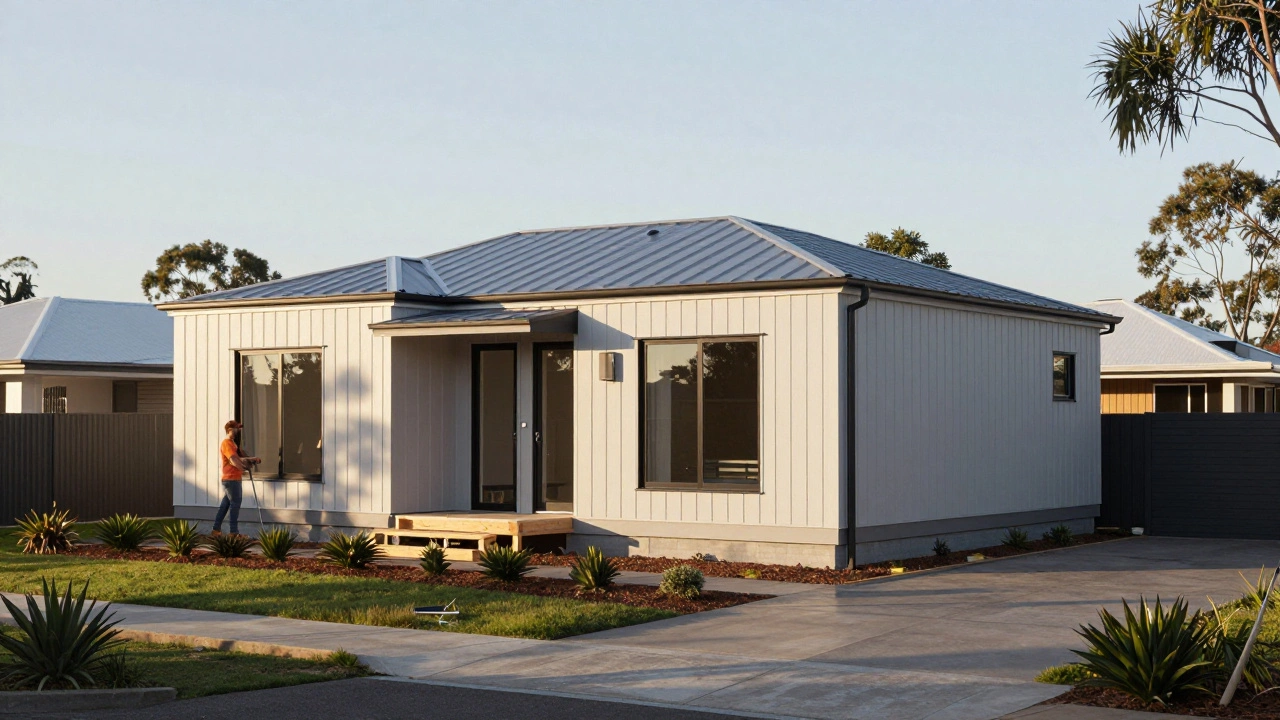
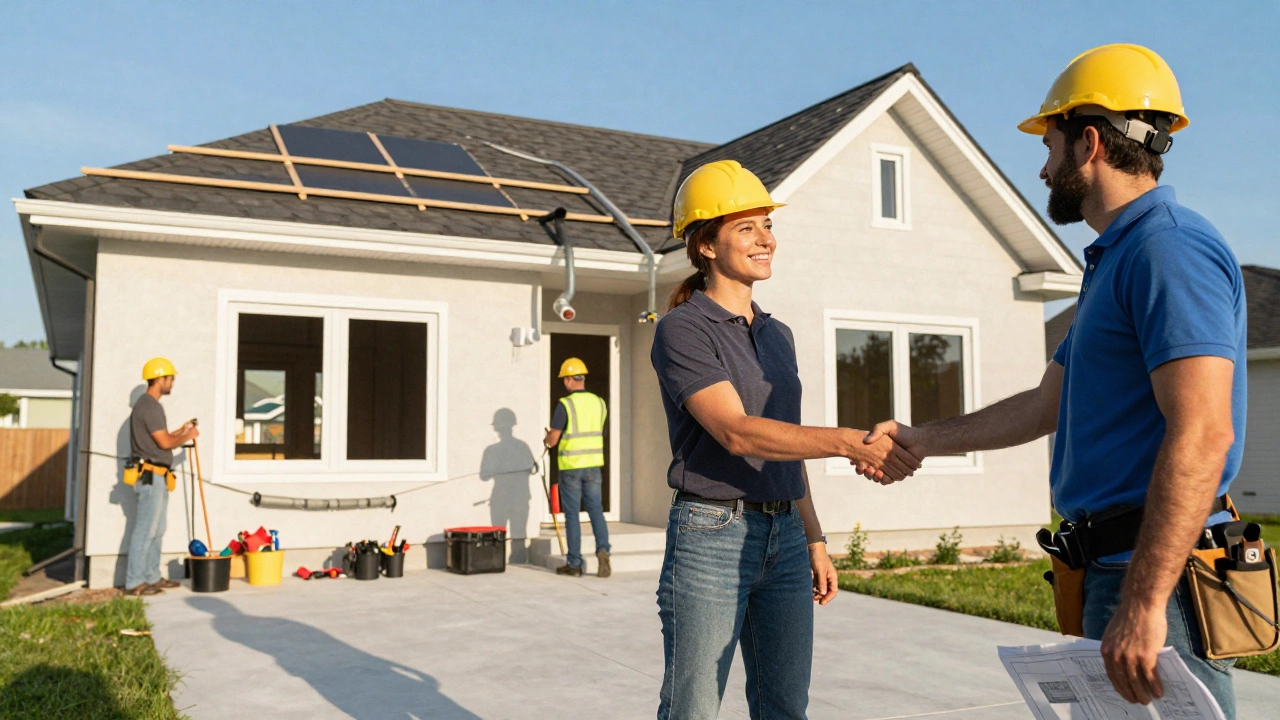
When you hear prefab homes, factory-built houses assembled on-site using pre-made sections. Also known as modular homes, they’re not the flimsy trailers of the past—they’re solid, custom-designed homes built to the same codes as stick-built houses, often with better quality control. More UK homeowners are choosing them because they cut construction time in half, reduce waste, and avoid weather delays. Unlike traditional builds that sit open to rain and dust for months, prefab homes are crafted in clean, controlled environments where every joint is checked, every wire is labeled, and every beam is measured precisely.
This shift isn’t just about speed—it’s about smart building. off-site construction, the process of building parts of a home in a factory before transporting them to the final location is now backed by real data: a 2023 UK housing report showed prefab builds generate up to 90% less waste than traditional methods. That’s not just good for the planet—it’s good for your budget. Less waste means fewer trips to the dump, lower disposal fees, and less material wasted on-site. And because these homes are built with precision, they often have tighter seals, better insulation, and fewer air leaks—making them more energy-efficient from day one.
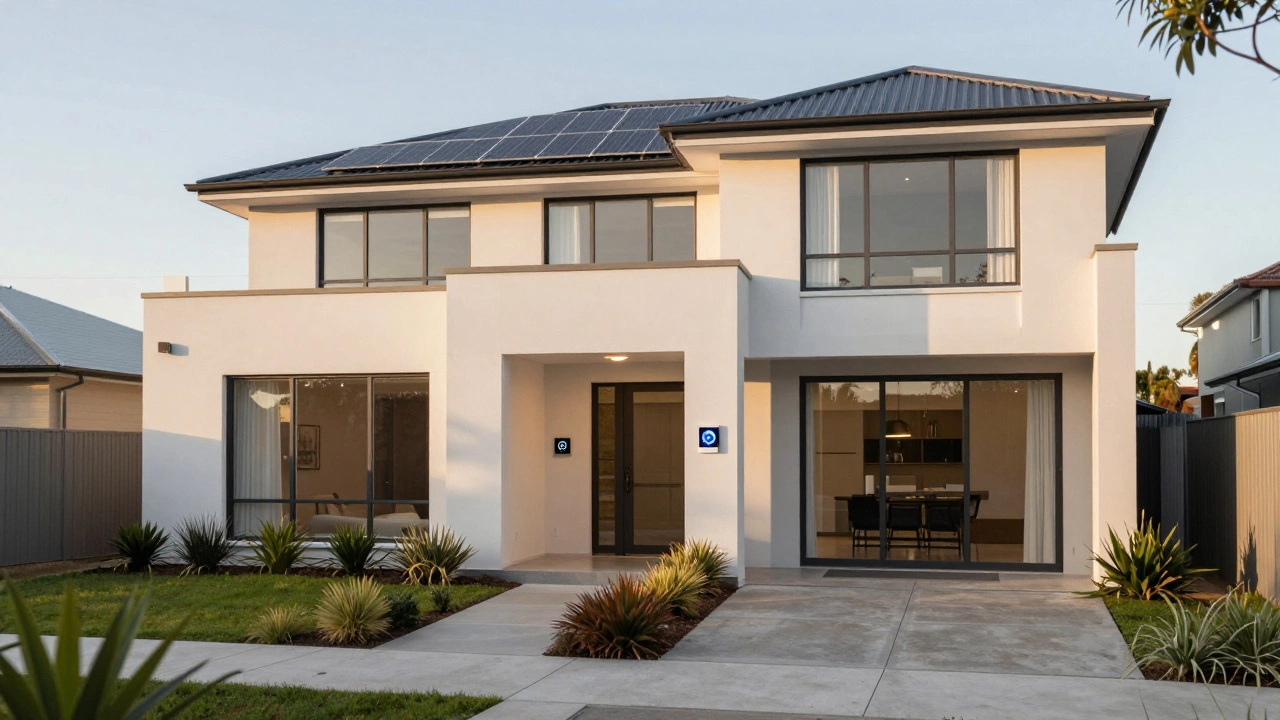
People assume prefab means limited design, but that’s outdated. Today’s prefab housing, a category of residential structures manufactured in sections for assembly on a foundation comes in all styles: modern cottages, two-story family homes, even luxury cabins with floor-to-ceiling windows. You pick the layout, the finishes, the roof pitch—just like a custom build, but with a fixed price and timeline. Many UK builders now offer full customization, from kitchen layouts to bathroom tiling, all done before the modules even leave the factory.
It’s no surprise that more people are asking: Can I really get a better home faster and cheaper? The answer is yes—if you know what to look for. The posts below cover real experiences: how to spot a quality prefab builder, what hidden costs to watch for, how they compare to extensions, and why some new builds still crack while prefab ones stay solid. You’ll also find practical advice on insulation, energy ratings, and how to plan your site for delivery and assembly. No fluff. Just what actually matters when you’re choosing a prefab home in the UK.