Natural Light Interiors: How Sunlight Transforms Your Space
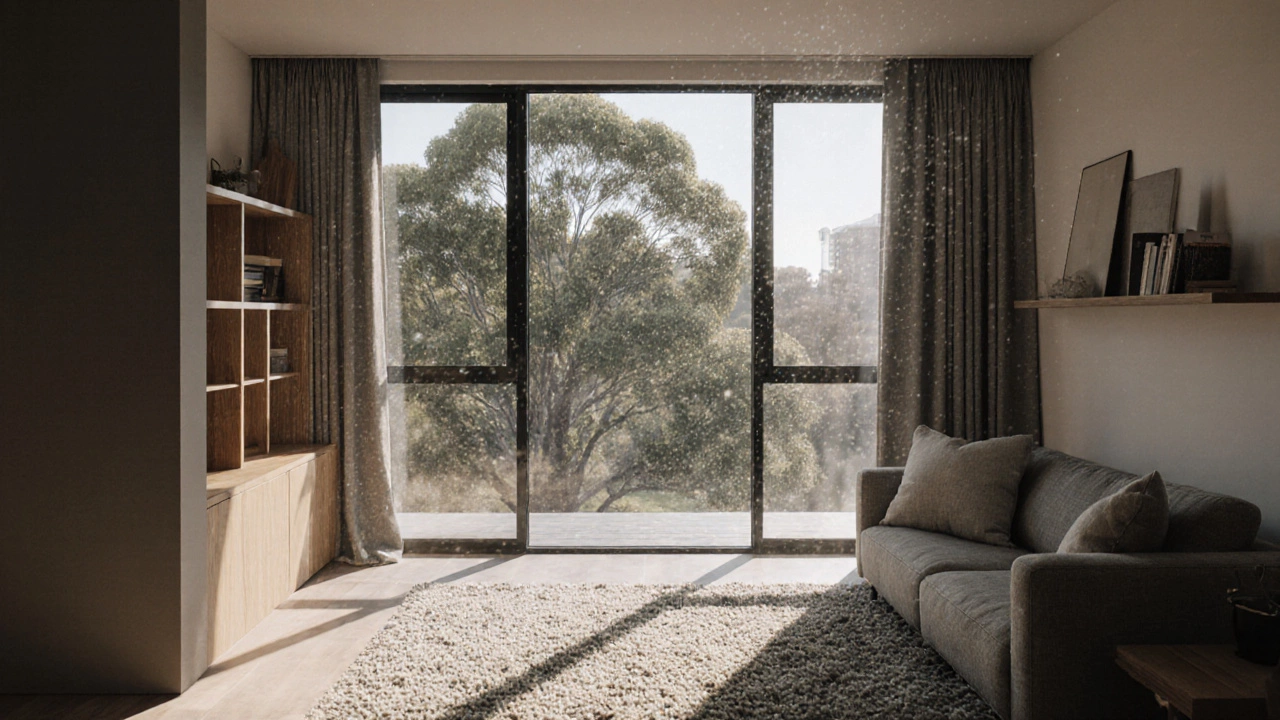
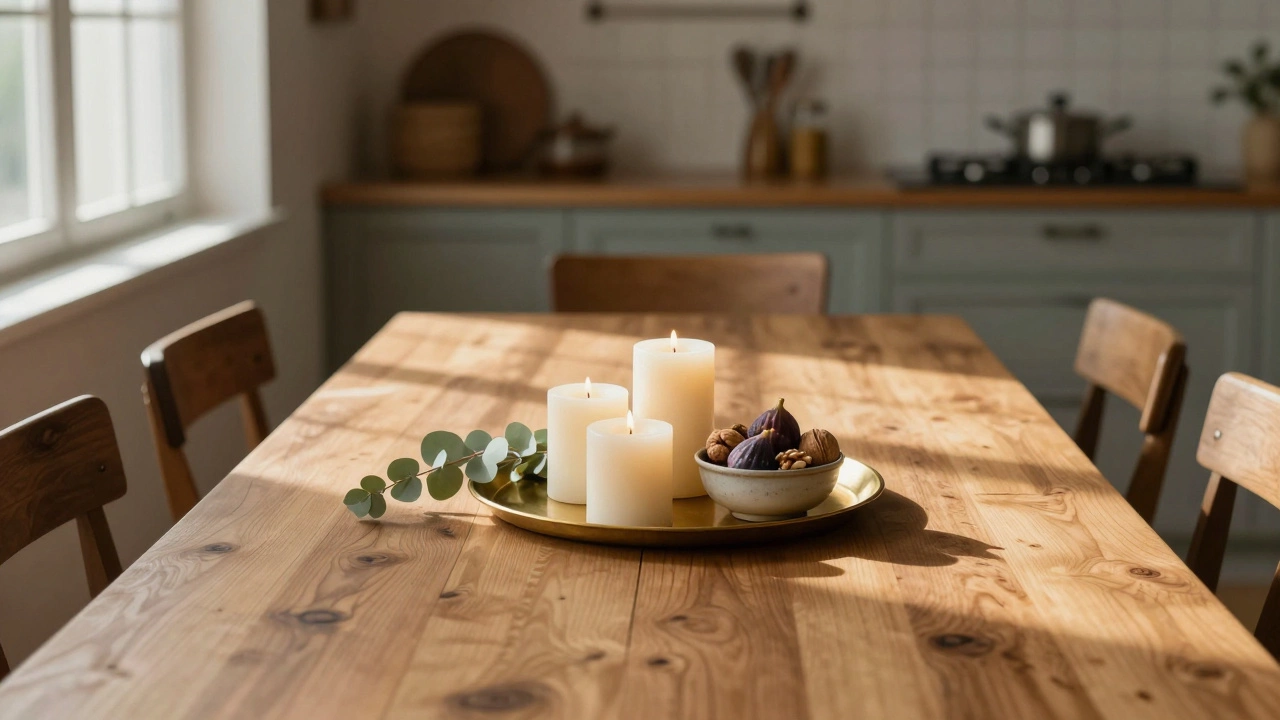
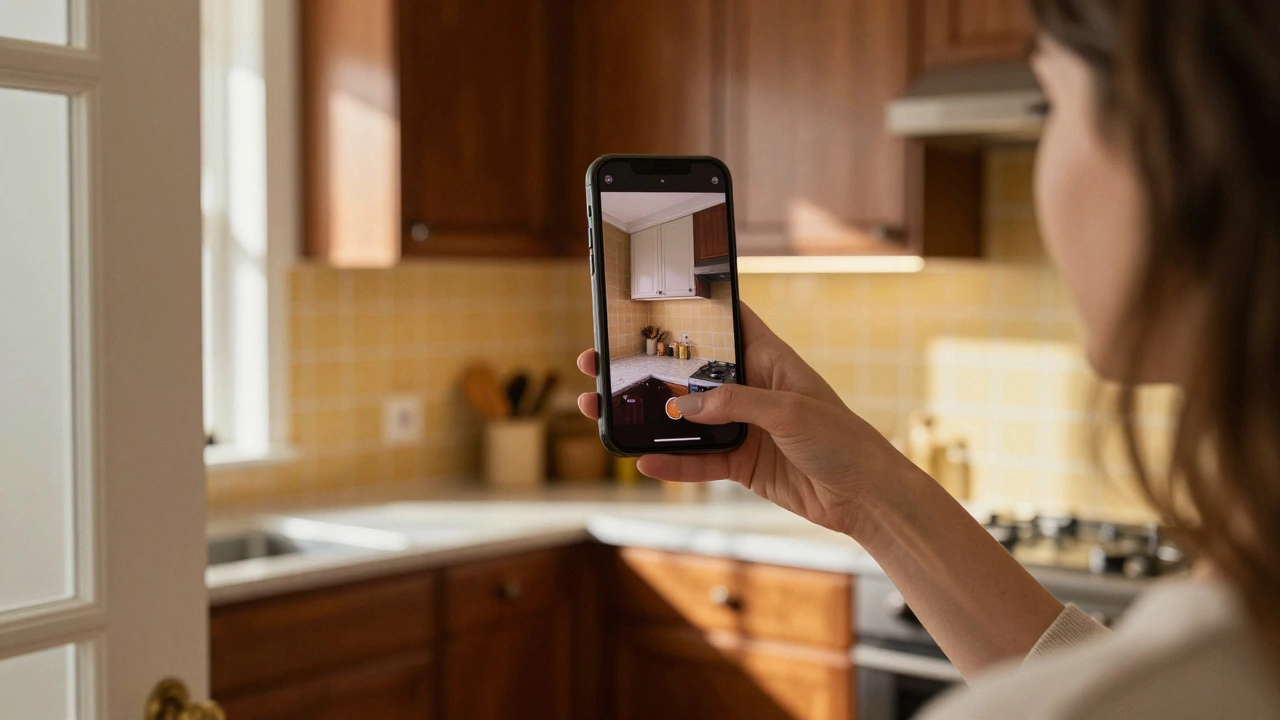
When we talk about natural light interiors, the intentional use of sunlight to shape how a room feels, functions, and flows. Also known as daylighting design, it’s not just about big windows—it’s about how light moves through space, interacts with surfaces, and affects your daily rhythm. Think about how a morning sunbeam hits your kitchen counter just right, or how a shadow shifts across your living room by afternoon. That’s not luck. That’s design.
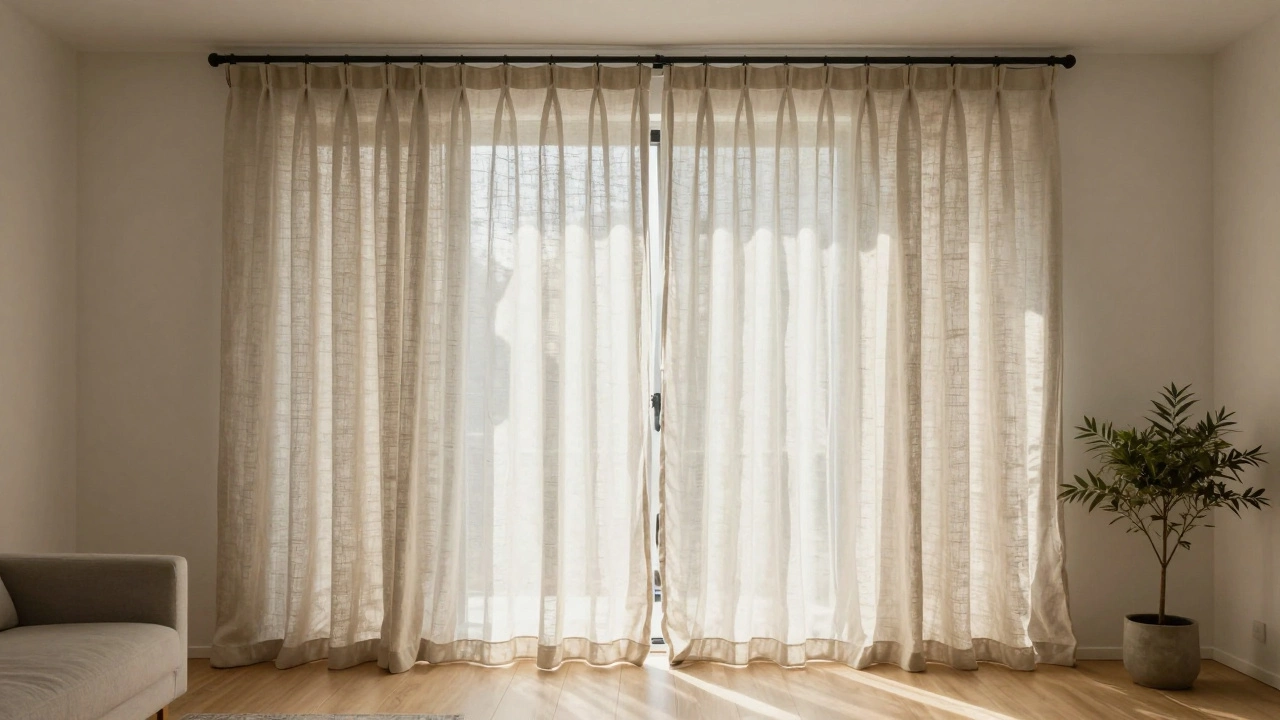
Good natural light interiors, the intentional use of sunlight to shape how a room feels, functions, and flows. Also known as daylighting design, it’s not just about big windows—it’s about how light moves through space, interacts with surfaces, and affects your daily rhythm. rely on three things: where the sun hits during the day, what surfaces bounce or absorb that light, and how furniture or walls block or guide it. A white wall reflects more than a dark one. A mirror across from a window doubles the light. A sheer curtain softens harsh midday glare without cutting it out. These aren’t tricks—they’re basic physics you can use to control your environment. And it’s not just about looks. Studies show people in naturally lit rooms sleep better, feel less stressed, and even work more efficiently. Your eyes don’t strain under soft daylight like they do under harsh LEDs.
It’s also about timing. A bedroom that gets early sun wakes you up gently. A home office that gets afternoon light helps you power through the slump. A living room that stays bright until sunset feels more alive. That’s why window placement matters more than size. A narrow window facing south in the northern hemisphere can flood a room with hours of steady light. A large north-facing window gives even, cool light all day—perfect for art studios or reading nooks. And don’t forget skylights. They’re not just for attics. A well-placed one in a hallway or bathroom can turn a dark corner into a bright spot without adding another wall.
People often think natural light means glass walls and open plans. But it’s also about what you *don’t* do. Heavy drapes, dark furniture, cluttered window sills—they all steal light. Even the wrong paint color can turn sunshine into a dull glow. That’s why the best natural light interiors combine smart architecture with simple choices: light-colored floors, reflective backsplashes, minimal window treatments, and furniture arranged to let light flow, not block it.
You’ll find posts here that show real examples—how to use curtains to control glare without losing brightness, why some rooms feel bigger with the right window layout, and how to fix a dark hallway without adding a window. There’s no magic formula, but there are proven moves. Whether you’re renovating a tiny flat or designing a new build, sunlight is your cheapest, most powerful design tool. Let’s see how others are using it.