Minimalist Windows: Clean Lines, Natural Light, and Smart Design
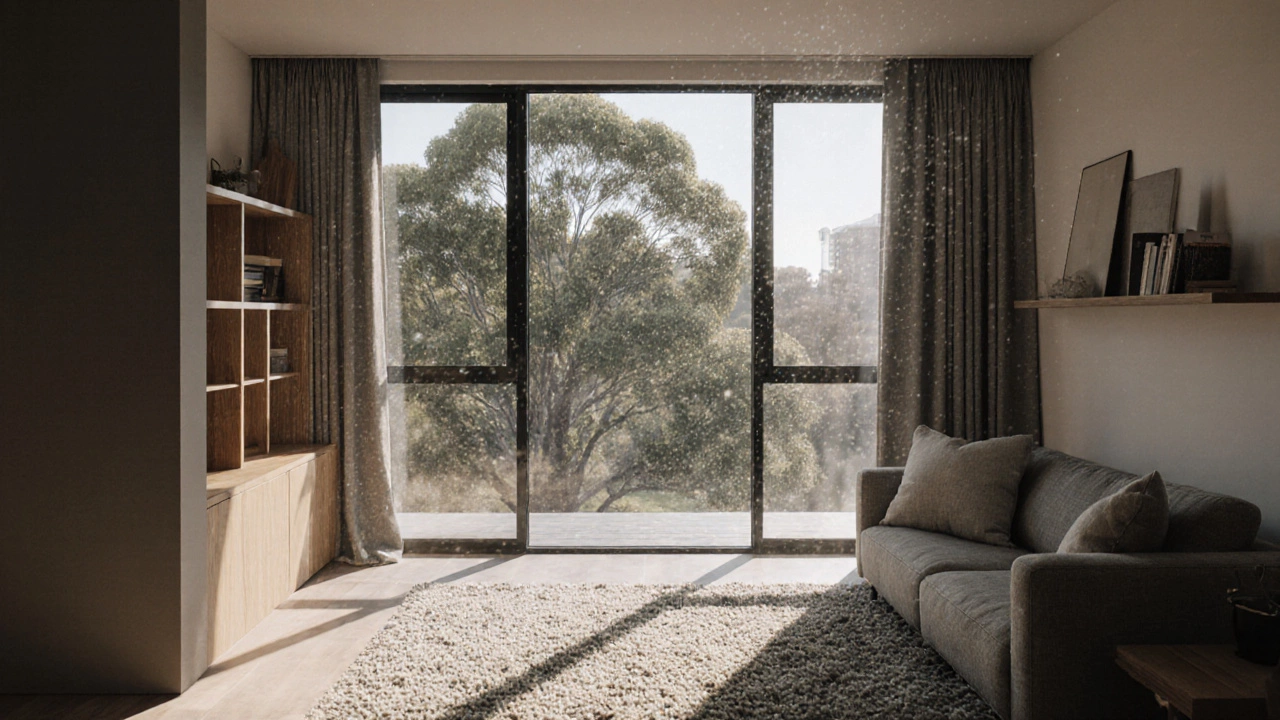
When you think of minimalist windows, windows designed with simplicity, clean frames, and maximum glass to blur the line between indoors and outdoors. Also known as frameless windows, they’re not just a style—they’re a way of bringing the outside in without clutter. These aren’t the old-school double-hungs with thick sills and heavy trim. Minimalist windows use thin aluminum or steel frames, often with hidden hardware, so the glass becomes the star. They let in more light, reduce visual noise, and make rooms feel bigger—even if the square footage hasn’t changed.
What makes them work isn’t just the glass. It’s how they connect to natural light, the unfiltered sunlight that changes throughout the day and affects mood, energy, and how colors appear indoors. A room with minimalist windows doesn’t need bright paint or lots of lamps. The light itself becomes the decoration. That’s why they pair so well with modern windows, high-performance glazing designed for energy efficiency, sound control, and seamless integration into contemporary homes. You’re not just buying glass—you’re buying comfort. Low-E coatings, argon gas fills, and thermal breaks mean you get the look without the draft or the bill.
People often assume minimalist means cold or sterile. But that’s not true. Think of a morning with sunlight pouring through a floor-to-ceiling window onto a wooden floor, or how a quiet evening looks with the last rays catching the edge of a steel frame. It’s calm. It’s intentional. It’s the kind of design that doesn’t shout but still leaves an impression. That’s why you’ll see them in everything from tiny urban apartments to open-plan homes in the countryside. They work whether you’re going for clean architecture, a design approach focused on simplicity, function, and removing unnecessary elements to create harmony. or a Japandi vibe. They’re the silent backbone of spaces that feel open, airy, and grounded.
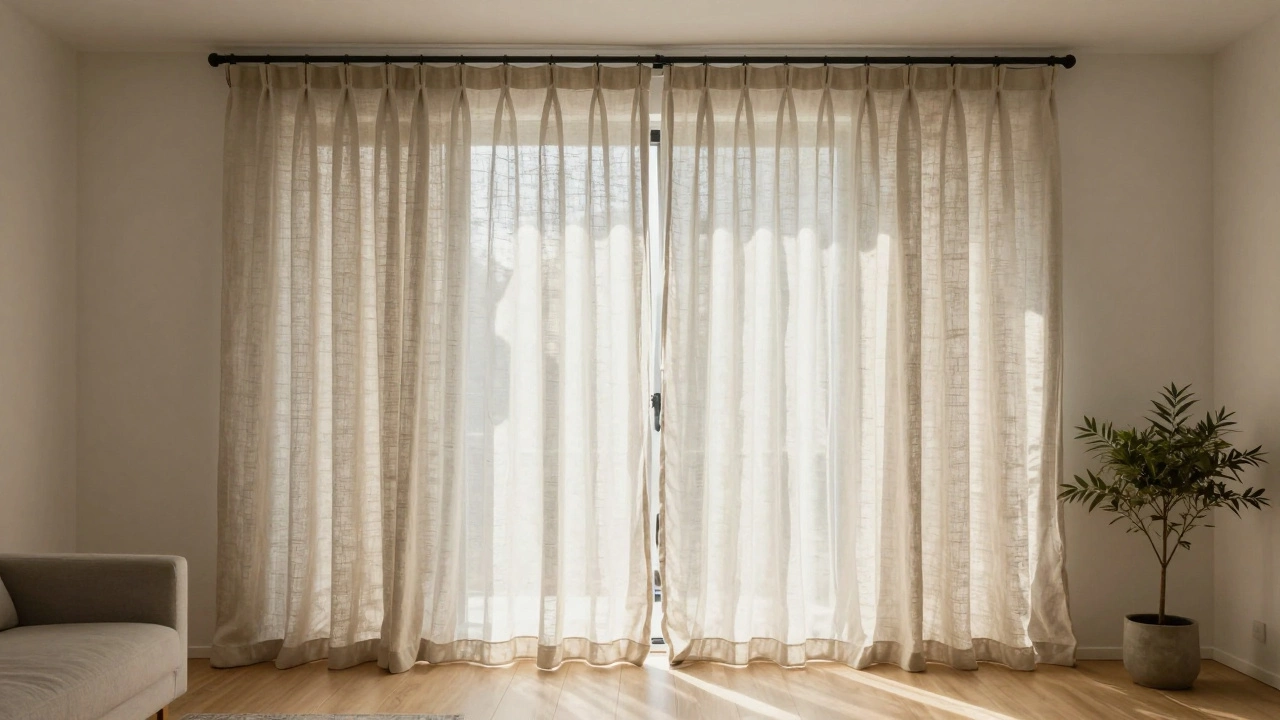
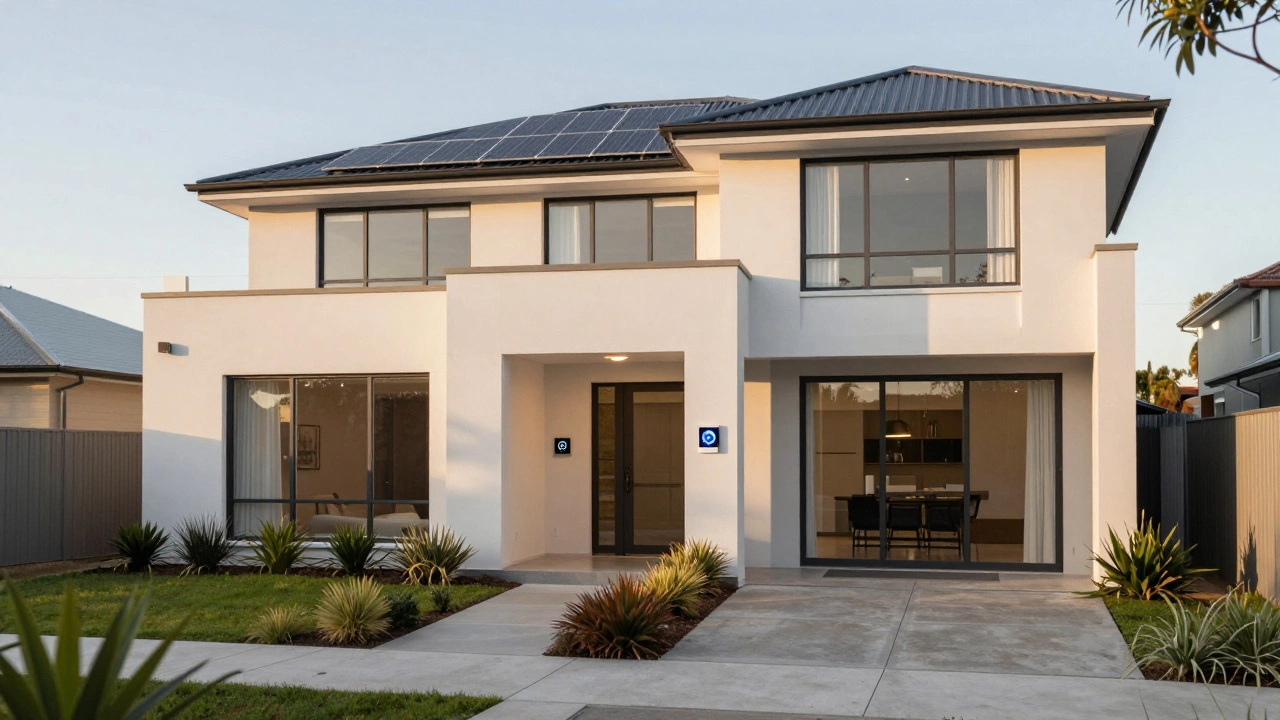
And they’re not just for new builds. Many homeowners are replacing old windows with minimalist versions to modernize their homes without a full renovation. The key is matching the frame thickness and glazing type to your home’s structure. Too thin a frame on an old wall? You risk thermal bridging. Too much glass without proper shading? Summer heat becomes a problem. It’s not just about picking the prettiest option—it’s about choosing the right one for your climate, orientation, and lifestyle.
What you’ll find in the posts below are real examples, practical tips, and honest takes on how minimalist windows fit into everyday homes. You’ll see how they’re used in kitchens, living rooms, and even bathrooms—not as a trend, but as a smart, lasting choice. Whether you’re planning a renovation or just curious about how light shapes space, these posts give you the facts without the fluff.