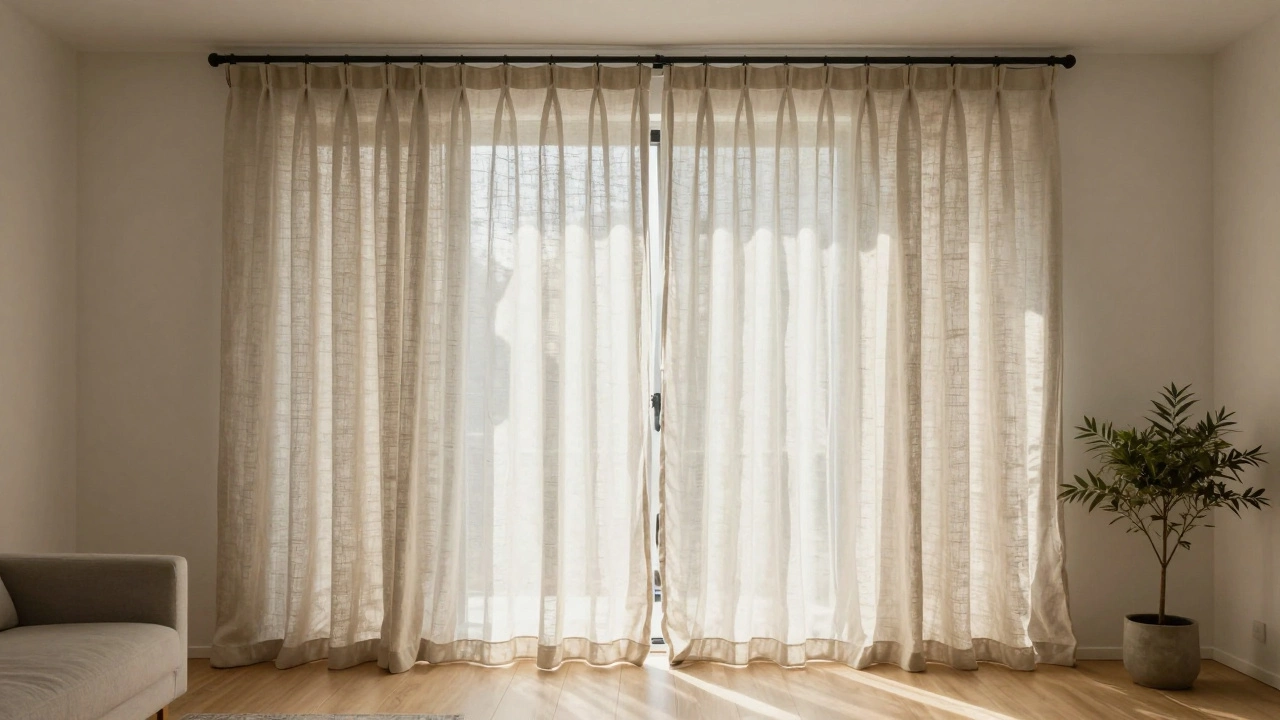
Kitchen Paint Colors: Best Choices and How They Change Your Space
When you think about kitchen paint colors, the specific hues used to coat kitchen walls to influence mood, light, and perceived space. Also known as kitchen color schemes, they’re not just about looks—they affect how you cook, eat, and even feel in the room every day. A wrong shade can make a small kitchen feel cramped. A smart one can turn a dull space into the heart of your home.
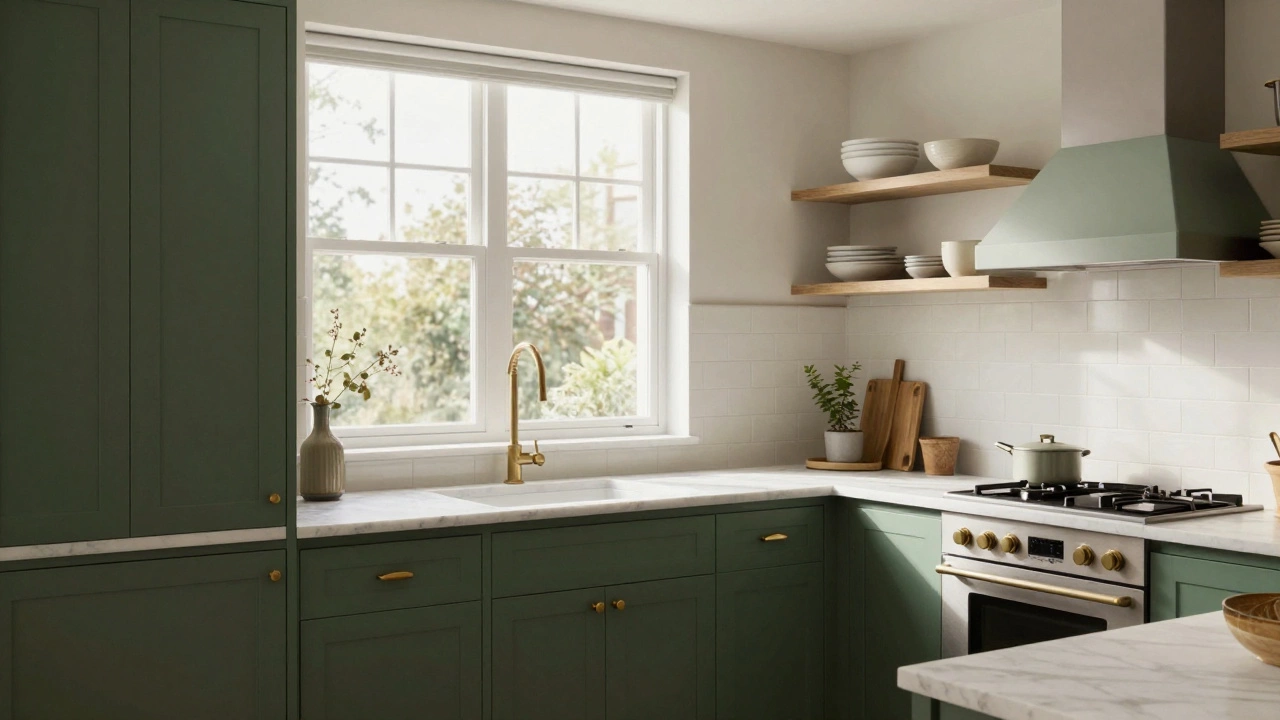
It’s not just about picking what’s trendy. kitchen design, the planning and styling of kitchen layouts, finishes, and visual elements to balance function and aesthetics depends heavily on how color interacts with lighting, cabinetry, and countertops. Cool grays and soft whites open up tight spaces, while deep greens and warm navies add depth and personality—especially when paired with brass or matte black hardware. And if you’ve ever walked into a kitchen that felt cold or lifeless? Nine times out of ten, it’s because the paint didn’t match the natural light or the existing materials.
interior paint, the type of paint used on indoor walls, chosen for durability, washability, and visual impact in the kitchen needs to handle steam, grease, and spills. That’s why most pros recommend satin or eggshell finishes—they’re easy to clean but still have a soft look, unlike glossy paints that show every fingerprint. You also need to think about how the color changes from morning to evening. A pale blue might look calming at noon but turn gray under artificial light. Test samples on all four walls and watch them over three days.
People often overlook how cabinet color affects paint choices. If you’ve got white cabinets, you’ve got freedom—you can go bold or subtle. But if your cabinets are dark wood, going with a light wall color creates balance. Too much dark everywhere? The room feels like a cave. Too much white? It looks sterile. The sweet spot is contrast without clash. Think of it like pairing jeans with a shirt—not matching, but working together.
And don’t forget the floor. A warm wood floor calls for a cooler wall color to ground it. A cool tile floor? A warm paint tone brings it back to life. These aren’t rules—they’re patterns real homeowners use to fix spaces that felt "off" without spending a dime on new cabinets or countertops.
What you’ll find below are real examples from actual kitchens—some small, some old, some newly built—where the right paint color made all the difference. You’ll see how one person turned a gloomy kitchen into a bright, welcoming spot with just a can of paint. You’ll see why others regretted going too trendy. And you’ll see the colors that keep coming up again and again because they just work.