Cabinet Color Trends: What’s In Style for Kitchens and Bathrooms in 2025
When it comes to cabinet color trends, the evolving choices in kitchen and bathroom cabinetry that reflect current design preferences and material innovations. Also known as cabinet paint trends, it’s no longer just about white or wood tones—homeowners are making bolder, smarter choices that blend personality with practicality. The shift isn’t random. It’s driven by real-life needs: people want spaces that feel calm but not boring, stylish but easy to clean, and unique without needing a full renovation.
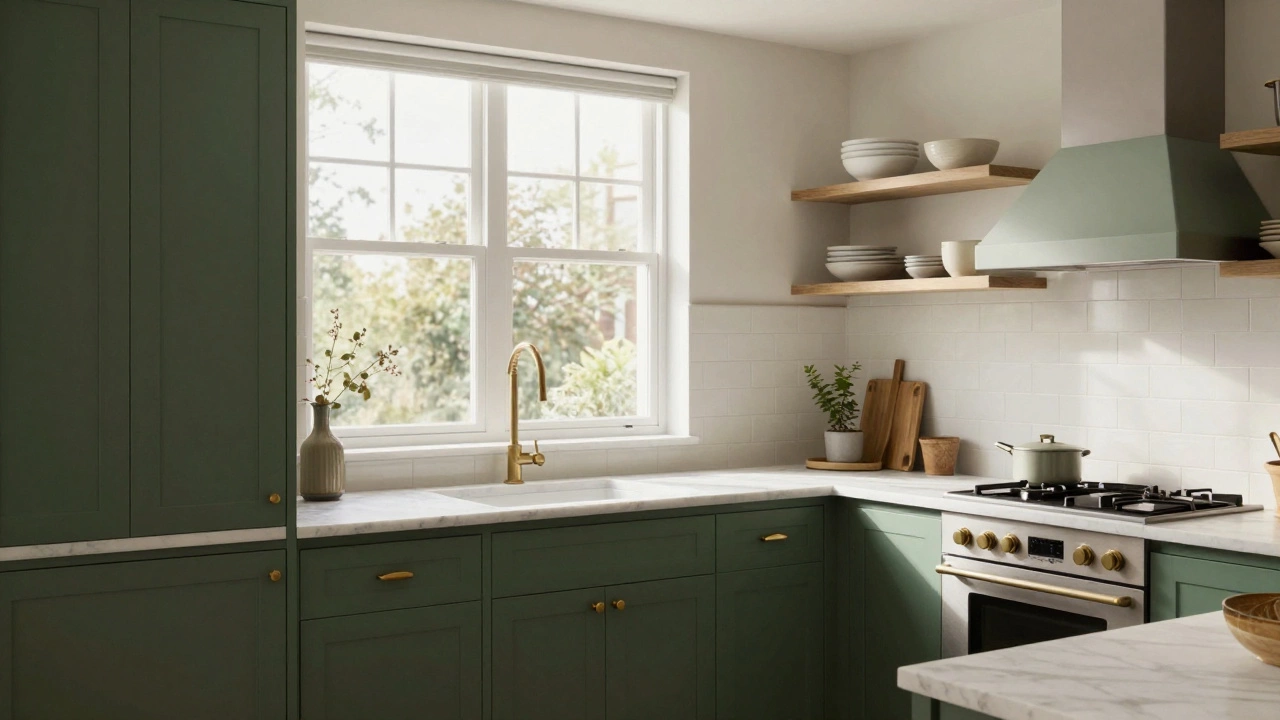
One major trend? muted greens and grays, soft, earthy tones that create a soothing backdrop without overwhelming the room. These shades work especially well in kitchens where natural light is key, and they pair beautifully with brass or matte black hardware. Then there’s deep navy, a rich, timeless option that adds depth and luxury without feeling dark or closed-in. It’s no longer just for living rooms—it’s showing up in bathrooms and even island cabinets as a statement piece. And if you’re wondering if white is dead, it’s not. But it’s evolving: warm whites with hints of beige or cream are replacing cold, sterile whites that looked more like hospital walls.
Finish matters just as much as color. Matte and satin paints are beating out glossy finishes because they hide fingerprints, scratches, and water spots better. People are also mixing two colors—like navy lower cabinets with light oak uppers—creating visual interest without needing new countertops or flooring. You don’t need to repaint everything to refresh your space. A single cabinet wall, an island, or even the inside of open shelving can make a big difference.
What you’ll find below are real examples from actual homes: how one family used sage green to turn their tiny kitchen into a cozy retreat, why a homeowner in Manchester switched from gray to charcoal after their first paint job faded, and how a bathroom renovation with two-tone cabinets added 12% to the home’s resale value. These aren’t theory-driven ideas—they’re tested, lived-in choices that worked for real people with real budgets and real daily routines.