Dressing Table Light & Placement Analyzer
Evaluate Your Setup
There is nothing worse than spending twenty minutes perfecting your makeup only to step outside and realize you look like a ghost. Or worse, you applied too much bronzer because the indoor lighting was misleading. If you are arranging your bedroom, one of the first questions that pops up is whether your dressing table should face the window. The short answer is yes, but with some serious caveats. Natural light is the gold standard for grooming, but direct sunlight can ruin your products and fade your skin over time.
You want a setup that gives you clarity without the glare. This guide breaks down why window placement matters, how to position your mirror for the best results, and what to do if your room doesn't have an ideal layout. We will also look at practical solutions for heat management and privacy concerns.
The Case for Natural Light in Grooming
When it comes to applying makeup or styling hair, artificial lighting often lies to you. Most home bulbs emit a yellowish or bluish tint depending on their color temperature. Warm white LEDs might make your skin look flawless indoors, but under daylight, those same tones can appear orange or sallow. Conversely, cool blue lights can wash out your complexion, making you look tired when you aren't.
Natural daylight provides a full spectrum of light. It reveals true colors and textures. If you place your vanity near a window, you get a free, high-quality light source that changes slightly throughout the day but remains consistent in its honesty. This is why professional makeup artists always insist on working near north-facing windows (in the Northern Hemisphere) or south-facing ones (in the Southern Hemisphere). These orientations provide soft, diffused light that minimizes harsh shadows.
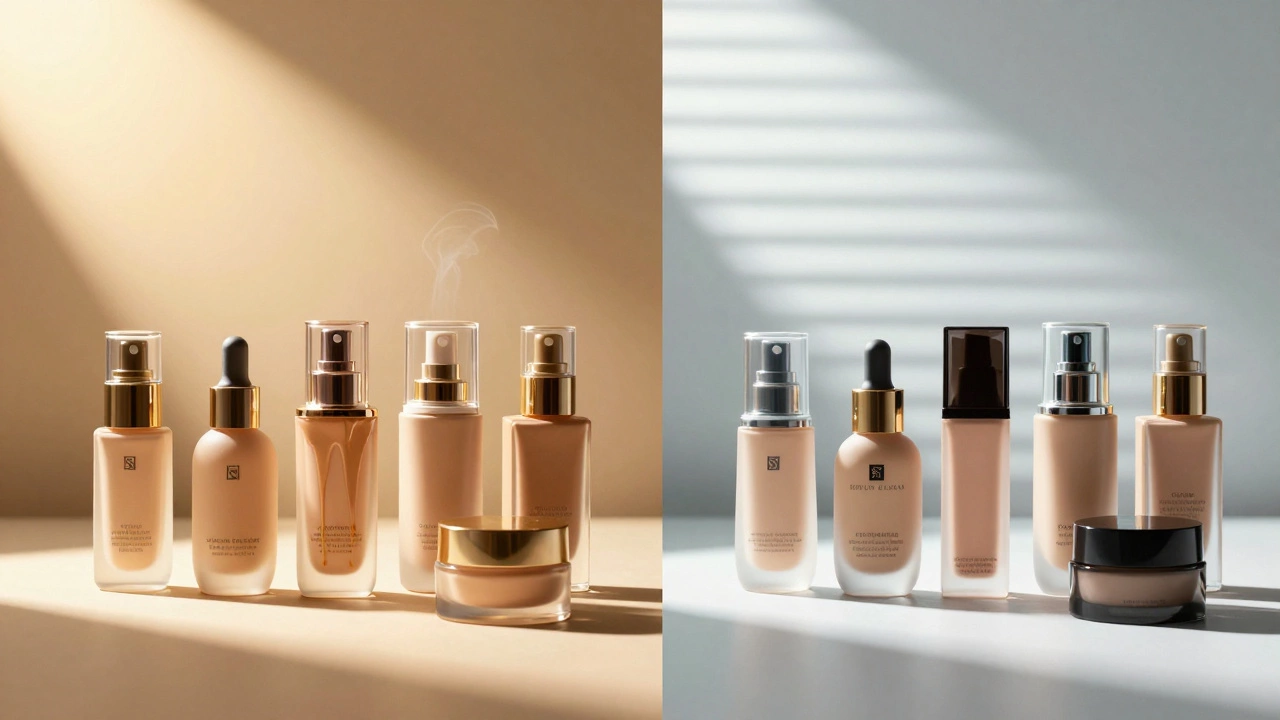
Consider this: if you apply foundation based on warm ceiling lights, you might end up wearing a shade that is too dark for daytime. By facing your dressing table toward a window, you align your routine with the environment where you will actually be seen. It reduces the guesswork and helps you build a more accurate collection of cosmetics.
Direct Sunlight vs. Diffused Light: A Critical Distinction
While facing the window is generally good, facing it *directly* into the blazing sun is problematic. There is a big difference between having the window as your backdrop and staring directly into the midday sun through the glass. Direct sunlight creates intense glare on mirrors, making it impossible to see your reflection clearly. You will find yourself squinting, which strains your eyes and leads to poor application precision.
Beyond visibility, direct UV rays are damaging. They don't just hurt your skin; they degrade your expensive skincare and makeup products. Ingredients like retinol, vitamin C, and certain oils break down when exposed to prolonged UV exposure. Your serums lose potency, and foundations change consistency. If your dressing table sits in a sunbeam for four hours a day, you are essentially throwing money away by letting your products spoil faster.
Heat is another factor. In places like Melbourne, Australia, summer afternoons can get surprisingly hot. A dressing table positioned directly in a path of sunlight can become uncomfortably warm. Not only does this affect your comfort while sitting there, but it can also cause wax-based products like lipsticks and concealers to melt or separate. The goal is to capture the light, not the heat.
Ideal Orientation: Which Way Should the Window Face?
Not all windows are created equal. The direction your window faces determines the quality of light you receive. Understanding this helps you decide if your current spot is viable or if you need to move things around.
| Direction | Light Quality | Best For | Potential Issues |
|---|---|---|---|
| North (Southern Hemisphere) | Soft, consistent, indirect | Makeup application, detailed work | Can be dim in winter mornings |
| South (Southern Hemisphere) | Bright, strong, directional | Morning routines | Harsh glare, UV damage risk |
| East | Warm, rising intensity | Quick morning checks | Light fades quickly by noon |
| West | Strong, setting intensity | Evening prep | Extreme heat, harsh afternoon glare |
If you live in the Southern Hemisphere, like in Australia, a north-facing window is your best friend. It offers steady light without the aggressive angle of the sun. An east-facing window works well if you are a morning person, providing gentle light as you wake up. West-facing windows are tricky because the late afternoon sun is low and intense, creating long shadows and significant heat buildup. South-facing windows can be too bright and harsh, requiring heavy diffusion.
Positioning the Mirror and Desk for Optimal Results
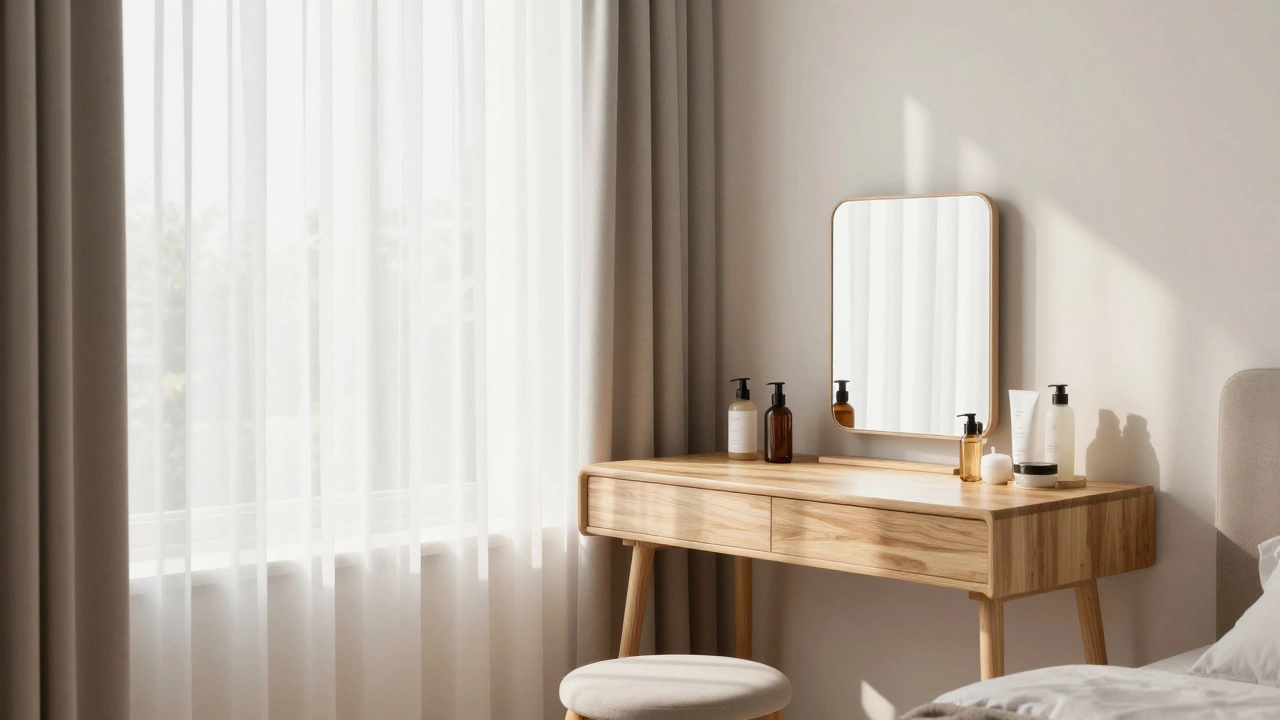
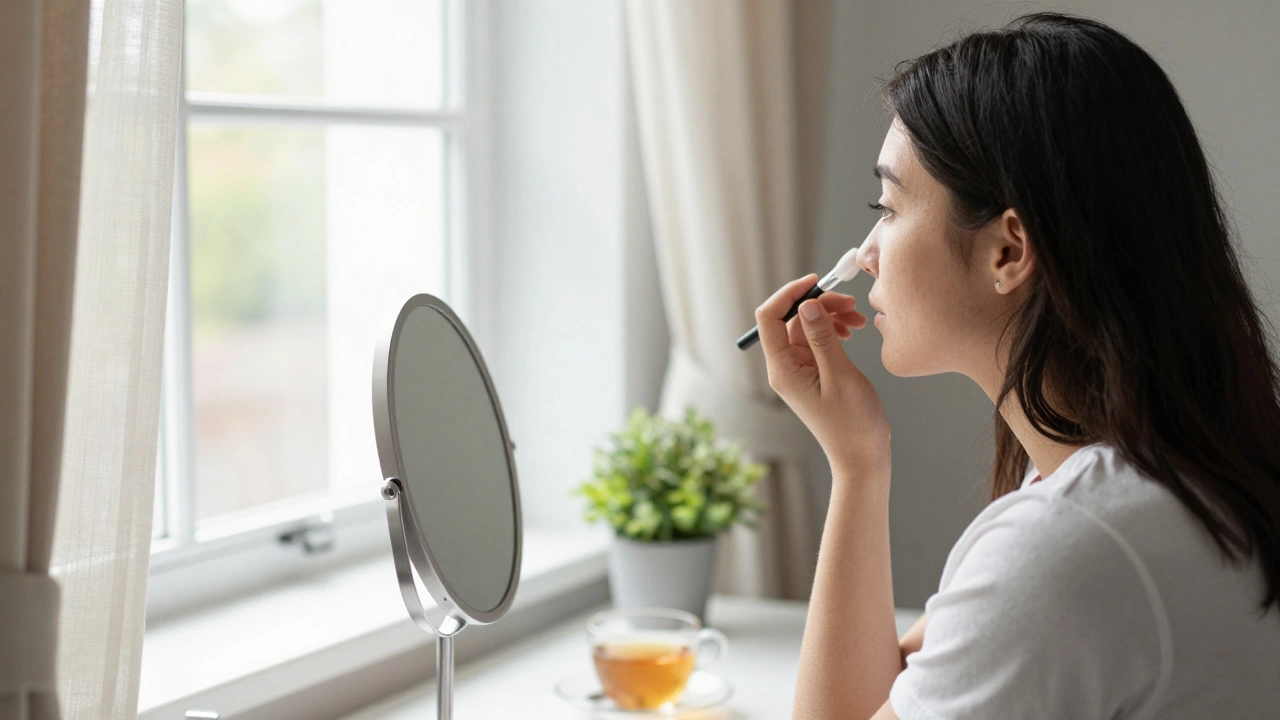
Simply putting the desk in front of the window isn't enough. You need to think about the geometry of light. The ideal setup involves the light source hitting your face evenly. If the window is directly behind you, your face will be in shadow. If it is directly in front of you, you might deal with glare. The sweet spot is often having the window to your side or slightly angled in front of you.
However, many people prefer the window directly in front because it feels open and airy. If you choose this route, ensure you have a way to control the light. Sheer curtains are excellent for this purpose. They soften the incoming light, turning harsh beams into a flattering glow. Blackout blinds are useful for total darkness during sleep but less helpful for daytime grooming unless you use them partially.
Another consideration is the height of the window. If the window sill is high, you might get better overhead light, which can cast unflattering shadows under your eyes and nose. Lower windows allow light to hit your face more directly. If your window is small, consider adding supplemental lighting. LED strip lights around the mirror frame can fill in gaps when the natural light dips, such as on cloudy days or in the evening.
Solving Common Layout Problems
What if your bedroom doesn't have a suitable window? Or what if the only available wall is shared with a neighbor's bathroom? You still have options. Many modern dressing tables come with integrated lighting. Look for models with bulbs that have a Color Rendering Index (CRI) of 90 or higher. This metric indicates how accurately the light shows colors compared to natural sunlight. A high CRI bulb mimics the benefits of a window even in a windowless corner.
If privacy is a concern, frosted glass films can be applied to the lower half of the window. This allows light to pass through while blocking the view from outside. This is particularly useful if your bedroom is on the ground floor or close to neighboring properties. You maintain the benefit of natural light without feeling exposed while getting ready.
For rooms with limited space, a wall-mounted vanity can save floor space. Positioning it perpendicular to the window allows you to rotate your chair slightly to catch the light from different angles. This flexibility is valuable in smaller apartments where every square meter counts. You can adjust your position based on the time of day and the sun's movement.
Maintaining Your Setup: Practical Tips
Once you have found the perfect spot, maintenance becomes key. Dust accumulates quickly on surfaces near windows due to air currents. Keep a microfiber cloth handy to wipe down your mirror and desk regularly. Smudges on the mirror distort your reflection, leading to mistakes in your grooming routine.
Rotate your skincare products. Even with curtains, some UV light penetrates. Store sensitive items in opaque containers or keep them in a drawer when not in use. Check expiration dates more frequently for products kept near windows. If you notice changes in texture or smell, discard them immediately. Your skin deserves fresh, effective ingredients.
Finally, test your setup at different times of the day. Spend a week observing how the light changes. Note when the glare hits your mirror and when the room gets too dim. Adjust your curtain settings or add task lighting accordingly. A flexible approach ensures your dressing table remains functional year-round, regardless of seasonal shifts in daylight hours.
Is it bad to have a dressing table directly in front of a window?
It depends on the intensity of the light. Direct, harsh sunlight can cause glare on the mirror, making it hard to see, and can damage your skin and products due to UV exposure. However, if you use sheer curtains to diffuse the light, having the window in front of you provides excellent, natural illumination for makeup application. The key is controlling the brightness, not avoiding the window entirely.
Which direction should my dressing table face for the best light?
In the Southern Hemisphere, a north-facing window is ideal because it provides soft, consistent light without harsh shadows. East-facing windows are good for morning routines, offering gentle rising light. Avoid west-facing windows if possible, as the late afternoon sun is often too strong and hot. South-facing windows can be used but may require heavy diffusion to prevent glare.
How do I protect my makeup from sunlight damage?
Store sensitive products like serums, vitamins, and retinoids in opaque containers or inside drawers when not in use. Use curtains or blinds to block direct UV rays during peak sunlight hours. Rotate your products regularly and check for changes in smell or texture, which indicate degradation. Keeping your dressing table away from the direct path of the sun beam is the most effective prevention method.
What if my bedroom has no windows?
If you lack natural light, invest in a dressing table with built-in LED lighting. Look for lights with a high Color Rendering Index (CRI) of 90+ to mimic natural daylight. Place the vanity in a central location where ambient room light can supplement the task lighting. Consider using cool-white bulbs (around 5000K) for daytime accuracy and warmer bulbs for evening relaxation.
Should I put a mirror facing the window?
Yes, positioning the mirror so it reflects the window light onto your face is beneficial. However, avoid placing the mirror directly opposite a bright window without diffusion, as this can create blinding glare. Instead, angle the mirror slightly or use sheer curtains to soften the reflection. The goal is to bounce soft, even light onto your features, not to stare into a bright spotlight.