Melbourne Loft Conversion ROI Calculator
Project Details
That dusty, cramped space under your roof isn't just a storage closet for old Christmas decorations. In Melbourne's competitive housing market, it’s potentially the most valuable square footage you own without buying more land. But before you hire an architect and start dreaming of a new master suite or a home office with skylights, you need to answer one brutal question: is it actually worth converting your loft?
The short answer is yes, but only if you navigate the specific structural quirks of Australian homes, understand the local council regulations, and avoid the common cost traps that turn a smart investment into a financial black hole. A poorly planned conversion can eat up its entire value gain in interest and stress. A well-executed one can boost your property value by 10% to 20%, giving you functional living space without moving house.
The Financial Reality: Cost vs. Return on Investment
Let’s talk money first, because that’s usually why we’re here. In Melbourne, the cost of a loft conversion varies wildly depending on what you already have under those tiles. If your roof structure is sound and you just need flooring, insulation, and a ladder, you might spend between $30,000 and $50,000. However, if you need to raise the roofline, install dormer windows, or reinforce the floor joists-which is common in older Victorian or Edwardian homes-the price tag easily jumps to $80,000 or more.
Here is the critical metric: the return on investment (ROI). According to recent data from the CoreLogic property group, adding a bedroom via a loft conversion can increase a home’s value by approximately 6% to 10%. If your home is worth $900,000, a $60,000 conversion could theoretically add $54,000 to $90,000 in equity. That sounds great, until you factor in the opportunity cost. You could buy a larger house further out for that same difference. So, the "worth" depends less on pure profit and more on lifestyle necessity. Are you staying put because of school zones, community ties, or location convenience? If so, creating that extra room at home is often cheaper than relocating.
| Type of Conversion | Average Cost Range (AUD) | Complexity Level | Best For |
|---|---|---|---|
| Loft Ladder Only | $15,000 - $25,000 | Low | Storage or occasional guest use |
| Dormer Window Addition | $40,000 - $60,000 | Medium | Creating headroom for a bedroom |
| Mansard Conversion | $70,000 - $100,000+ | High | Maximum space utilization |
| Roof Lift | $90,000 - $150,000+ | Very High | Significant height increase needed |
Structural Integrity: Can Your House Handle It?
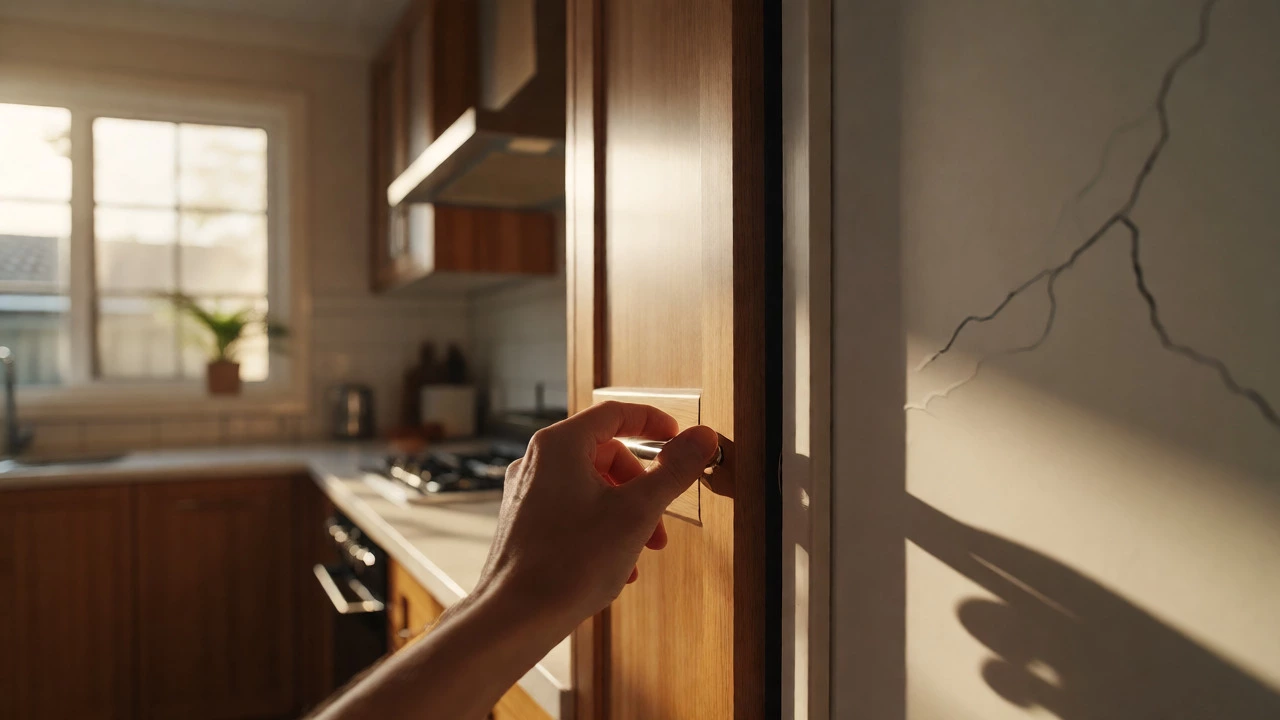
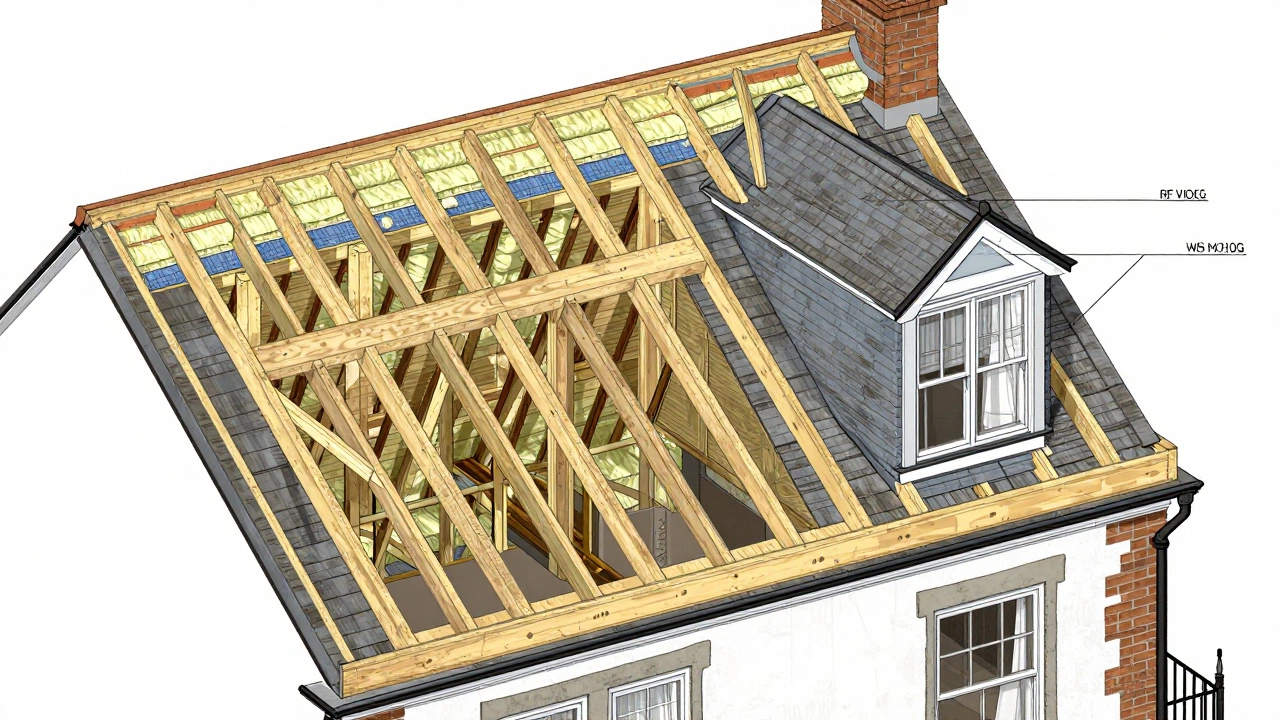
You cannot simply pave over your ceiling and call it a day. The existing structure of your home dictates whether a conversion is feasible. Many older homes in Melbourne were built with timber framing that wasn't designed to support live loads-people walking around, furniture, beds. A structural engineer needs to assess the floor joists. If they are too thin or spaced too far apart, you’ll need to sister them (add new beams alongside) or replace them entirely. This is expensive labor, but skipping it is dangerous.
Then there is the issue of headroom. Building codes generally require a minimum ceiling height of 2.4 meters for habitable rooms. Most standard roofs don’t provide this across the entire span. This is where dormer windows come in. By extending the vertical wall outward, you create usable floor space. Without sufficient headroom, your "new room" will feel like a crawl space, which kills both comfort and resale value. Check your eaves; if they slope sharply within two meters of the center ridge, you might be fighting a losing battle without major structural changes.
Navigating Melbourne Council Regulations
This is where most homeowners get stuck. In Victoria, you cannot just build whatever you want. You need to check with your local council regarding planning permits and building permits. While some minor works might fall under "Self-Assessable" rules, most loft conversions involving external changes (like dormers or roof lifts) require a planning permit.
Councils care about three main things: overshadowing neighbors, visual bulk, and heritage overlays. If you live in a heritage-listed area-common in suburbs like Fitzroy, Collingwood, or St Kilda-you face strict guidelines. You may not be able to alter the roofline at all. In these cases, internal-only conversions are possible but limited by natural light requirements. Always engage a private certifier or architect early. They know the specific nuances of your municipality, such as Yarra City Council versus Maribyrnong City Council, and can save you from costly rejections later.
Energy Efficiency and Insulation Challenges
Your attic is currently unconditioned space. In summer, it acts like an oven, baking your living areas below. In winter, it loses heat rapidly. Converting it means integrating it into your home’s thermal envelope. This requires high-quality insulation. R-values of 4.0 or higher are recommended for ceilings in our climate zone. You also need to consider ventilation. Trapped moisture leads to mold, which is a health hazard and a nightmare to fix. Installing proper ridge vents and ensuring air circulation behind the insulation is non-negotiable.
Furthermore, think about heating and cooling. Extending your ducted reverse-cycle system to the new space is ideal but can be pricey if the ductwork needs rerouting. Alternatively, a dedicated split-system unit works well but adds to the electricity bill. Factor in these ongoing running costs when calculating the "worth" of the project. An energy-efficient design pays for itself over time through lower utility bills.
Lifestyle Benefits Beyond Property Value
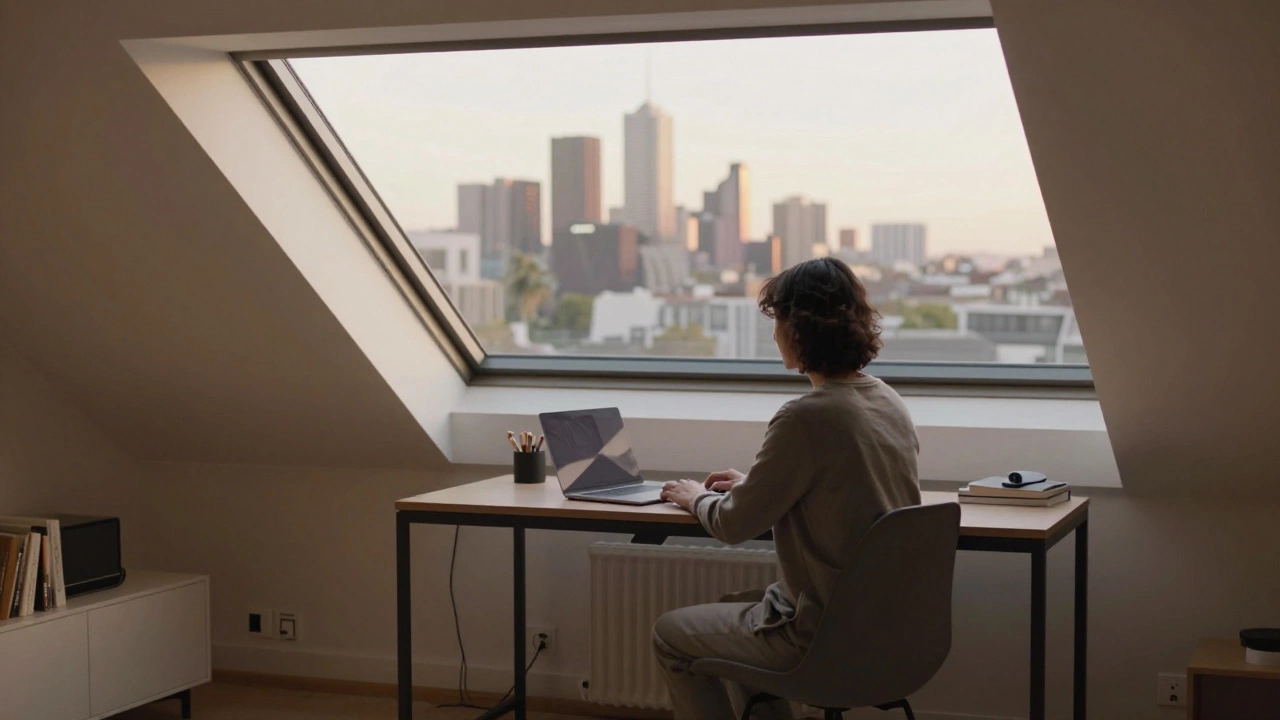
Money isn't the only reason people convert lofts. The lifestyle upgrade is significant. Need a quiet home office away from the family chaos downstairs? A loft is perfect. Want a teenager their own space without downsizing the whole house? A loft bedroom solves that. Creating a study nook with a skylight provides natural light that boosts productivity and mood. These intangible benefits improve daily quality of life, which has real economic value in terms of reduced stress and improved work-life balance.
Also, consider the alternative. Renting a separate studio apartment for an office or guest room in Melbourne costs thousands per year. Buying a larger house involves stamp duty, legal fees, and moving costs totaling tens of thousands. A loft conversion is often the most capital-efficient way to gain functional space if your current footprint suits your location preferences.
Common Pitfalls to Avoid
Many projects go off the rails due to poor planning. Here are the biggest mistakes:
- Underestimating Access: A pull-down ladder is fine for storage, but terrible for a bedroom. You need a proper staircase, which consumes significant floor space below. Plan the stairwell location carefully to minimize impact on the room underneath.
- Ignoring Noise: Footsteps on a wooden floor above can be loud. Invest in acoustic underlay and resilient channel systems to dampen sound transmission to the rooms below.
- Skipping the Engineer: Never skip the structural assessment. What looks like solid wood might be termite-damaged or undersized. Professional verification prevents catastrophic failures.
- Over-Improving: Don’t spend $150,000 on a loft conversion in a neighborhood where comparable homes sell for $600,000. You won’t recoup the cost. Keep spending proportional to the local market median.
Conclusion: Is It Right for You?
Converting your loft is worth it if you plan to stay in your home for five years or more, need additional functional space, and have the budget for a structurally sound, compliant build. It is not worth it if you are looking for a quick flip, live in a strictly heritage-controlled zone with no flexibility, or have a roof structure that requires complete replacement. Do your homework, get professional advice, and ensure the project aligns with your long-term housing strategy.
Do I need a building permit for a loft conversion in Melbourne?
Yes, almost always. Even if you don't need a planning permit from the council for external changes, you still need a building permit to ensure structural integrity, fire safety, and compliance with the National Construction Code (NCC). Internal structural changes, electrical work, and plumbing all require certification.
How much does a loft conversion add to my home's value?
Typically, a well-executed loft conversion that adds a bedroom or bathroom can increase property value by 6% to 10%. However, this depends heavily on the local suburb, the quality of the build, and whether the addition matches the style of the rest of the home.
Can I convert my loft if my house is heritage listed?
It is challenging but possible. Heritage overlays restrict external alterations, so you likely cannot add dormer windows or change the roofline. You would be limited to internal modifications, which must maintain adequate headroom and natural light without altering the exterior appearance. Consult your local council's heritage officer first.
What is the minimum ceiling height for a loft bedroom?
According to Australian building standards, at least 50% of the floor area of a habitable room must have a ceiling height of 2.4 meters. The remaining 50% can be lower, but no part should be less than 2.1 meters. This ensures the space feels usable and comfortable.
Is it better to build upwards (loft) or outwards (extension)?
Building upwards is often cheaper per square meter if the existing structure supports it, as you don't lose garden space or deal with foundation excavation. However, extensions offer easier access and simpler structural integration. Choose based on your site constraints, budget, and desired layout.