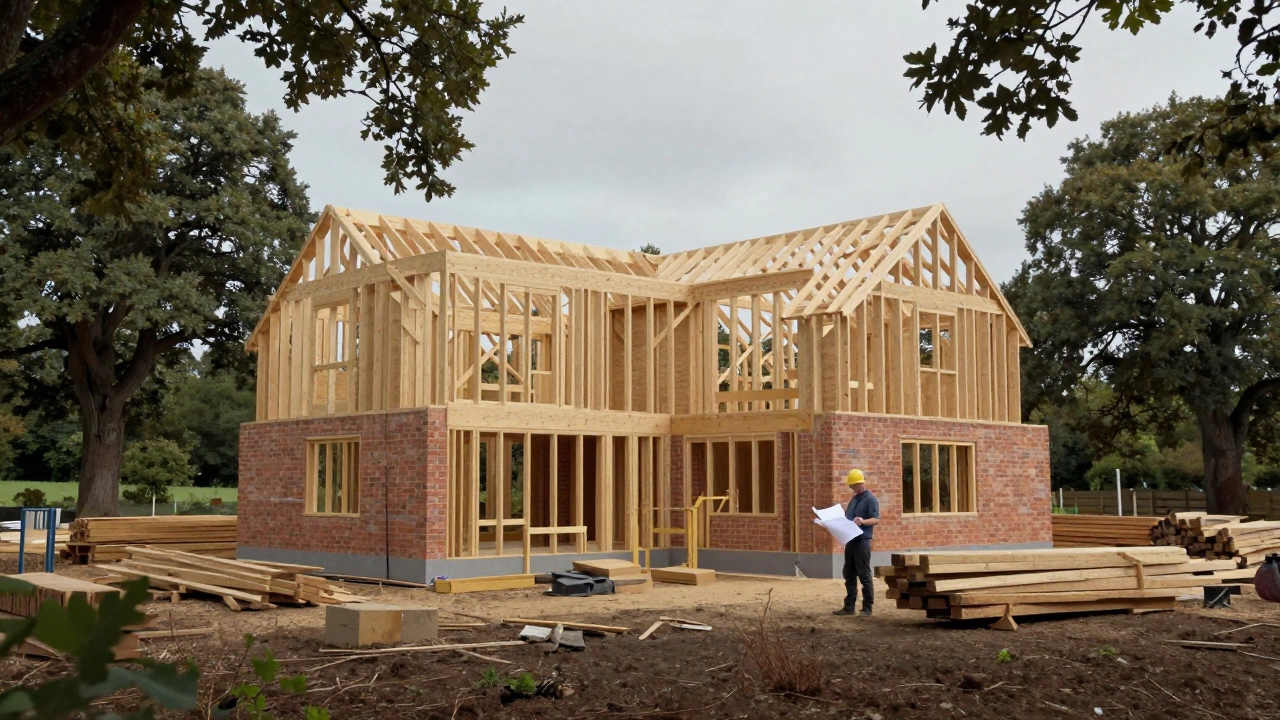
Custom Home Construction Budget Calculator (2026)
Building a custom home involves more than just the base construction cost. To avoid financial traps, you need to account for material volatility, site preparation surprises, and permit fees. Use this calculator to estimate your total required budget, including the recommended contingency fund.
Buying an existing home is often messy. You deal with old plumbing, dated kitchens, and the previous owner’s questionable paint choices. That’s why the idea of building your own house feels like the ultimate escape. You get exactly what you want, modern energy efficiency, and no one else’s history attached to the walls. But here is the hard truth that most glossy brochures won’t tell you: building a house is not just a creative project. It is a logistical nightmare, a financial gamble, and a test of your patience that can last years.
In 2026, the construction landscape has shifted. Supply chains are more stable than they were in 2021, but labor shortages remain critical, and material costs have settled at a permanently higher baseline. If you are standing on a plot of land dreaming of your forever home, you need to look past the renderings. You need to understand the cons of building a house before you sign the first contract.
The Financial Trap: Budget Overruns Are the Norm
The biggest myth in custom construction is that your budget is a ceiling. In reality, it is a floor. Most builders will give you an estimate based on current material prices and standard labor rates. They cannot predict the future. And in construction, the future is always more expensive.
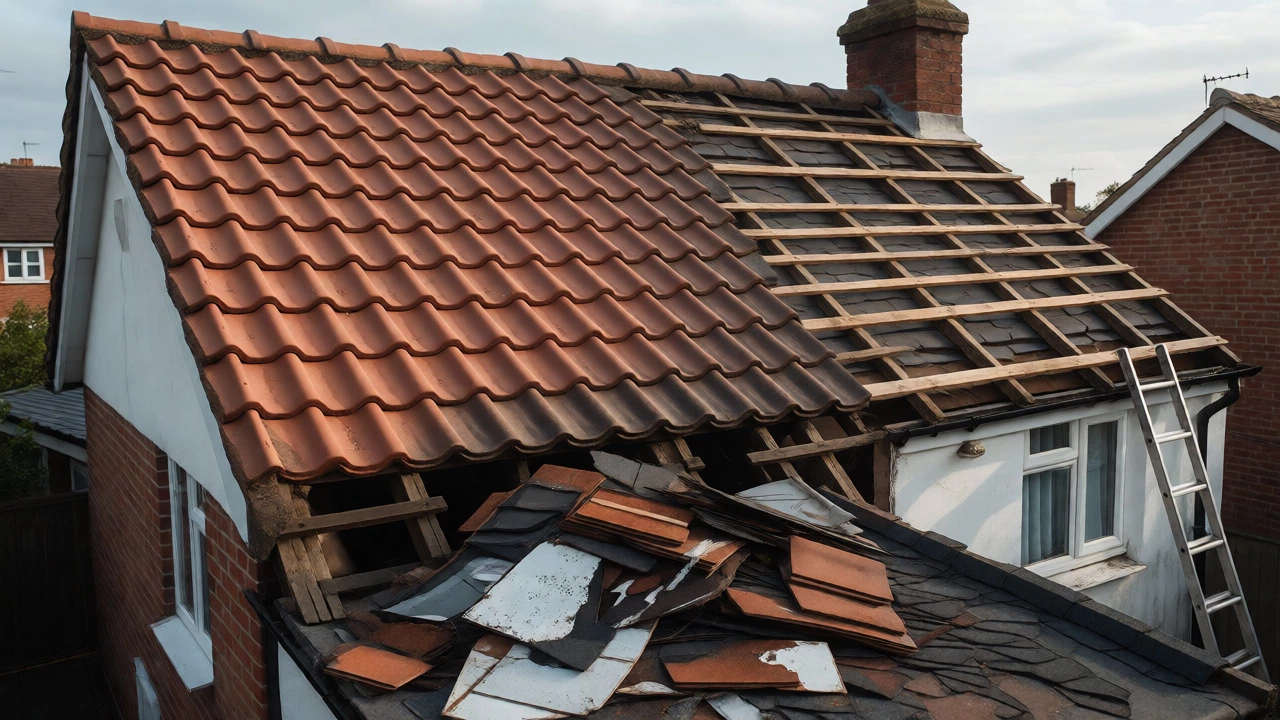
You might budget $400,000 for a mid-sized home. By the time you break ground, lumber prices could spike due to regional tariffs or supply disruptions. Then, you hit a rock layer during excavation that requires specialized machinery to remove. Suddenly, you are looking at an extra $15,000. This is called a change order, and it is the silent killer of construction budgets.
| Cost Category | Average Impact | Why It Happens |
|---|---|---|
| Site Preparation | $5k - $20k+ | Unexpected soil conditions, tree removal, or utility relocation. |
| Material Volatility | 10-15% increase | Price fluctuations in steel, lumber, and concrete between contract signing and delivery. |
| Change Orders | Variable | Homeowner decisions to upgrade fixtures or layouts after work has begun. |
| Permit Fees & Inspections | $2k - $10k | Municipal fees that often get underestimated in initial quotes. |
To protect yourself, experts recommend keeping a contingency fund of at least 10-20% of your total budget. If you don’t have this cash sitting in a high-yield savings account, you risk running out of money before the roof is on. This isn't just about being cheap; it's about survival. Without that buffer, a minor delay becomes a major crisis.
The Time Tax: Delays Define the Process
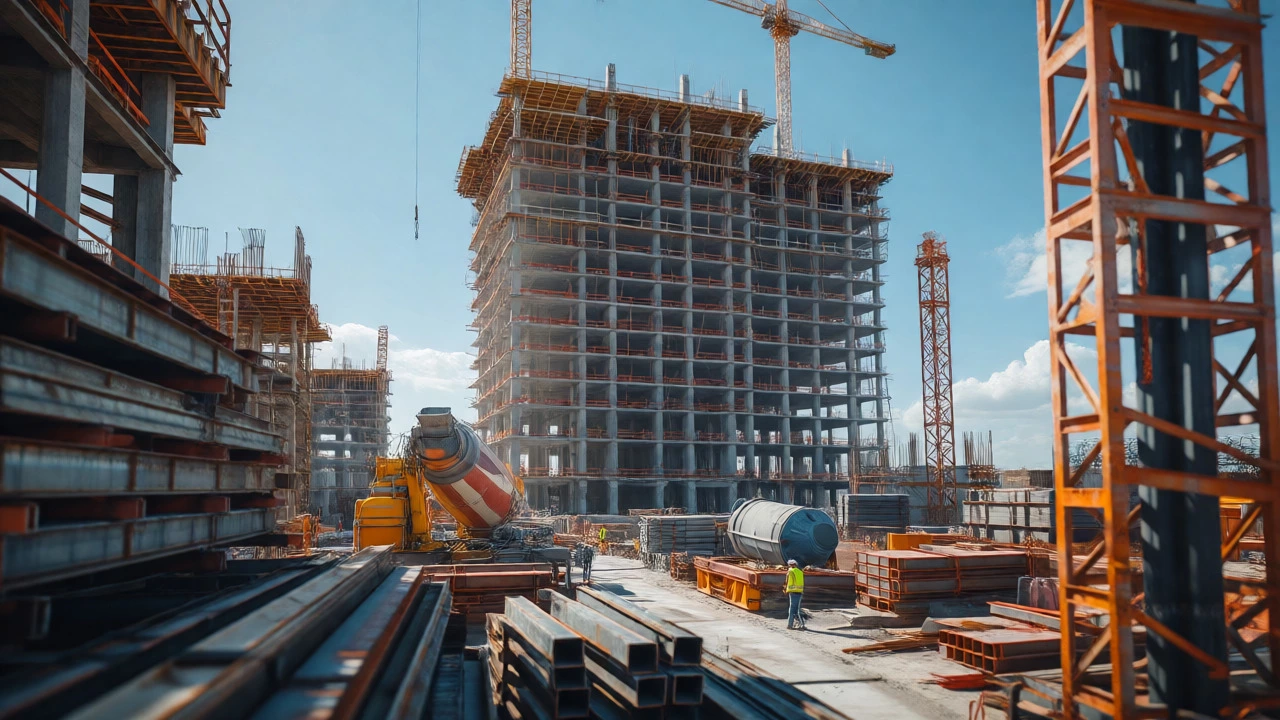
If money is the second hardest thing to spend when building a house, time is the first. Builders love to promise "move-in ready in six months." Do not believe them. A typical custom home takes 12 to 18 months from groundbreaking to final inspection. In complex cases, especially if you are dealing with historic districts or environmental restrictions, it can take two years or more.
Why does it take so long? First, there is the permitting process. Local zoning boards move at their own pace. In 2026, many municipalities have backlogs due to increased demand for housing. Your plans might sit on an architect’s desk for three weeks, then on a city planner’s desk for another month. During this time, you are paying interest on your construction loan, which typically has a higher rate than a standard mortgage.
Then comes the weather. Rain stops foundation pouring. Snow halts roofing. Heat waves slow down drywall installation. These aren't excuses; they are physical realities. Every day you are delayed, you are paying double rent-once for your current home and once for the construction loan interest. The psychological toll of living in limbo, unable to plan your move, is something few people anticipate.
The Decision Fatigue: Choosing Everything
When you buy an existing home, someone else made the hard choices. The kitchen cabinets are installed. The flooring is laid. With a new build, you are the CEO of a small manufacturing plant. You must decide on every single component.
This sounds fun until you realize the scale of it. You need to choose:
- The type of insulation (spray foam vs. fiberglass)
- The brand and model of the HVAC system
- The exact square footage of tile for the bathroom
- The location of every electrical outlet and light switch
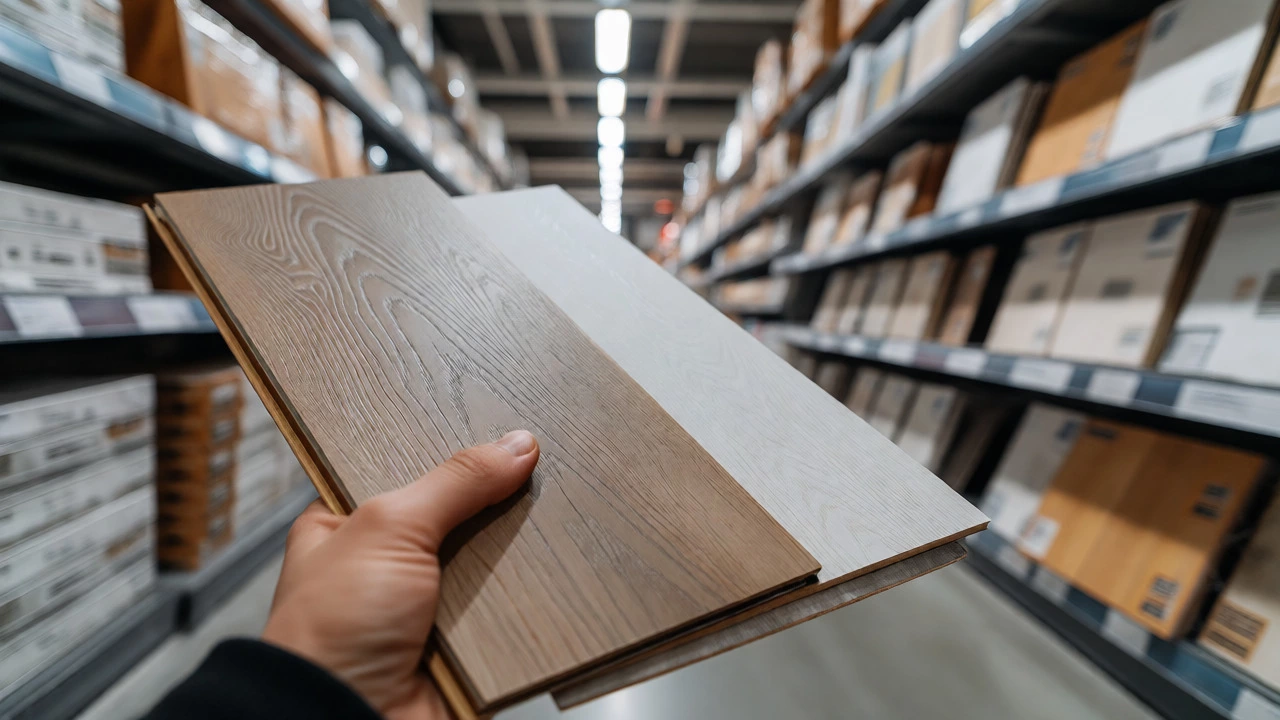
- The grade of hardwood for the floors
This is known as decision fatigue. By the time you reach the final stages, you might be so exhausted that you make poor choices just to get it over with. You might settle on a cheaper faucet because you’re tired, only to regret it five years later. The mental energy required to manage a build is immense. It affects your job performance, your relationships, and your sleep.
Quality Control: The Risk of Poor Workmanship
You are hiring a general contractor, who hires subcontractors, who hire their own crews. You rarely meet the person installing your windows or framing your walls. This distance creates a risk of poor workmanship.
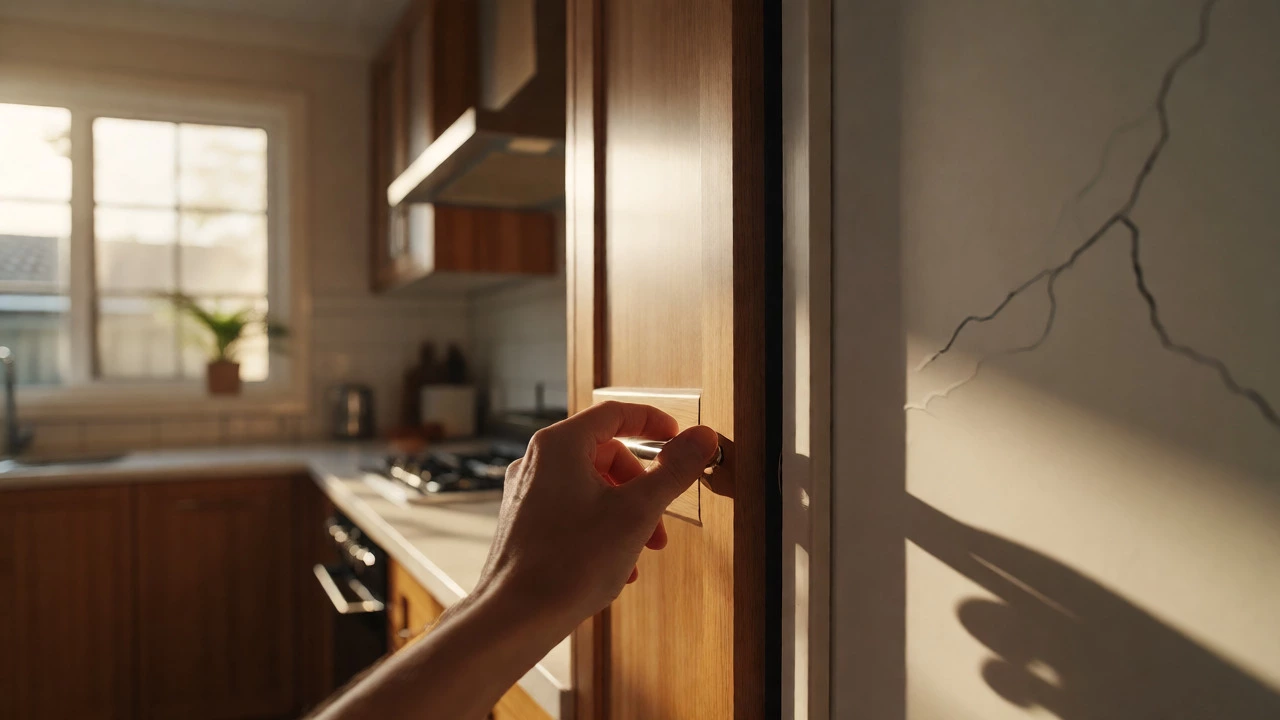
In the rush to complete projects, corners can be cut. Drywall might not be properly taped, leading to cracks later. Electrical wiring might not be neatly organized, making future repairs difficult. Plumbing joints might be loose. Because these issues are hidden behind walls or under floors, you might not discover them until after you’ve moved in-and sometimes, even then, they remain hidden until water damage occurs.
While warranties exist, enforcing them can be a battle. If a builder goes bankrupt or disappears, your warranty is worthless. This is why hiring a third-party inspector during key phases (foundation, framing, pre-drywall) is crucial. It adds cost, but it saves you from inheriting a house full of secrets.
The Neighborhood Context: Being the Odd One Out
If you are building in an established neighborhood, your new house will stand out. Existing homes have mature trees, settled foundations, and character. Your new build will look stark and unfinished for months. Neighbors may complain about noise, dust, and truck traffic. Some communities have strict architectural review boards that limit your design choices to maintain "neighborhood harmony," which can restrict your creativity.
Furthermore, resale value is tricky. While new builds often appraise higher, they depreciate quickly in the first few years, similar to a new car. An older, well-maintained home might appreciate more steadily. You also lose the benefit of established landscaping. Mature trees add significant value and curb appeal, but they take decades to grow. You’ll be starting from scratch with dirt and saplings.
Environmental and Regulatory Hurdles
In 2026, building codes are stricter than ever. Energy efficiency standards require better insulation, high-performance windows, and advanced HVAC systems. While this is good for the planet and your long-term utility bills, it increases upfront costs. You might need to install solar panels or electric vehicle charging infrastructure to meet local mandates.
Zoning laws can also be a minefield. Setback requirements dictate how far your house must be from property lines. Height restrictions limit how tall you can build. In some areas, you may need to preserve wetlands or historical features, which can shrink your buildable area significantly. Navigating these regulations requires lawyers and consultants, adding thousands to your budget.
Is It Worth It? Weighing the Pros and Cons
Building a house is not inherently bad. It offers customization, modern efficiency, and peace of mind regarding structural integrity. But the cons are real and substantial. You face financial uncertainty, time delays, mental exhaustion, quality risks, and regulatory headaches.
If you have a strong contingency fund, a flexible timeline, and a thick skin, building can be rewarding. If you need certainty, speed, and low stress, buying an existing home is likely the better choice. Know your priorities before you pour that concrete.
How much extra should I budget for unexpected costs?
You should set aside 10-20% of your total construction budget as a contingency fund. This covers material price spikes, unforeseen site issues, and necessary design changes. Without this buffer, you risk running out of funds before completion.
How long does it typically take to build a custom home in 2026?
Expect 12 to 18 months from groundbreaking to final inspection. Permitting alone can take 3-6 months. Weather delays, labor shortages, and supply chain issues can extend this timeline further.
What are the biggest risks when hiring a general contractor?
The main risks include poor workmanship, budget overruns, and communication breakdowns. Always check references, verify licenses and insurance, and consider hiring a third-party inspector to monitor progress at key stages.
Do new builds depreciate in value?
Yes, new homes often depreciate slightly in the first few years, similar to new cars. However, they tend to stabilize and appreciate over time, especially if located in desirable neighborhoods with good schools and amenities.
Can I live in my home while it’s being built?
No, it is unsafe and illegal to occupy a home during active construction. Dust, noise, open wiring, and incomplete structures pose serious health and safety risks. You must wait until all inspections are passed and a certificate of occupancy is issued.